Top 2025 Logo Design Trends You Can’t Miss

The world of logo design is ever-evolving, reflecting the dynamic nature of technology and culture. As we approach 2025, designers and brands must stay ahead of the curve to ensure their logos remain relevant and captivating. This article explores the emerging trends that are set to shape logo design in the coming years, providing insights into the techniques, styles, and philosophies that are making waves in the industry.

Minimalism with a Twist

Minimalism has been a dominant trend in design for several years, and it shows no signs of fading. However, as we move toward 2025, minimalism is evolving. Instead of just stripping away excess elements, designers are incorporating unexpected twists that add personality to logos.

Key Characteristics:

  • Simple shapes and forms
  • Bold color contrasts
  • Subtle textures or gradients
  • Playful typography

Brands are utilizing these minimalistic approaches while ensuring their logos communicate a sense of uniqueness and modernity. Think of logos that capture the essence of the brand with merely a few lines or shapes.

Dynamic Logos

In an age where digital media dominates, static logos are becoming a thing of the past. Dynamic logos that adapt to different contexts and platforms are gaining traction.

Advantages of Dynamic Logos:

  1. Versatility: Works well across various mediums.
  2. Engagement: Captures attention in digital spaces.
  3. Brand Adaptability: Can reflect seasonal changes or events.

For instance, a logo might feature an animated version for online use while maintaining its core design for print materials. This adaptability not only enhances brand recognition but also keeps the audience engaged.

Retro and Vintage Aesthetics

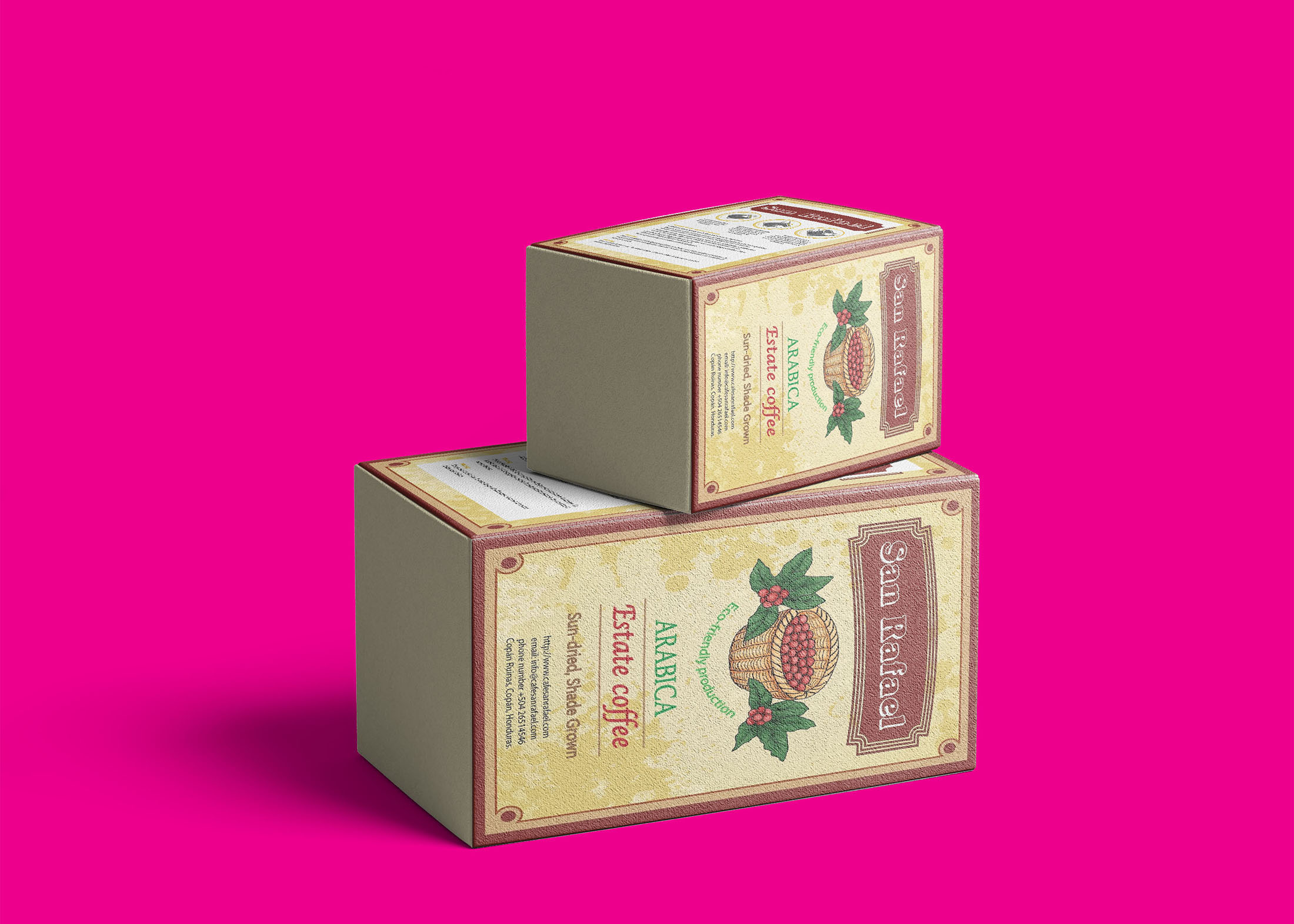
Nostalgia plays a powerful role in design trends, and the retro or vintage aesthetic is making a significant comeback. This style resonates with audiences looking for authenticity and warmth.

Elements of Retro Logos:

ElementDescription
TypographyClassic fonts that evoke a sense of nostalgia.
Color PalettesEarthy tones and muted shades.
Design MotifsUsage of badges, emblems, and geometric patterns.

Brands leveraging this trend can create a sense of trust and familiarity among consumers, effectively connecting with their target audience.

Sustainability in Design

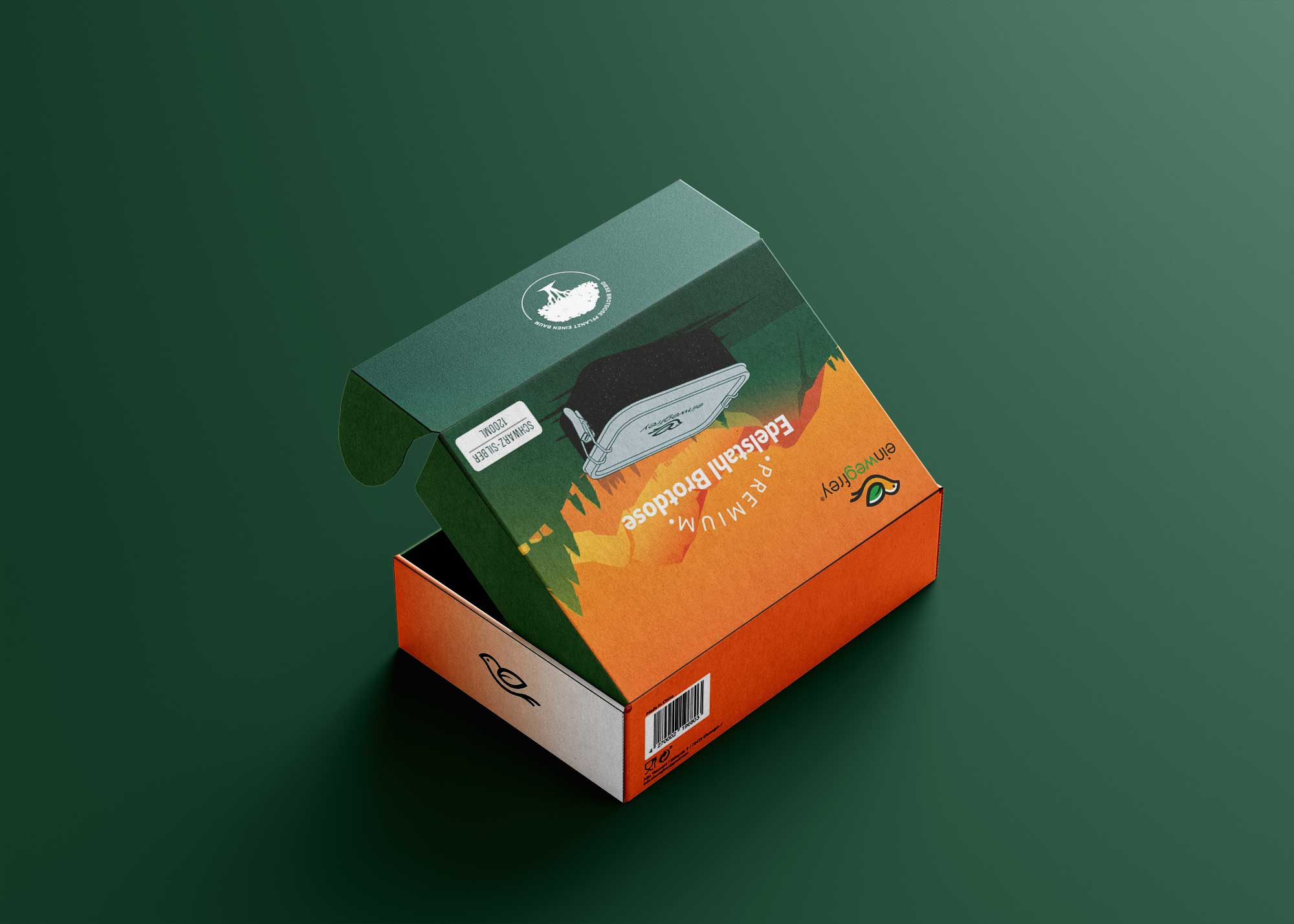
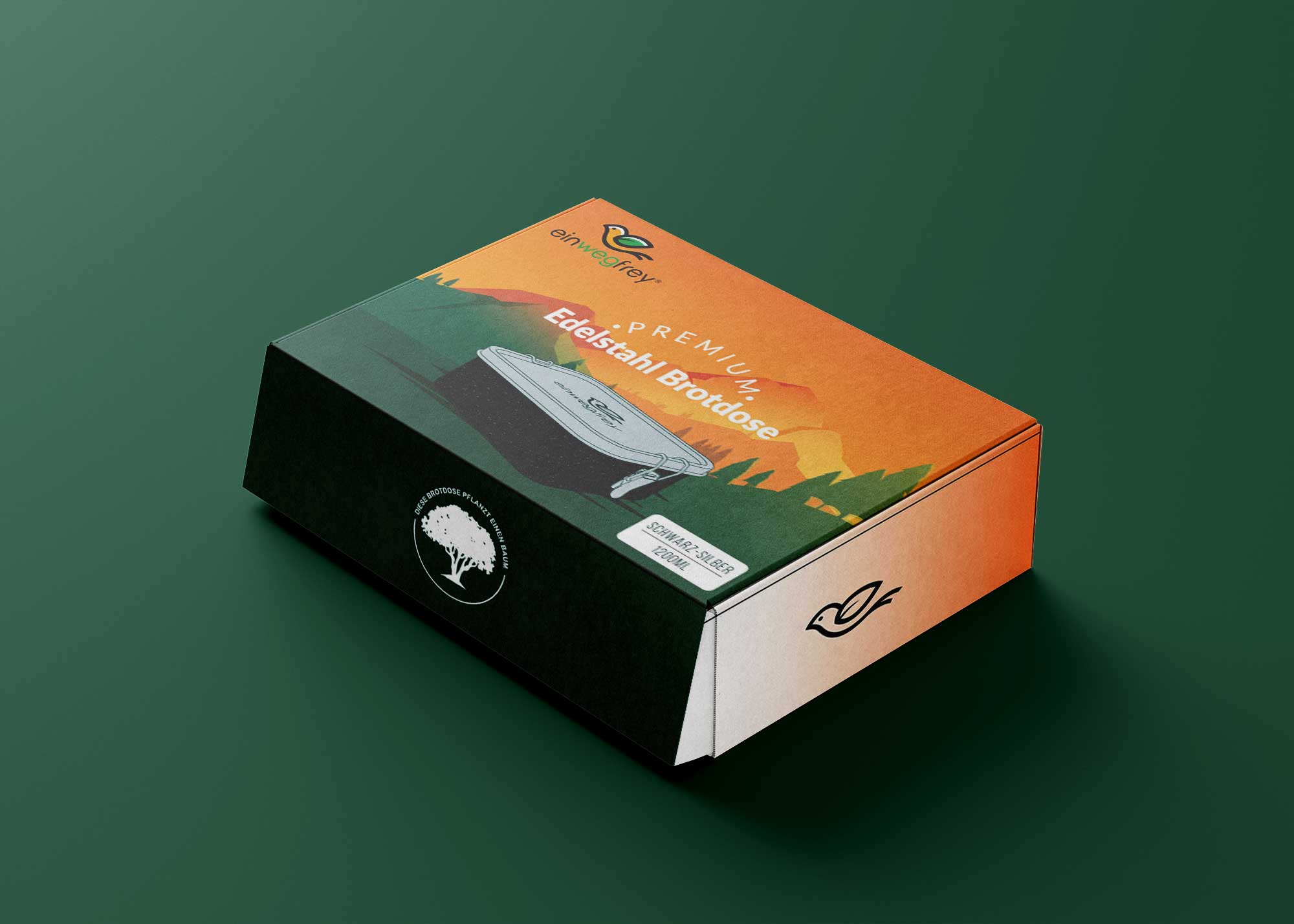
As environmental awareness grows, brands are increasingly expected to showcase their commitment to sustainability through their visual identity. Logos that reflect eco-friendly practices not only resonate with consumers but also enhance brand reputation.

Design Tips for Sustainable Logos:

  • Use earthy color palettes that symbolize nature.
  • Incorporate organic shapes that reflect natural forms.
  • Utilize eco-friendly materials if applicable in print versions.

By integrating sustainability into logo design, brands can differentiate themselves in a crowded marketplace while aligning with consumer values.

Geometric Shapes and Symmetry

Geometric shapes are gaining popularity in logo design due to their clean lines and modern appeal. As businesses strive for clarity and precision in their branding, symmetrical designs offer a sense of order and balance.

Benefits of Geometric Logos:

  1. Modern Appearance: Appeals to tech-savvy audiences.
  2. Memorability: Simple shapes are easier to remember.
  3. Versatility: Works well in various sizes and applications.

Logo designs featuring geometric patterns can be easily differentiated while maintaining brand integrity across platforms.

Bold Typography

Typography has always been an essential element of logo design, but in 2025, bold typefaces will take center stage. Striking fonts that create a strong visual impact are expected to dominate the design landscape.

Characteristics of Bold Typography:

  • High contrast with the background for better visibility.
  • Unique font styles that reflect brand personality.
  • Creative modifications to standard fonts.

Brands can utilize bold typography to convey strength and confidence, ensuring their logos stand out in a crowded market.

AI and Machine Learning Innovations

As artificial intelligence (AI) and machine learning technologies advance, they are reshaping the logo design process. These tools can analyze trends, predict consumer preferences, and even generate design options.

How AI is Influencing Logo Design:

  • Automating mundane design tasks.
  • Providing data-driven insights for better decision-making.
  • Offering personalized design experiences for clients.

This technology enables designers to focus on creativity while leveraging data to make informed design choices, which can lead to more effective branding strategies.

Conclusion

As we step into 2025, the landscape of logo design is set to be defined by innovation, adaptability, and a deep connection to audience values. Embracing these trends will not only help brands remain relevant but also foster a connection with their target audience. Whether through minimalism, dynamic designs, or sustainability, the logos of tomorrow will undoubtedly reflect the changing world around us.

FAQ

What are the top logo design trends for 2025?

Some of the top logo design trends for 2025 include minimalism, bold typography, abstract shapes, and eco-friendly designs.

How can I create a logo that stands out in 2025?

To create a standout logo in 2025, focus on unique color combinations, innovative typography, and ensuring versatility across digital and print platforms.

Why is minimalism important in logo design for 2025?

Minimalism is important because it promotes clarity and recognition, making logos more memorable and effective across various media.

What role does color play in logo design trends for 2025?

Color plays a crucial role as it can evoke emotions, enhance brand identity, and help logos stand out; trending colors for 2025 include earthy tones and vibrant pastels.

How can I incorporate sustainability into my logo design in 2025?

Incorporating sustainability can be achieved by using eco-friendly materials, promoting a green message, and using design elements that reflect environmental awareness.