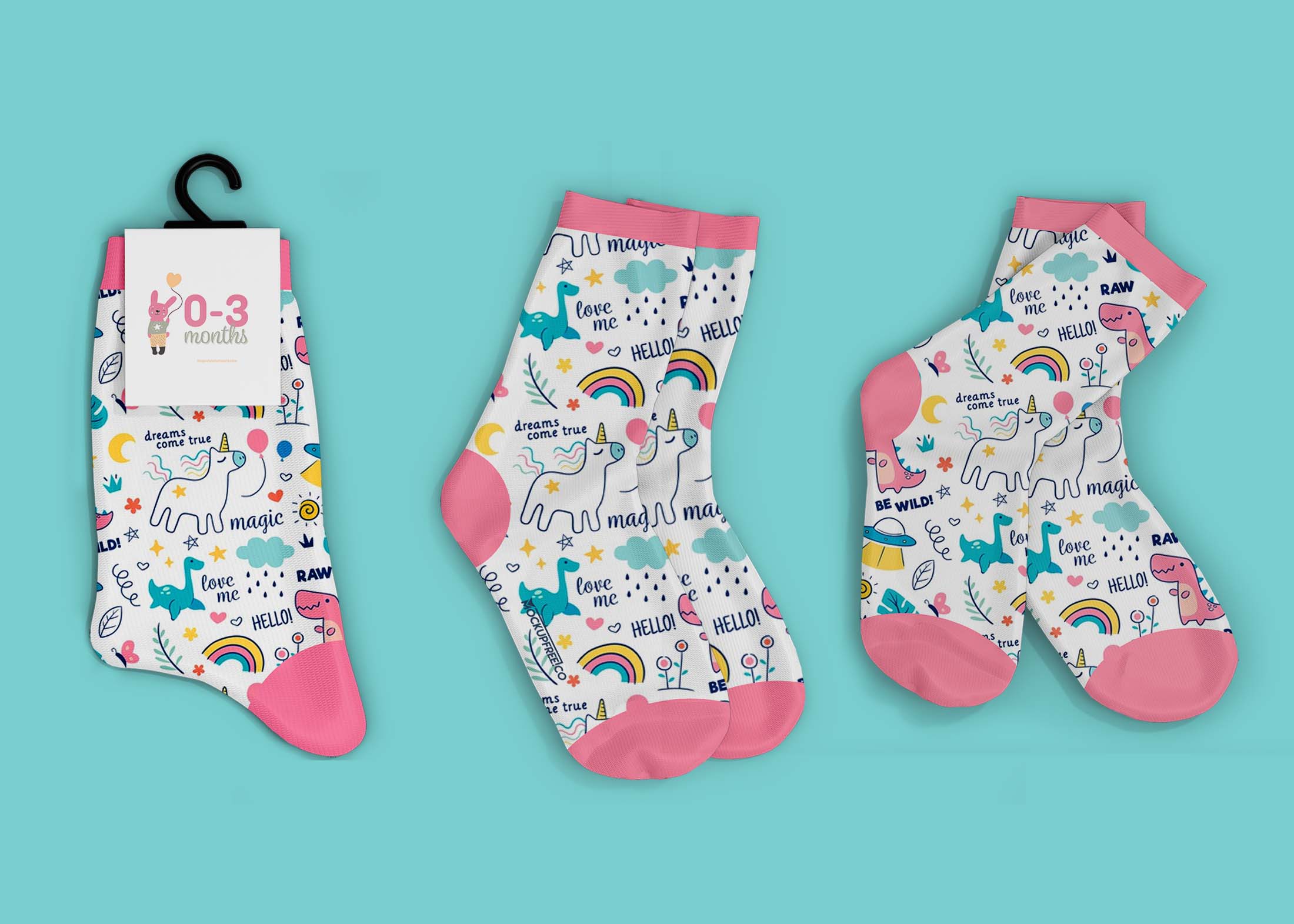
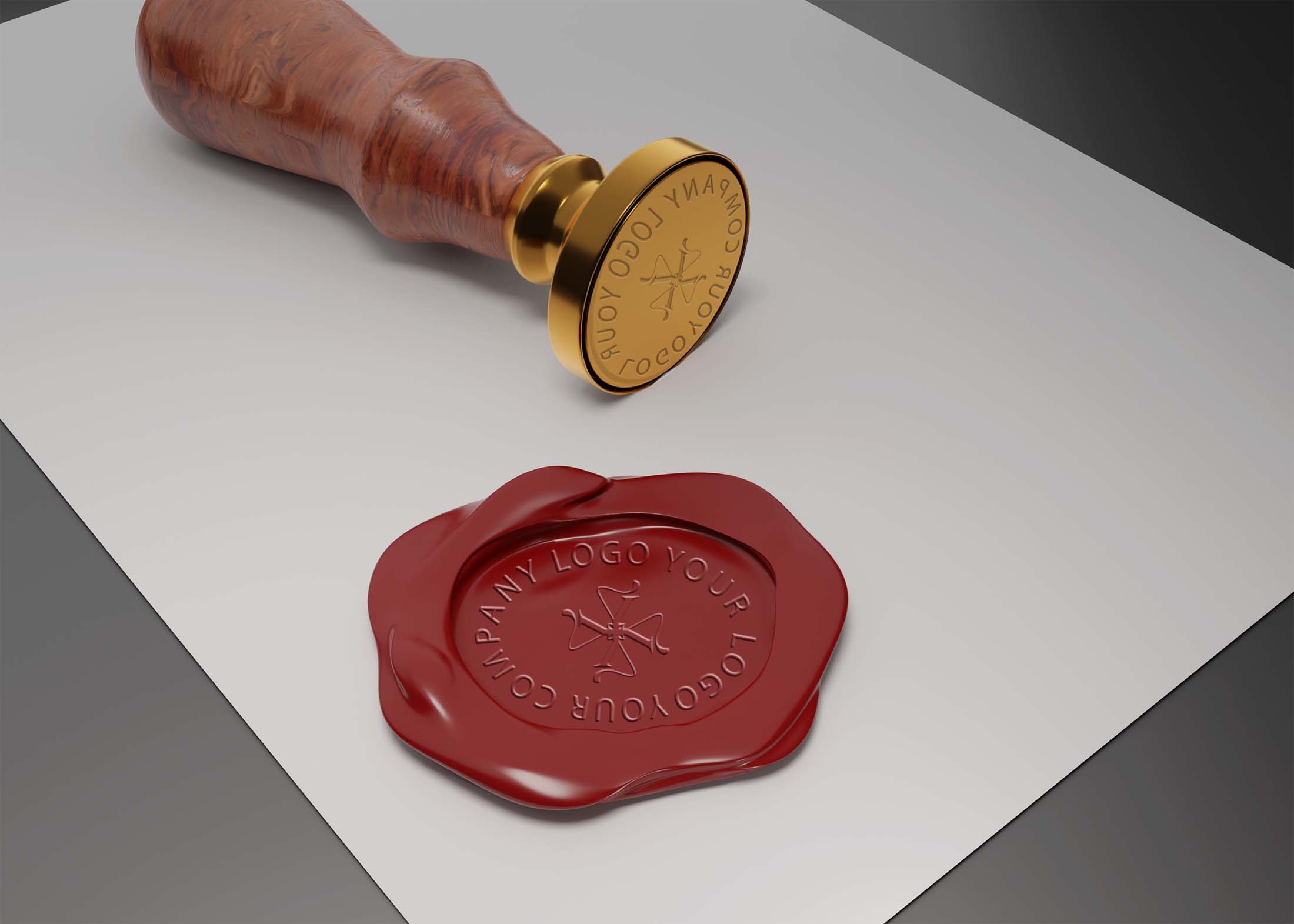
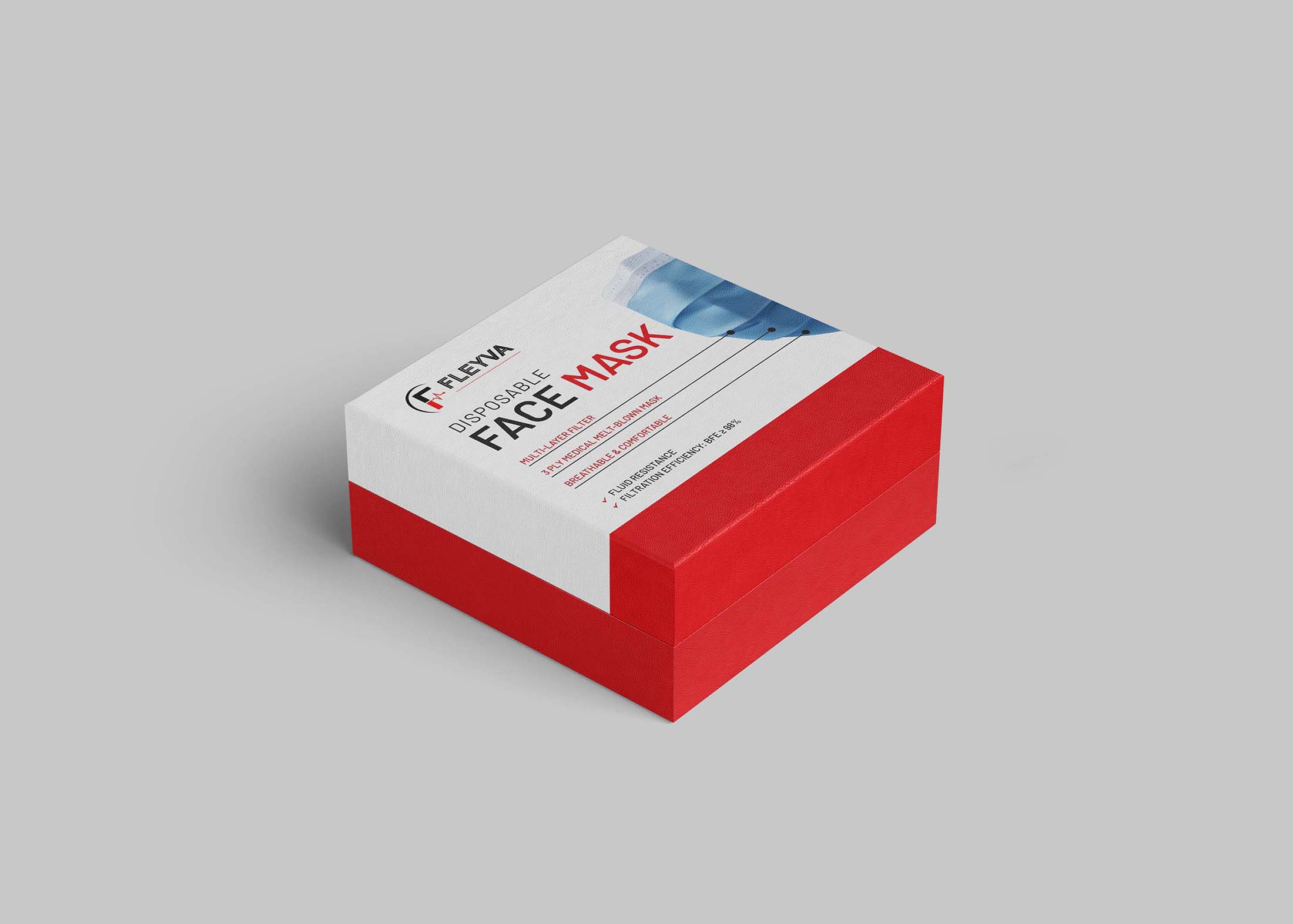
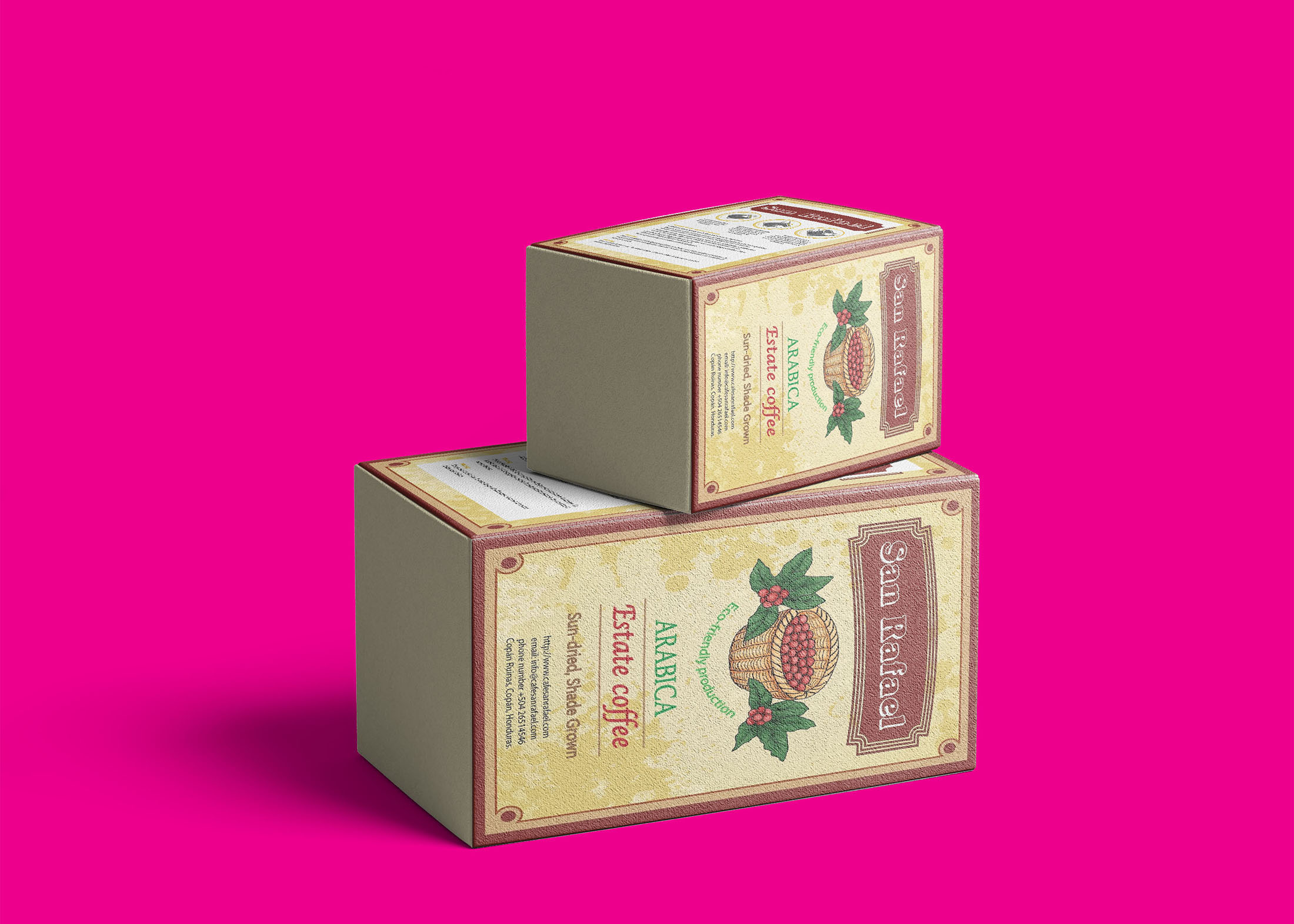
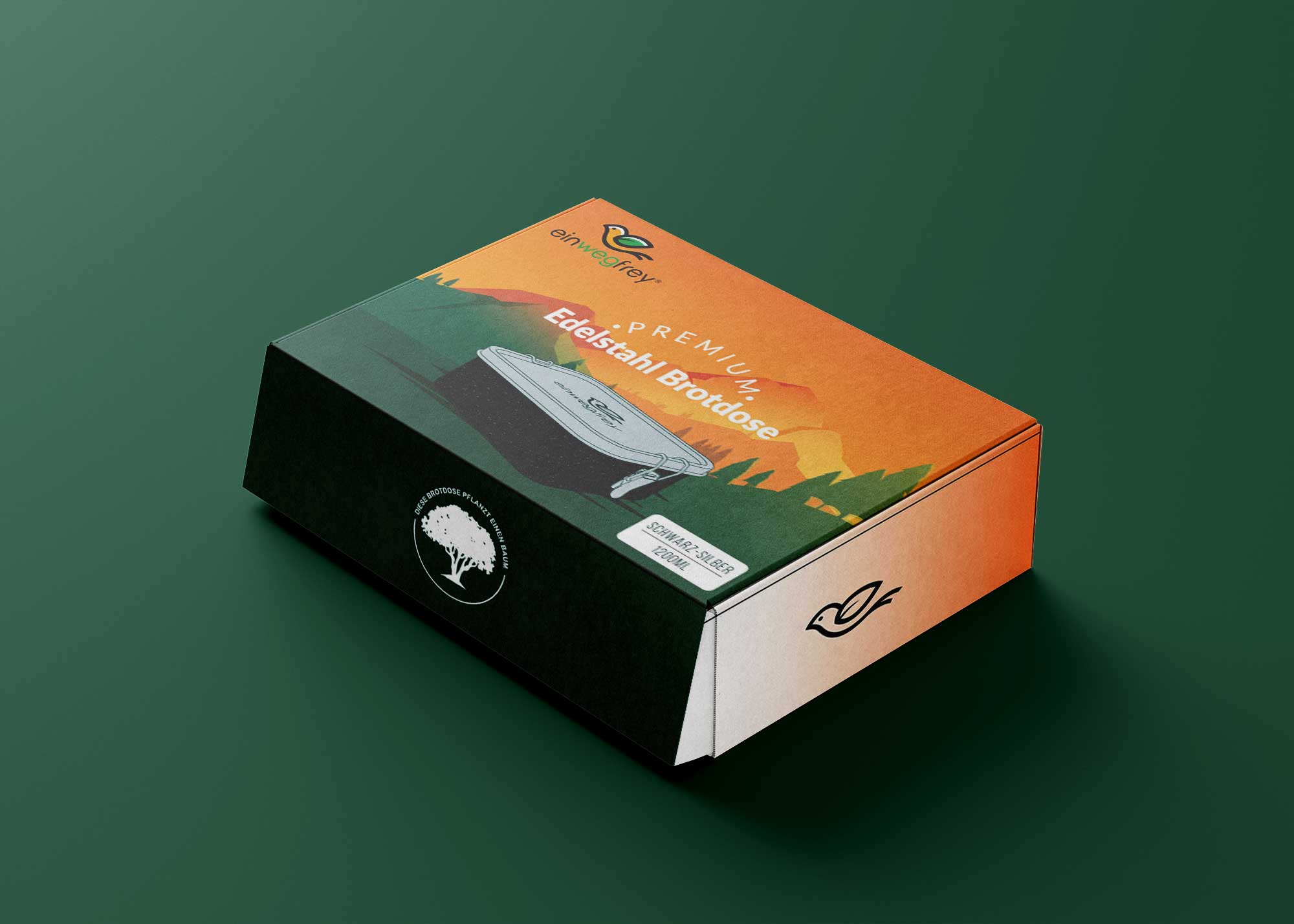
In an increasingly competitive marketplace, establishing a compelling brand identity is crucial for any business aiming for long-term success. A well-defined brand identity not only helps in creating a lasting impression but also fosters loyalty and trust among consumers. This article outlines ten powerful steps to design a brand identity that resonates with your target audience and elevates your business above the competition.
Creating a compelling brand identity is essential for any business looking to stand out in a competitive market. In this article, we’ll explore 10 powerful steps to effective brand identity design that can set your brand apart and leave a lasting impression. Additionally, for those looking to enhance their promotional materials, you can download free coffee mug templates to complement your brand’s visual strategy.
Understanding Brand Identity
Before diving into the steps, it is essential to understand what brand identity encompasses. Brand identity is the visible elements of a brand, including the logo, color schemes, typography, and overall aesthetic, that together create a perception of the brand in the consumer’s mind. It reflects the brand’s personality and values, setting it apart from competitors.
Step 1: Conduct Market Research
Effective brand identity design starts with comprehensive market research. Understanding your industry, target audience, and competitors lays the foundation for developing a distinctive brand identity.
Key Research Activities
- Analyze competitors’ brand identities.
- Survey potential customers to understand their preferences.
- Study market trends and consumer behavior.
Step 2: Define Your Brand’s Mission and Vision
Your brand’s mission and vision are integral to shaping its identity. The mission outlines the purpose of your business, while the vision describes its long-term aspirations.
- Mission Statement: Clearly articulate what your brand stands for.
- Vision Statement: Envision where you want your brand to be in the future.
Step 3: Identify Your Target Audience
Understanding your target audience is essential for tailoring your brand identity to meet their needs and preferences. Creating customer personas can be a helpful tool in this process.
Creating Customer Personas
Consider the following attributes:
| Attribute | Description |
|---|---|
| Demographics | Age, gender, income level, education |
| Psychographics | Interests, values, lifestyle choices |
| Behavior | Buying habits, brand loyalty |
Step 4: Develop Your Brand Personality
Brand personality is the set of human characteristics associated with your brand. This can include traits such as friendly, sophisticated, or adventurous. Define the personality traits that you want your brand to embody to create a relatable image.
Personality Dimensions
Consider the following dimensions:
- Excitement
- Sincerity
- Competence
- Ruggedness
- sophistication
Step 5: Create Visual Elements
Visual elements such as your logo, color palette, and typography are crucial components of your brand identity. They need to be visually appealing while also conveying your brand’s personality and values.
Logo Design Tips
- Keep it simple for easy recognition.
- Ensure scalability and versatility for different usages.
- Use colors that reflect your brand’s personality.
Choosing a Color Palette
Color psychology plays an essential role in how consumers perceive your brand. Here are some colors and their associated meanings:
| Color | Meaning |
|---|---|
| Red | Passion, energy, action |
| Blue | Trust, dependability, professionalism |
| Green | Growth, health, environment |
| Black | Luxury, elegance, sophistication |
Step 6: Craft Your Brand Voice
Your brand voice is how you communicate with your audience. It should reflect your brand personality and resonate with your target audience. Determine the tone you want to convey—be it formal, casual, humorous, or serious.
Developing Brand Messaging
Your messaging should be consistent across all platforms. Focus on:
- Taglines and slogans
- Content style and tone
- Engagement in social media
Step 7: Implement Your Brand Identity
Once you’ve developed your brand identity, it’s time for implementation. Ensure that it is consistently applied across all touchpoints, including your website, social media, advertising, and packaging.
Consistency is Key
Use brand guidelines to maintain consistency:
- Define logo usage and placement.
- Detail color specifications.
- Outline typography rules.
Step 8: Gather Feedback and Iterate
After launching your brand identity, gather feedback from your audience and stakeholders. This can help you identify areas for improvement and further refine your brand identity.
Feedback Mechanisms
Consider using:
- Surveys
- Focus groups
- Online reviews
Step 9: Monitor Your Brand’s Performance
Tracking the performance of your brand identity is essential to understand its impact on your business. Use analytics tools to gauge brand recognition and consumer sentiment.
Key Performance Indicators (KPIs)
Measure success using metrics such as:
- Brand awareness
- Customer engagement
- Sales figures
Step 10: Evolve With Your Brand
Brands must evolve to stay relevant. As trends change and new markets emerge, be ready to adapt your brand identity to continuously reflect your mission, vision, and values.
Staying Relevant
Keep an eye on:
- Industry trends
- Consumer behavior
- Technological advancements
In conclusion, a strong brand identity is a combination of thoughtful planning, creativity, and strategic execution. By following these ten powerful steps, you can build a brand identity that not only stands out but also fosters a deep connection with your audience, ensuring long-term success in your business endeavors.
FAQ
What are the key elements of a brand identity design?
The key elements of brand identity design include logo, color palette, typography, imagery, voice, and overall style guide.
How do I create a unique brand identity?
To create a unique brand identity, research your target audience, analyze competitors, and define your brand values, mission, and vision.
Why is a strong brand identity important?
A strong brand identity helps differentiate your business, builds customer loyalty, and establishes trust and recognition in the market.
What role does color play in brand identity?
Color plays a crucial role in brand identity as it evokes emotions and can influence consumer perceptions and behaviors.
How often should I refresh my brand identity?
You should consider refreshing your brand identity every few years or when your business undergoes significant changes to stay relevant and appealing.
What tools can I use for brand identity design?
You can use tools like Adobe Illustrator, Canva, Sketch, or Figma for creating and managing your brand identity design.