Creating a portfolio that stands out in a crowded field can be a daunting task. However, in 2025, the landscape of digital portfolios is evolving rapidly with new technologies and design trends. Whether you’re a designer, developer, writer, or any other professional, an impressive portfolio is essential for showcasing your skills and attracting potential clients or employers. This article will guide you through the key elements of building a stunning portfolio that captures attention and effectively represents your personal brand.
Understanding Your Audience
Before diving into the design and content of your portfolio, it’s crucial to understand your target audience. Ask yourself:
- Who will be viewing my portfolio?
- What skills or experiences are they looking for?
- How can I present my work in a way that resonates with them?
By answering these questions, you can tailor your portfolio to meet the expectations and preferences of your audience.
Choosing the Right Platform
In 2025, there are numerous platforms available for creating your portfolio, from traditional HTML/CSS websites to advanced website builders and CMS options. Here’s a breakdown of some popular choices:
Custom Website
Building a custom website gives you complete control over your design and functionality. However, it requires knowledge of coding or the hiring of a developer. Benefits include:
- Full creative freedom
- Unique and personalized design
- Flexible features and integrations
Website Builders
Platforms like Squarespace, Wix, and Webflow offer user-friendly interfaces with pre-designed templates, making it easy to set up your portfolio without coding skills. Advantages include:
- Quick and easy setup
- Ready-made templates
- Responsive design options
Content Management Systems
WordPress remains a popular choice for portfolios, especially with themes specifically designed for creative professionals. Key benefits are:
- Expandable functionality through plugins
- Control over SEO settings
- Large community support
Design Principles for a Modern Portfolio
The design of your portfolio should reflect current trends while remaining timeless. Here are some essential design principles to consider:
Minimalism
A clean, uncluttered design allows your work to take center stage. Embrace white space and limit the number of fonts and colors.
Responsive Design
Your portfolio must look great on all devices. Use responsive design techniques to ensure it’s accessible on desktops, tablets, and smartphones.
Interactive Elements
Engage your visitors with interactive elements such as:
- Hover effects
- Animations
- Dynamic content that changes based on user interaction
Highlighting Your Work
The main purpose of your portfolio is to showcase your work effectively. Here are some strategies:
Case Studies
Instead of simply listing your projects, create detailed case studies that highlight:
- The problem you solved
- Your approach and process
- The results and impact
High-Quality Visuals
Invest time in presenting high-quality images or videos of your work. Consider using:
- Professional photography for physical products
- Screen recordings for digital projects
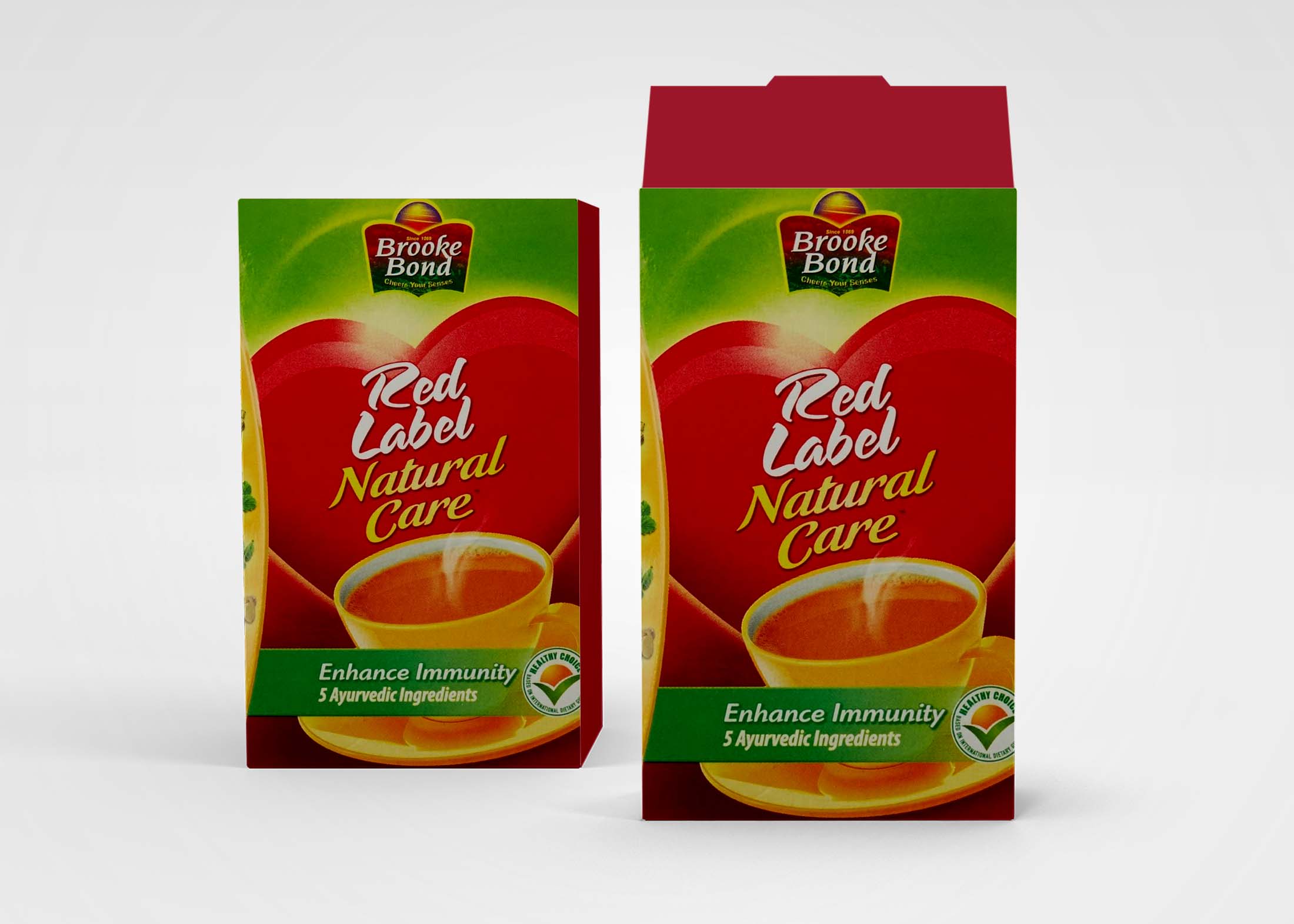
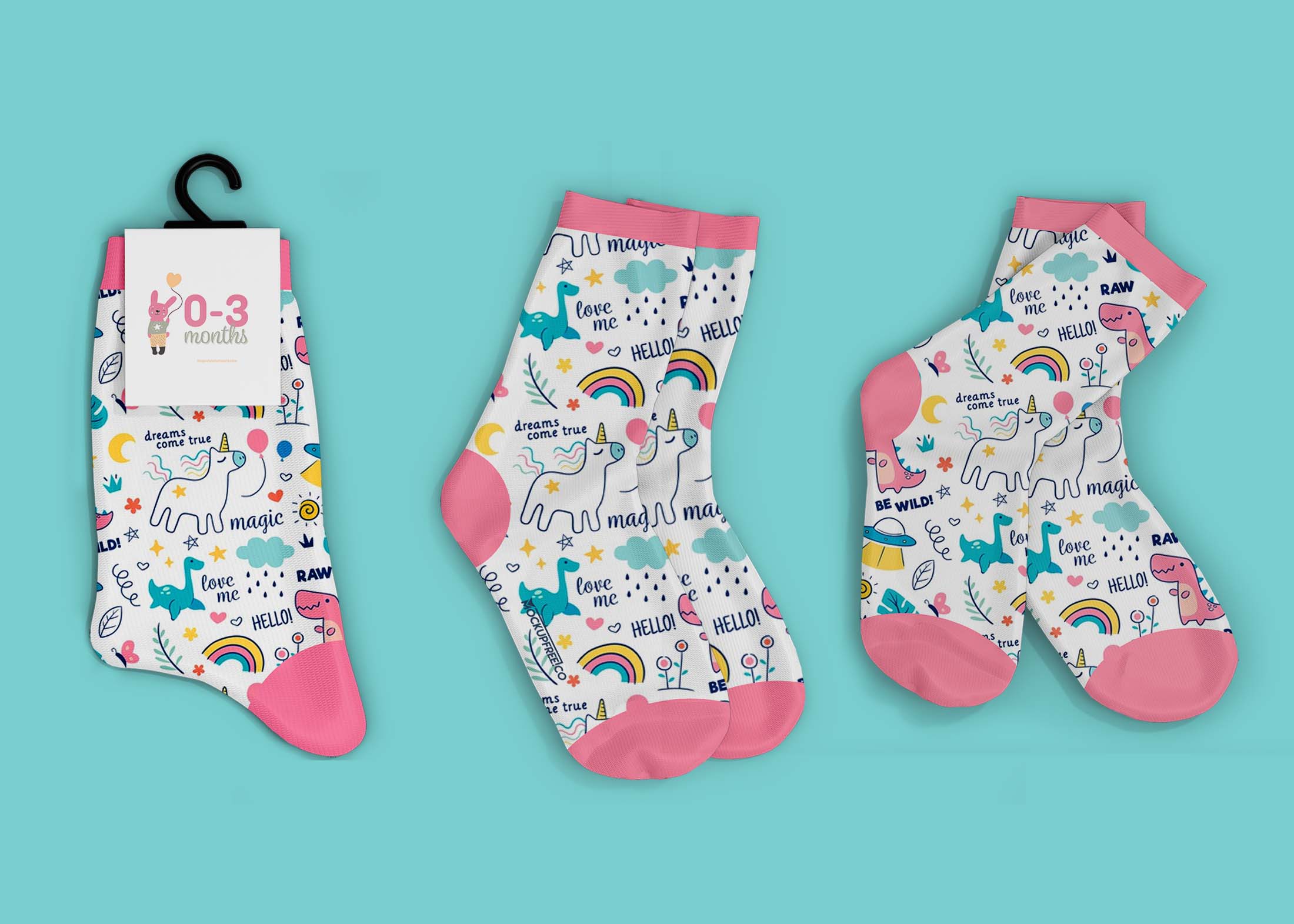
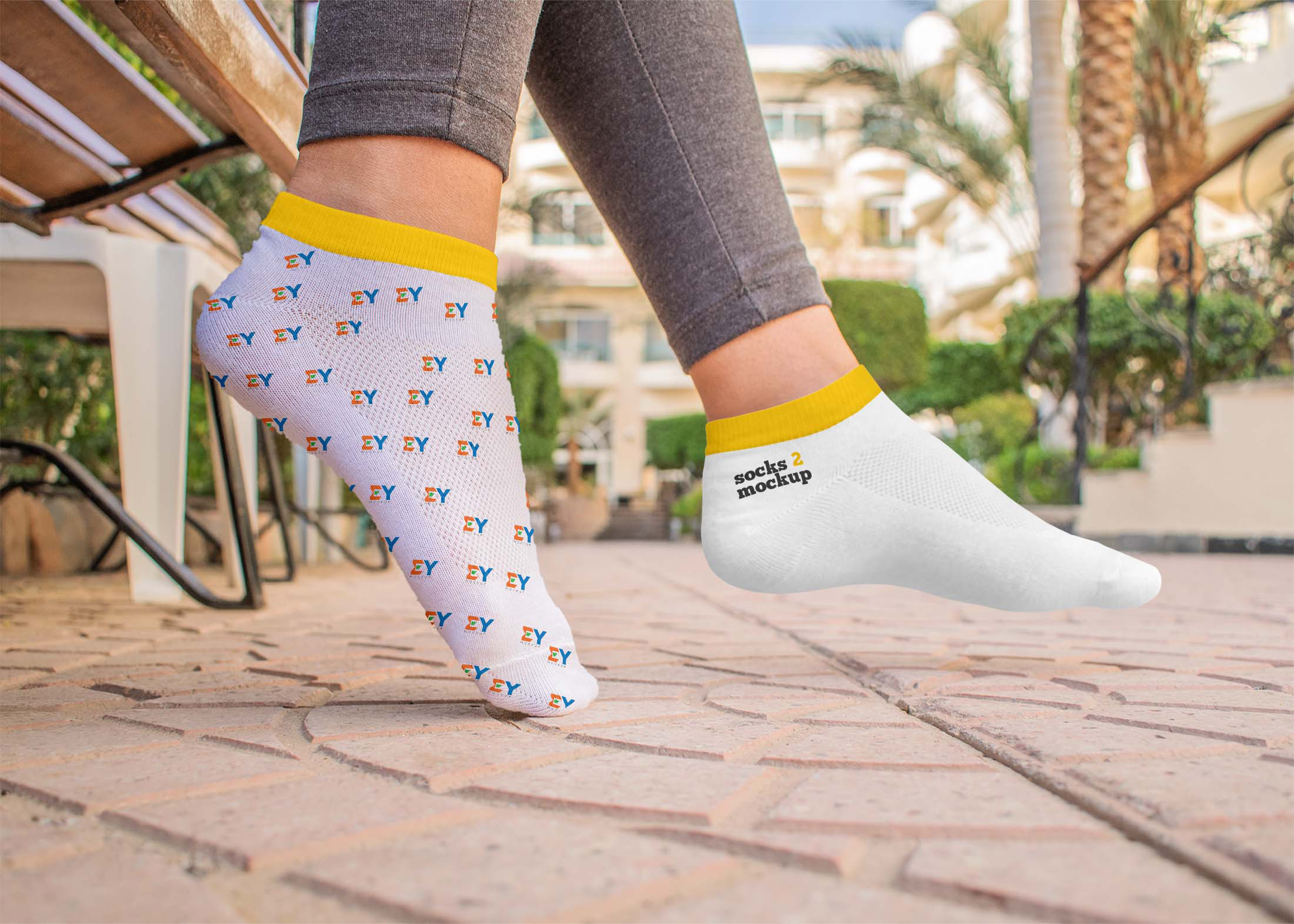
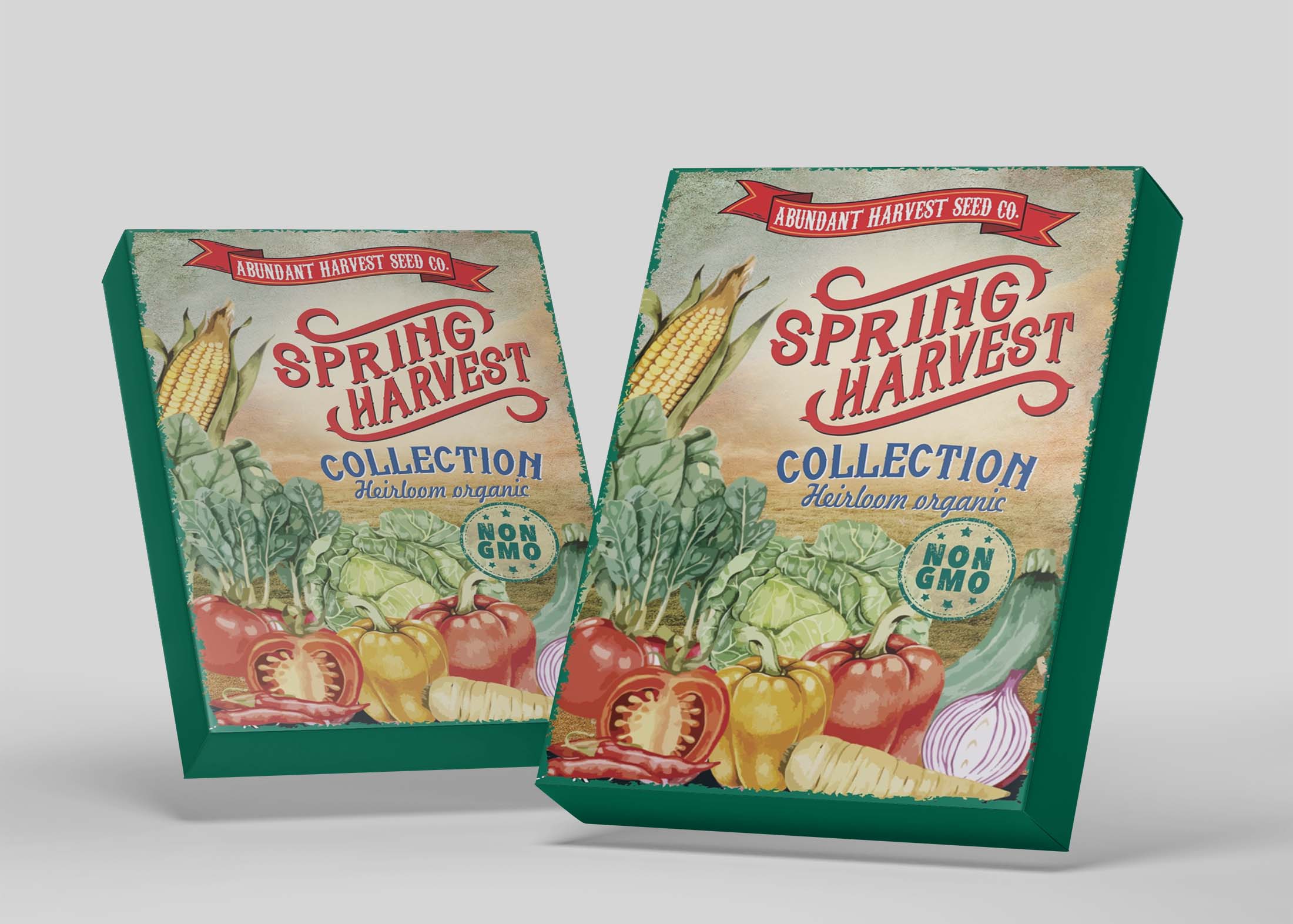
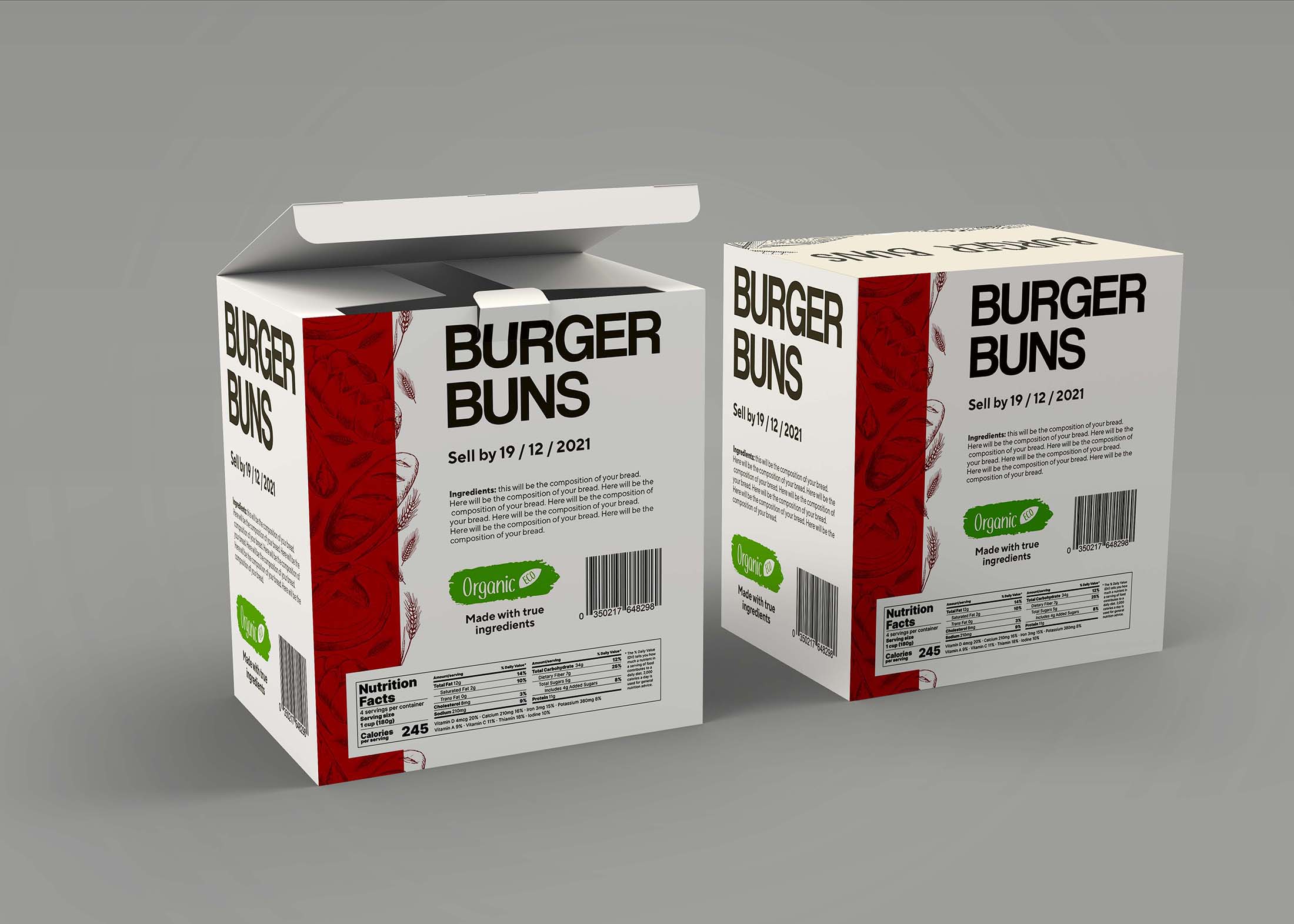
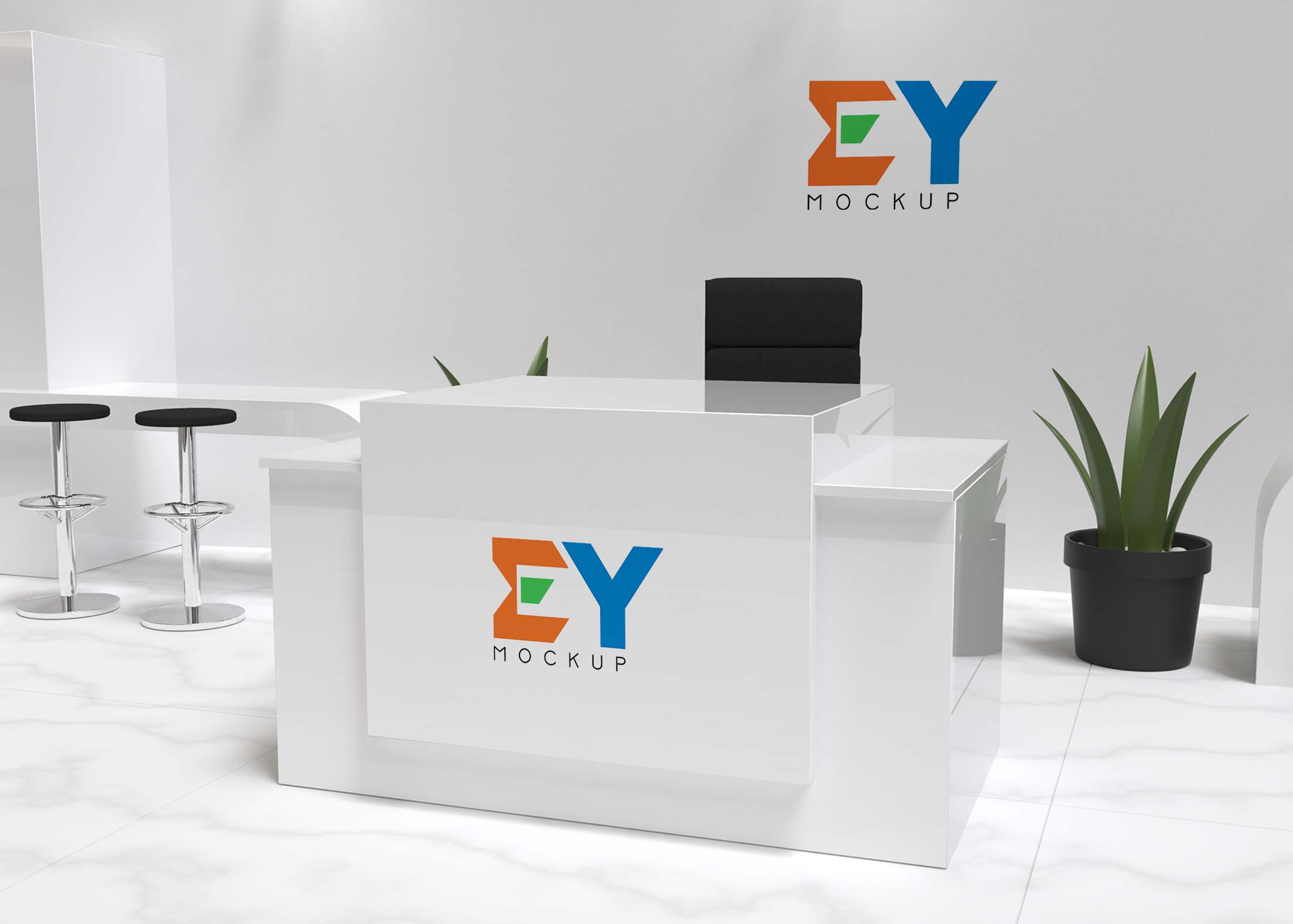
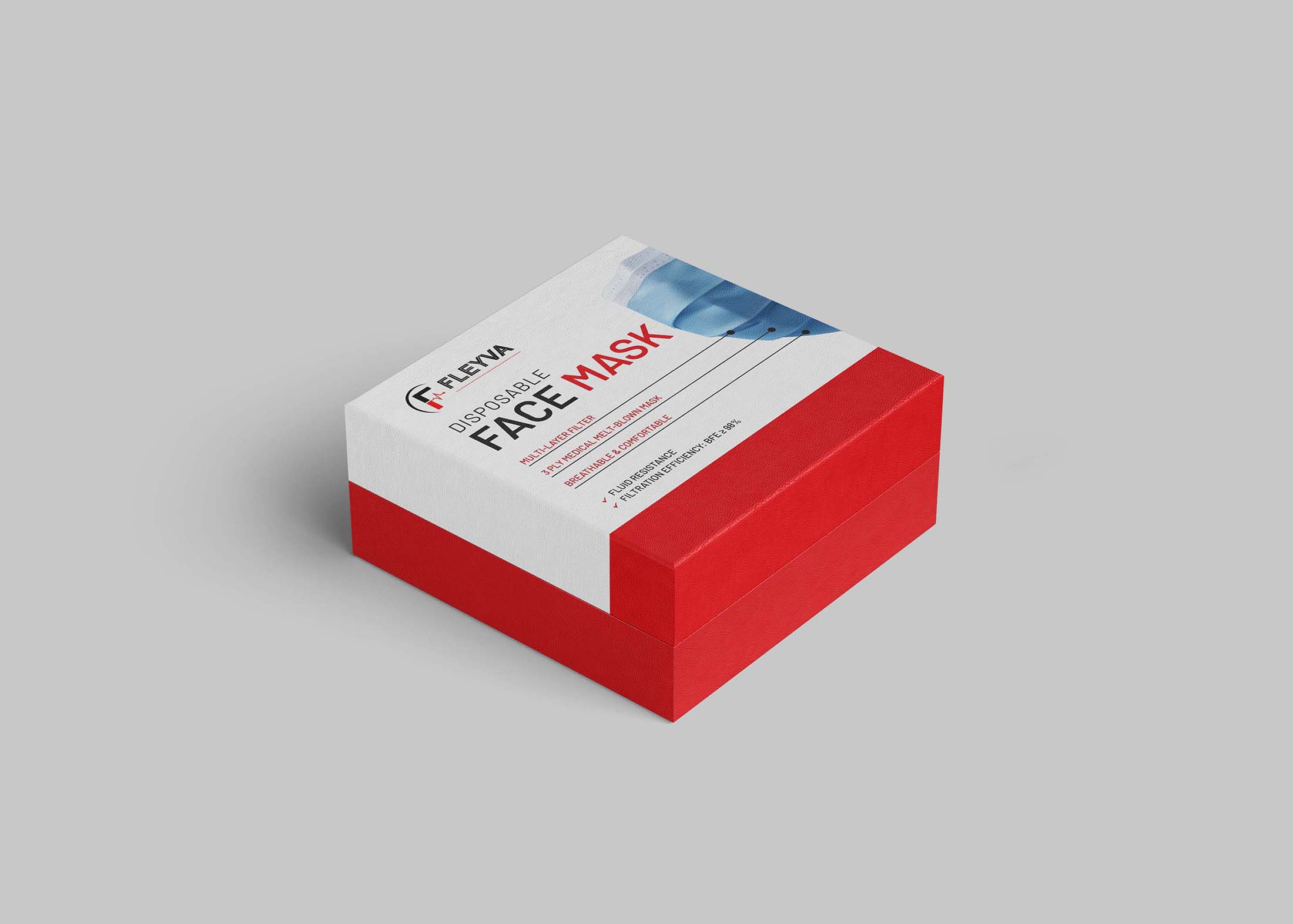
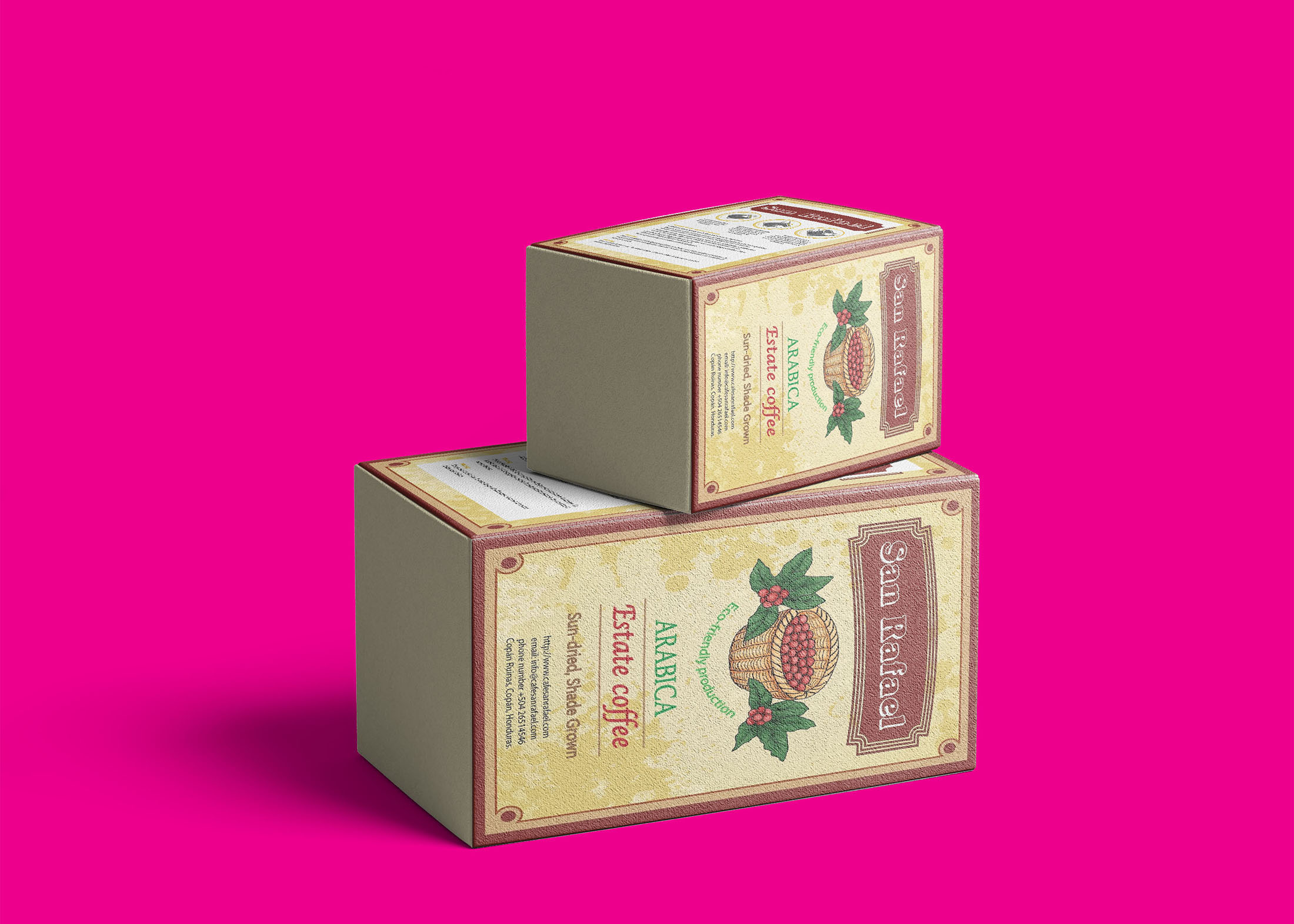
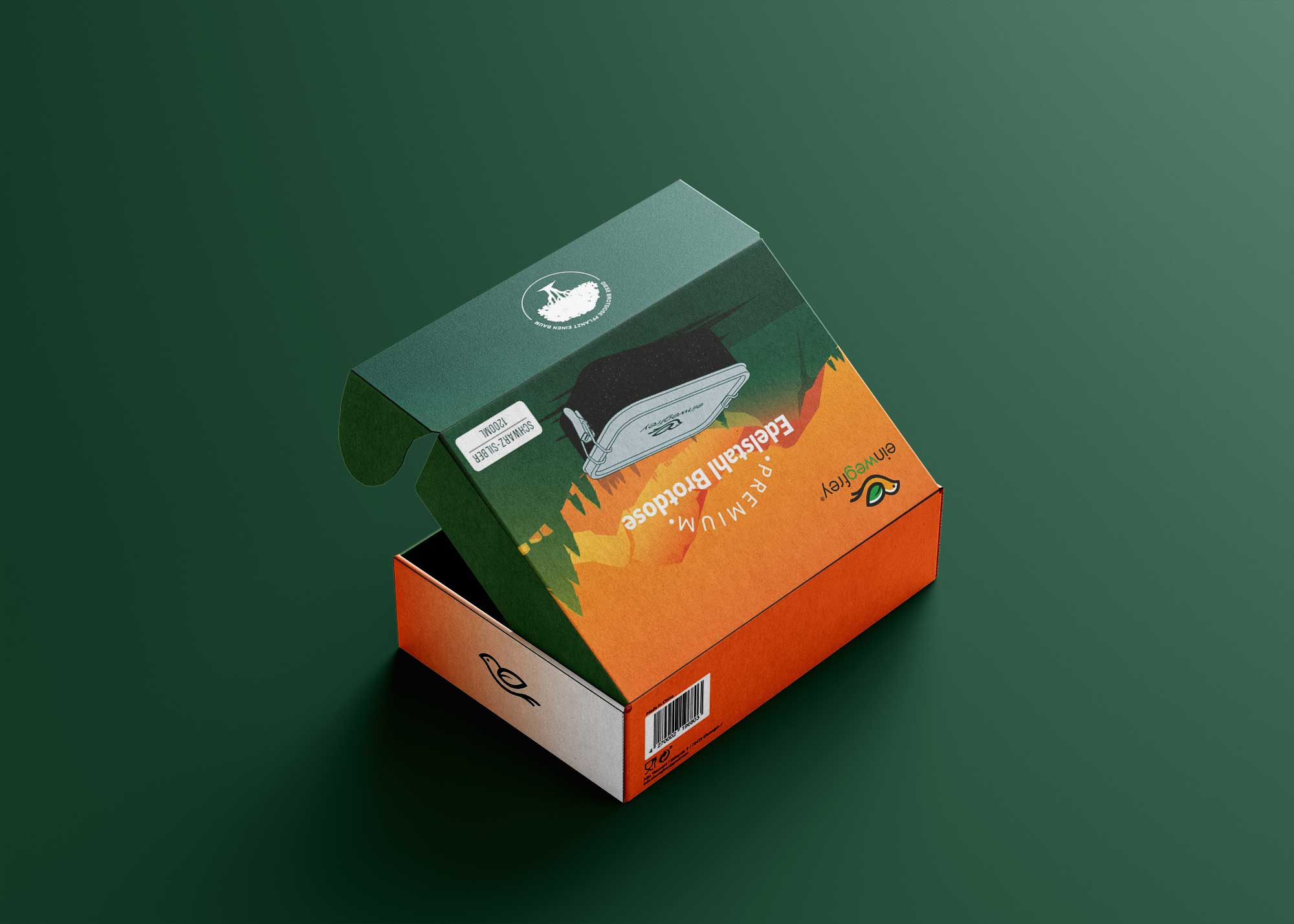
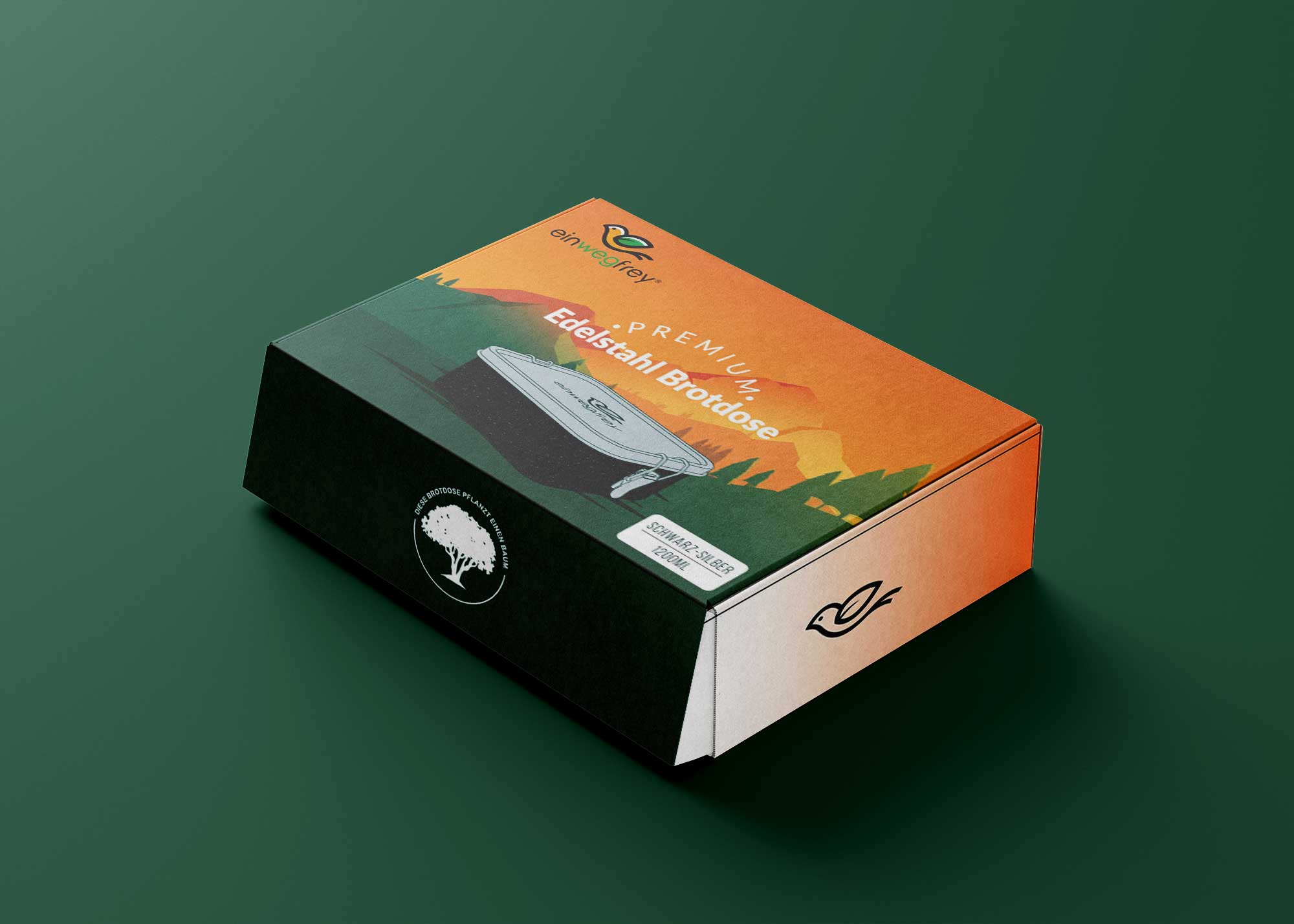
- Mockups to showcase designs in context
Testimonials
Incorporate testimonials from clients or colleagues to add credibility. Display them prominently, possibly alongside the projects they reference.
Optimizing Your Portfolio for SEO
In 2025, having a beautiful portfolio is not enough; you need to ensure it can be found by search engines. Follow these SEO best practices:
Keyword Research
Identify the keywords your audience is searching for and incorporate them naturally into your portfolio content.
Meta Tags
Ensure that each page has unique meta titles and descriptions that accurately reflect the content.
Alt Text for Images
Use descriptive alt text for all images to improve accessibility and provide context for search engine crawlers.
Keeping Your Portfolio Updated
A portfolio is a living document that should evolve over time. Here are some tips for maintaining it:
Regular Updates
Set a schedule to review and update your portfolio every few months. Add new projects, remove outdated ones, and refresh the design if necessary.
Engaging with Visitors
Encourage interaction by adding a blog section or a contact form. This will not only keep your portfolio fresh but also allow you to connect with your audience.
Conclusion
Building a stunning portfolio in 2025 requires careful consideration of design, functionality, and audience engagement. By understanding your audience, choosing the right platform, applying modern design principles, and optimizing for search engines, you can create a portfolio that not only showcases your work but also tells your unique story. Remember, your portfolio is a reflection of you, so invest the time and effort needed to make it shine.
FAQ
What are the key elements of a stunning portfolio in 2025?
A stunning portfolio in 2025 should include a clean design, high-quality visuals, a well-organized layout, clear project descriptions, and interactive elements to engage viewers.
How can I showcase my skills effectively in my portfolio?
To effectively showcase your skills, include a variety of projects that demonstrate your versatility, use case studies to highlight your problem-solving abilities, and provide metrics or outcomes that showcase your impact.
What digital tools can help me create an impressive portfolio?
Consider using website builders like Wix, Squarespace, or WordPress, as well as design tools like Adobe Creative Suite or Canva to create visually appealing and professional portfolio pieces.
Should I include personal projects in my portfolio?
Yes, including personal projects can showcase your passion, creativity, and initiative, which can be very appealing to potential employers or clients.
How often should I update my portfolio?
You should update your portfolio regularly, ideally every few months, to include new projects, skills, and experiences that reflect your current capabilities and interests.
Is it important to have an online portfolio in 2025?
Yes, having an online portfolio is crucial in 2025 as it allows you to reach a wider audience, showcase your work globally, and stay competitive in the job market.