7 Color Psychology Tips to Boost Your Brand

Understanding color psychology is essential for brands aiming to connect effectively with their audiences. Colors evoke emotions and can significantly influence consumer behavior. In this article, we will explore seven key tips that brands can employ to leverage color psychology for improved branding and marketing strategies.

1. Know Your Audience

Different demographics respond to colors in various ways. Knowing your target audience is crucial in aligning your brand colors with their preferences. Consider the following:

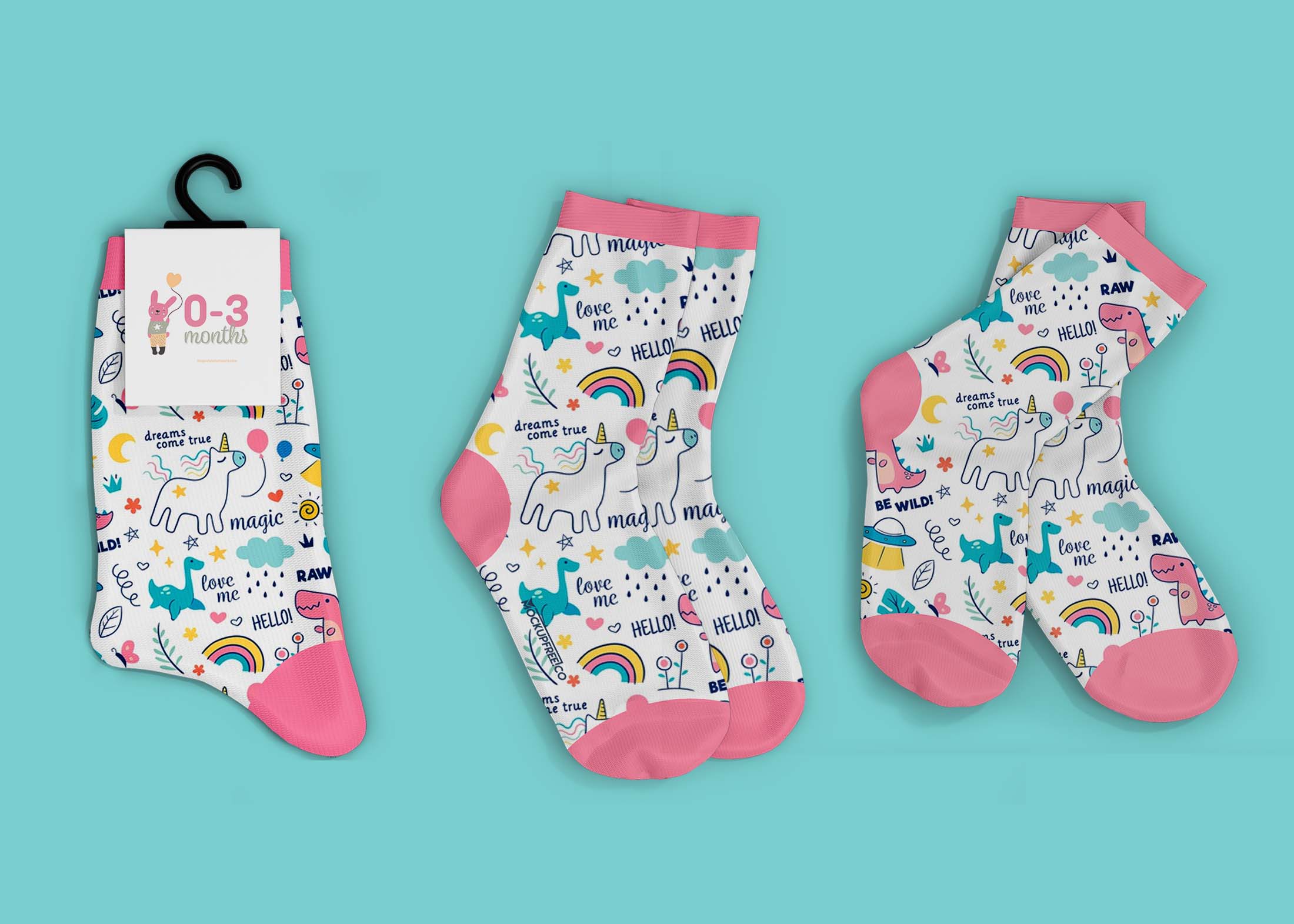
  • Age: Younger audiences may prefer vibrant colors, while older customers often gravitate towards subdued tones.
  • Gender: Studies suggest that men and women often have different color preferences.
  • Cultural Background: Colors can have distinct meanings in different cultures.

Example of Demographic Color Preferences

Demographic Preferred Colors
Teens Bright, bold colors
Adults Mutual colors like blue, green
Seniors Soft, pastel colors

2. The Meaning Behind Colors

Each color carries its unique significance. Brands should understand the meanings of colors to convey the right message:

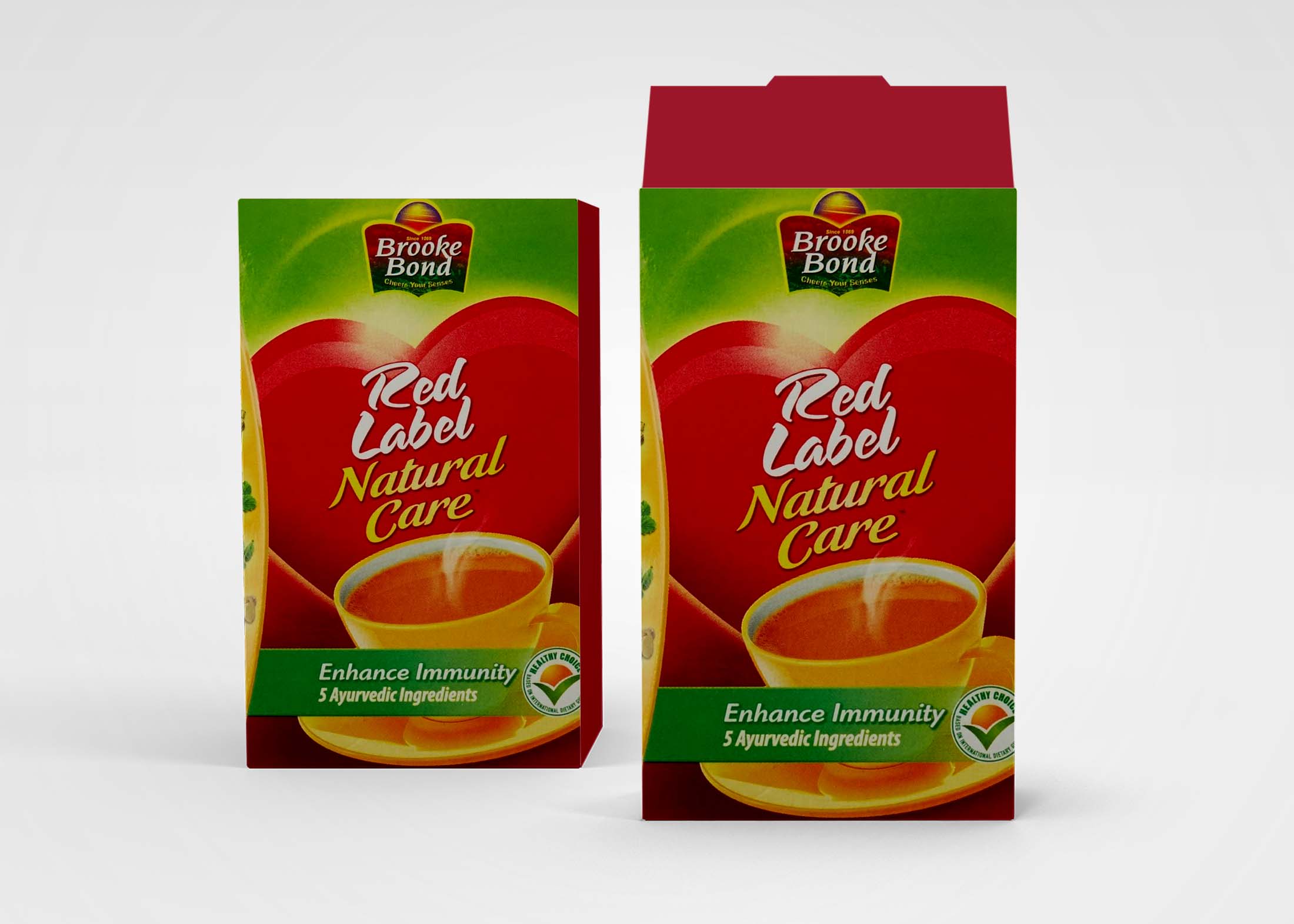
  • Red: Passion, excitement, danger
  • Blue: Trust, calmness, professionalism
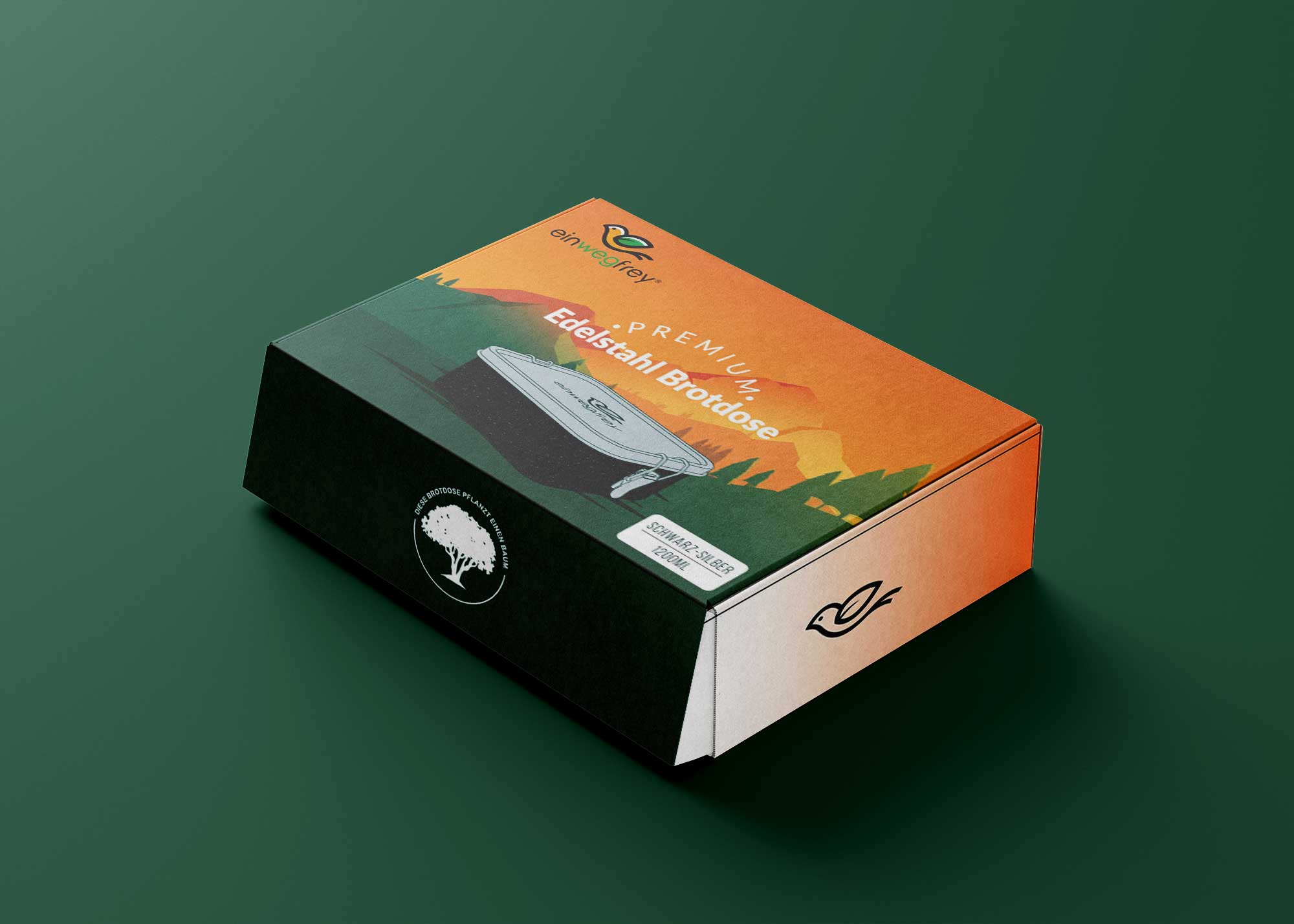
  • Green: Growth, nature, health
  • Yellow: Optimism, energy, happiness
  • Purple: Luxury, creativity, wisdom
  • Black: Sophistication, power, elegance
  • White: Purity, simplicity, innocence

3. Create a Color Palette

Brands should not just focus on a single color but create a cohesive color palette. A well-thought-out palette enhances brand recognition and aesthetic appeal. Consider these steps:

  1. Choose a primary color that reflects your brand’s core values.
  2. Select secondary colors that complement your primary color.
  3. Incorporate neutral colors to balance the palette.
  4. Ensure accessibility by checking contrast ratios.

Sample Color Palette

For a health-focused brand, a sample color palette could include:

  • Primary Color: Green (health, nature)
  • Secondary Colors: Light Blue (calmness) and Yellow (optimism)
  • Neutral Color: White (purity)

4. Test Your Colors

What works on paper might not translate well online or in print. Testing colors is vital to ensure that they resonate with your audience. Here are methods to consider:

  • A/B Testing: Launch multiple versions of your designs with different color schemes.
  • Surveys: Gather feedback from your audience regarding color preferences.
  • Focus Groups: Conduct focus groups to receive in-depth insights.

5. Understand Color Context

The context in which colors are used can alter perceptions. For branding, it’s crucial to consider:

  • Industry Standards: Certain industries have color conventions (e.g., green for eco-friendly brands).
  • Emotional Reactions: The same color can mean different things in different contexts. For example, red can denote love or anger.

Color Context Example

In the food industry, red is commonly used to stimulate appetite, while blue is rarely used as it can suppress hunger.

6. Incorporate Trends Wisely

While it’s important to have a timeless color scheme, being aware of trends can help brands stay relevant. Here are some considerations:

  • Research Emerging Trends: Keep an eye on color trends through industry reports.
  • Brand Consistency: Ensure that the incorporation of trendy colors does not dilute brand identity.

Current Color Trends

The Pantone Color of the Year offers insights into trending colors. As of 2023, living coral has been highlighted for its warm and inviting nature, ideal for brands focusing on creativity and community.

7. Use Colors to Drive Action

Colors in marketing are not just about aesthetics; they can also guide consumer behavior. Consider these strategies:

  • Call to Action (CTA): Use contrasting colors for your CTAs to make them stand out.
  • Emotional Triggers: Employ colors that align with the action you want customers to take. For example, red can evoke urgency.

Color Usage Example in CTAs

For an e-commerce site, using a bright orange for the “Buy Now” button can create a sense of urgency and increase conversion rates.

Conclusion

Color psychology is a powerful tool for brands looking to enhance their visibility and connection with consumers. By understanding audience preferences, leveraging the meanings behind colors, and testing different palettes, brands can craft impactful visual identities that resonate. As trends evolve, staying informed and adaptable will ensure that your brand remains relevant and appealing in the competitive marketplace. Remember, the colors you choose are not just decorative; they are an integral part of your brand’s story.

FAQ

What is color psychology in branding?

Color psychology in branding refers to the study of how colors influence perceptions, emotions, and behaviors toward a brand. It helps businesses choose colors that align with their brand identity and goals.

How does color affect consumer behavior?

Color can significantly impact consumer behavior by evoking emotions and influencing decision-making. For example, warm colors may create feelings of excitement, while cool colors can convey trust and calmness.

What colors are best for attracting customers?

Colors like red, yellow, and orange are often used to grab attention and create urgency, while blue and green can promote relaxation and trust. The best color choice depends on the brand’s message and target audience.

How can I choose the right colors for my brand?

To choose the right colors for your brand, consider your target audience, the emotions you want to evoke, and the message you want to convey. Analyzing competitors and industry trends can also provide valuable insights.

Can color combinations affect brand perception?

Yes, color combinations can significantly affect brand perception. Harmonious color schemes can create a cohesive brand identity, while contrasting colors can enhance visibility and memorability.

Are there cultural differences in color meanings?

Yes, cultural differences can influence how colors are perceived. For instance, while white symbolizes purity in Western cultures, it is associated with mourning in some Eastern cultures. It’s important to consider your audience’s cultural background when choosing colors.