Entering a logo design contest can be an exhilarating experience for designers, offering the chance to showcase creativity and potentially win recognition and rewards. However, succeeding in such a competitive environment requires more than just artistic talent; it demands strategic thinking, understanding of the client’s needs, and effective presentation. This article delves into essential strategies and tips to help you stand out and win a logo design contest.
Understanding the Brief
The first step in creating a compelling logo is to thoroughly comprehend the contest brief. A well-defined brief sets the foundation for your design process.
Key Components of a Good Brief
- Target Audience: Who are you designing for?
- Brand Values: What does the brand stand for?
- Style Preferences: Are there any specific styles or colors to consider?
- Usage: Where will the logo be used?
Spend time analyzing the brief and take notes. Asking clarifying questions can also provide additional insights into the client’s expectations.
Research and Inspiration
Before jumping into design, conducting thorough research is crucial. This not only helps in understanding the industry but also in generating ideas.
Research Techniques
- Industry Analysis: Look at logos from competitors and leaders in the industry.
- Trend Exploration: Explore current design trends that resonate with the brand.
- Visual Inspiration: Use platforms such as Dribbble, Behance, and Pinterest to gather inspiration.
By immersing yourself in research, you can create a logo that is not only unique but also relevant within its context.
Sketching and Concept Development
Once you have a solid understanding of the brief and some inspiration, it’s time to start sketching. This phase is about generating ideas rather than perfecting them.
Effective Sketching Techniques
- Brainstorming: Write down keywords and concepts related to the brand, then sketch quick ideas based on those.
- Mind Mapping: Visualize connections between ideas to explore different avenues.
- Thumbnail Sketches: Create small, rough sketches to brainstorm multiple ideas quickly.
Digital Design and Iteration
After refining your sketches, move to digital design. This stage is where your ideas come to life using design software.
Choosing the Right Tools
| Tool | Description | Best For |
|---|---|---|
| Adobe Illustrator | Industry-standard vector graphic editor. | Professional designers |
| CorelDRAW | A versatile graphic design software. | Logos and vector illustrations |
| Canva | User-friendly online design platform. | Beginners and quick designs |
| Affinity Designer | A powerful alternative to Adobe. | Cost-effective design |
Choosing the right tool can significantly impact your workflow and final output. Make sure to utilize layers, grids, and guides to create balanced and scalable designs.
Color Theory and Typography
Color and typography play vital roles in logo design. They communicate the brand’s personality and impact how the audience perceives the logo.
Understanding Color Psychology
- Red: Passion, energy, action.
- Blue: Trust, calmness, professionalism.
- Green: Growth, health, environmentalism.
- Yellow: Optimism, clarity, warmth.
When selecting colors, it’s essential to consider how they work together. A good practice is to use color schemes such as complementary, analogous, or triadic to create visual harmony.
Font Selection Tips
- Readability: Ensure the font is clear and legible at various sizes.
- Brand Alignment: Choose fonts that reflect the brand’s personality.
- Versatility: Opt for fonts that can be used across different media.
Feedback and Iteration
Once you have a draft of your logo design, seeking feedback is crucial. Constructive criticism can bring to light areas for improvement.
Gathering Feedback Effectively
- Peer Review: Share your design with fellow designers for a fresh perspective.
- Client Input: Present preliminary designs to the client and gather their thoughts.
- Public Polls: Use social media or design platforms to gather opinions from a broader audience.
After receiving feedback, be open to making necessary adjustments. Iteration is key to refining your logo and ensuring it meets all requirements.
Presentation and Submission
How you present your logo is as important as the design itself. A well-crafted presentation can elevate your design and impress judges.
Creating an Effective Presentation
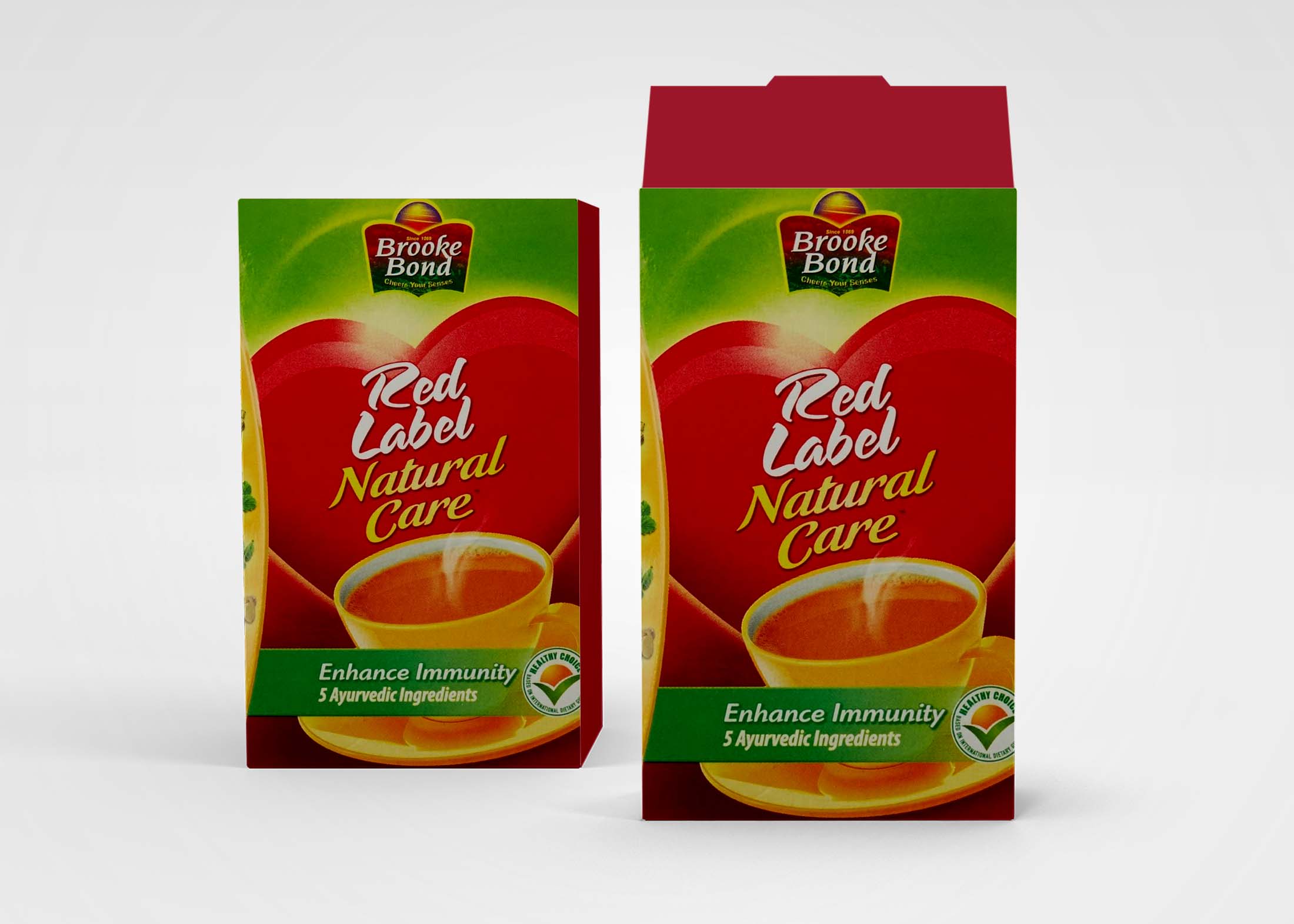
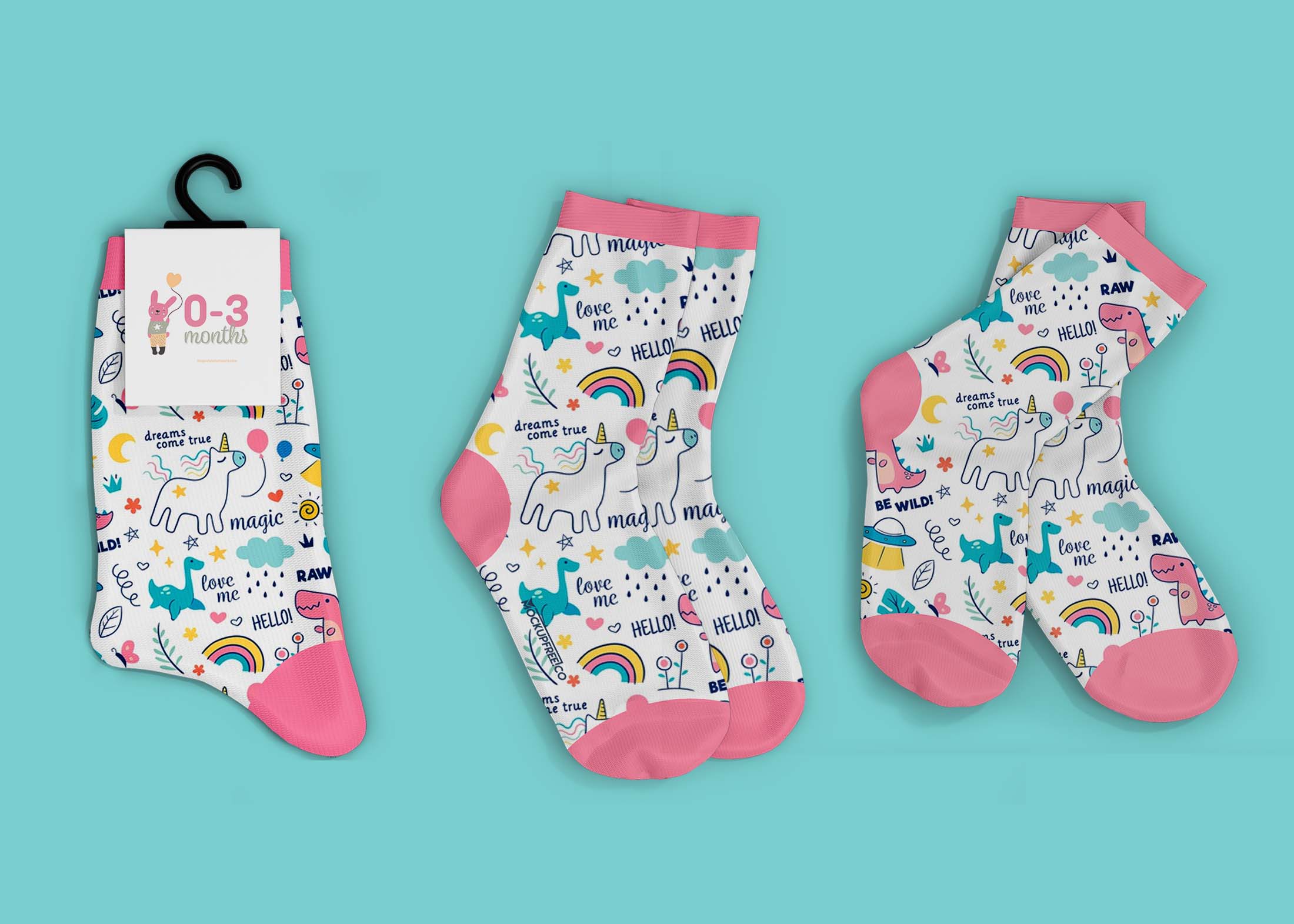
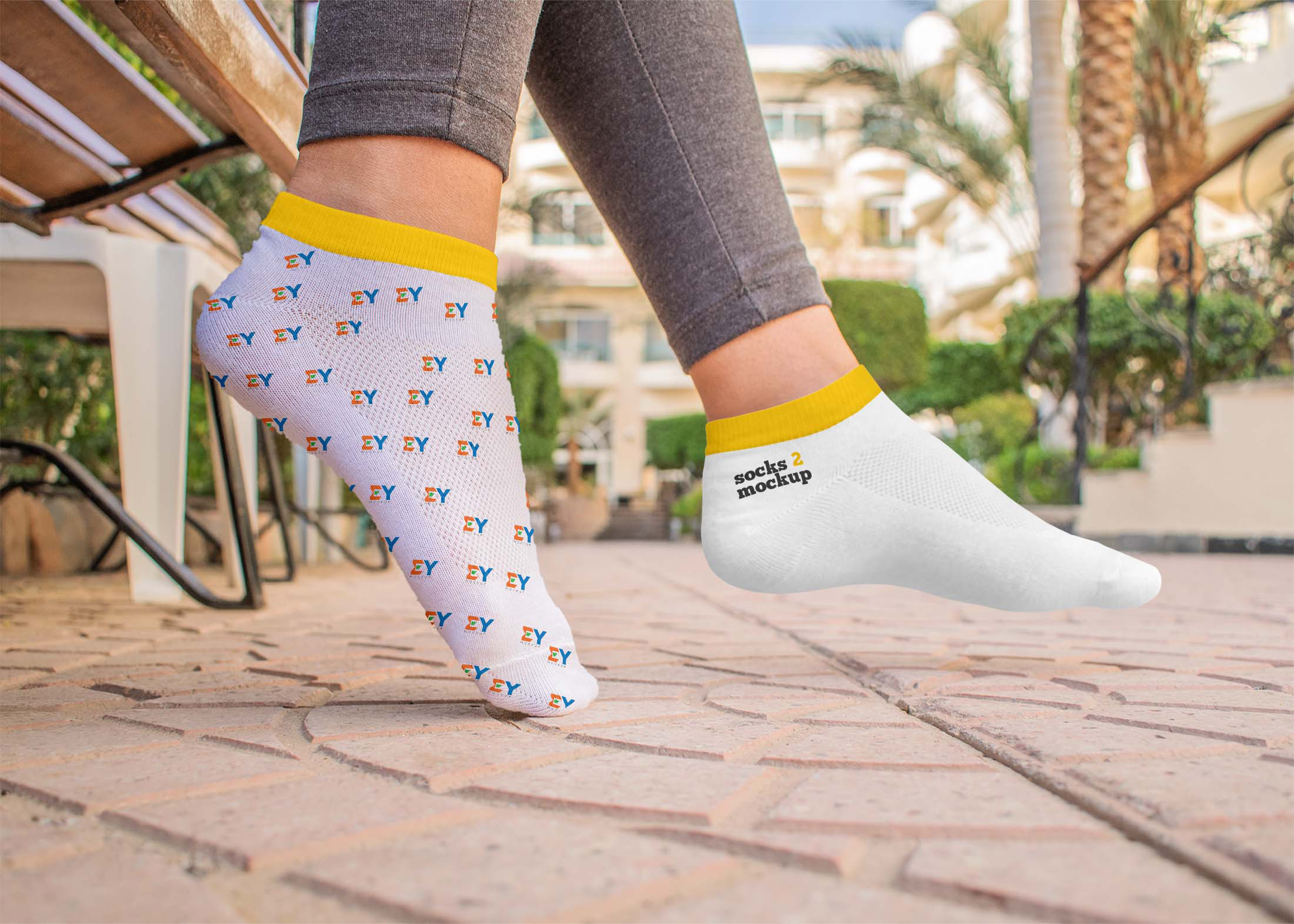
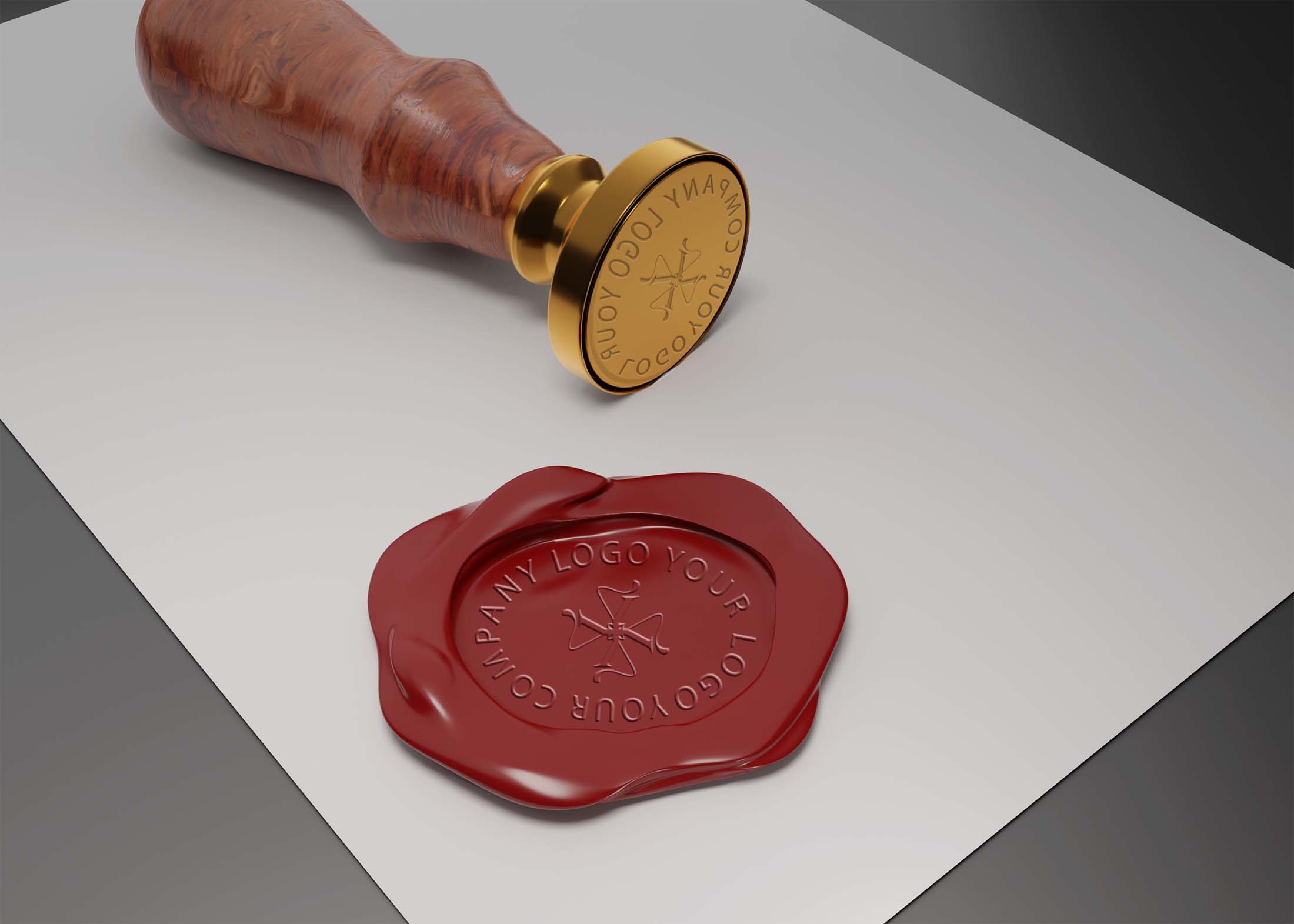
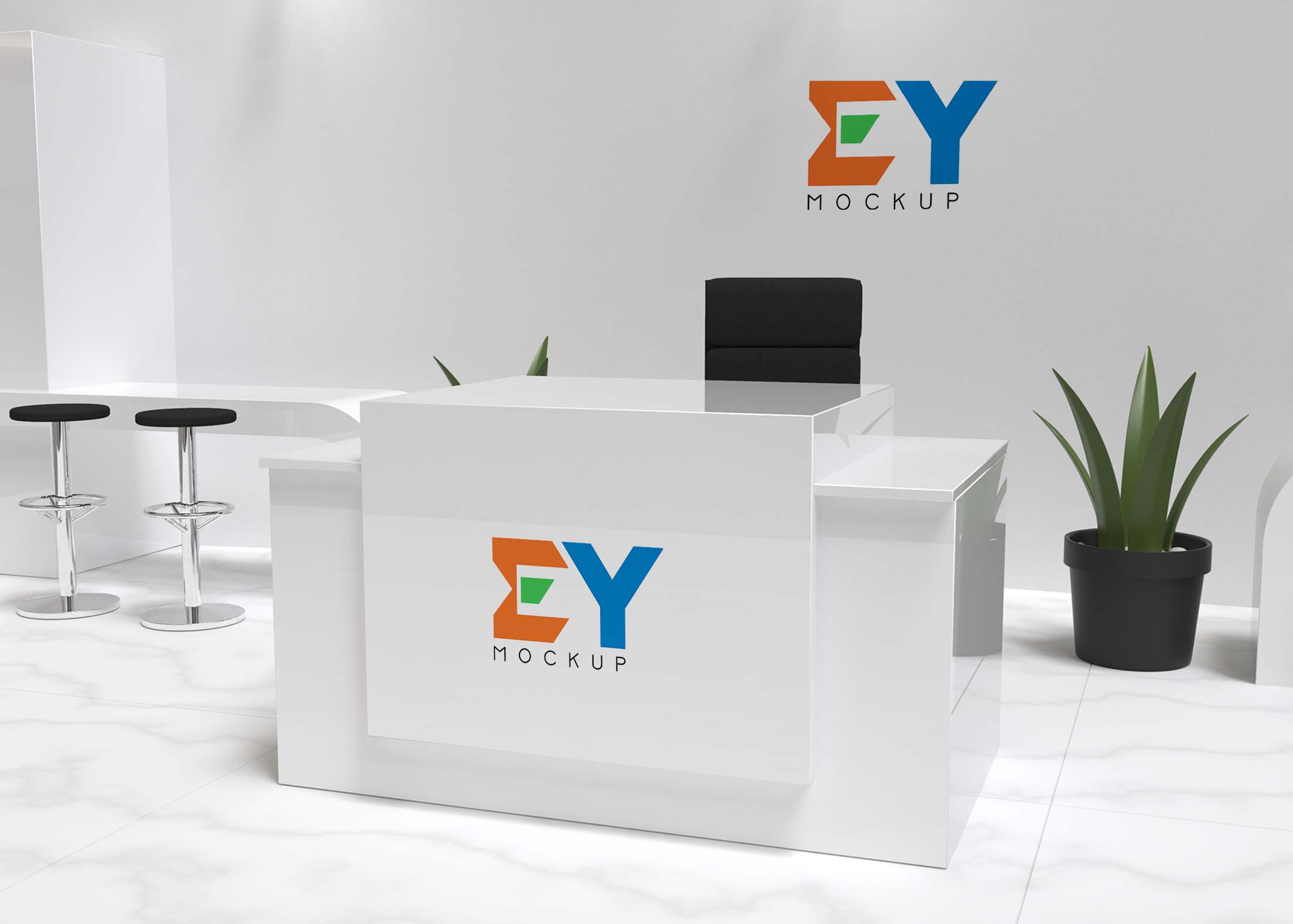
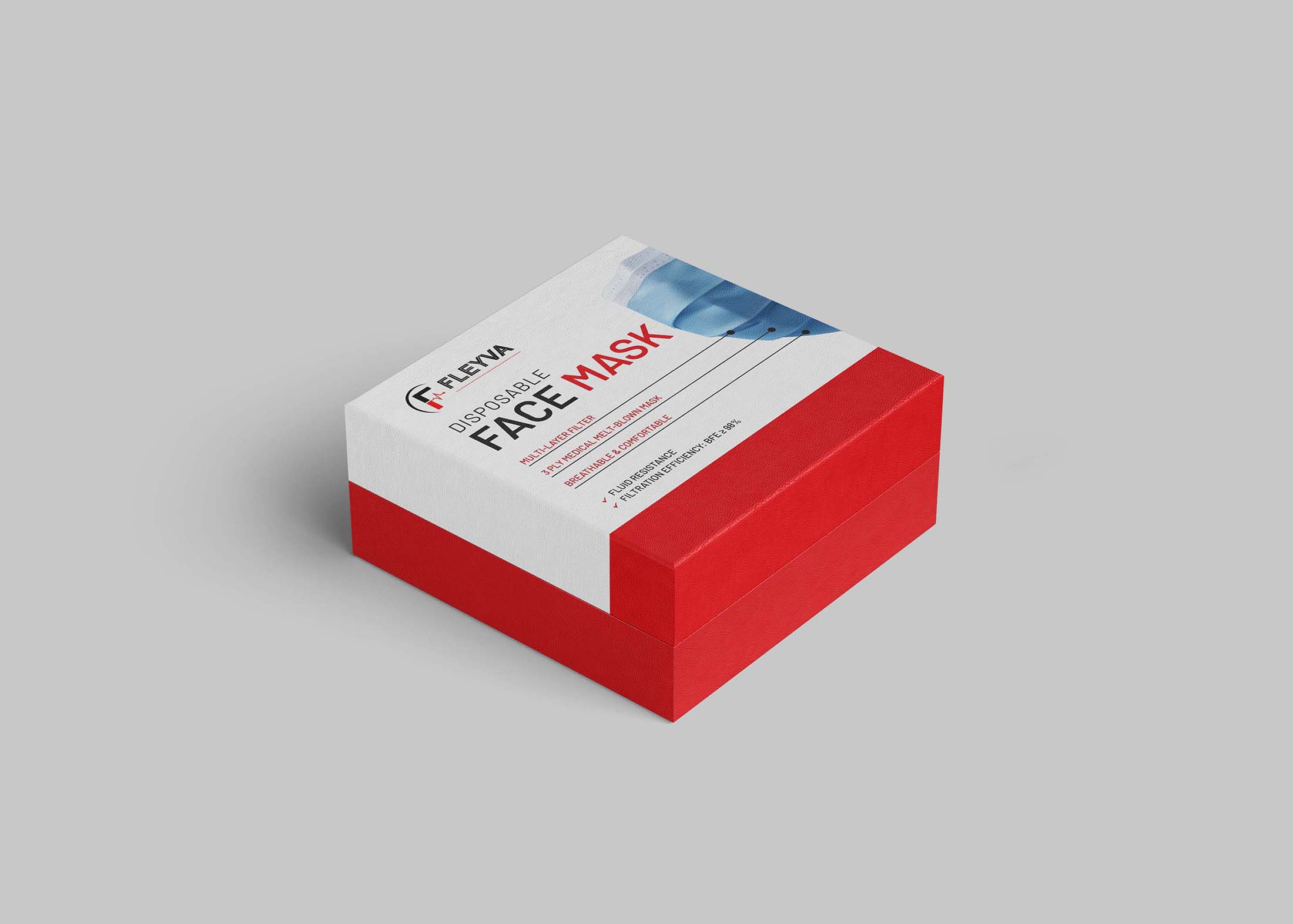
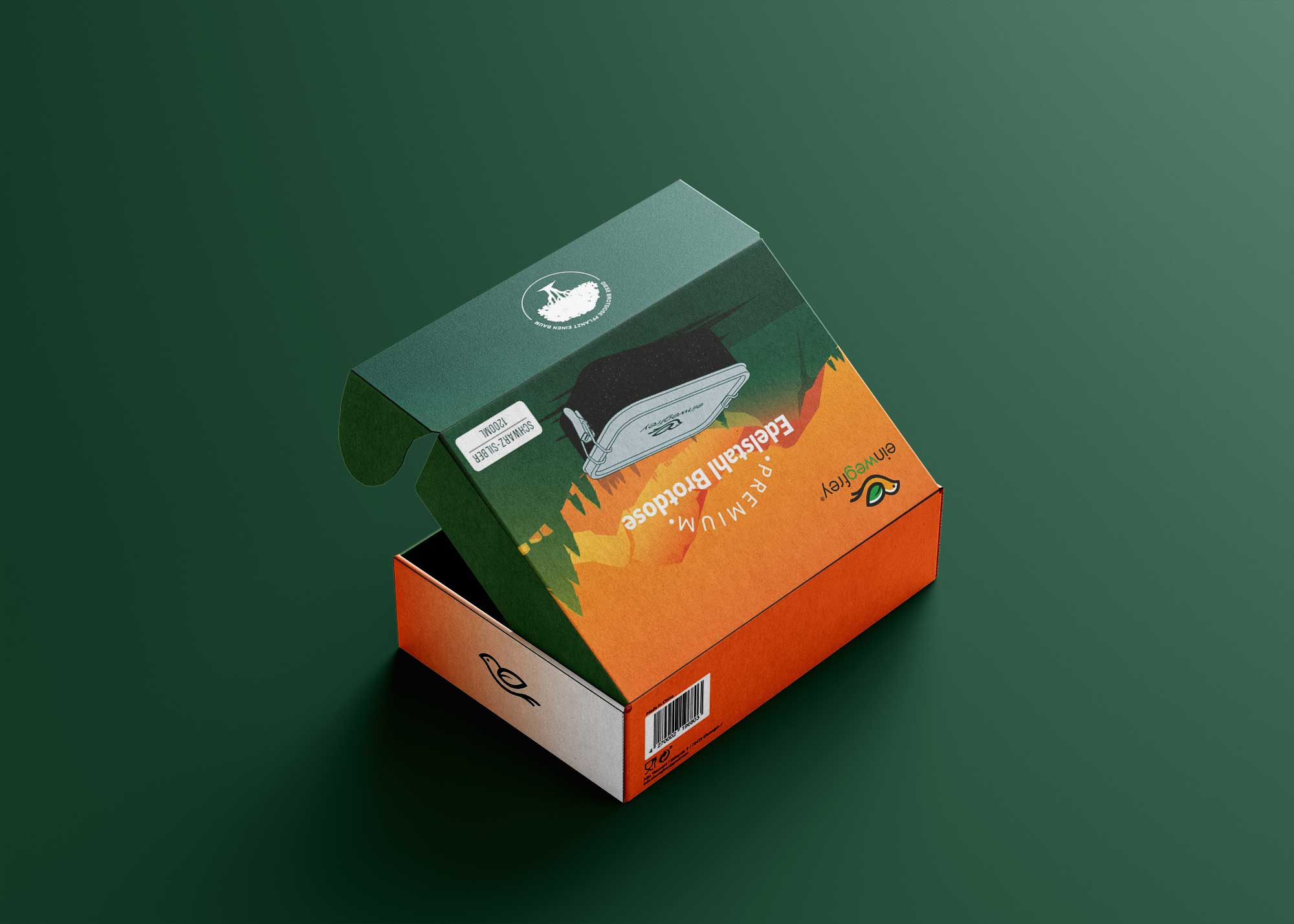
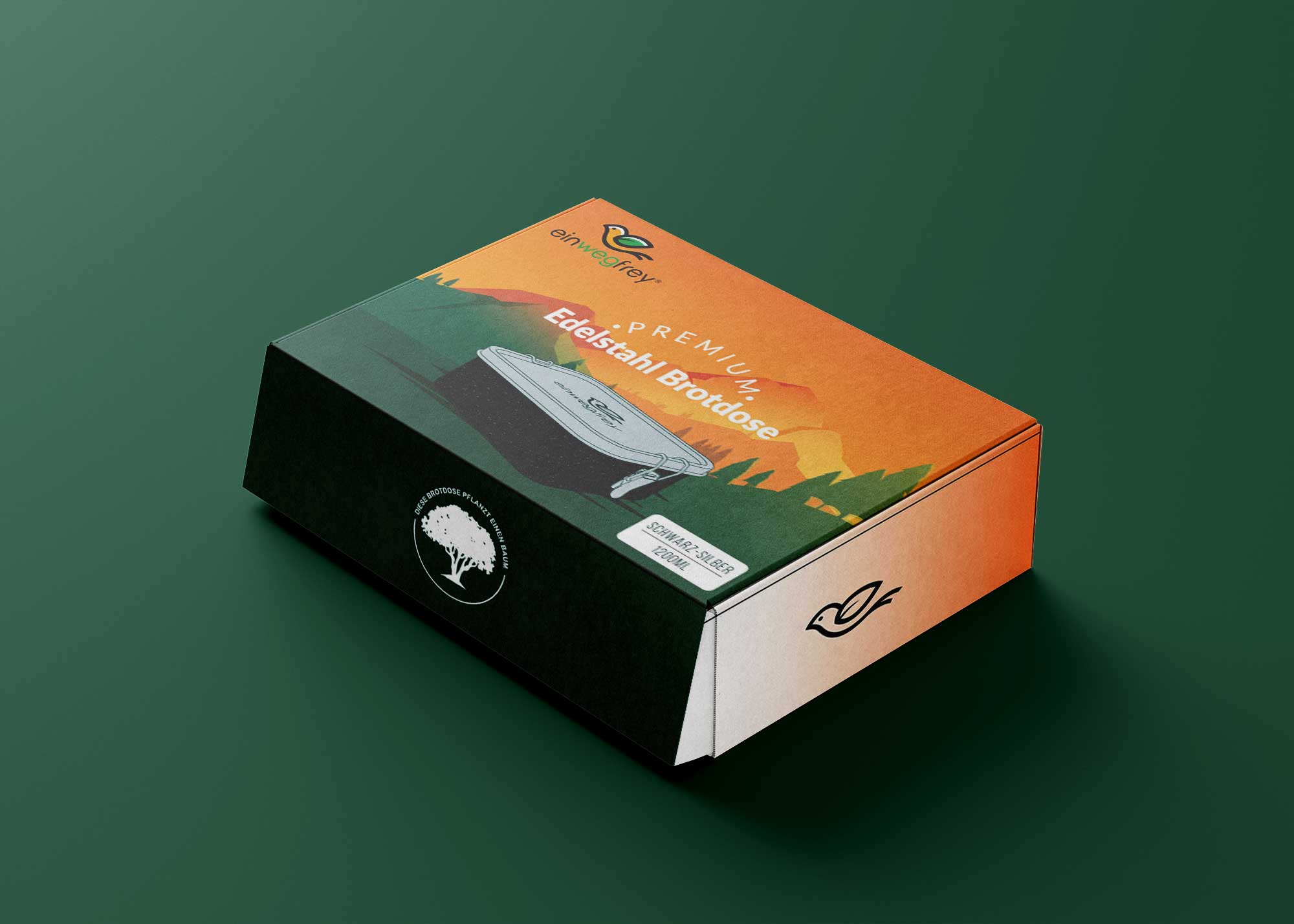
- Mockups: Show your logo in context with realistic mockups (e.g., business cards, websites).
- Rationale: Explain the thought process behind your design choices.
- Formats: Provide the logo in various formats (e.g., JPG, PNG, SVG).
Ensure that your submission follows the contest guidelines regarding file formats and dimensions. A professional presentation can make a significant difference.
Conclusion
Winning a logo design contest is a blend of creativity, strategic thinking, and effective presentation. By understanding the brief, conducting thorough research, embracing feedback, and presenting your work professionally, you can enhance your chances of success. Remember, every contest is a learning opportunity, so even if you don’t win, the experience gained is invaluable for your growth as a designer.
FAQ
What are the key strategies to win a logo design contest?
To win a logo design contest, focus on understanding the client’s brief, researching competitors, creating unique and memorable designs, and ensuring your submission is polished and professional.
How important is creativity in logo design contests?
Creativity is crucial in logo design contests, as it helps your design stand out. Strive for originality while ensuring the design aligns with the brand’s identity.
Should I include a design rationale when submitting my logo?
Yes, including a design rationale is beneficial. It explains your thought process and how your design meets the client’s needs, giving judges insight into your creative choices.
What tools or software are recommended for creating logos?
Popular tools for logo design include Adobe Illustrator, CorelDRAW, and Sketch. These programs offer advanced features for creating high-quality vector graphics.
How can I gather feedback on my logo design before submission?
You can gather feedback by sharing your design with peers, using online design communities, or participating in forums to get constructive criticism and improve your work.
What common mistakes should I avoid in a logo design contest?
Avoid common mistakes such as ignoring the brief, overcomplicating the design, using too many colors, and failing to ensure scalability for various applications.