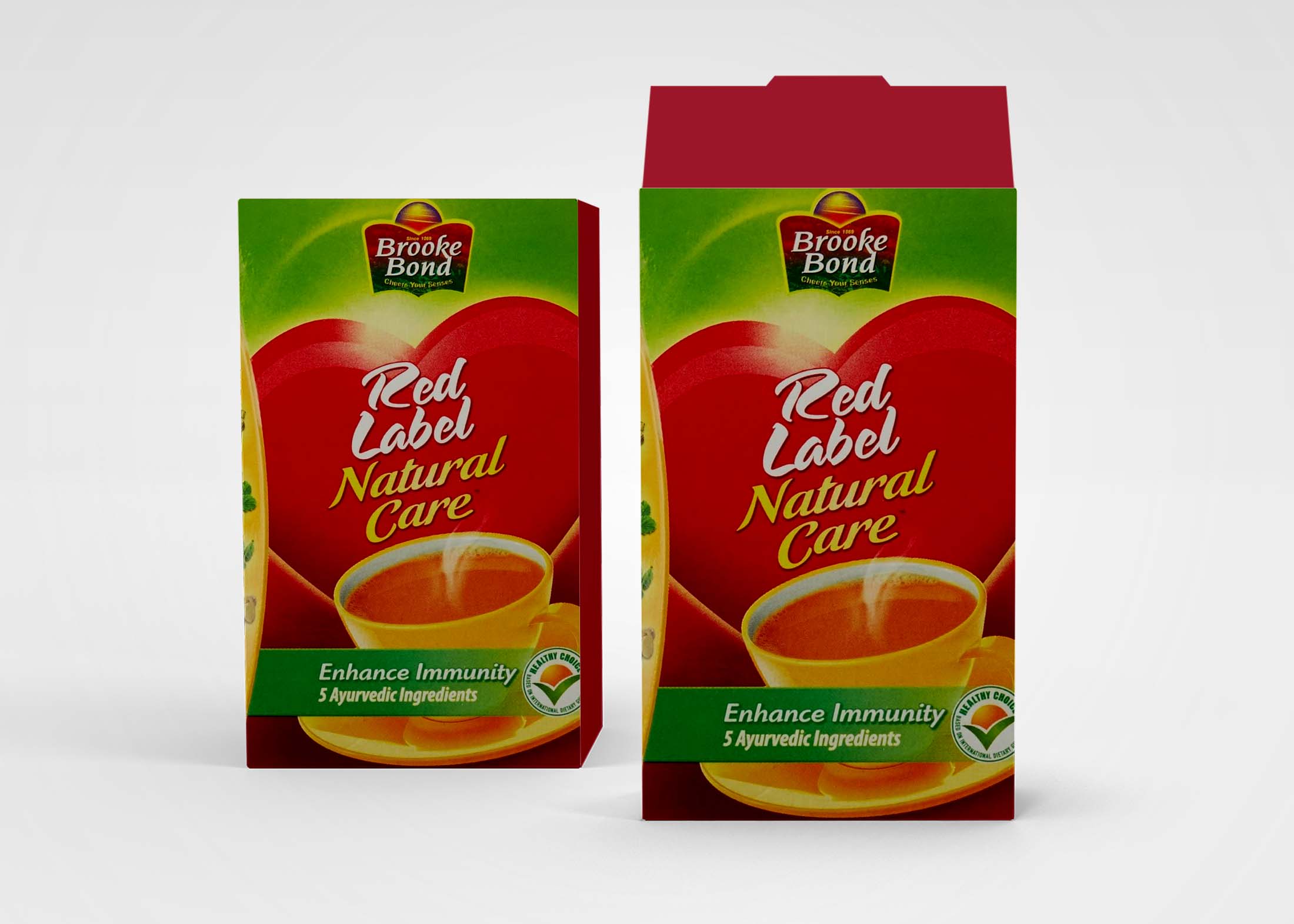
In today’s visually driven world, a logo serves as the face of a brand. It’s the first impression customers get and often determines their perception of a company. A good logo is memorable, versatile, and timeless. For those in the design space or looking to refresh their brand’s identity, here are some powerful logo design ideas that can inspire your creative process.
1. Minimalism is Key
Minimalistic designs focus on simplicity and clarity, often using fewer colors and shapes to convey the essence of a brand. This approach makes a logo easily recognizable and versatile across different media.
Examples of Minimalist Logos
- Apple
- Nike
- Adidas
2. Geometric Shapes
Geometric designs can create a sense of stability and structure. Using triangles, circles, and squares can help in forming a distinctive logo that stands out. These shapes can also symbolize various qualities such as unity, balance, and strength.
Benefits of Geometric Logos
- Visually appealing
- Easy to reproduce
- Timeless quality
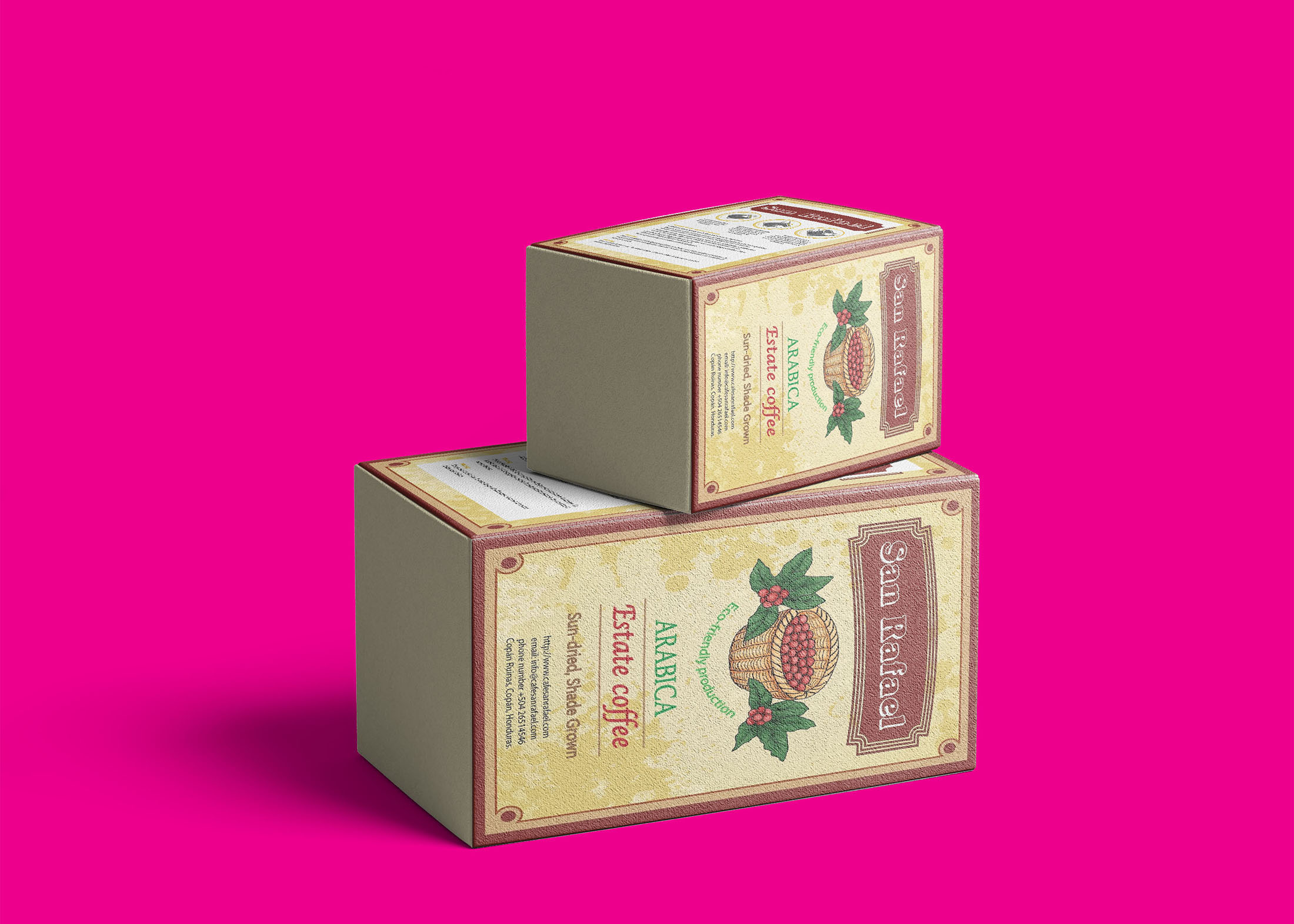
3. Vintage & Retro Styles
Incorporating vintage elements can evoke nostalgia and connect with consumers on an emotional level. A retro logo can make a brand feel established and trustworthy.
Key Elements of Vintage Logos
- Classic typography
- Muted color palettes
- Textures and patterns
4. Typographic Logos
Logos that primarily rely on text can be incredibly powerful. A unique font or creative typography can transform a simple brand name into an iconic logo.
Types of Typographic Logos
| Type | Description |
|---|---|
| Wordmark | Uses the brand name as the logo (e.g., Google). |
| Lettermark | Utilizes initials (e.g., IBM). |
| Combination Mark | Mixes text with an icon (e.g., Adidas). |
5. Abstract Designs
Abstract logos consist of unique shapes that don’t represent recognizable objects but instead communicate brand values and concepts. This style provides a wide range of creative opportunities.
Advantages of Abstract Logos
- Highly unique
- Versatile
- Allows for broad interpretation
6. Mascots and Characters
Creating a character or mascot as a logo can give a friendly face to a brand. This approach is particularly effective for brands targeting families or younger audiences.
Successful Mascot Logos
- Michelin Man
- Pillsbury Doughboy
- Colonel Sanders
7. Use of Negative Space
Logos that creatively utilize negative space can be incredibly clever and memorable. These logos play with the background and foreground to create double meanings or hidden images.
Famous Examples of Negative Space
- FedEx (the arrow)
- Baskin-Robbins (the 31)
- Spartan Golf Club (the golfer)
8. Color Psychology
Colors can have a significant impact on how a brand is perceived. Understanding color psychology is crucial in logo design. Different colors evoke different emotions and associations.
Common Color Associations
| Color | Emotion/Association |
|---|---|
| Red | Passion, energy |
| Blue | Trust, tranquility |
| Green | Growth, nature |
| Yellow | Happiness, creativity |
9. Dynamic Logos
A dynamic logo is adaptable and can change appearance based on context or usage. This modern approach allows brands to stay relevant and engaging in a fast-paced digital world.
Characteristics of a Dynamic Logo
- Flexibility
- Multiple variations
- Contextual adaptability
10. 3D and Motion Logos
Incorporating 3D elements or animations can add a unique flair to logos, making them more engaging in digital formats. These modern logos can convey depth and a sense of innovation.
Where to Use 3D and Motion Logos
- Websites
- Social Media
- Advertisements
In conclusion, whether you’re designing a new logo or refreshing an existing one, these powerful design ideas can elevate your brand identity. A well-thought-out logo not only represents a brand aesthetically but also communicates its values and mission. Embracing creativity and innovation in logo design can lead to a lasting impression in the minds of consumers.
FAQ
What are some effective logo design ideas?
Consider using negative space, geometric shapes, vintage styles, minimalism, or custom typography to create a powerful logo.
How can color influence my logo design?
Colors evoke emotions and convey messages; choose colors that align with your brand values and target audience.
Why is simplicity important in logo design?
A simple logo is more memorable, versatile, and adaptable across various platforms and sizes.
What role does typography play in logo design?
Typography can communicate your brand personality; choose fonts that reflect your brand’s tone and are legible in different sizes.
How can I ensure my logo stands out from competitors?
Research competitors, identify unique elements of your brand, and incorporate distinctive features in your logo design.
What are the latest trends in logo design?
Current trends include responsive logos, hand-drawn elements, and the use of gradient colors to create depth and dimension.