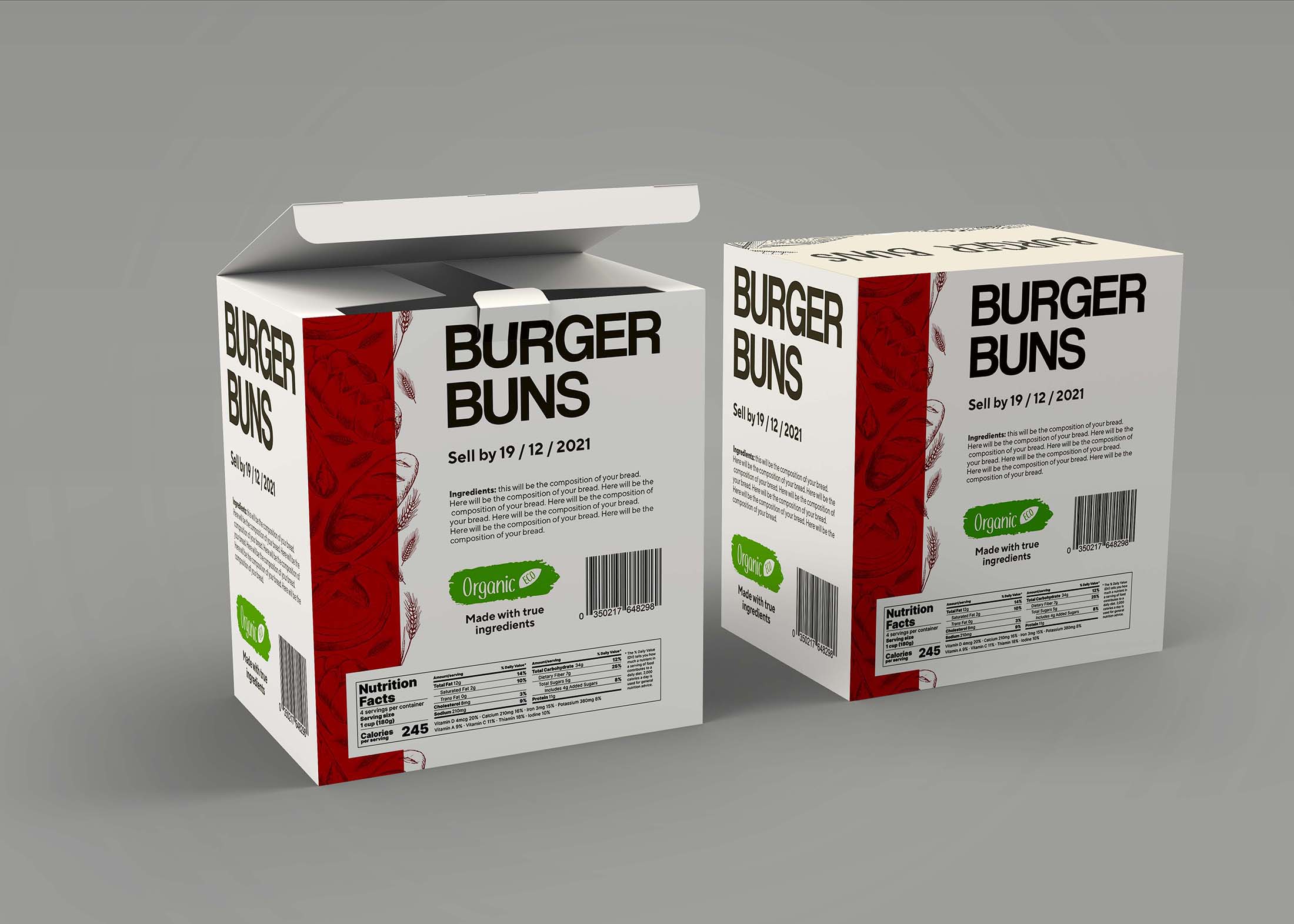
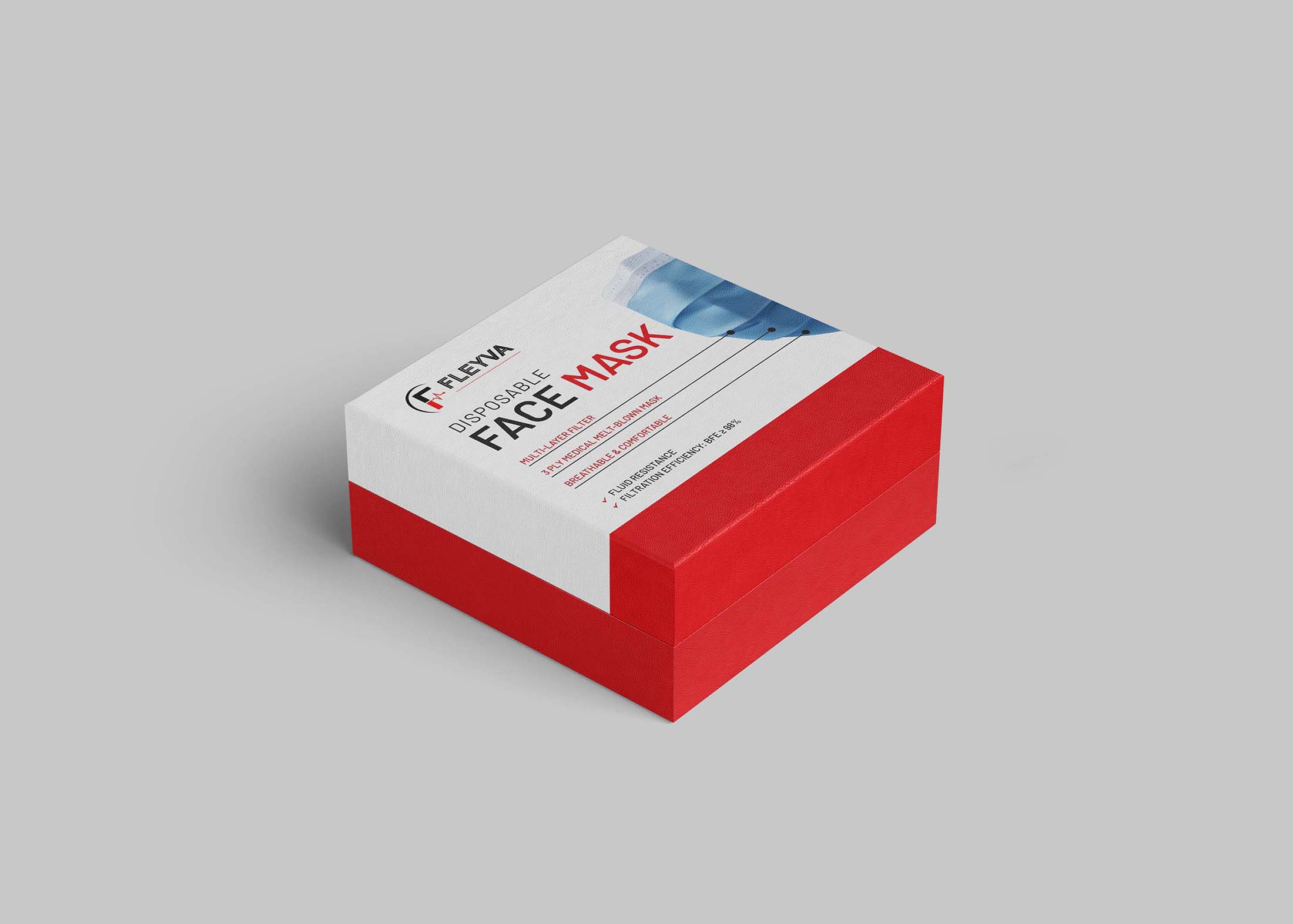
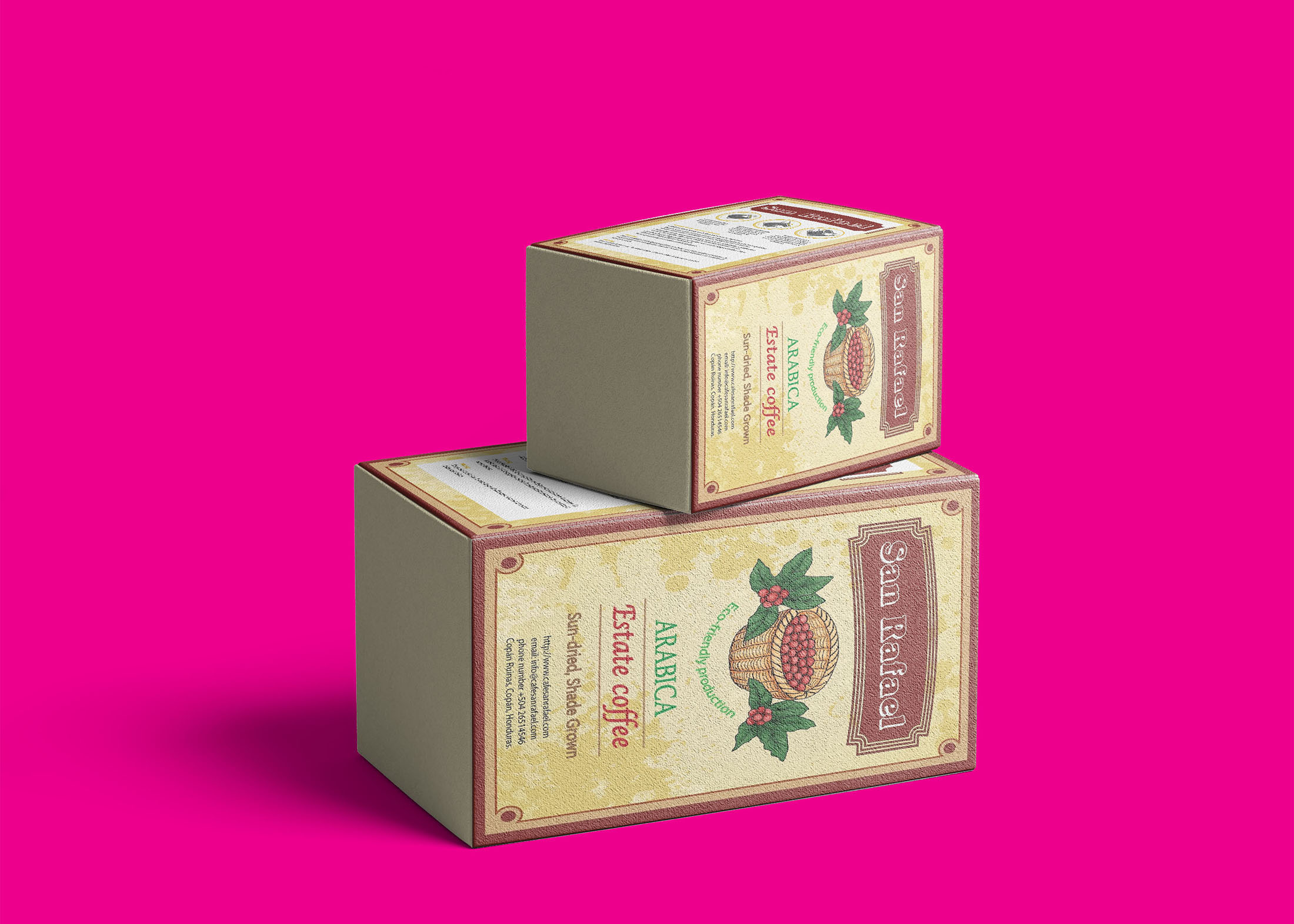
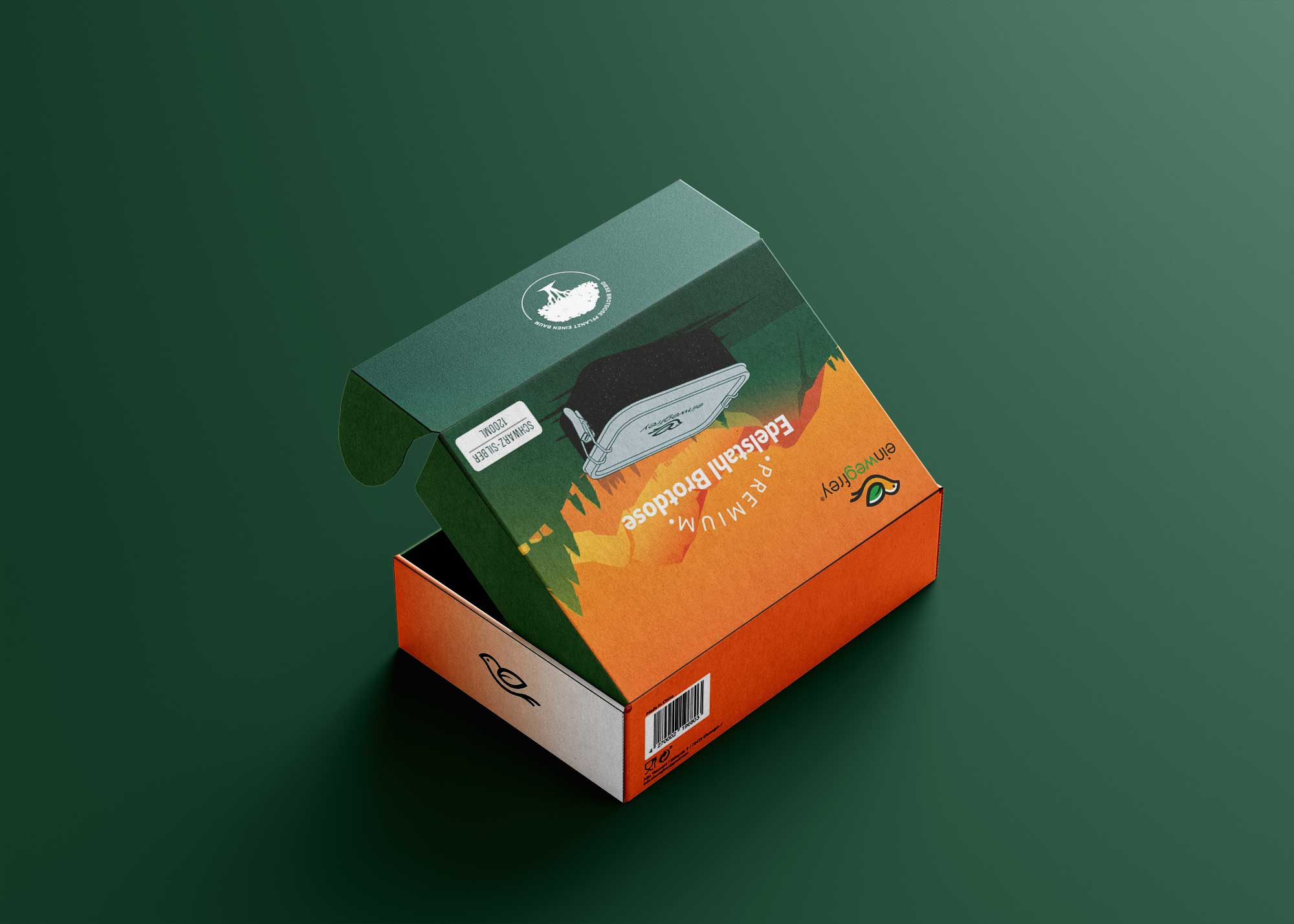
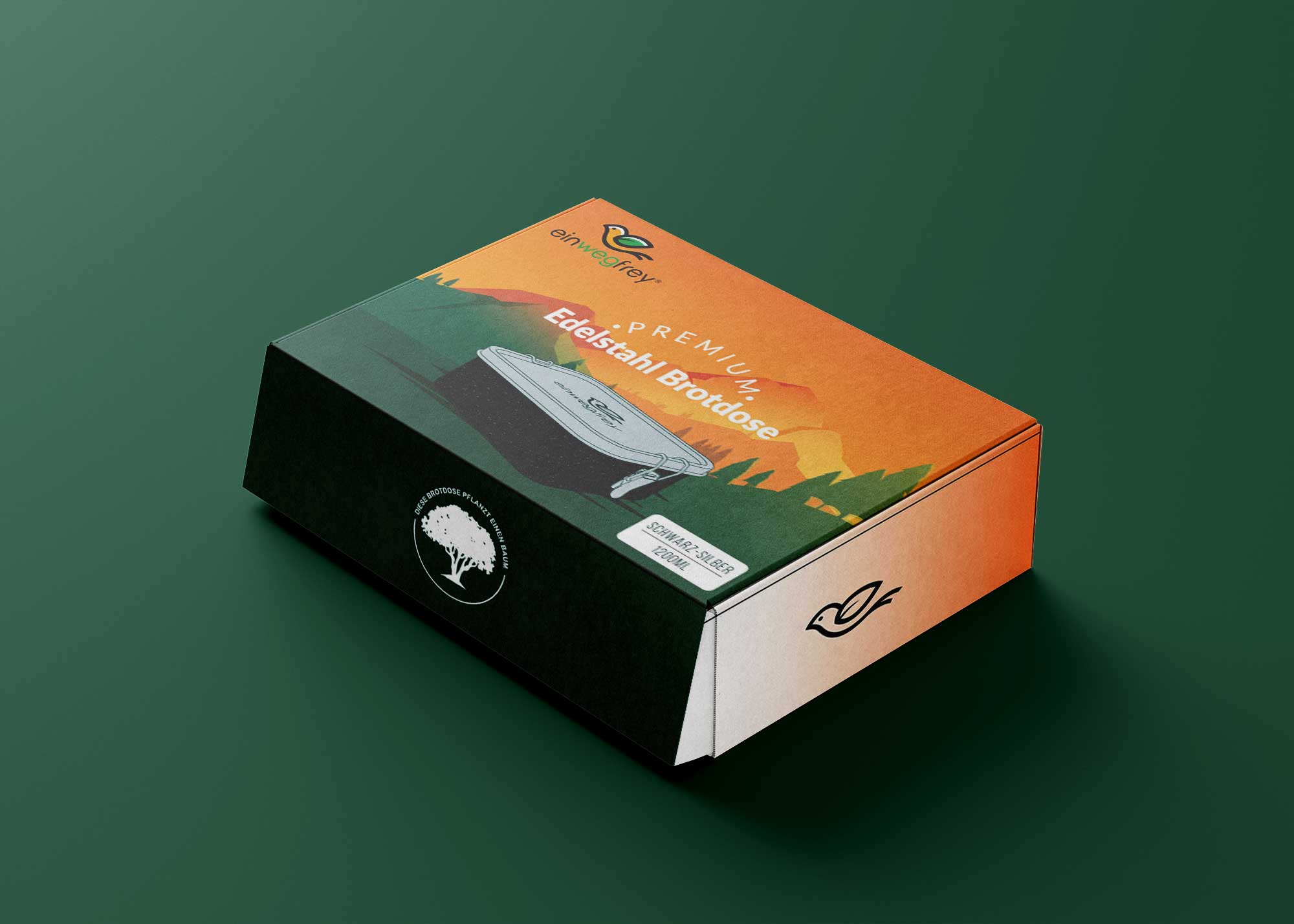
Creating a modern logo that stands out in a crowded marketplace is both an art and a science. The logo serves as the visual representation of a brand, encapsulating its identity, values, and purpose in a single image. A well-designed logo enhances brand recognition, fosters trust, and can significantly impact a company’s perception among consumers. In this article, we’ll delve into the essentials of logo design, exploring the key elements that contribute to a memorable and effective logo.
Understanding the Importance of Logo Design
Logos are universally recognized symbols that can convey a message without the need for words. Here are some reasons why a strong logo is vital for your brand:
- Brand Identity: A logo is often the first thing people see when they encounter a brand. It sets the tone for their experience.
- Memorability: An effective logo is easy to remember, helping consumers recognize your brand over time.
- Trust and Credibility: A professional-looking logo can foster trust and convey credibility in your industry.
- Differentiation: A unique logo helps distinguish your brand from competitors, making it easier for consumers to choose you.
Key Elements of a Modern Logo
When designing a logo, several elements must align to create a cohesive and appealing image. Here are the primary aspects to consider:
1. Simplicity
Modern logos often embrace simplicity, focusing on clean lines and minimalistic designs. This can foster greater recognition and versatility.
- Use a limited color palette.
- Avoid overly complex shapes and details.
- Prioritize clarity and readability.
2. Color Psychology
The colors you choose for your logo significantly impact perception. Different colors evoke various emotions and associations:
| Color | Emotion |
|---|---|
| Red | Passion, energy, urgency |
| Blue | Trust, dependability, calm |
| Green | Growth, health, tranquility |
| Yellow | Optimism, clarity, warmth |
| Purple | Luxury, creativity, mystery |
3. Typography
The typeface used in a logo can convey a lot about a brand’s personality. Here are some tips for selecting typography:
- Choose Legible Fonts: Ensure that your font is readable at different sizes.
- Match the Brand’s Personality: Use bold fonts for a strong, modern feel or serif fonts for a more traditional look.
- Limit Font Usage: Stick with one or two fonts to maintain a clean appearance.
Steps to Create a Standout Logo
Designing a standout logo involves a structured approach. Follow these steps to create a logo that truly represents your brand:
Step 1: Research and Inspiration
Before diving into the design, gather inspiration and conduct research:
- Analyze competitors’ logos to identify trends.
- Explore design platforms like Behance or Dribbble for creative ideas.
- Compile a mood board to visualize your brand identity.
Step 2: Sketch and Conceptualize
Begin sketching your ideas on paper or a digital tool:
- Start with rough sketches to explore different concepts.
- Focus on shapes, symbols, and typography that resonate with your brand.
- Refine your sketches to develop viable concepts.
Step 3: Digital Design
Once you have a few strong concepts, move to digital design:
- Use design software like Adobe Illustrator or Canva.
- Experiment with colors, fonts, and layouts.
- Create variations of your logo to see which option resonates best.
Step 4: Solicit Feedback
Gather feedback from peers, stakeholders, and target customers:
- Conduct surveys to gauge reactions to different designs.
- Ask specific questions about color, clarity, and overall appeal.
- Be open to constructive criticism; this can lead to vital improvements.
Step 5: Finalize and Deliver
After refining your logo based on feedback, finalize your design:
- Create different versions for various applications (e.g., color, monochrome, PNG, SVG).
- Prepare a style guide to ensure consistent branding across all platforms.
- Test your logo in real-world scenarios to ensure versatility and effectiveness.
Common Mistakes to Avoid
Even seasoned designers can fall into common pitfalls. Here are mistakes to avoid:
- Overcomplicating the Design: Keep it simple. Less is often more in modern logo design.
- Ignoring Scalability: Ensure your logo looks good at any size, from business cards to billboards.
- Following Trends Blindly: While trends can inspire, your logo should have a timeless quality.
- Neglecting Feedback: Failing to gather input can result in a logo that doesn’t resonate with your target audience.
Conclusion
A modern logo is a powerful tool for any brand, encapsulating its essence and making a lasting impression. By focusing on simplicity, color psychology, and effective typography, and following a structured design process, you can create a logo that stands out and represents your brand’s identity. Remember to avoid common mistakes and be open to feedback throughout the design process. With careful consideration and creativity, your logo can become a recognizable symbol of your brand’s vision and mission.
FAQ
What are the key elements of a modern logo design?
Key elements include simplicity, versatility, relevance, and memorable aesthetics that reflect the brand’s identity.
How can I ensure my logo design stands out in a crowded market?
Focus on originality, use unique color palettes, and incorporate distinctive typography to differentiate your logo from competitors.
What tools can I use to create a modern logo?
You can use graphic design software like Adobe Illustrator, Canva, or online logo makers such as Looka and Hatchful.
How important is color choice in modern logo design?
Color choice is crucial as it evokes emotions and communicates brand values. Choose colors that align with your brand’s personality and target audience.
Should I hire a professional designer or create my own logo?
It depends on your budget and design skills. Hiring a professional ensures a polished result, while DIY options can be cost-effective for startups.
What makes a logo timeless?
A timeless logo features classic design elements, remains relevant over time, and avoids trendy styles that may quickly become outdated.