In today’s competitive marketplace, establishing a strong brand identity is more crucial than ever. A well-defined brand identity not only helps in distinguishing a company from its competitors but also fosters customer loyalty and trust. Whether you are a startup looking to make your mark or an established business aiming to rebrand, utilizing the right tools can significantly streamline the process of brand identity development. This article explores five powerful tools that can help brands create a distinctive identity that resonates with their target audience.
1. Canva
Canva is a versatile graphic design platform that empowers users to create stunning visuals for their brand. With an easy-to-use interface and a plethora of templates, Canva is ideal for both marketing professionals and beginners.
Key Features:
- Intuitive Design Interface: Drag-and-drop functionality allows for easy customization.
- Pre-designed Templates: Choose from thousands of templates for social media, presentations, and marketing materials.
- Brand Kit: Upload your brand’s logos, colors, and fonts for consistent branding.
Canva’s collaborative features also make it easier for teams to work together on design projects. By utilizing Canva, brands can ensure that their visuals align with their brand identity, creating a cohesive look across different platforms.
2. Adobe Spark
Adobe Spark is another powerful tool for creating graphics, web pages, and video stories that can enhance your brand’s identity. It is particularly beneficial for marketing campaigns where storytelling is essential.
Key Features:
- High-Quality Templates: Access professionally designed templates that elevate your content.
- Brand Customization: Create a unique brand style with custom fonts, logos, and colors.
- Video Creation: Craft engaging video stories that can captivate your audience.
Adobe Spark’s ease of use combined with powerful features makes it an invaluable asset for brands looking to tell their story visually while maintaining brand integrity.
3. Brandfolder
A robust digital asset management tool, Brandfolder helps businesses manage, share, and distribute their brand assets efficiently. It serves as a centralized hub for all brand-related materials.
Key Features:
- Asset Organization: Easily categorize and tag assets for quick access.
- Usage Analytics: Track how and where brand assets are being used across different platforms.
- Collaborative Tools: Share assets with stakeholders and gather feedback seamlessly.
With Brandfolder, companies can maintain brand consistency across various channels, ensuring that all materials adhere to established guidelines.
4. Looka
Looka is an AI-powered logo design tool that helps entrepreneurs and small businesses create a professional logo quickly and affordably. A strong logo is essential to brand identity as it’s often the first element that customers notice.
Key Features:
- AI-Driven Design: Input your preferences, and Let Looka generate logo options tailored to your style.
- Brand Guidelines: Receive a complete brand kit that includes logos, color palettes, and fonts.
- Easy Editing: Modify your logo until it fits your vision perfectly.
The ability to generate multiple logo concepts in minutes makes Looka an attractive option for businesses eager to establish their brand identity without breaking the bank.
5. Google Fonts
Typography is a crucial aspect of brand identity that is often overlooked. Google Fonts offers a vast collection of free fonts that can help brands find the perfect typeface to represent their identity effectively.
Key Features:
- Extensive Font Library: Access thousands of fonts for various design needs.
- Web-Friendly Options: Easily integrate fonts into your website or application.
- Comprehensive Style Guide: Find font pairings and style suggestions to maintain consistency.
Choosing the right fonts can set the tone for all brand communications, making Google Fonts an essential tool for any brand looking to solidify its identity.
Conclusion
The development of a brand identity is a multifaceted process that requires careful consideration and the right tools. By leveraging tools like Canva, Adobe Spark, Brandfolder, Looka, and Google Fonts, businesses can create a powerful and cohesive brand identity that resonates with their audience. Remember, a strong brand identity is not just about aesthetics; it’s about creating meaningful connections with customers that lead to lasting loyalty and engagement.
Additional Tips for Brand Identity Development
Beyond utilizing the tools listed above, consider the following strategies for enhancing your brand identity:
- Conduct Market Research: Understand your target audience and competitors.
- Develop a Unique Value Proposition: Clearly articulate what makes your brand different.
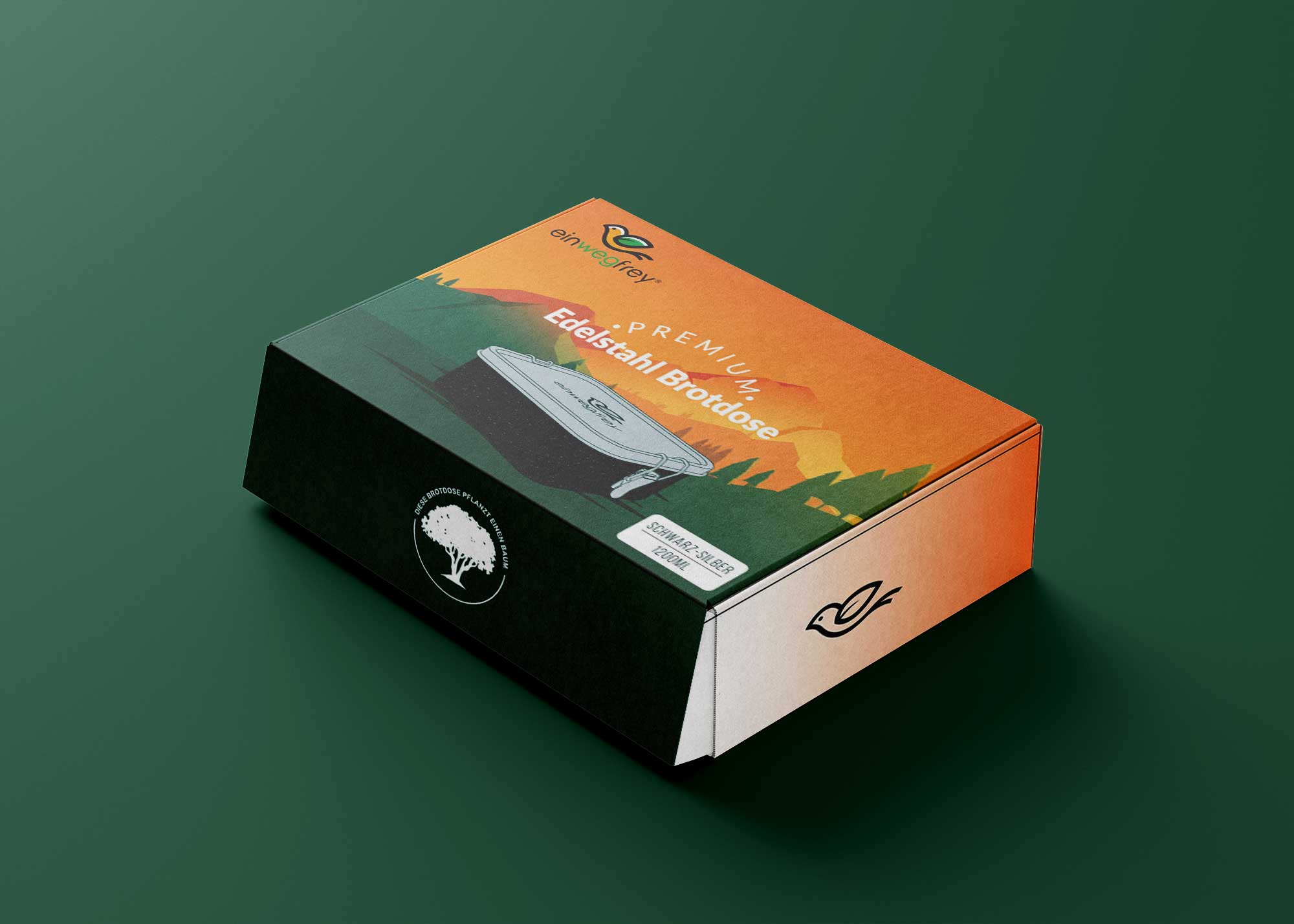
- Be Consistent: Ensure that all brand materials reflect your identity, from social media to packaging.
- Engage with Your Audience: Use social media and other platforms to create a dialogue with customers.
- Review and Revise: Periodically assess your brand identity and make adjustments as needed.
By combining these strategies with the right tools, you can establish a strong brand identity that stands the test of time.
FAQ
What is brand identity development?
Brand identity development is the process of creating and defining the visual and emotional aspects of a brand that differentiate it from competitors, including logos, colors, typography, and messaging.
Why is brand identity important for businesses?
Brand identity is essential as it helps establish a unique presence in the market, builds customer loyalty, and communicates the brand’s values and mission effectively.
What are the key elements of a strong brand identity?
Key elements of a strong brand identity include a memorable logo, consistent color palette, distinct typography, a coherent brand voice, and clear messaging that resonates with the target audience.
How can I develop my brand identity using tools?
You can develop your brand identity using tools such as graphic design software, brand style guides, social media platforms for audience engagement, market research tools, and customer feedback systems.
What are some popular tools for creating a brand identity?
Popular tools for creating a brand identity include Canva for graphic design, Adobe Creative Suite for professional design work, LogoMaker for logo creation, and Brandfolder for managing brand assets.
How often should I update my brand identity?
You should consider updating your brand identity every few years or when significant changes occur in your business model, target audience, or market trends to remain relevant and appealing.