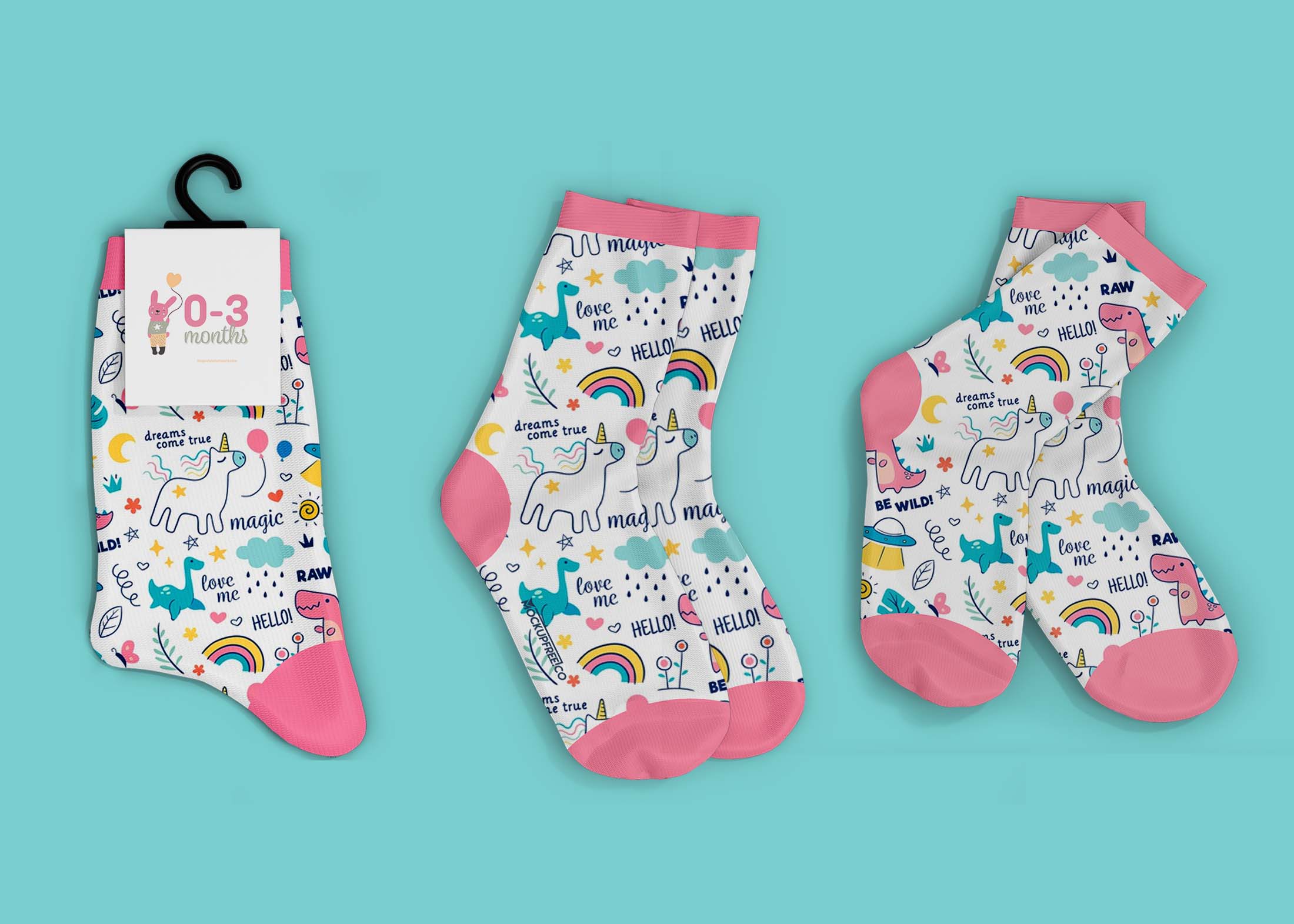
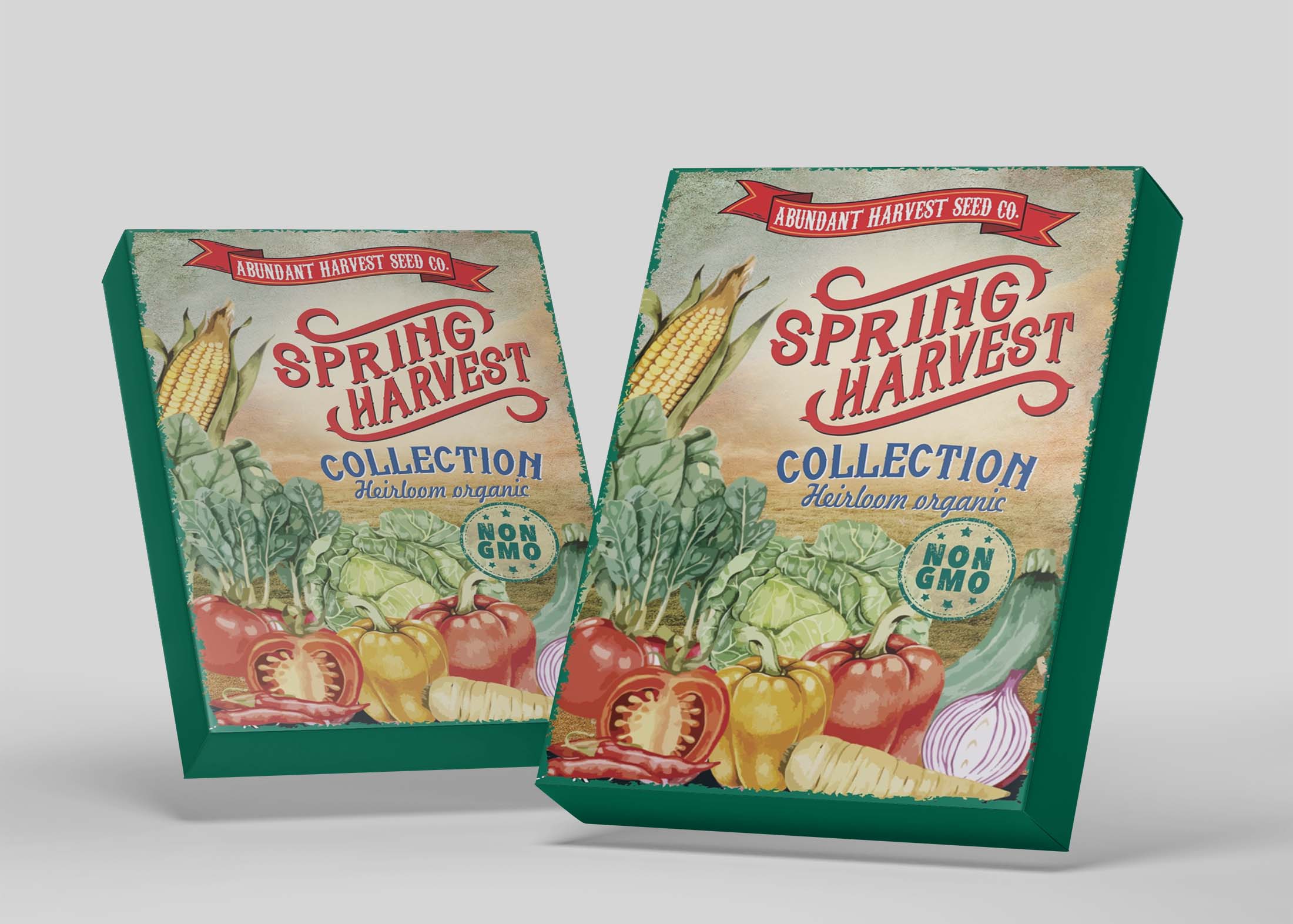
In an age where technology and creativity intertwine, artificial intelligence (AI) has revolutionized the design industry. The ability to generate stunning visuals quickly and efficiently means that designers can focus more on their creative process rather than mundane tasks. In this article, we will explore how to harness AI tools to create designs that not only captivate but also save time and resources.
The Rise of AI in Design
AI has transformed how designs are conceptualized, developed, and executed. With algorithms capable of analyzing vast amounts of data, AI tools can assist designers in various ways, such as:
- Generating design mockups
- Optimizing color schemes
- Creating custom graphics based on user input
- Automating repetitive tasks
As we dive deeper, let’s examine some of the most effective strategies for incorporating AI into your design workflow.
Choosing the Right AI Tools
With numerous AI design tools available, selecting the right one can be challenging. Here are some categories and examples to consider:
1. AI-Powered Graphic Design Platforms
These platforms can help you create visuals without extensive design knowledge:
- Canva: Offers a range of templates and design elements to customize.
- Adobe Spark: Allows quick creation of graphics, web pages, and video stories.
2. Image and Video Editing Tools
AI can streamline the editing process significantly:
- Remove.bg: Removes backgrounds from images in seconds.
- DeepArt: Uses neural networks to transform photos into artwork.
3. UX/UI Design Assistants
AI tools that support user experience and interface design include:
- Figma: Offers plugins that can automate repetitive tasks and suggest design improvements.
- Sketch: Integrates AI to analyze design patterns and enhance user interfaces.
Streamlining Your Design Process
With the right tools in hand, let’s explore how to optimize your design process.
1. Develop a Clear Brief
Before diving into design, outline your project profile clearly:
- Define the goals and objectives of the design.
- Identify your target audience.
- Establish a mood board for inspiration.
2. Leverage AI for Inspiration
AI can analyze trends and suggest design elements:
- Utilize tools like Artbreeder for generating unique visual concepts.
- Explore sites such as Dribbble and Behance for trending design styles.
3. Automate Repetitive Tasks
AI excels in automating mundane processes, freeing designers to focus on creativity:
Consider the following:
- Use plugins in platforms like Adobe Photoshop to batch edit images.
- Automate font and color selection with tools like Colormind.
4. Incorporate Feedback Loops
Gathering and implementing feedback is crucial for design success:
- Use AI-driven analytics to monitor user engagement with your designs.
- Conduct A/B testing to gauge the effectiveness of different designs.
Case Studies: Successful AI-Driven Design Projects
Looking at successful implementations of AI in design can provide valuable insights:
1. Spotify’s Discover Weekly
Spotify uses AI algorithms to analyze user listening habits and generate personalized playlists like Discover Weekly. This application of AI not only enhances the user experience but also serves as a model for personalized design approaches.
2. Autodesk’s Dreamcatcher
This generative design tool allows users to input design goals, and AI creates numerous design alternatives. The results can be filtered based on performance, materials, or manufacturing methods, showcasing the power of AI in producing innovative solutions.
The Future of AI in Design
The design landscape is continuously evolving, and AI will play an increasingly central role. Here are some predictions for the future:
- Greater personalization in design outputs.
- Increased collaboration between human designers and AI tools.
- More intuitive interfaces that require minimal user input.
As AI technology progresses, designers must adapt by embracing these tools while maintaining their unique creative perspectives.
Conclusion
Creating AI-driven designs efficiently combines the power of technology with human creativity. By choosing the right tools, streamlining processes, and learning from successful case studies, designers can elevate their work to new heights. As we move forward, embracing AI will not only enhance productivity but also foster a new wave of innovative design solutions.
FAQ
What are AI-driven designs?
AI-driven designs are creative outputs generated or enhanced using artificial intelligence technologies, allowing for faster and more innovative design processes.
How can AI tools speed up the design process?
AI tools can automate repetitive tasks, provide design suggestions, and analyze trends, enabling designers to focus on creativity and strategy.
What software can I use for AI-driven design?
Popular software options for AI-driven design include Adobe Sensei, Canva, and Figma, which integrate AI features to enhance design capabilities.
Can AI replace human designers?
While AI can assist and enhance the design process, it cannot fully replace human creativity and intuition, making collaboration essential.
What industries benefit from AI-driven design?
Industries such as fashion, advertising, gaming, and architecture can greatly benefit from AI-driven design by improving efficiency and innovation.
Are AI-driven designs customizable?
Yes, AI-driven designs can be customized based on user input, brand guidelines, and specific project requirements to meet unique client needs.