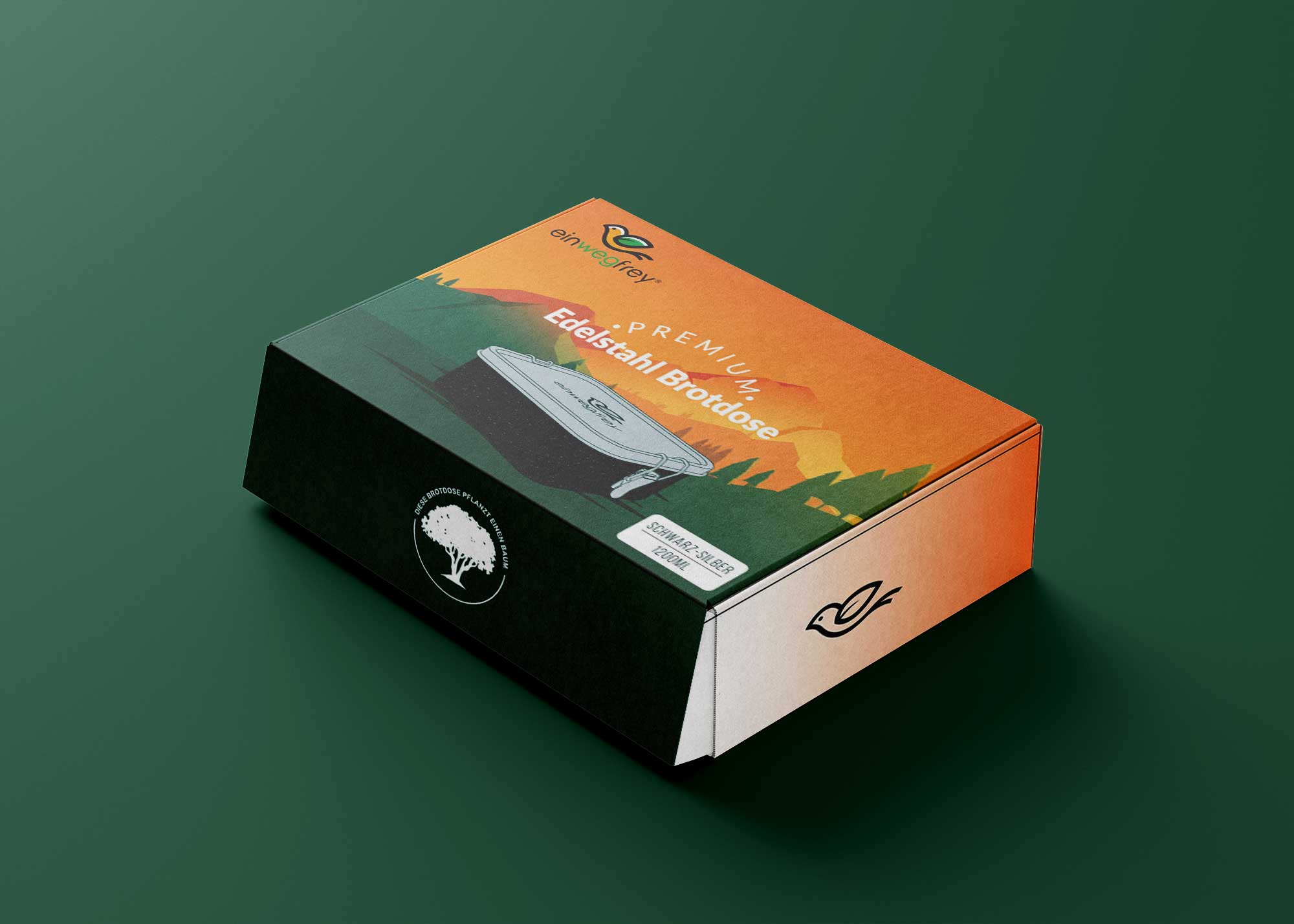
In today’s digital landscape, a strong visual identity is essential for brands looking to stand out and connect with their audiences. As the first thing potential customers notice, your visual identity can significantly influence their perception and decision-making. Luckily, there are numerous tools available that can help designers create stunning visual identities that not only captivate but also communicate the brand’s core values effectively. In this article, we will explore ten of the best tools that can enhance your visual identity design process, making it easier and more innovative.
1. Adobe Illustrator
Adobe Illustrator is a powerhouse in the world of vector graphics. Its extensive features allow designers to create everything from logos to intricate illustrations. With Illustrator, you can:
- Create scalable designs that maintain quality at any size.
- Utilize a variety of brushes and tools for unique effects.
- Collaborate seamlessly with other Adobe products.
Key Features:
| Feature | Benefit |
|---|---|
| Vector Graphics | Perfect for logos and branding elements. |
| Artboards | Multiple canvases for different design variations. |
| Typography Tools | Advanced text manipulation options. |
2. Canva
Canva is a user-friendly design tool that allows users to create stunning visuals without needing extensive design skills. It’s particularly great for social media graphics, presentations, and marketing materials.
Client Collaboration:
Canva offers easy sharing options, making it simple for teams to collaborate on projects.
The Power of Templates:
With thousands of templates available, users can jumpstart their designs and maintain brand consistency.
3. Figma
Figma is a browser-based interface design tool that allows real-time collaboration. It’s particularly suited for web and app design due to its prototyping and user interface capabilities.
Real-Time Collaboration:
Figma’s cloud-based nature allows multiple users to work on a design simultaneously, which is ideal for team environments.
Design Systems:
Create and maintain design systems that ensure consistency across all platforms.
4. Sketch
Sketch has become a staple for UI and UX designers. Its vector editing capabilities and reusable components make it a must-have for digital design projects.
Plugins and Integrations:
The vast array of plugins available can enhance functionality, from adding animations to generating assets automatically.
5. Affinity Designer
Affinity Designer offers a robust alternative to Adobe Illustrator without a subscription model. It’s perfect for both raster and vector work.
Pricing:
One-time payment makes it accessible to freelancers and small businesses.
Performance:
Its speed and efficiency make it suitable for complex projects.
6. Adobe Color
Color is a critical aspect of visual identity. Adobe Color allows designers to create and experiment with color schemes that can be applied across various branding materials.
Palette Creation:
By exploring color rules, you can generate harmonious color combinations that resonate with your target audience.
7. Logo Maker Tools
Looka
Looka uses AI to generate logo designs based on user inputs. It’s a great starting point for businesses seeking a quick logo solution.
Hatchful
Shopify’s Hatchful is another user-friendly option that guides users through the logo creation process.
8. Behance
No design toolbox is complete without a source of inspiration. Behance is a platform where designers can showcase their work and discover new ideas.
Networking:
Connect with other creative individuals, which can lead to collaborative opportunities.
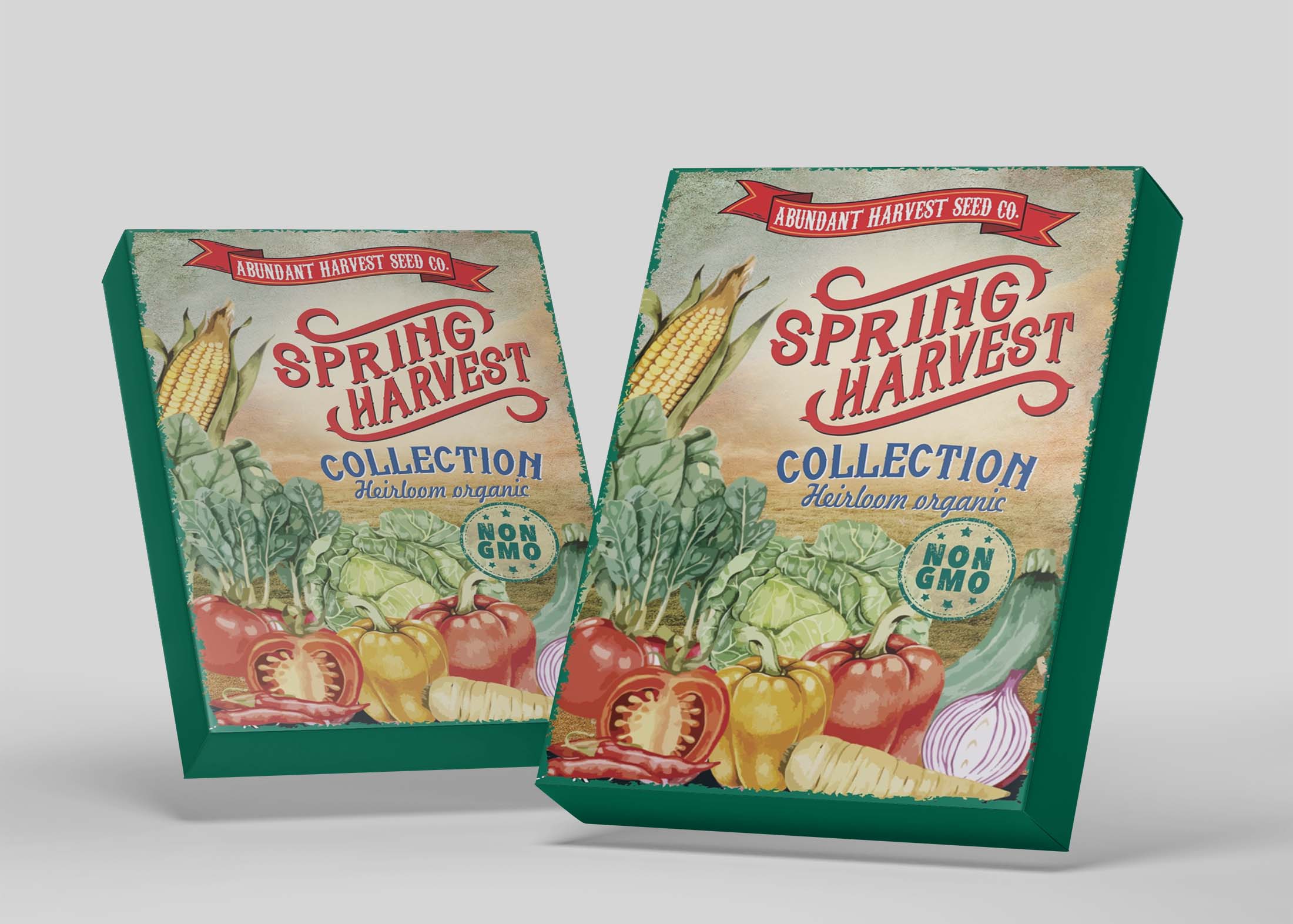
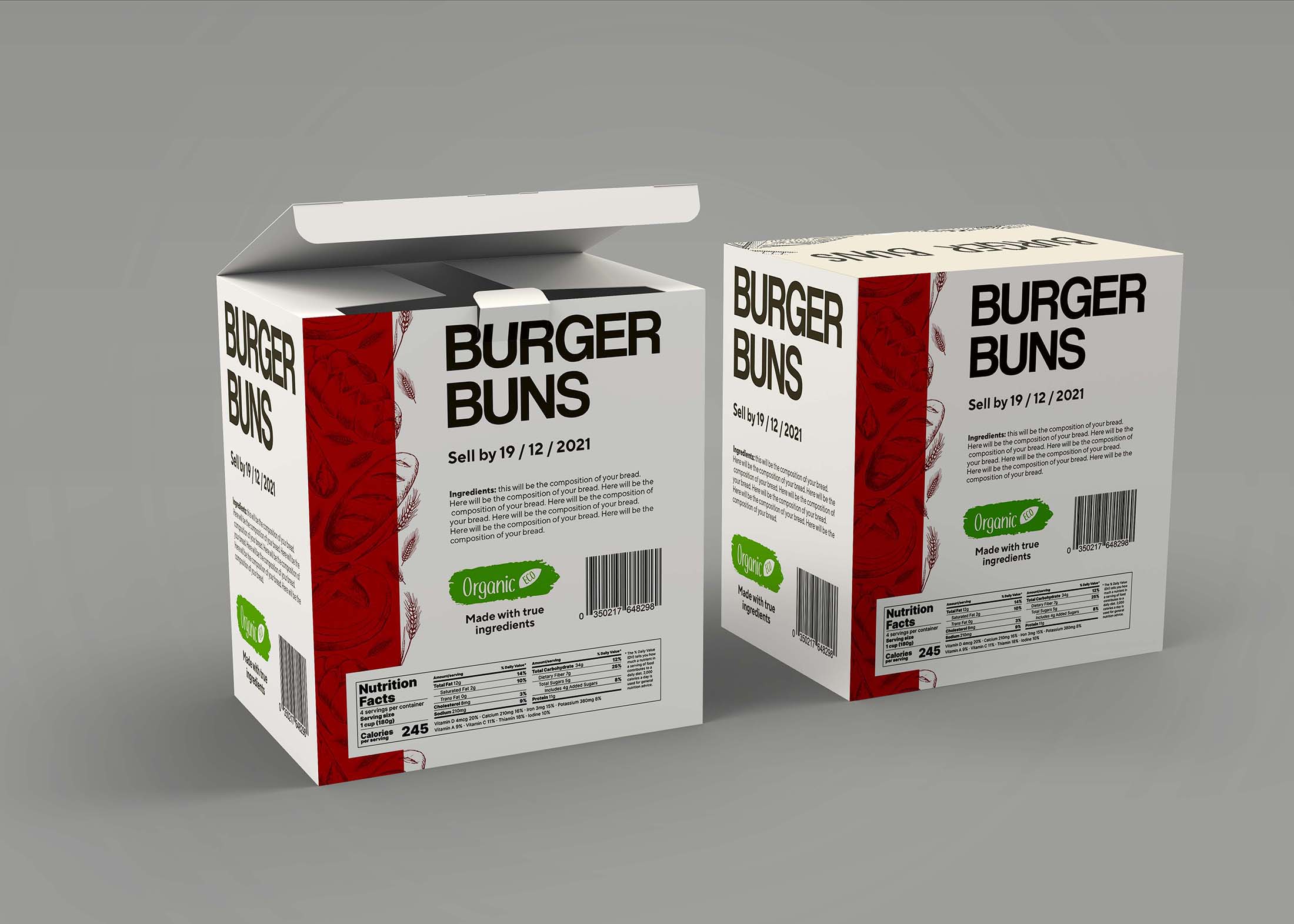
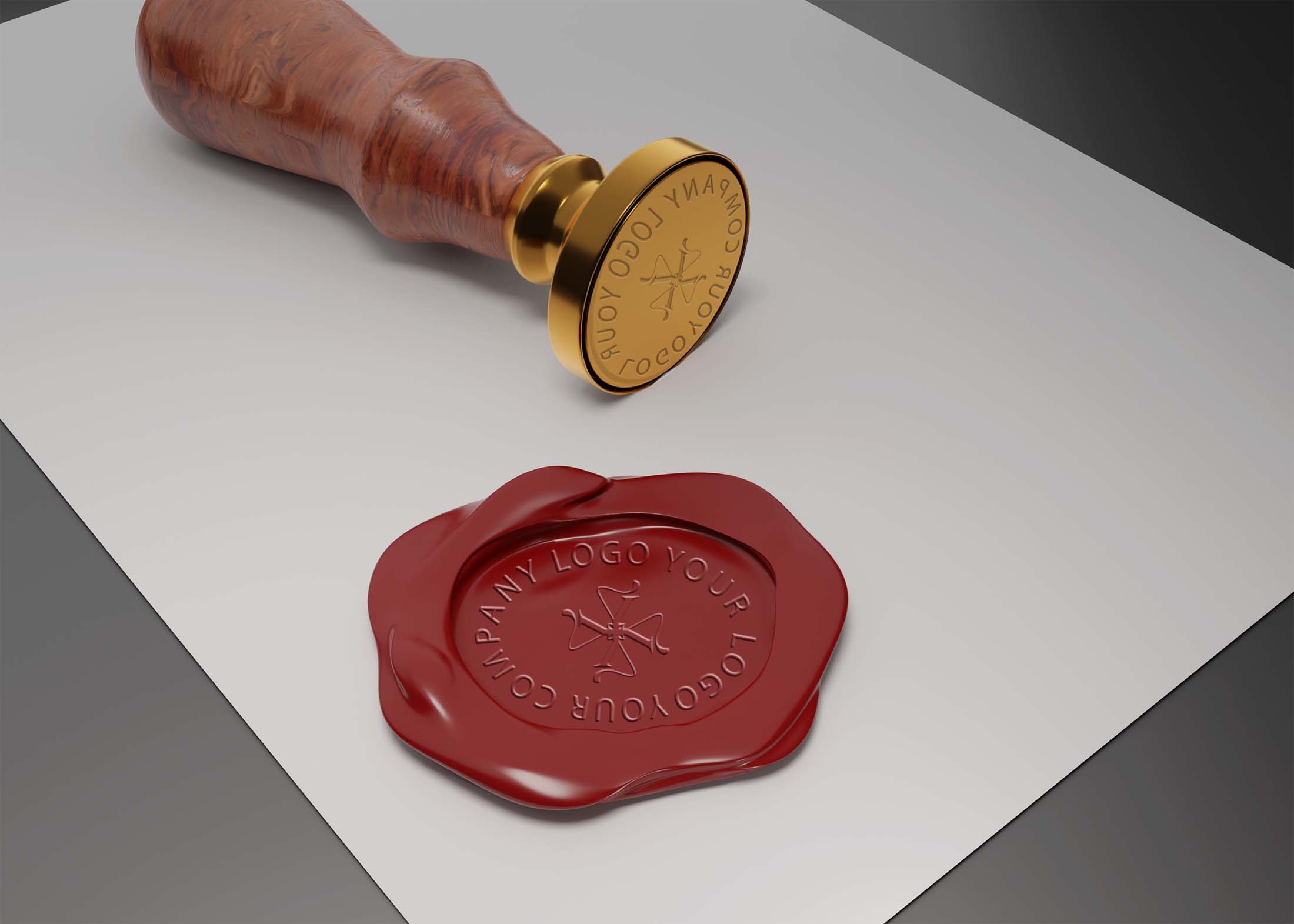
9. Mockup Tools
Mockup World
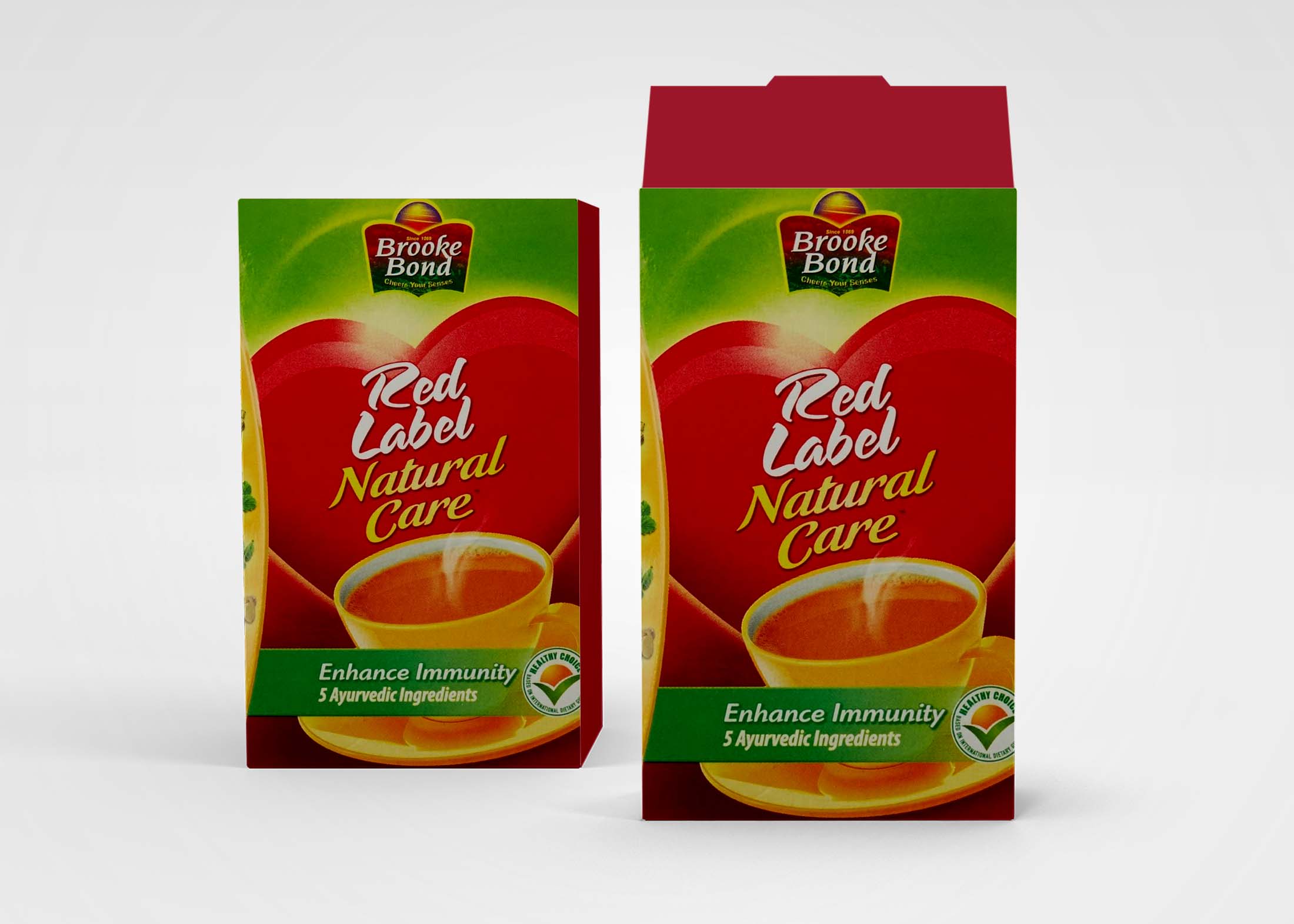
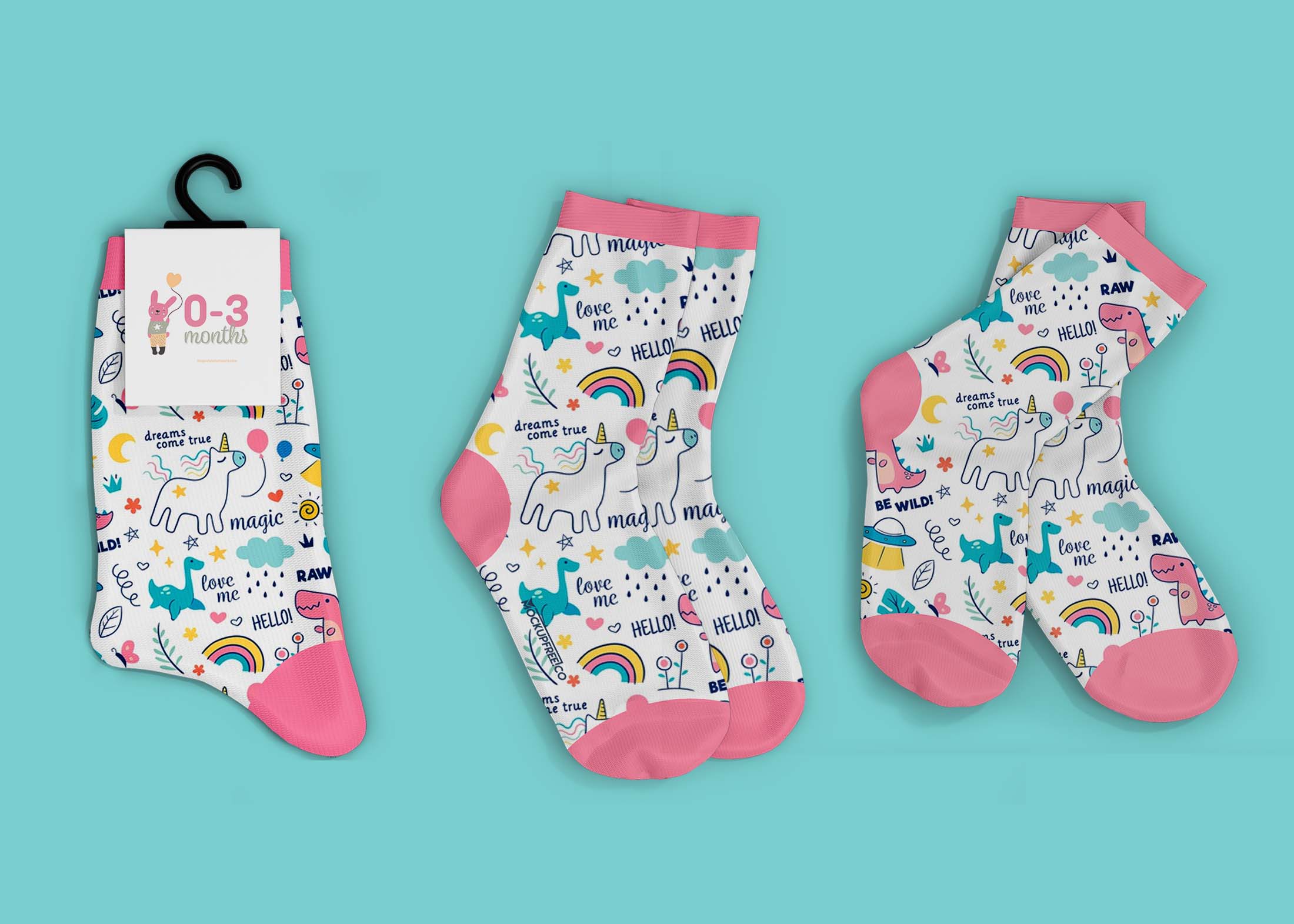
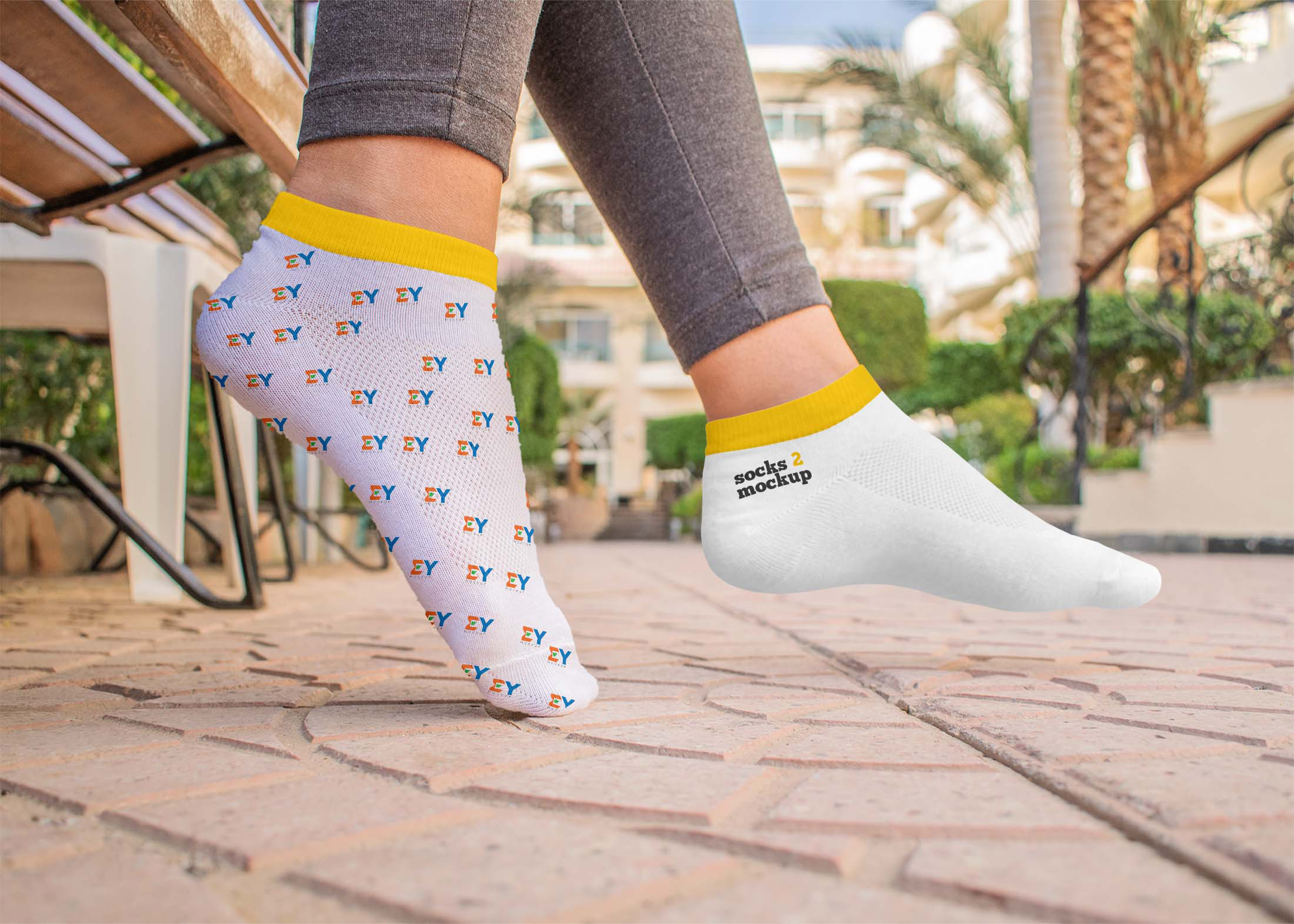
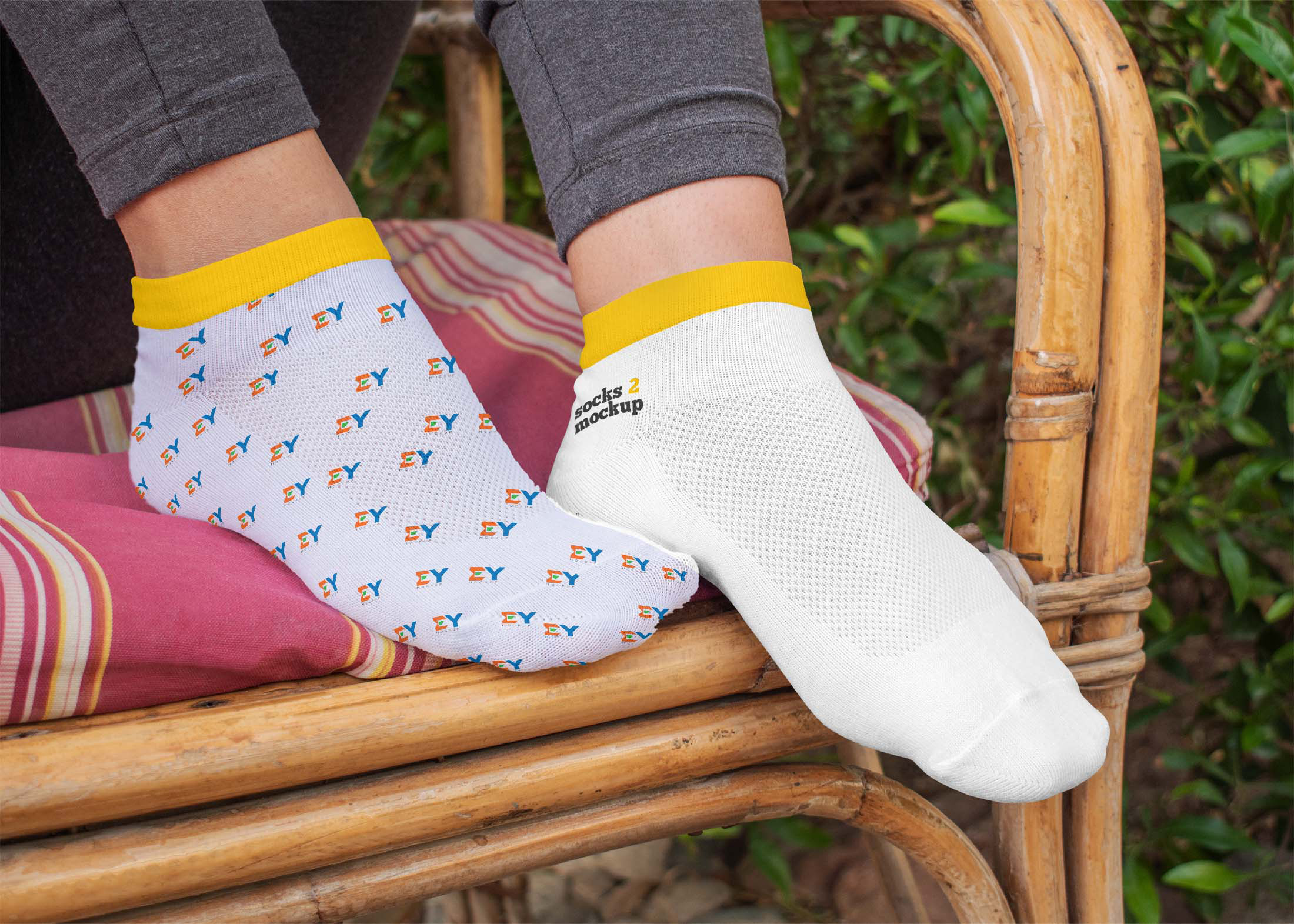
This tool offers a wide range of free mockup templates that can help visualize branding in real-world scenarios.
Placeit
Placeit allows users to create realistic mockups and videos quickly, helping present designs in context.
10. InVision
InVision is a prototyping tool that allows designers to create interactive mockups of their designs, which can be essential for user testing and feedback.
Feedback Tools:
Collecting feedback directly on your prototypes can help streamline the design process.
Integration:
InVision integrates well with other design tools, making it an excellent addition to your workflow.
Conclusion
In an era where visual engagement is pivotal, utilizing the right tools can significantly enhance the process of creating a stunning visual identity. From vector graphic design to Logo makers, the tools mentioned above offer unique features that cater to various aspects of visual identity development. Whether you are a freelancer, a small business, or part of a larger team, these tools can help elevate your design game and ensure your brand stands out in a crowded marketplace. Embrace the innovation that these tools bring, and watch as your visual identity transforms into an engaging and memorable experience for your audience.
FAQ
What are the best tools for visual identity design?
Some of the best tools for visual identity design include Adobe Illustrator, Canva, Figma, Sketch, CorelDRAW, and Affinity Designer.
How can I create a visual identity for my brand?
To create a visual identity for your brand, define your brand’s values, choose a color palette, select typography, and design a logo that reflects your brand’s personality.
Why is visual identity important for businesses?
Visual identity is important because it helps create brand recognition, communicates the brand’s message, and builds trust with customers.
What elements are included in a visual identity design?
Elements of visual identity design include logos, color schemes, typography, imagery, and overall design style.
Can I design my visual identity without professional help?
Yes, with tools like Canva and Figma, you can design your visual identity without professional help, especially if you have a clear vision and understanding of your brand.
How often should I update my visual identity?
You should consider updating your visual identity every few years or when your brand undergoes significant changes, to keep it fresh and relevant.