In today’s competitive marketplace, effective brand identity design is essential for businesses looking to stand out and create lasting connections with their audience. A well-crafted brand identity conveys your company’s values, mission, and personality, ultimately influencing how consumers perceive and interact with your brand. This article will walk you through five powerful steps that will help you develop a strong brand identity that resonates with your target audience.
Understanding Brand Identity
Brand identity encompasses various elements that work together to create a cohesive image of your brand. It includes your logo, color palette, typography, imagery, and overall style. But it goes beyond mere visuals; brand identity also reflects your company’s ethos and the emotions you want to evoke in your audience.
The Importance of a Strong Brand Identity
- Recognition: A strong brand identity makes your business easily recognizable across different platforms and mediums.
- Trust: Cohesive branding builds trust and credibility, making consumers more likely to choose your brand over competitors.
- Customer Loyalty: A well-defined brand identity fosters a sense of belonging among customers, encouraging repeat business.
Step 1: Research Your Target Audience
The first step in creating an effective brand identity is understanding who your target audience is. This involves comprehensive market research to identify demographics, preferences, and behaviors of potential customers. Tools like surveys, interviews, and social media analytics can provide valuable insights.
Key Aspects to Consider
- Demographics: Age, gender, income level, education, and location.
- Psychographics: Interests, values, lifestyle choices, and buying behavior.
- Brand Perception: How your target audience currently perceives your brand and its competitors.
Step 2: Define Your Brand’s Core Values
Your brand’s core values serve as the foundation for your identity. These values dictate how your brand operates and interacts with customers. They should align with the expectations and desires of your target audience.
How to Identify Your Core Values
| Step | Description |
|---|---|
| 1 | Reflect on your company’s mission and vision statements. |
| 2 | Identify what your company stands for and what is non-negotiable. |
| 3 | Consider the impact you want to have on your customers and community. |
Step 3: Create a Visual Identity
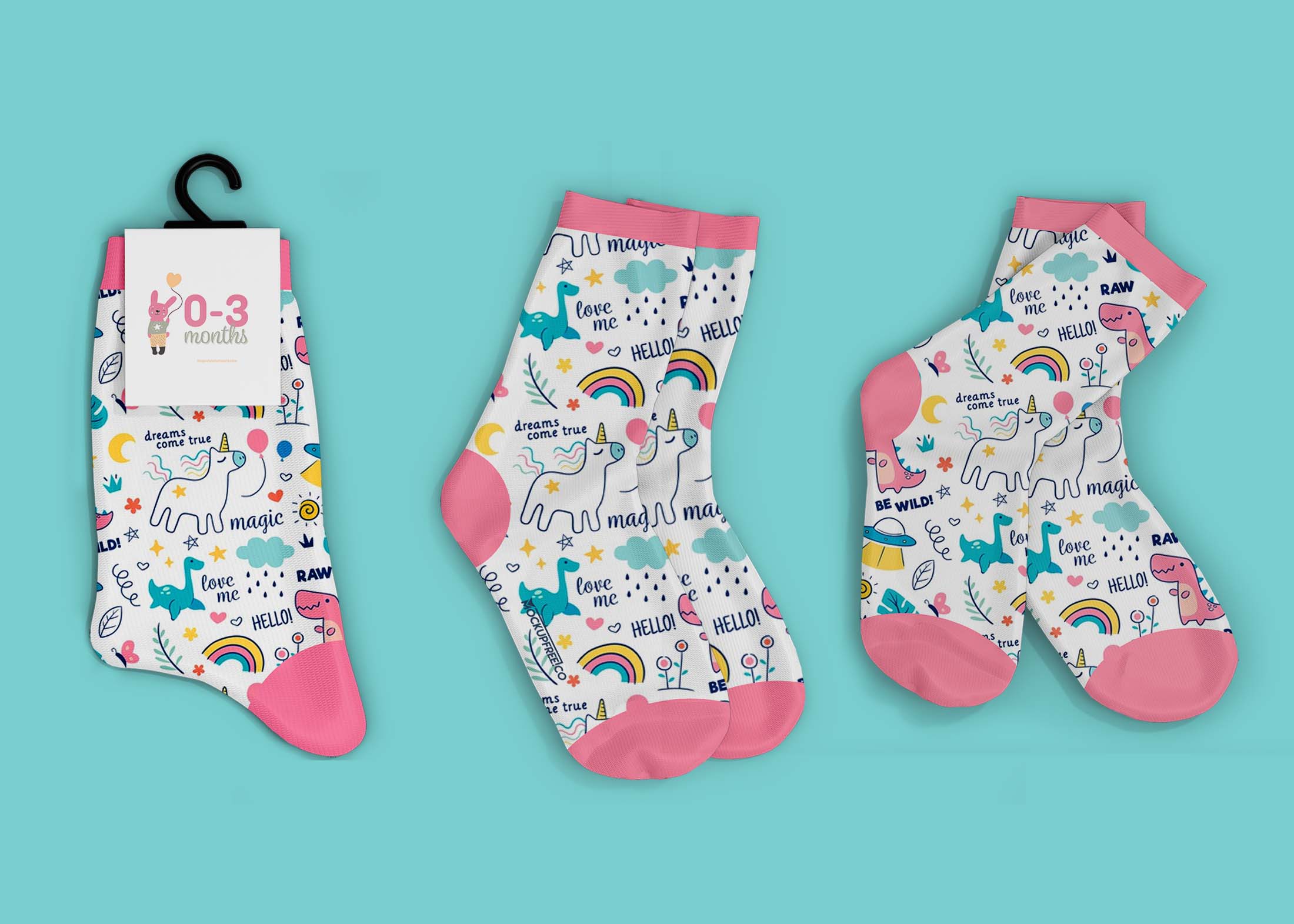
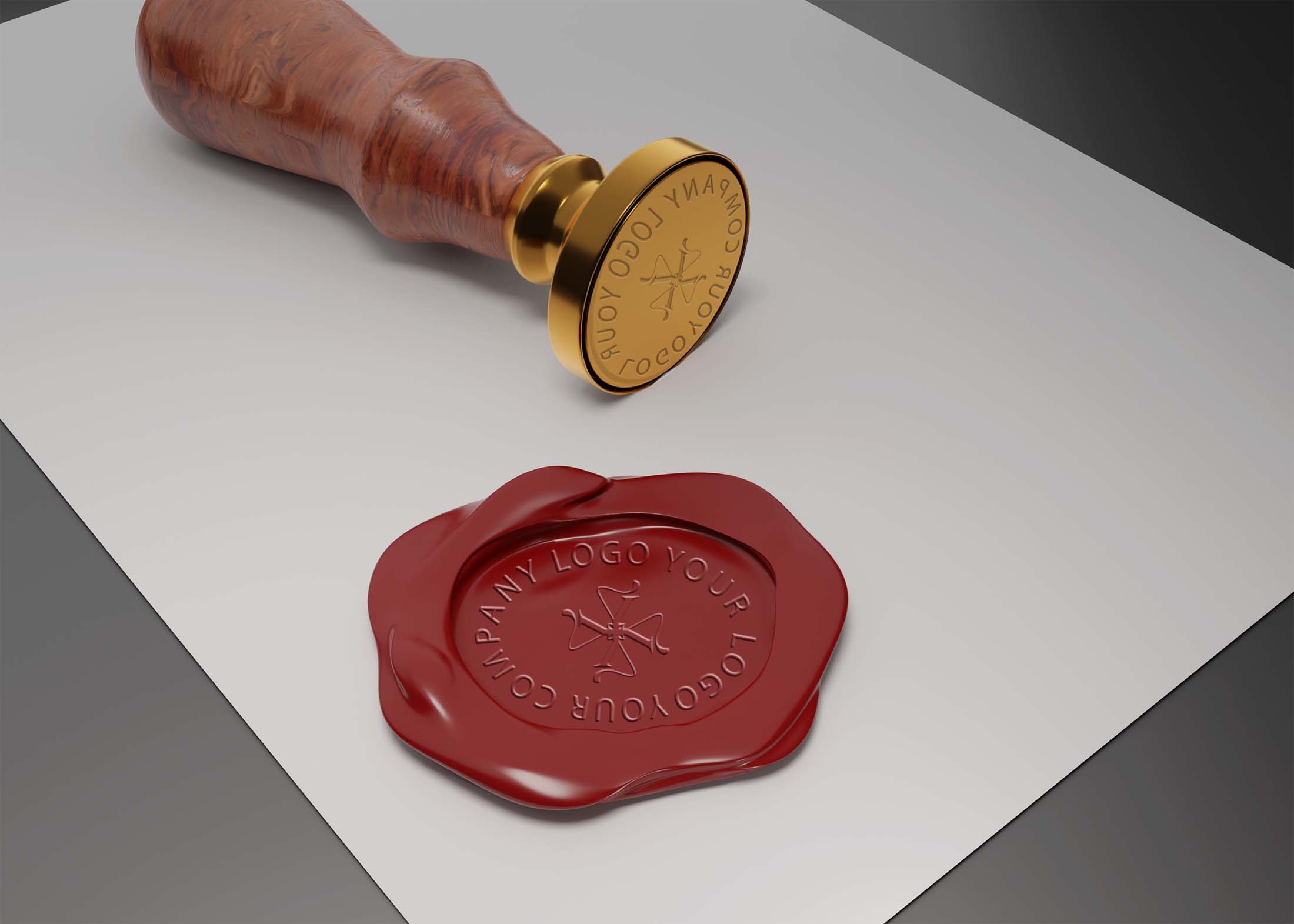
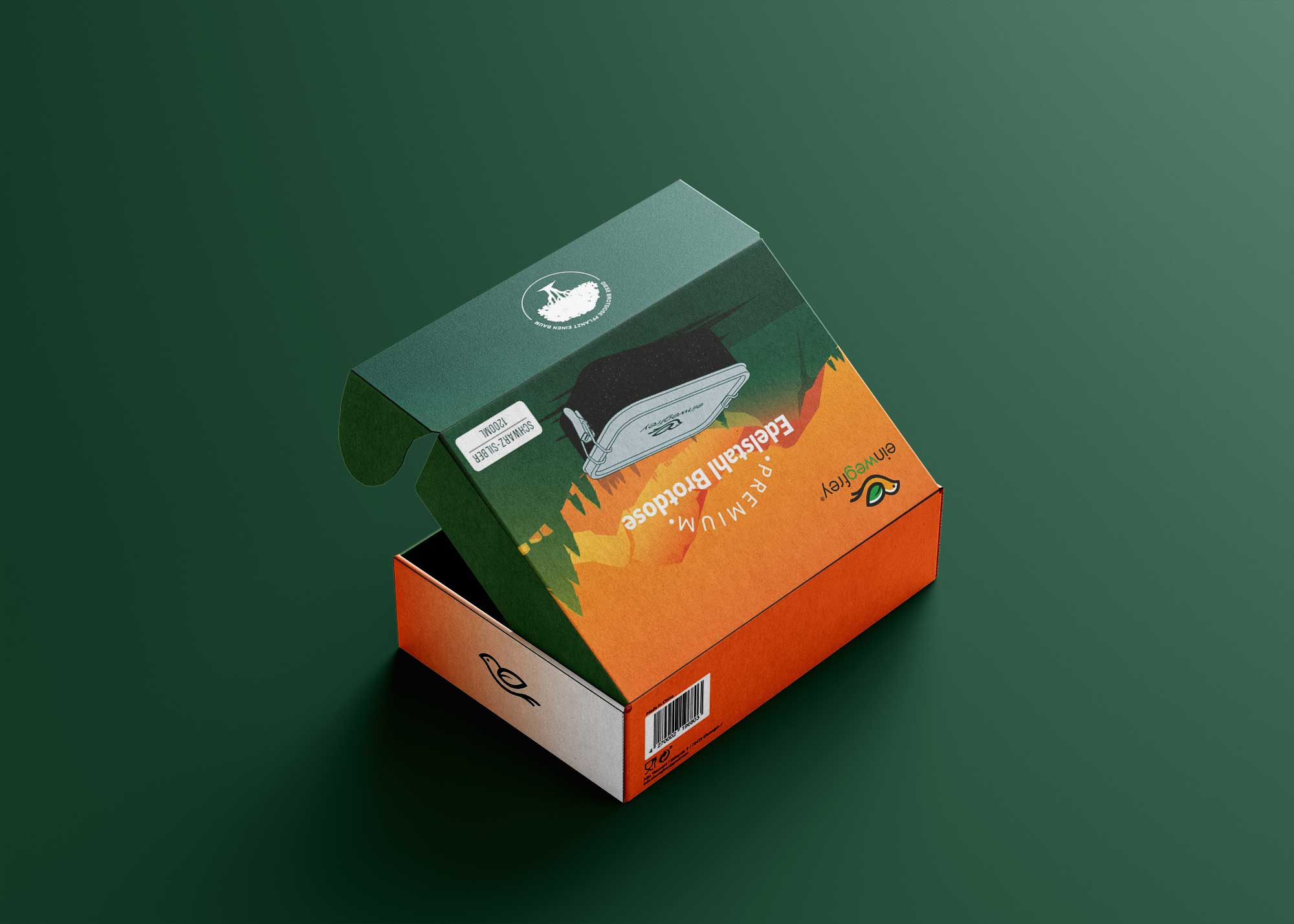
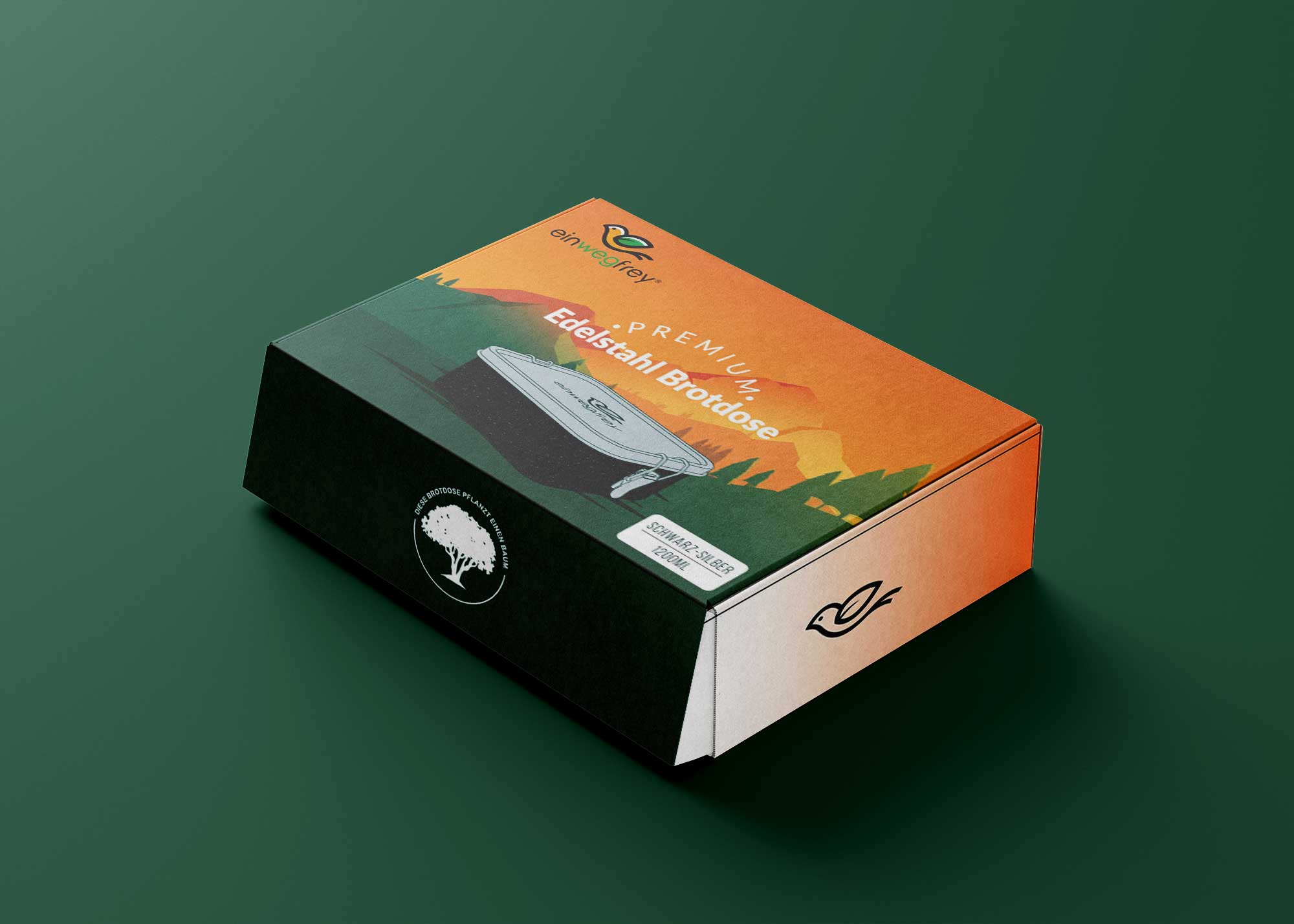
Once you have a solid understanding of your audience and core values, the next step is to develop your brand’s visual identity. This includes elements like your logo, color scheme, typography, and overall aesthetic.
Elements of Visual Identity
- Logo: A unique symbol that represents your brand.
- Color Palette: A selection of colors that evoke specific emotions and reflect your brand’s personality.
- Typography: The fonts you choose should be legible and align with your brand’s character.
Tips for Designing Your Visual Identity
- Keep it simple and memorable.
- Ensure it aligns with your brand values.
- Test it across various mediums (digital, print, etc.).
Step 4: Develop Your Brand Voice
Your brand voice is how you communicate with your audience. It should reflect your brand’s personality and values, creating a recognizable tone across all platforms.
Finding Your Brand Voice
- Identify your tone: Is it formal, casual, playful, or authoritative?
- Choose your language: Determine the vocabulary and phrasing that resonate with your audience.
- Be consistent: Ensure your messaging is consistent across all channels—social media, email, website, etc.
Step 5: Implement and Evolve Your Brand Identity
The final step is to implement your brand identity and continually evolve it based on feedback and market changes. This involves integrating your identity into all aspects of your business.
Strategies for Implementation
- Consistency: Use your visual identity and brand voice consistently across all marketing materials.
- Engagement: Foster relationships with your audience through meaningful engagement strategies.
- Feedback: Regularly collect feedback to assess how your brand is perceived and make improvements as necessary.
Monitor and Adjust
Brand identity is not static; it should evolve with your business and the market. Regularly review your brand strategy to ensure it reflects current trends, consumer preferences, and your business goals.
Conclusion
Creating a powerful brand identity is a multifaceted process that requires careful planning, research, and execution. By following these five steps—understanding your target audience, defining your core values, creating a visual identity, developing a brand voice, and implementing and evolving your identity—you can build a brand that not only stands out in the marketplace but also fosters loyalty and trust among consumers. Embrace the power of a strong brand identity and watch your business thrive.
FAQ
What are the key components of brand identity design?
The key components of brand identity design include your logo, color palette, typography, imagery, and overall style. These elements work together to create a cohesive visual representation of your brand.
How does brand identity affect customer perception?
Brand identity plays a crucial role in shaping customer perception, as it communicates your brand’s values, personality, and promise. A strong brand identity can foster trust and loyalty among customers.
What is the importance of consistency in brand identity?
Consistency in brand identity is vital as it ensures that all brand elements are recognizable and convey the same message across different platforms. This builds brand recognition and strengthens customer relationships.
How do I create a unique brand identity?
To create a unique brand identity, start by defining your brand’s mission, values, and target audience. Conduct market research to understand competitors and then develop distinctive visual elements that reflect your brand’s personality.
What role does color play in brand identity design?
Color plays a significant role in brand identity design as it influences emotions and perceptions. Different colors can evoke specific feelings and associations, making it essential to choose a color palette that aligns with your brand’s message.
Can brand identity evolve over time?
Yes, brand identity can evolve over time to adapt to market changes, consumer preferences, and business goals. However, any changes should be made thoughtfully to maintain brand recognition and loyalty.