In today’s competitive market, presenting your logo designs effectively can make or break a client’s perception of your work. It’s not just about the design itself; it’s about how you communicate your vision and the rationale behind your design choices. A well-structured presentation can highlight your professionalism and creativity, making a lasting impression. This article explores various strategies, techniques, and best practices to help you present your logo designs like a pro.
Understanding Your Audience
Before diving into the presentation, it’s crucial to have a solid grasp of your audience. Knowing who you will present to can greatly influence how you pitch your designs. Consider the following factors:
- Client Type: Are they a startup, a well-established corporation, or a non-profit organization?
- Industry: Different industries have different aesthetic preferences. A tech company might prefer a modern look, while a boutique may lean toward something elegant.
- Brand Values: Understand the core values and mission of the brand you are designing for.
Structuring Your Presentation
A well-structured presentation will guide your audience through your thought process and help them understand your design decisions. Here’s how to structure your logo design presentation effectively:
1. Introduction
Start with a brief introduction about yourself and your design philosophy. You can also outline what the audience can expect from the presentation.
2. Research and Inspiration
Discuss your research process, including:
- Competitor Analysis: How did you analyze competitors’ logos?
- Market Trends: What trends did you notice in the industry?
- Inspiration Sources: Where did you find inspiration for the design?
3. Design Concepts
This is the core of your presentation. Showcase multiple design concepts, each with unique features. Use visuals to highlight:
- Color Schemes: Discuss color psychology and its relevance to the brand.
- Typography: Explain your font choices and their associations.
- Iconography: If applicable, discuss the imagery and symbolism in your designs.
| Design Concept | Color Scheme | Font | Symbolism |
|---|---|---|---|
| Concept 1 | Blue and White | Helvetica | Trust and Clarity |
| Concept 2 | Green and Gold | Garamond | Growth and Luxury |
| Concept 3 | Red and Black | Arial | Energy and Boldness |
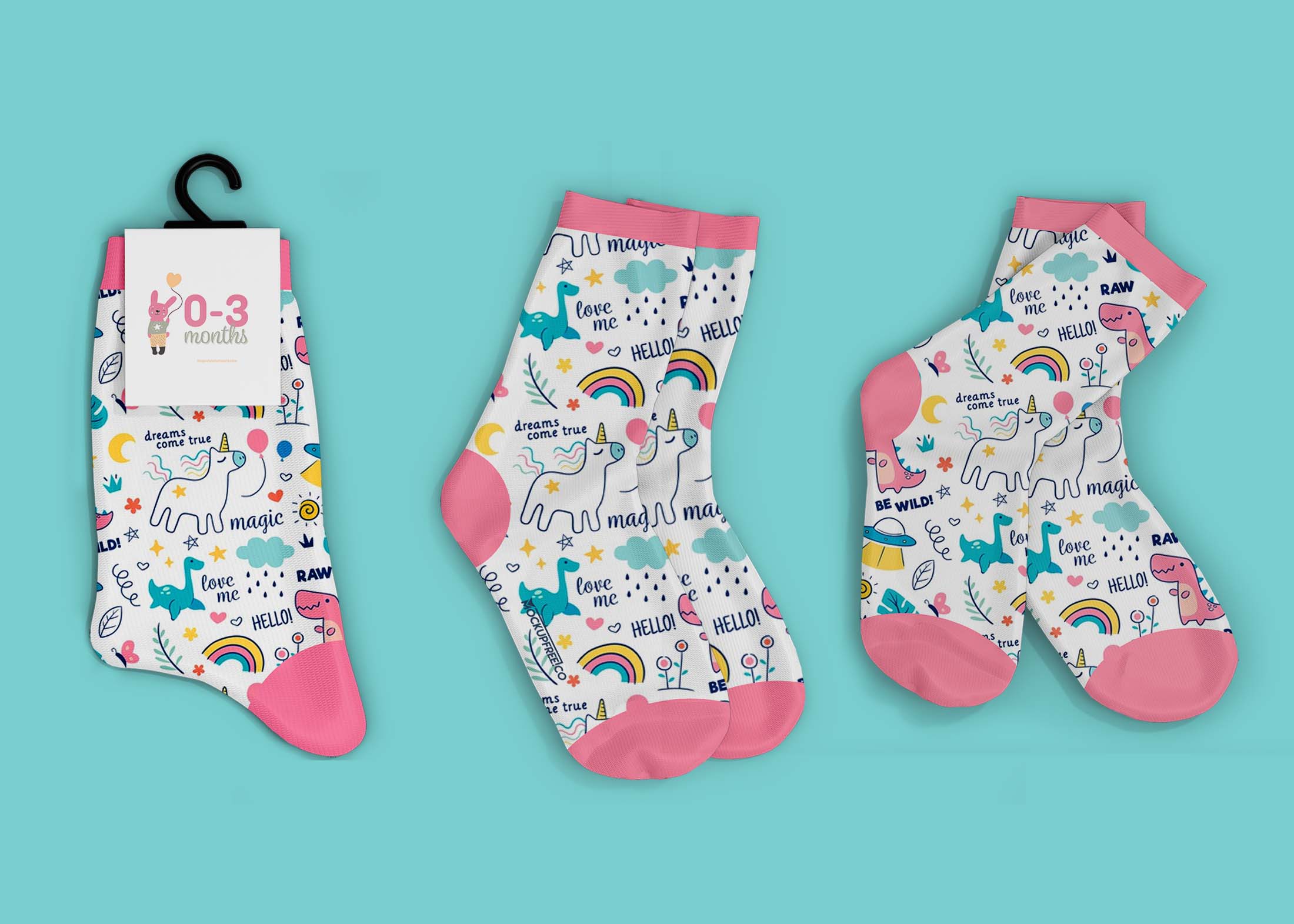
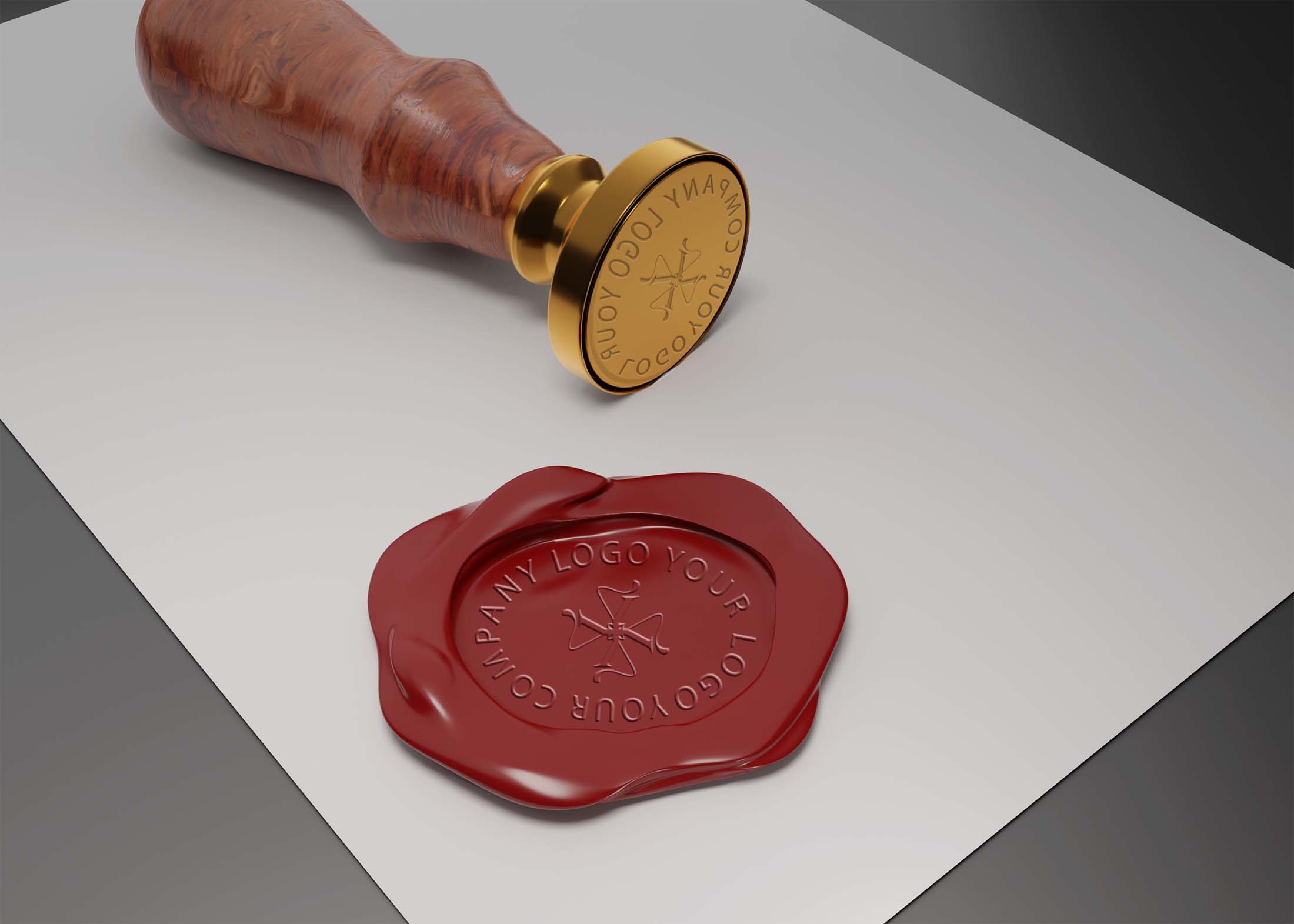
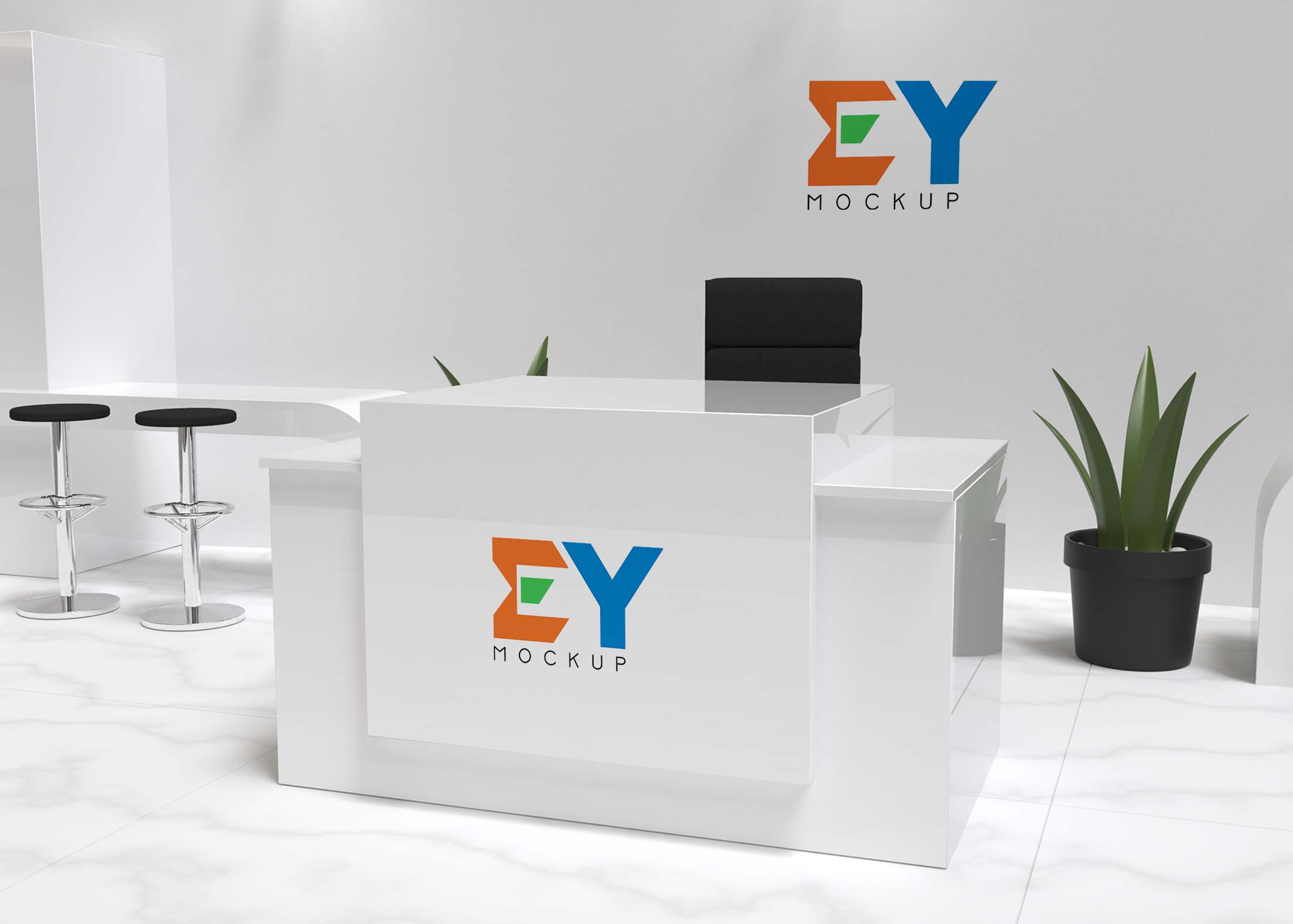
4. Mockups and Contextual Usage
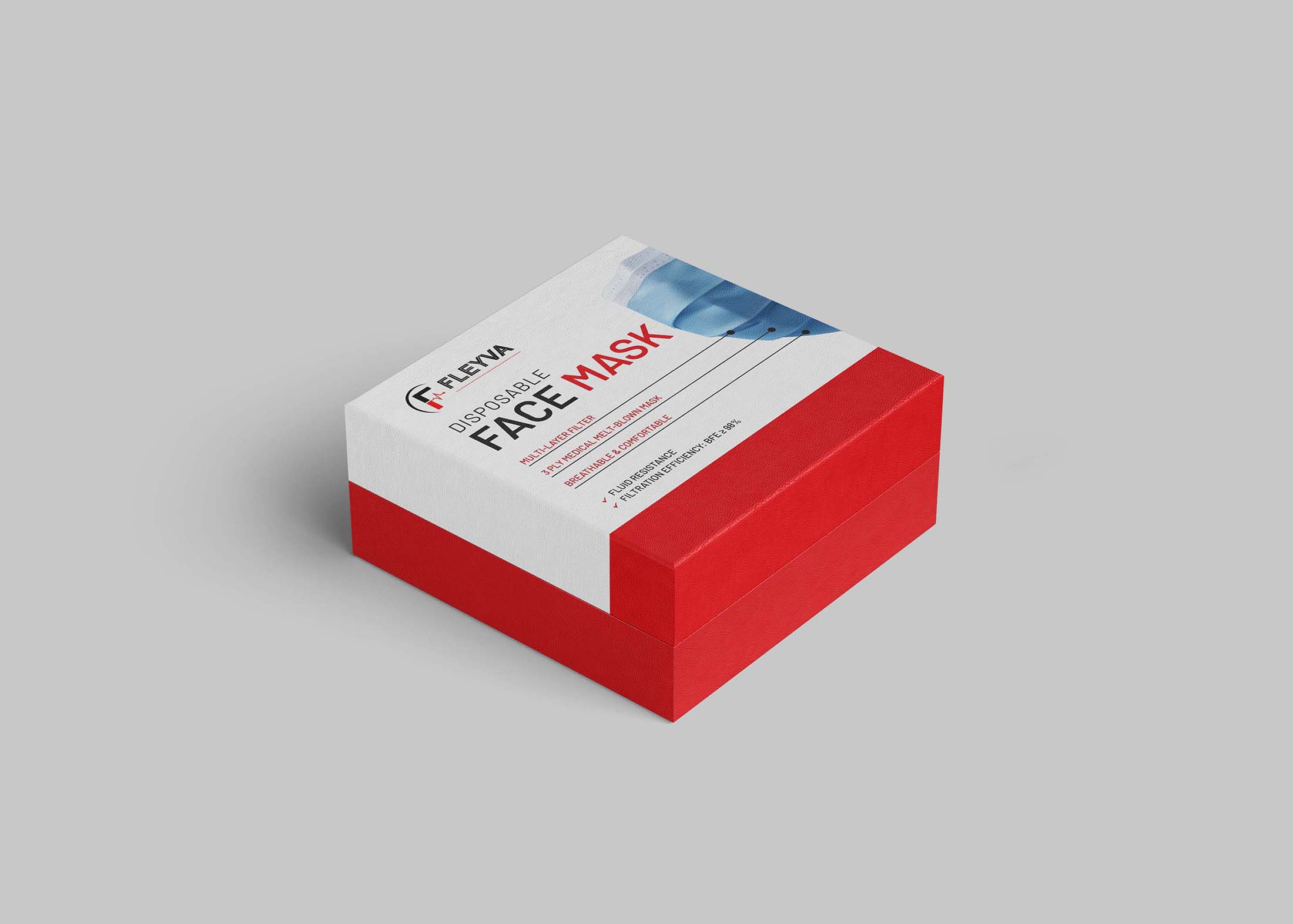
Show how the logos look in real-world applications:
- Business cards
- Websites
- Merchandise
Engaging the Audience
Interaction is key in keeping your audience engaged during the presentation. Here are some tips:
- Ask Questions: Involve the audience by asking them questions about their preferences.
- Incorporate Feedback: Be open to suggestions and criticism, and show how you can adapt based on their input.
Handling Questions and Feedback
Prepare for questions by anticipating concerns your audience may have:
- Flexibility: Be ready to explain how your designs can be adapted.
- Rationale: Clearly articulate the reasons behind your design choices.
- Future Possibilities: Discuss how the logo can evolve with the brand.
Conclusion
Presenting logo designs like a pro requires a combination of understanding your audience, structuring your presentation effectively, and engaging in meaningful dialogue. By following these best practices, you’ll not only impress your clients but also build a strong foundation for your professional relationship. Remember, every design tells a story, and it’s your job to narrate it compellingly.
FAQ
What are the best practices for presenting logo designs?
To present logo designs like a pro, ensure you have a clear narrative, use mockups for real-world context, highlight the design process, and prepare to explain your design choices.
How should I structure my logo design presentation?
Structure your presentation by starting with a brief introduction, followed by the design inspiration, sketches, final concepts, and a Q&A session to engage your audience.
What tools can I use to create logo design mockups?
You can use tools like Adobe Photoshop, Illustrator, or online platforms like Placeit to create realistic mockups for your logo presentations.
How can I effectively communicate my logo design ideas?
Communicate your ideas effectively by using visuals, storytelling techniques, and focusing on how the logo aligns with the brand’s values and goals.
What should I avoid when presenting logo designs?
Avoid overloading your presentation with too much information, using technical jargon, and being defensive about feedback. Keep it clear and open to discussion.
How do I handle feedback during a logo design presentation?
Handle feedback gracefully by actively listening, asking clarifying questions, and demonstrating flexibility in your design approach if necessary.