Mastering Shopping Ads: Tips and Tricks

In today’s competitive online marketplace, running effective shopping ads can significantly boost your e-commerce sales. While many businesses dabble in online advertising, only a few manage to master the art of shopping ads. This comprehensive guide will provide you with insights on how to run shopping ads like a professional, covering everything from understanding the basics to advanced strategies that can enhance your ad performance.

Understanding Shopping Ads

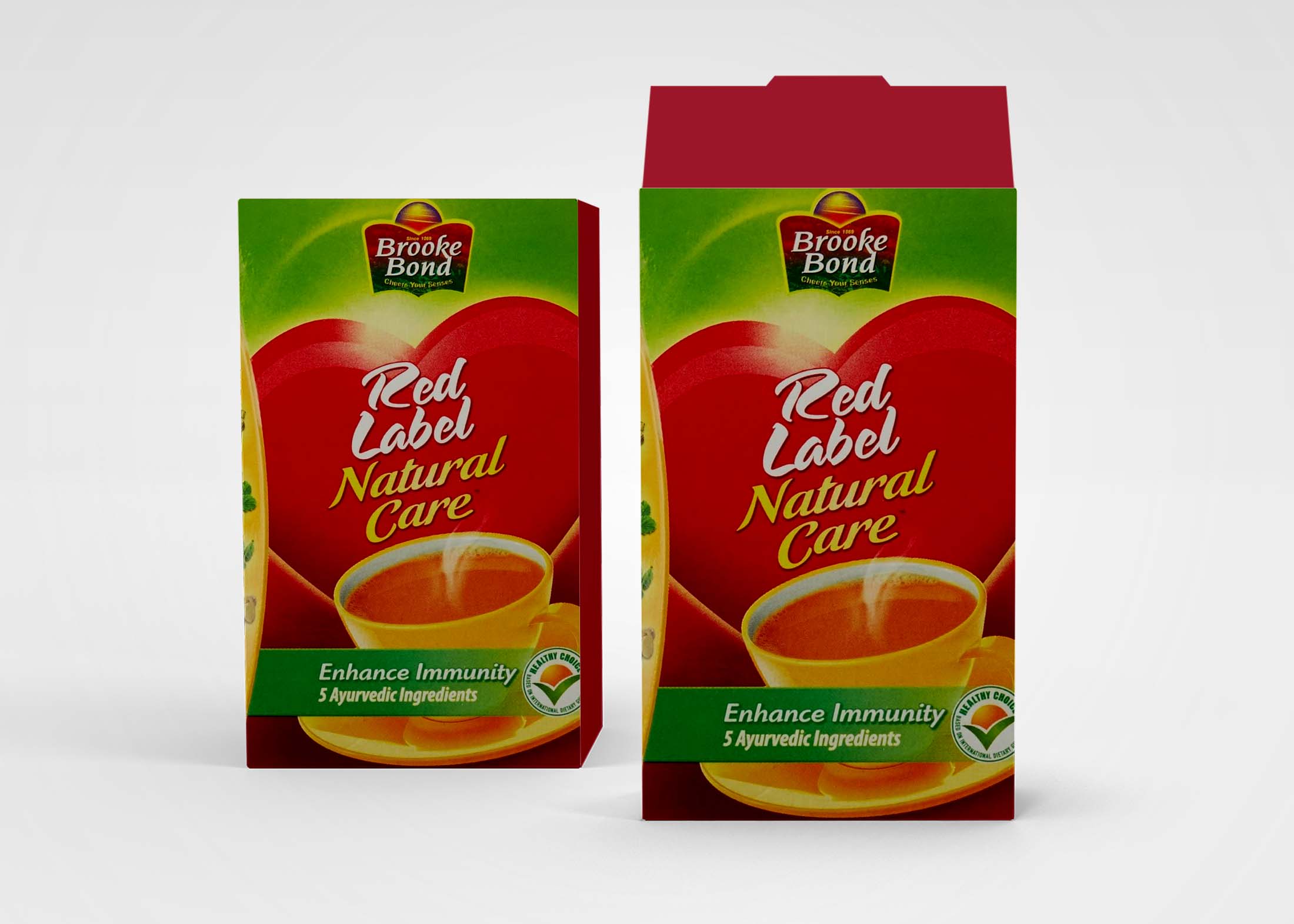
Shopping ads, particularly those from platforms like Google, allow retailers to promote their products directly within search results. Unlike traditional text ads, shopping ads feature product images, prices, and the name of the retailer, making them visually appealing and informative. Here are key components of shopping ads:

  • Product Image: A clear and attractive image of the product.
  • Title: A concise title that clearly describes the product.
  • Price: The cost of the product, allowing customers to make quick purchasing decisions.
  • Store Name: The name of your online store, helping customers trust the source.

Why Use Shopping Ads?

Shopping ads have several advantages over traditional text ads:

  1. Visual Appeal: Product images attract attention and can lead to higher click-through rates.
  2. Increased Conversion Rates: Customers are more likely to purchase when they see the product before clicking through.
  3. Better Targeting: Shopping ads can be targeted based on user search intent, leading to more relevant traffic.

Setting Up Your Shopping Ads

Running shopping ads involves several steps, from setting up your product feed to launching your first campaign. Below are essential steps to get started:

1. Create a Google Merchant Center Account

Your first step is to create a Google Merchant Center account, which is necessary for displaying your products in Google Shopping ads. Follow these steps:

  • Go to the Google Merchant Center website and sign up.
  • Provide the required business information.
  • Verify and claim your website.

2. Set Up Your Product Feed

The product feed is a crucial component of shopping ads, as it contains all the information about your products. Key elements to include are:

AttributeDescription
IDA unique identifier for each product.
TitleThe product name, including important keywords.
DescriptionA detailed description of the product’s features.
LinkThe URL where customers can purchase the product.
Image LinkThe URL of the product image.
PriceThe selling price of the product.

3. Optimize Your Product Feed

Once your product feed is set up, optimizing it is essential for better visibility. Here are some optimization tips:

  • Use high-quality images that showcase the product effectively.
  • Include relevant keywords in titles and descriptions.
  • Keep prices updated to reflect any changes or promotions.

Launching Your Shopping Ad Campaign

With your account and product feed ready, it’s time to launch your shopping ad campaign. Here’s how:

1. Choose Your Campaign Settings

When creating your campaign, consider the following settings:

  • Campaign Type: Select ‘Shopping’ for your campaign type.
  • Target Country: Choose where to target your ads.
  • Bidding Strategy: Decide whether to use manual or automated bidding.

2. Set a Budget

Your budget will dictate how much you are willing to spend on ads each day. Start with a modest budget and adjust based on performance.

3. Monitor and Adjust

Once your ads are live, continuous monitoring is crucial. Here’s what to look for:

  • Click-Through Rate (CTR): Analyze how often people click on your ads compared to how often they’re shown.
  • Conversion Rate: Measure how many clicks lead to actual purchases.
  • Return on Ad Spend (ROAS): Calculate the revenue generated for every dollar spent on ads.

Advanced Strategies for Shopping Ads

Once you’ve mastered the basics, consider incorporating these advanced strategies to take your shopping ads to the next level.

1. Utilize Remarketing Lists

Remarketing allows you to target users who have previously interacted with your website. This can increase the chances of converting visitors into buyers.

2. Implement Negative Keywords

Using negative keywords helps prevent your ads from showing for irrelevant searches, thereby saving your budget and increasing your ad’s relevancy.

3. Leverage Seasonal Trends

Stay ahead of the competition by capitalizing on seasonal shopping trends. Adjust your campaigns to feature seasonal products or promotions during key shopping periods.

Measuring Success

After implementing your shopping ads, measuring success is essential for continuous improvement. Here are key performance indicators (KPIs) to track:

  • Sales Revenue: Total income generated from shopping ads.
  • Cost Per Acquisition (CPA): The total cost of obtaining a customer through ads.
  • Impressions: How often your ads are displayed to potential customers.

Conclusion

Running shopping ads like a pro requires a blend of strategic planning, optimization, and continuous monitoring. By understanding the fundamentals, setting up correctly, and implementing advanced strategies, you can enhance your e-commerce presence and drive significant sales growth. Remember, the digital landscape is ever-evolving, so stay adaptable and keep learning to remain competitive in the online marketplace.

FAQ

What are Shopping Ads?

Shopping Ads are a type of online advertisement that display product images, prices, and store names directly in search engine results, helping businesses showcase their products effectively.

How do I set up Shopping Ads?

To set up Shopping Ads, create a Google Merchant Center account, upload your product feed, link it to your Google Ads account, and create a Shopping campaign.

What are the key components of successful Shopping Ads?

Successful Shopping Ads include high-quality product images, optimized product titles and descriptions, competitive pricing, and targeted bids based on your audience.

How can I improve my Shopping Ads performance?

You can improve your Shopping Ads performance by regularly optimizing your product feed, adjusting bids based on performance data, and using negative keywords to filter out irrelevant searches.

What metrics should I track for Shopping Ads?

Key metrics to track for Shopping Ads include click-through rate (CTR), conversion rate, return on ad spend (ROAS), and overall sales generated from your ads.

Can I use Shopping Ads for local inventory?

Yes, you can use local inventory ads to promote products that are available in your physical store, allowing customers to find items nearby when searching online.