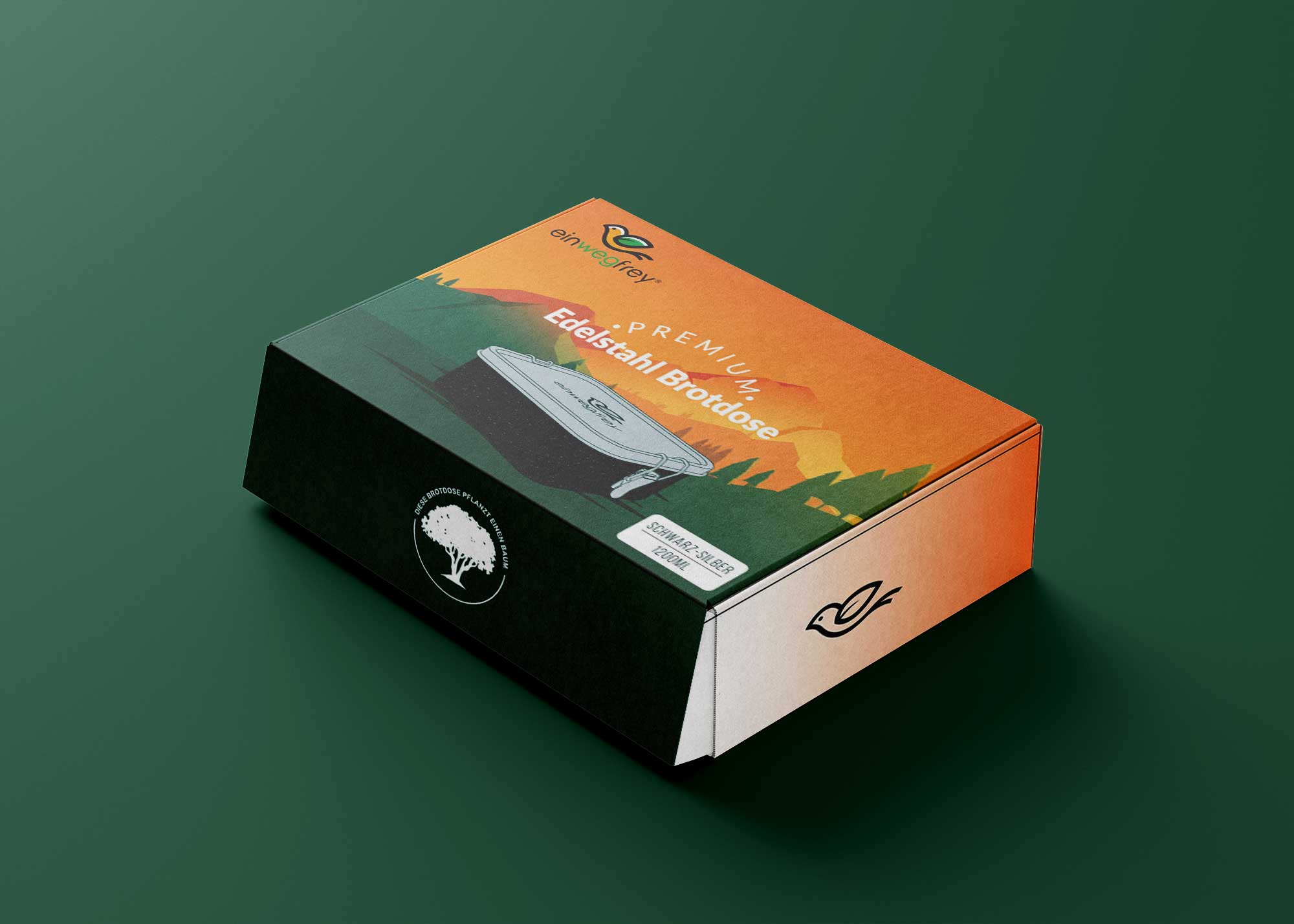
In today’s highly visual world, the ability to create stunning graphic designs can set you apart in various fields, whether you’re a freelancer, an entrepreneur, or part of a larger team. Mastering the art of graphic design requires more than just creativity; it involves understanding key principles, tools, and trends that can elevate your work and enhance your professional prospects. Below are five powerful tips to help you achieve graphic design success.
1. Understand the Fundamentals of Design
Before diving into advanced techniques, it is crucial to have a solid grasp of the core principles of graphic design. These include:
- Color Theory: Understanding how colors evoke emotions and how to use them effectively in your designs.
- Typography: Learning about font choices, readability, and how typography can influence the overall aesthetic of your work.
- Composition: Knowing how to arrange elements on a page to create balance, hierarchy, and unity.
- Visual Hierarchy: Utilizing size, color, and placement to guide viewers through your design.
Familiarize yourself with these principles through courses, tutorials, and practice projects.
2. Embrace the Power of Software Tools
Graphic design software can drastically enhance your creative capabilities. Familiarize yourself with industry-standard tools such as:
Popular Graphic Design Software
| Software | Features | Accessibility |
|---|---|---|
| Adobe Photoshop | Photo editing, digital painting, typography | Subscription-based |
| Adobe Illustrator | Vector illustrations, logo design | Subscription-based |
| Canva | User-friendly, templates, collaboration tools | Free with premium features |
| Sketch | User interface design, web design | Subscription-based |
Whether you prefer a robust tool like Photoshop or a straightforward platform like Canva, mastering these applications can significantly increase your efficiency and creativity in project execution.
3. Keep Up with Design Trends
The graphic design landscape is continually evolving, influenced by technology, culture, and societal changes. Staying informed about the latest trends can inspire your work and ensure it remains relevant. Here are some current trends to consider:
Trending Design Styles
- Minimalism: Focus on simplicity and clear communication.
- 3D Design: Incorporating depth and dimension into graphics.
- Bold Typography: Making a statement with large, eye-catching fonts.
- Organic Shapes: Using fluid, natural forms instead of geometric ones.
Follow design blogs, social media accounts, and attend webinars to stay updated on emerging trends and innovations.
4. Develop Your Own Style
While it is essential to understand the fundamentals and trends, developing a unique style can set you apart from the competition. Here are steps to nurture your design identity:
- Experiment: Try various styles and techniques to discover what resonates with you.
- Seek Feedback: Share your work with peers and mentors to gain constructive criticism.
- Build a Portfolio: Showcase your best work and highlight your unique approach.
- Be Consistent: Ensure that your designs reflect your personal aesthetic and voice.
By finding your niche and consistently applying it, you will create a recognizable brand that clients and employers can trust.
5. Network and Collaborate
No graphic designer is an island. Networking and collaborating with others can expand your horizons and open up new opportunities. Here are some effective ways to connect with fellow designers:
Networking Strategies
- Join Online Communities: Participate in design forums and social media groups focused on graphic design.
- Attend Workshops and Conferences: Engage in face-to-face networking and continue learning.
- Collaborate on Projects: Work with other creatives to broaden your skill set and gain exposure.
- Utilize Platforms: Sites like Behance and Dribbble allow you to showcase your work and connect with other designers.
Building a robust network can lead to referrals, collaborative projects, and mentorship opportunities that can help you advance your career.
In conclusion, achieving graphic design success encompasses a mix of mastering the fundamentals, leveraging the right tools, staying updated on trends, cultivating your unique style, and networking effectively. By following these five powerful tips, you can carve a niche for yourself in the competitive world of graphic design and increase your chances of success.
FAQ
What are the key principles of graphic design?
The key principles of graphic design include alignment, contrast, hierarchy, balance, and repetition. Understanding and applying these principles will help create visually appealing and effective designs.
How important is color theory in graphic design?
Color theory is crucial in graphic design as it influences emotions and perceptions. Choosing the right color palette can enhance brand identity and improve user experience.
What software tools do professional graphic designers use?
Professional graphic designers commonly use software tools like Adobe Photoshop, Illustrator, and InDesign. These tools provide essential features for creating high-quality designs.
How can I improve my graphic design skills?
To improve your graphic design skills, practice regularly, seek feedback from peers, study design trends, and take online courses or attend workshops for continuous learning.
What is the role of typography in graphic design?
Typography plays a vital role in graphic design as it affects readability and conveys the overall tone of the design. Choosing the right fonts can greatly enhance the visual hierarchy and message.
How can I find inspiration for my graphic design projects?
You can find inspiration for graphic design projects by exploring design platforms like Behance and Dribbble, following design blogs, and engaging with creative communities on social media.