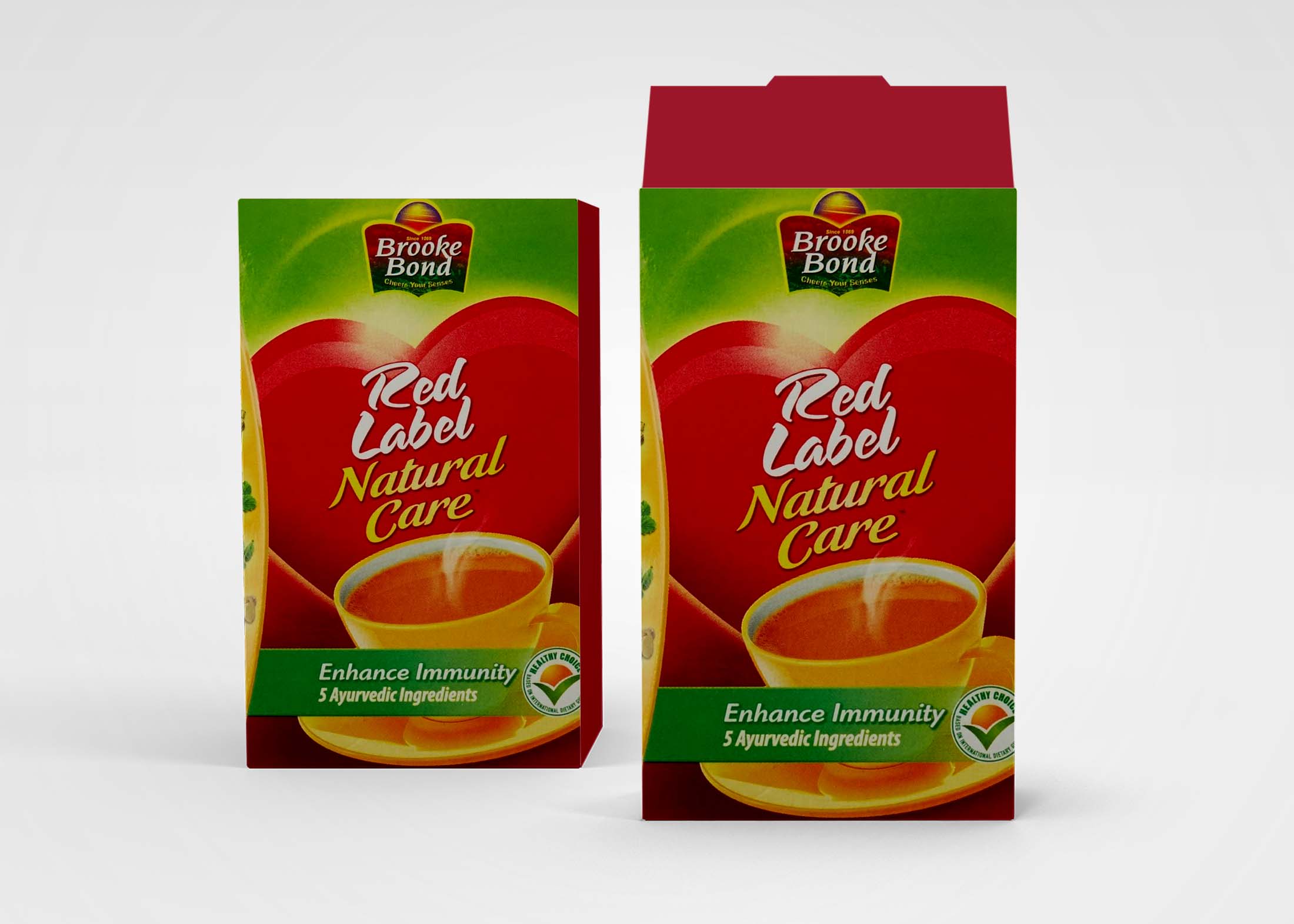
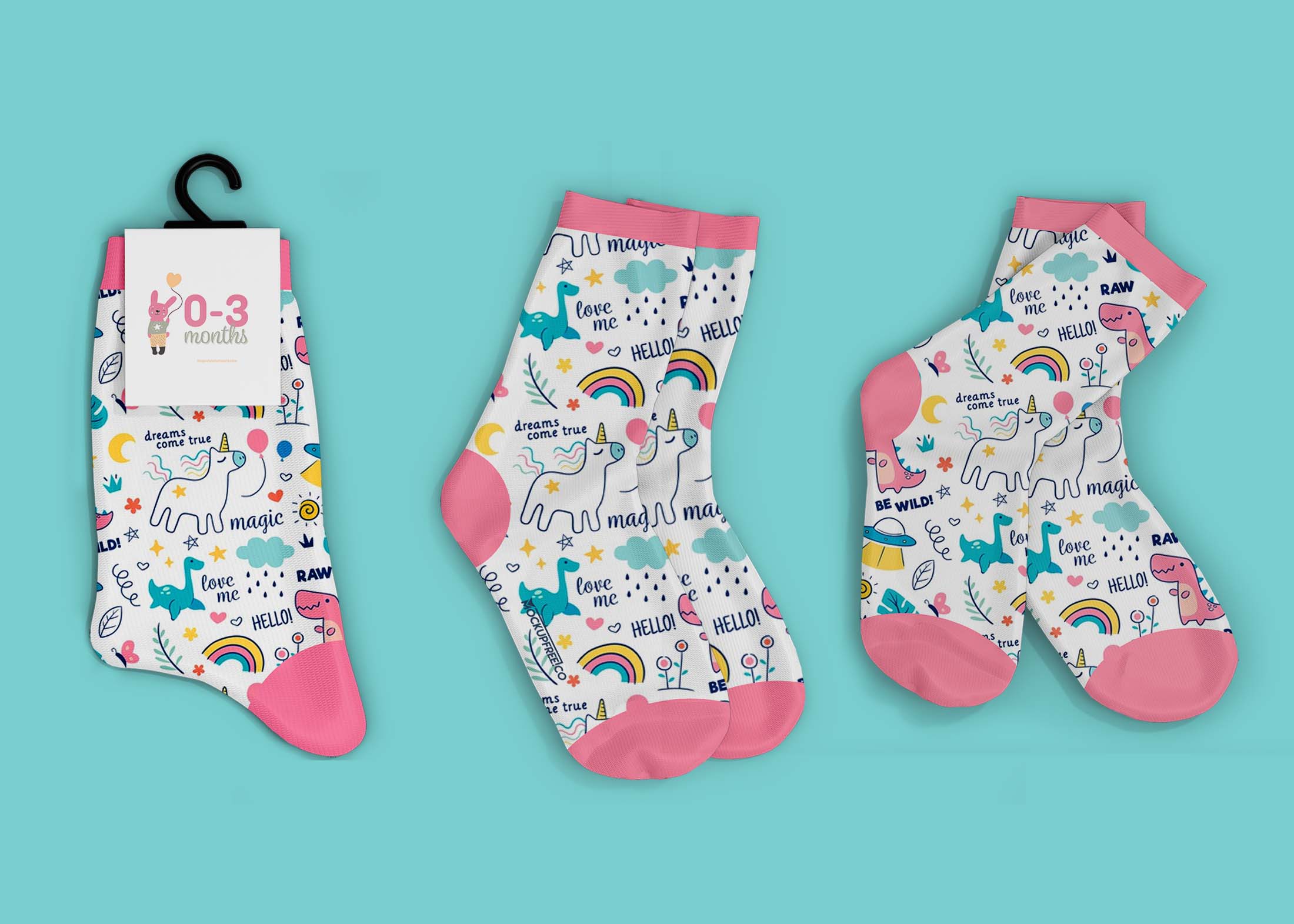
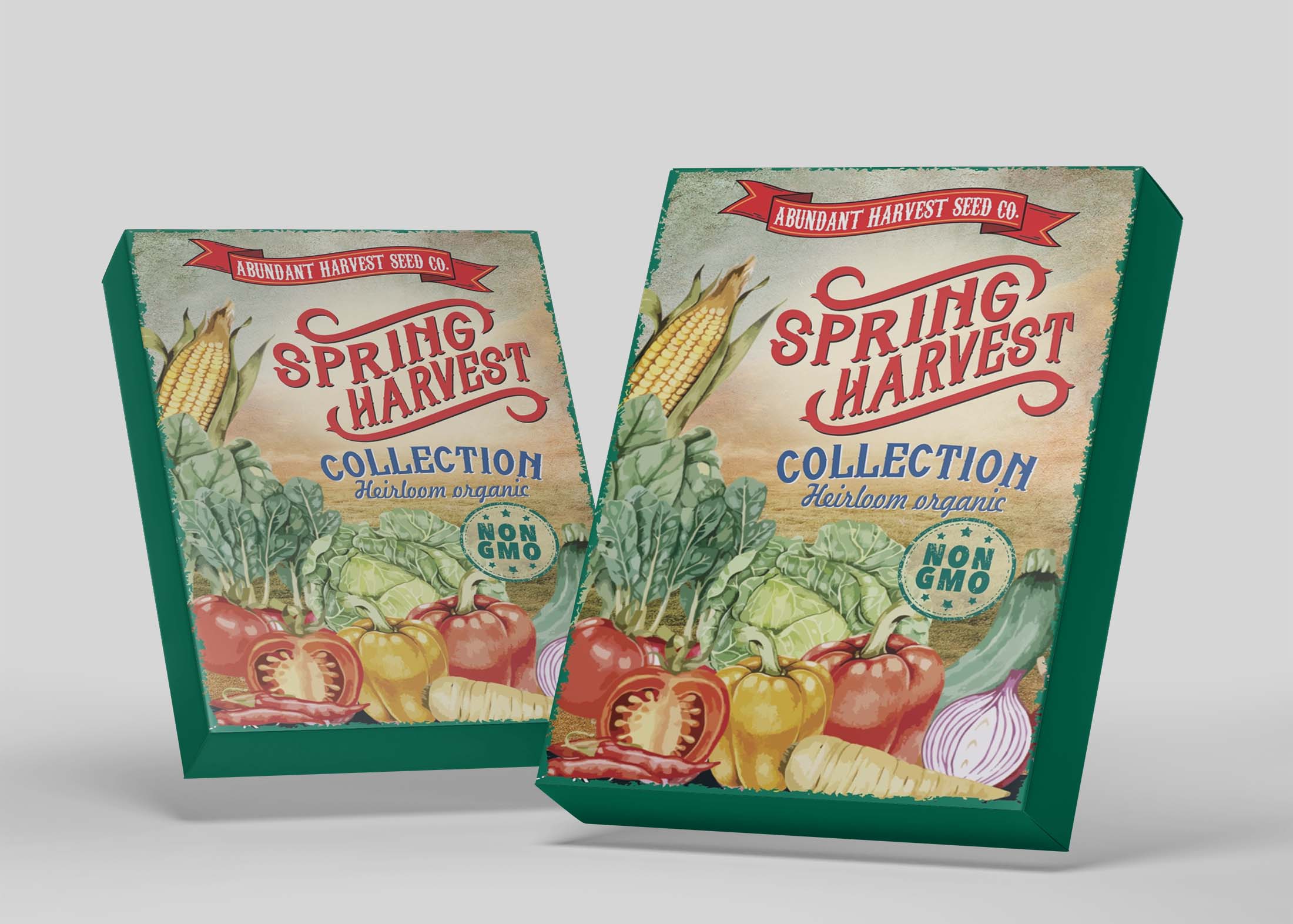
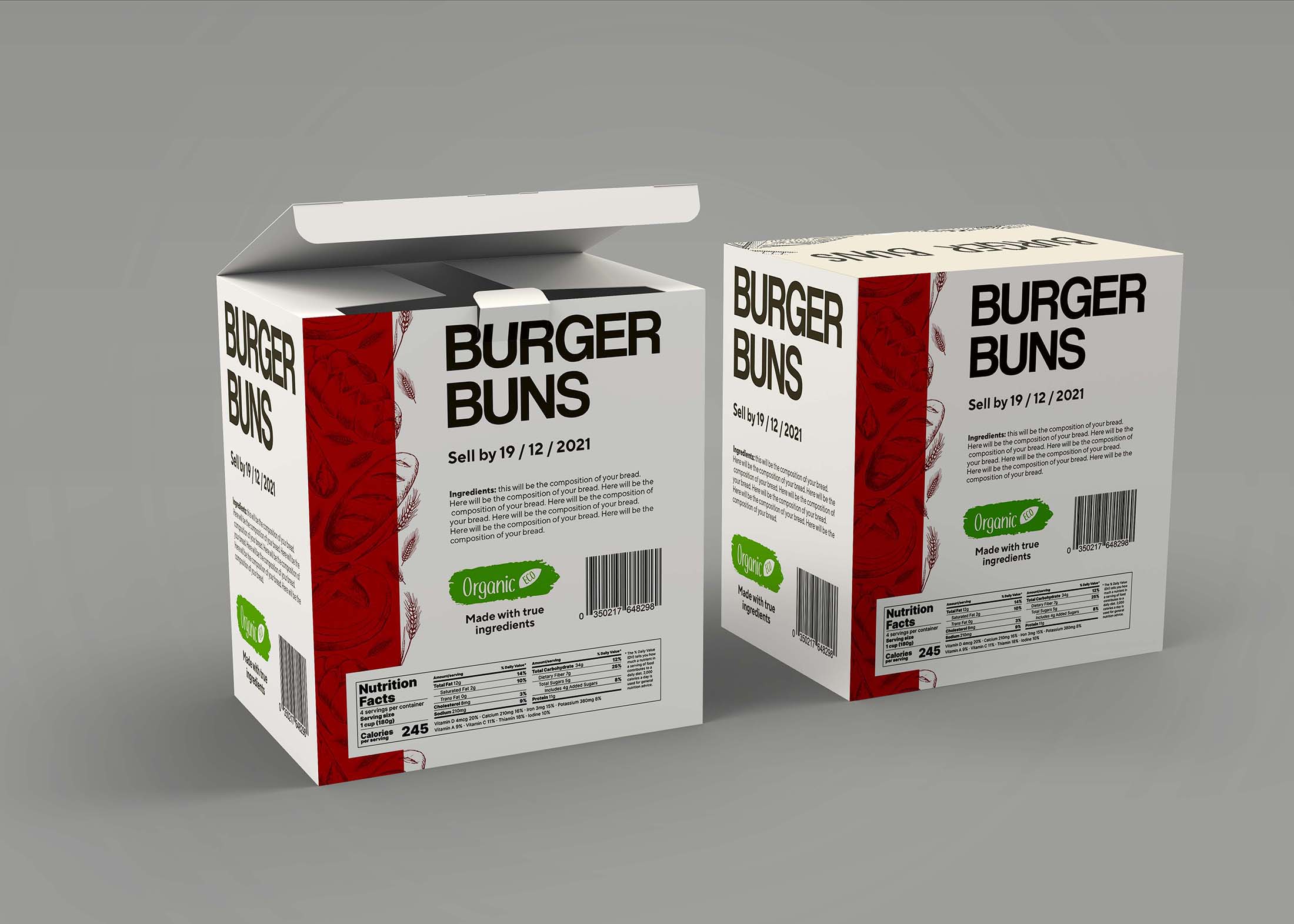
In today’s competitive job market, having a well-crafted career portfolio is essential to stand out from the crowd. A portfolio not only showcases your skills and achievements but also provides a tangible representation of your professional identity. Whether you are a designer, developer, writer, or in any other field, building a stunning career portfolio can significantly enhance your employability. This article will guide you through the key components of creating an impressive portfolio that resonates with potential employers and highlights your unique talents.
Understanding the Purpose of a Career Portfolio
Before diving into the construction of your portfolio, it’s crucial to understand its purpose. A career portfolio serves several functions:
- Showcase Skills: It highlights your best work and capabilities.
- Demonstrate Progress: It shows your journey, growth, and evolution over time.
- Provide Evidence: It offers proof of your accomplishments and experiences.
- Differentiate Yourself: It distinguishes you from other candidates in a crowded job market.
Choosing the Right Format
Your career portfolio can take several forms, depending on your industry and personal preference. The most common formats include:
1. Digital Portfolio
A digital portfolio is an online representation of your work and can include websites, blogs, or PDFs. Here are some platforms where you can create digital portfolios:
- Portfolio Websites: Sites like Wix, Squarespace, and WordPress allow you to create visually appealing portfolios.
- LinkedIn: A strong LinkedIn profile can serve as an informal portfolio.
- GitHub: For developers, GitHub is a great place to showcase coding projects.
2. Physical Portfolio
A physical portfolio can be beneficial for in-person interviews and meetings. It should be well-organized and visually appealing. Here are some tips:
- Quality Materials: Use high-quality paper and printing to enhance the professional appearance.
- Organization: Use dividers and labels to categorize different sections.
- Presentation: Invest in a professional binder or folder that reflects your personal brand.
Essential Components of a Stunning Career Portfolio
Now that you understand the purpose and format of your portfolio, let’s delve into the essential components that should be included to make it truly stand out.
1. Introduction Section
This section should give a brief overview of who you are, what you do, and your career goals. Including a professional photo can also make your portfolio more personable.
2. Resume
Include a current resume that outlines your education, work experience, and skills. Make sure it is formatted clearly and concisely.
3. Work Samples
Your work samples are the heart of your portfolio. Make sure to include a variety of pieces that showcase your skills:
- Designers: Include your best graphic design pieces, UI/UX projects, and branding work.
- Writers: Showcase articles, essays, or any content you have created.
- Developers: Add links to your coding projects, apps, or websites.
4. Case Studies
For each work sample, consider including a case study that outlines:
- The problem or challenge you faced.
- Your approach and the solutions you implemented.
- The results and impact of your work.
5. Client Testimonials
Including testimonials from previous clients or employers can add credibility to your portfolio. Make sure to get permission before including any quotes.
6. Skills and Certifications
Highlight any relevant skills and certifications that enhance your qualifications. This could include software proficiency, languages, or specialized training.
Designing Your Portfolio
The design of your portfolio is just as important as its content. Here are some design principles to consider:
1. Consistent Branding
Ensure that your portfolio reflects your personal brand. Use consistent colors, fonts, and styles that convey your professional identity.
2. User-Friendly Layout
Make it easy for employers to navigate your portfolio. A clean, organized layout will allow them to find information quickly.
3. Visual Appeal
Incorporate images, graphics, and other visual elements to enhance engagement. However, be careful not to overcrowd your portfolio.
Maintaining Your Portfolio
A career portfolio is not a one-time project; it requires regular updates and maintenance. Here are tips for keeping your portfolio current:
1. Regular Updates
Set aside time every few months to update your portfolio with new work samples, testimonials, and skills.
2. Solicit Feedback
Get feedback from peers, mentors, or industry professionals to improve the quality and relevance of your portfolio.
3. Tailor for Opportunities
For specific job applications or networking opportunities, tailor your portfolio to align with the requirements and emphasis of the position.
Conclusion
A stunning career portfolio is an invaluable tool in your professional journey. By effectively showcasing your skills, experiences, and personality, you can capture the attention of potential employers and differentiate yourself from the competition. Invest the time and effort into creating a portfolio that represents your best work, and you will be well on your way to achieving your career goals.
FAQ
What is a career portfolio?
A career portfolio is a collection of documents and materials that showcase your skills, experiences, and achievements to potential employers.
What should be included in a career portfolio?
A career portfolio should include your resume, cover letter, work samples, certifications, references, and any relevant projects or achievements.
How can I make my career portfolio stand out?
To make your career portfolio stand out, focus on high-quality work samples, a clean layout, and personalized branding that reflects your professional identity.
Is a digital portfolio necessary?
In today’s digital age, a digital portfolio is often necessary as it allows for easy sharing, accessibility, and can showcase multimedia elements.
How often should I update my career portfolio?
You should update your career portfolio regularly, at least every six months or whenever you complete a significant project or gain a new skill.
Can I use my career portfolio in job interviews?
Yes, using your career portfolio in job interviews can help you visually demonstrate your skills and experiences, making a strong impression on interviewers.