10 Creative Card Design Ideas to Inspire Your Next Project

In the realm of design, creativity knows no bounds, especially when it comes to crafting eye-catching cards. Whether for personal correspondence, invitations, or business purposes, a well-designed card can leave a lasting impression. In this article, we’ll explore ten innovative card design ideas that can spark your imagination and elevate your card-making game. From interactive elements to unique materials, these ideas will inspire you to think outside the box.

1. Pop-Up Cards

Pop-up cards are a delightful way to surprise recipients. They add an element of surprise and can be tailored to any occasion. Here’s how to create a basic pop-up card:

  1. Choose a theme: Decide on a design that fits the occasion, such as a birthday cake or a flower bouquet.
  2. Draft the pop-up structure: Sketch your design and determine how it will fold flat.
  3. Build the card: Cut and fold your base card, then adhere the pop-up element using a tab mechanism.

Pop-up cards can be enhanced with colorful backgrounds and intricate details, making them perfect for special occasions.

2. Interactive Scratch-Off Cards

Adding an interactive element to a card can make it more engaging. Scratch-off cards are not just for lottery tickets; they can reveal personalized messages or discounts. To create one:

  • Design your card and where you want the scratch-off feature.
  • Use a special scratch-off sticker or create your own using acrylic paint mixed with dish soap.
  • Cover the message with the scratch-off material.

Applications:

Scratch-off cards can be used for:

  • Promotional offers
  • Birthday surprises
  • Party invitations with hidden details

3. Folded Accordion Cards

Accordion cards are perfect for storytelling or showcasing a portfolio. They allow multiple panels that can unfold to reveal different aspects of your design. To create one:

  1. Choose your panels: Decide how many sections your accordion will have.
  2. Design each panel: Each section can contain text, images, or patterns.
  3. Assemble: Use a sturdy paper and score the folds carefully for easy unfolding.

4. Minimalist Designs

Sometimes less is more. Minimalist card designs focus on simplicity and whitespace, making the message stand out without distractions. Consider these tips for minimalist design:

  • Use a limited color palette.
  • Opt for clean lines and geometric shapes.
  • Incorporate enough whitespace to allow the design to breathe.

5. Textured Cards

Texture adds depth and interest to card designs. Here are some ways to incorporate texture:

  • Embossing: Create raised designs using an embossing tool and powder.
  • Fabric or Felt: Attach pieces of fabric to your cards for a unique feel.
  • Layering: Use multiple layers of paper or cardstock to create a 3D effect.

Examples of Textured Elements:

Texture Type Application
Embossed Patterns Greeting Cards
Fabric Swatches Invitations
Layered Cardstock Thank You Cards

6. Eco-Friendly Cards

With sustainability in mind, many designers are turning to eco-friendly materials for card creation. Here are some ideas for creating green cards:

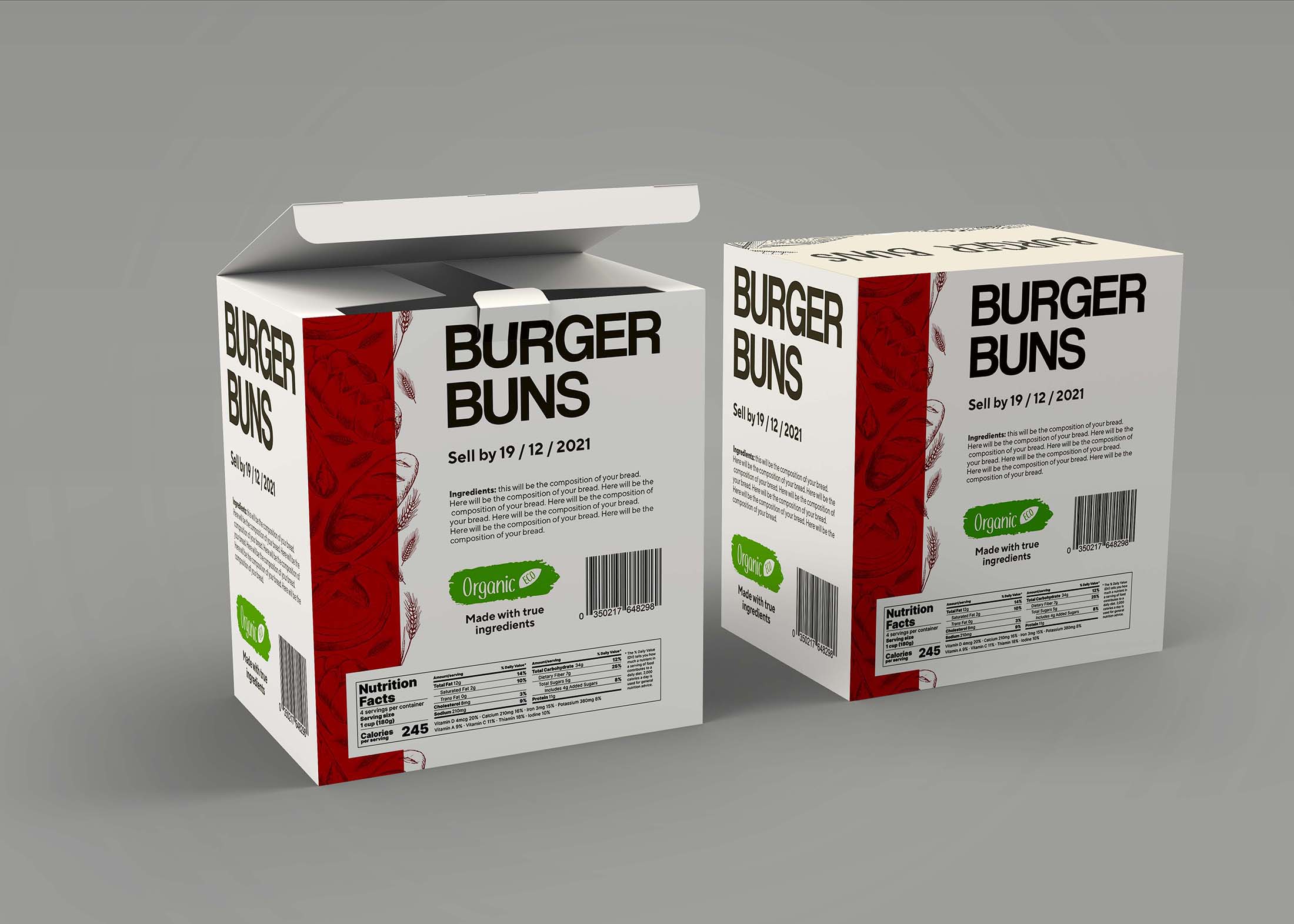
  • Use recycled paper or cardstock.
  • Incorporate plantable seed paper that can be planted after use.
  • Utilize natural dyes and inks.

These cards not only look good but also contribute positively to the environment.

7. Digital Cards

In the digital age, e-cards have gained popularity. They are convenient, customizable, and can be animated. Here’s how to create a compelling digital card:

  1. Choose a digital platform: Use software like Adobe Illustrator or Canva.
  2. Select animations: Incorporate subtle animations or GIFs to grab attention.
  3. Share via email or social media: Ensure your design is optimized for various platforms.

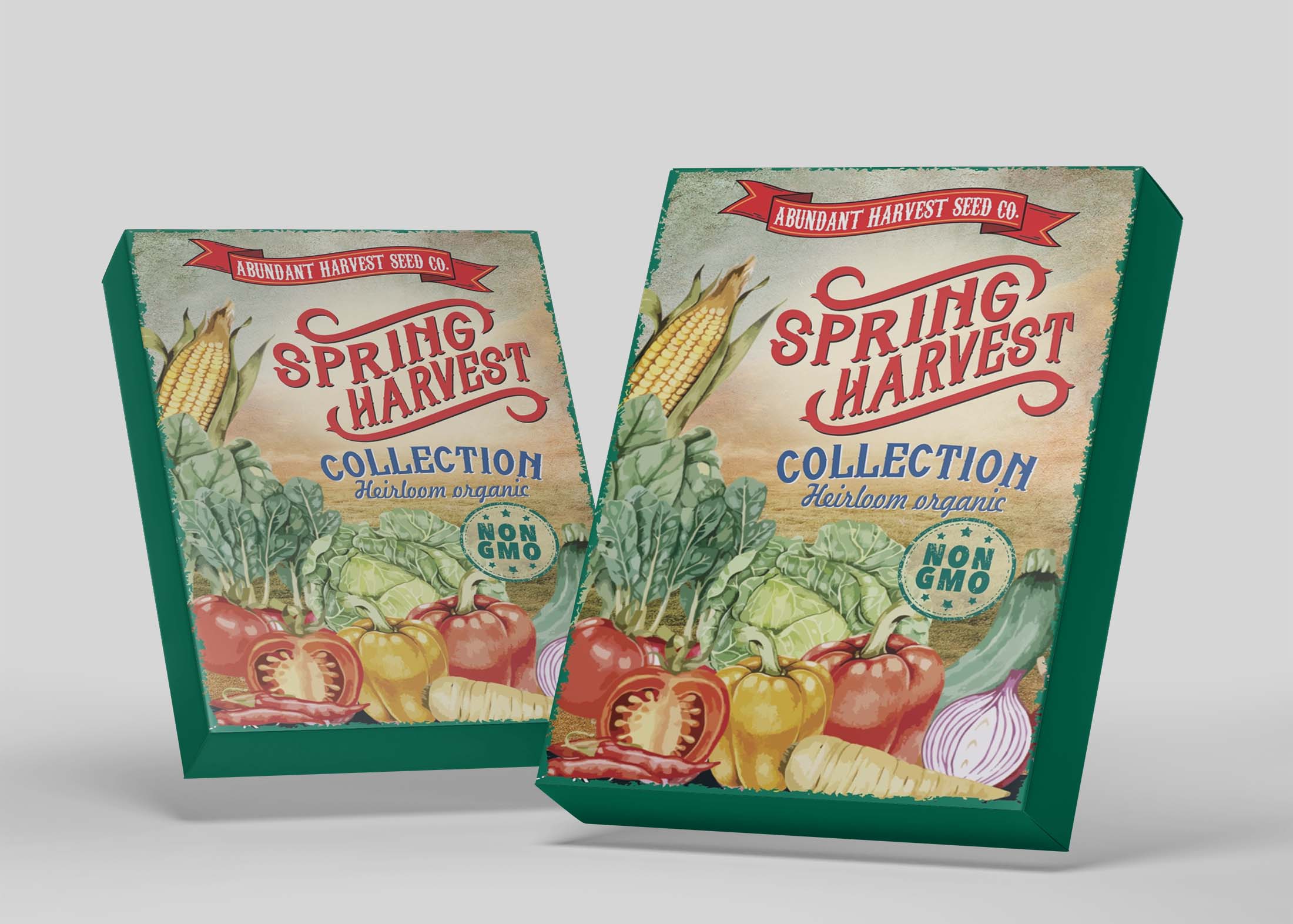
8. Vintage-Inspired Cards

Vintage designs evoke nostalgia and charm. To create a vintage-inspired card:

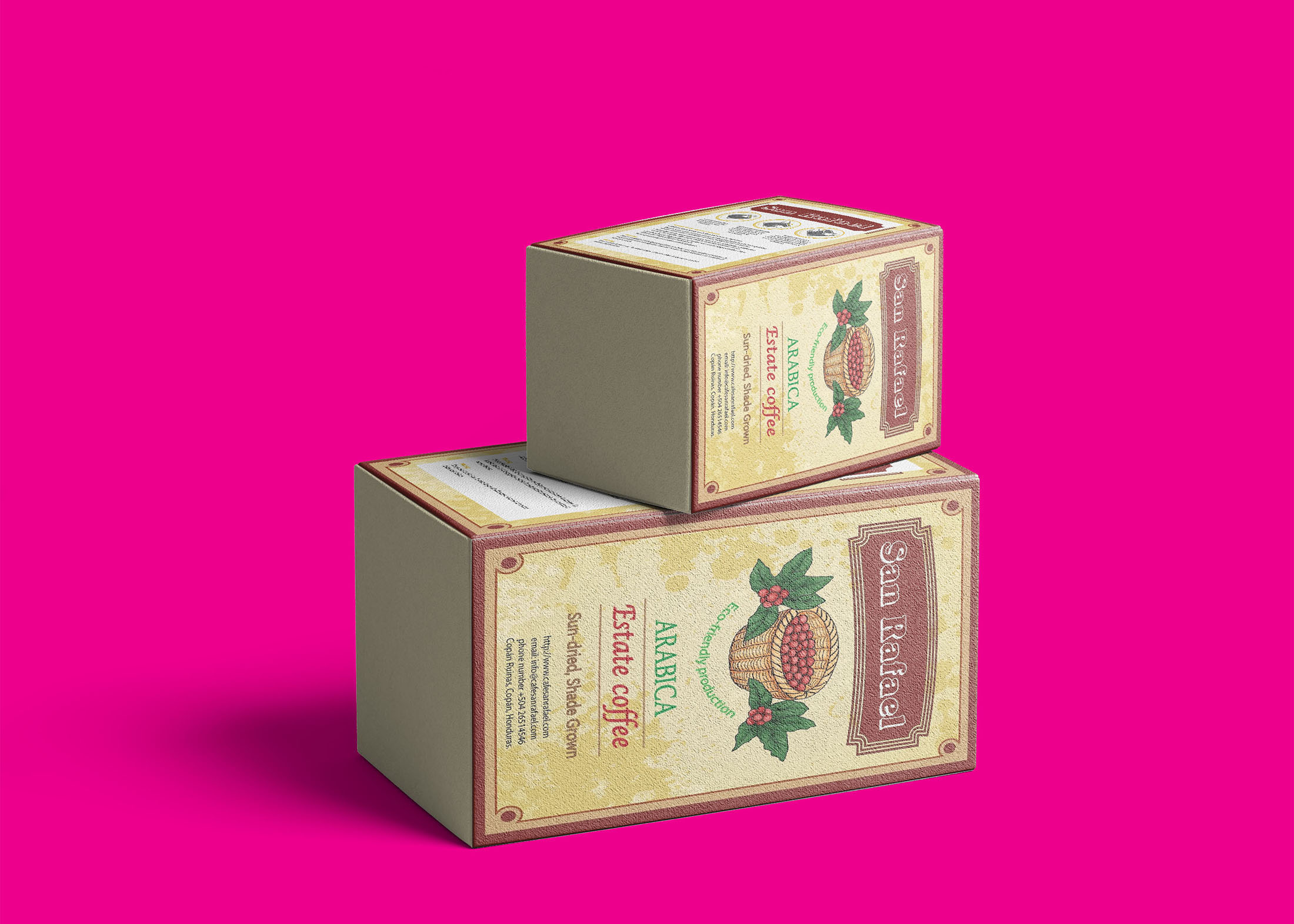
  • Choose an old-fashioned color palette (e.g., sepia, pastels).
  • Incorporate vintage typography.
  • Add distressed elements such as torn edges or faded images.

9. Transparent Elements

Using transparency can add a modern twist to card designs. This technique involves layering transparent materials over your card. Here’s how to implement it:

  1. Choose transparent materials: Consider using acetate sheets or vellum.
  2. Design your layers: Create graphics that can shine through the transparency.
  3. Assemble: Use adhesive that won’t show through the transparent layers.

10. Customized Envelope Designs

Don’t forget about the envelope! Customized envelopes can enhance your overall card presentation. Here are some creative envelope ideas:

  • Use patterned paper to make your envelopes pop.
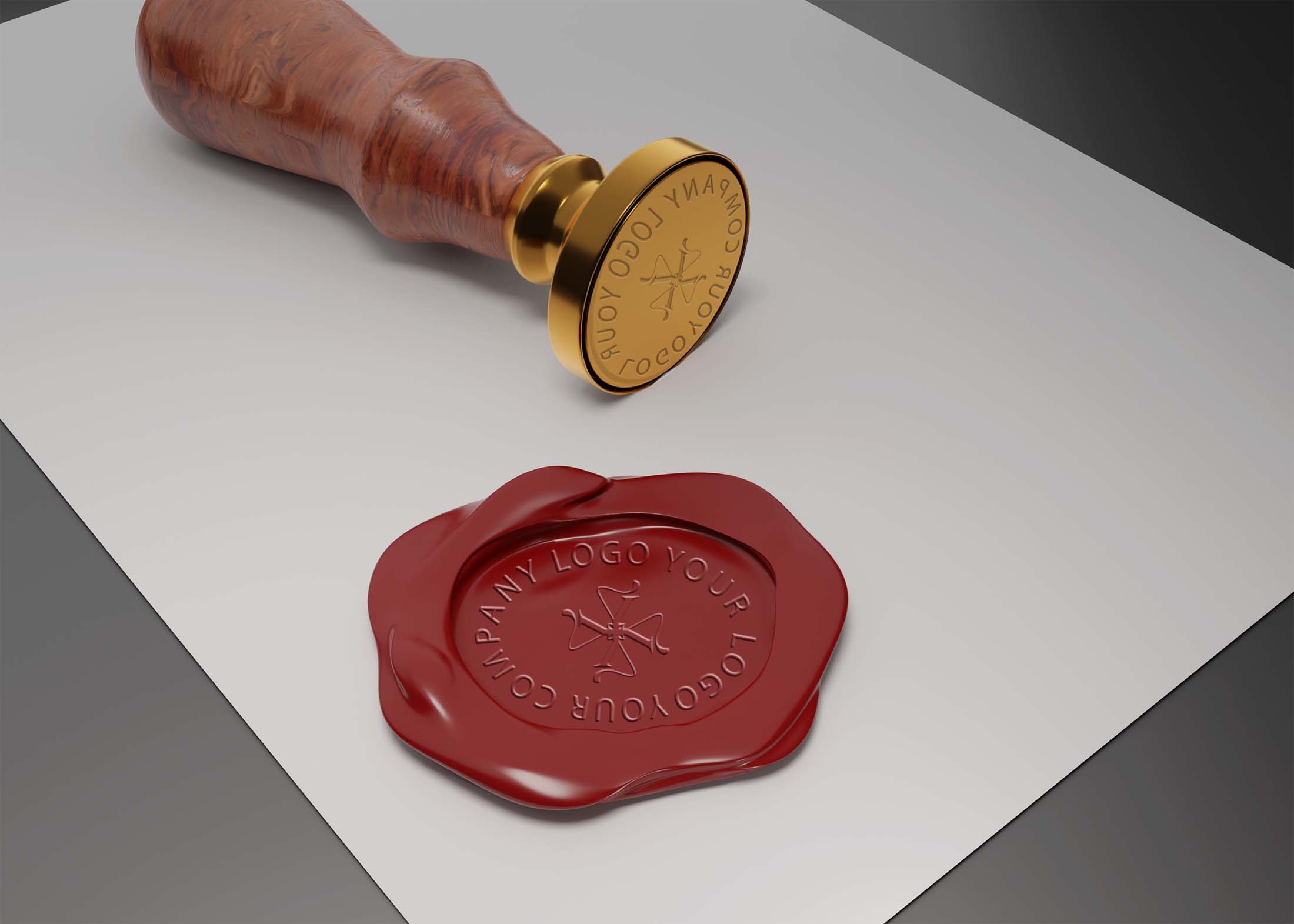
  • Add personalized stamps or seals.
  • Incorporate hand lettering for addresses to add a personal touch.

Conclusion

Card designing is a captivating blend of creativity and functionality. By exploring these ten innovative ideas and techniques, you can create designs that are not only visually appealing but also memorable. Embrace the opportunity to express your thoughts and occasions through unique cards that stand out. Remember that every card is a canvas for your creativity, so unleash your imagination and start designing!

FAQ

What are some unique card design ideas for special occasions?

Consider using pop-up elements, interactive features, or incorporating unconventional materials like fabric or wood to make your cards stand out.

How can I incorporate personal touches into my card designs?

You can add photographs, handwritten messages, or custom illustrations to create a more personal and meaningful connection.

What themes work well for card designs?

Popular themes include nature, minimalism, vintage, and modern abstract art. Choose a theme that resonates with the occasion and the recipient.

What are some popular color schemes for card designs?

Color schemes like pastel palettes, monochromatic tones, or vibrant contrasts can evoke different emotions and set the tone for your card.

How can I use typography effectively in card designs?

Select fonts that complement your theme and ensure readability. Mixing different font styles can add interest while maintaining balance.

What are some eco-friendly materials for card making?

Consider using recycled paper, plantable seed paper, or biodegradable materials to create sustainable and environmentally friendly cards.