Create Canva Templates That Sell: A Step-by-Step Guide

In the ever-evolving landscape of digital design, Canva has emerged as a powerful tool for both novices and seasoned designers alike. Creating stunning visuals that not only captivate an audience but also drive sales can seem daunting. However, with the right approach and techniques, you can design Canva templates that stand out in the marketplace, appealing to a wide range of potential customers. This article will guide you through the essential steps and strategies to create Canva templates that sell.

Understanding the Market

Before diving into the design process, it’s crucial to understand the market and audience for your templates. Here’s how you can get started:

Research Your Target Audience

  • Identify demographics: Consider age, profession, and interests.
  • Understand their needs: What problems are they trying to solve with templates?
  • Analyze competitors: What types of templates are successful in your niche?

Identify Popular Trends

Staying updated with design trends is key to creating appealing templates. Tools like Pinterest, Instagram, and design blogs can provide insights into popular styles and color palettes. Consider the following:

  • Color trends: Are pastels or bold colors currently in vogue?
  • Layout styles: Minimalism, maximalism, or vintage?
  • Typography: What fonts resonate with your audience?

Design Principles for High-Quality Templates

When designing templates, adhering to design principles will ensure that your creations are visually appealing and user-friendly. Here are some key principles to keep in mind:

Hierarchy and Alignment

Effective templates utilize hierarchy to guide the user’s eye. Consider:

  • Use larger fonts for headings and smaller for body text.
  • Align elements for a clean and organized layout.

Color Theory

Color plays a significant role in design. Aim for:

  • Complementary colors to create contrast.
  • Consistent color schemes across your templates.

Typography

Choosing the right typography can elevate your design. Here’s what to consider:

  • Limit to two or three font styles to maintain coherence.
  • Ensure legibility across different screen sizes.

Creating Your Templates in Canva

Now that you understand the market and design principles, it’s time to create your templates. Follow these steps:

Step 1: Set Up Your Canva Account

If you haven’t already, create a Canva account. Consider upgrading to a Pro version for access to advanced features like brand kits and premium templates.

Step 2: Choose the Right Template Size

Decide on the dimensions based on the intended use of your template. Popular sizes include:

Template Type Recommended Dimensions
Instagram Post 1080 x 1080 px
Facebook Cover 820 x 312 px
Presentation Slide 1920 x 1080 px
Business Card 3.5 x 2 inches

Step 3: Start Designing

Utilize Canva’s drag-and-drop features to bring your vision to life. Here are some tips:

  • Incorporate pre-made elements for efficiency.
  • Use the grid feature to maintain alignment.
  • Experiment with different backgrounds and textures.

Step 4: Add Customization Options

Make your templates user-friendly by allowing customization:

  • Use placeholder text that users can easily edit.
  • Add multiple color options for versatility.

Marketing Your Canva Templates

Creating the templates is just one part of the process; marketing them is equally important. Here are effective strategies to promote your Canva templates:

Utilize Social Media

Platforms like Instagram and Pinterest are ideal for showcasing your designs. Consider:

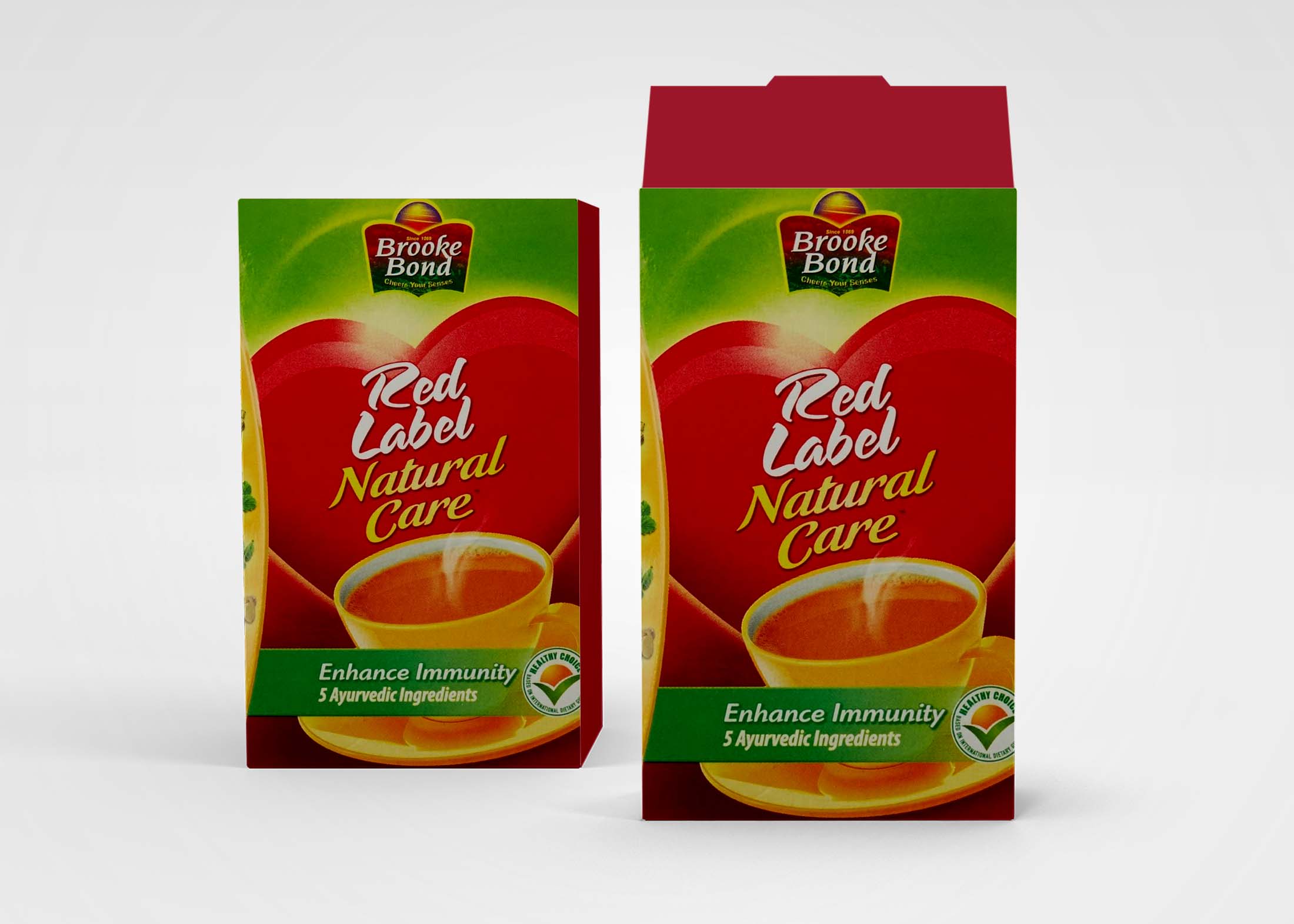
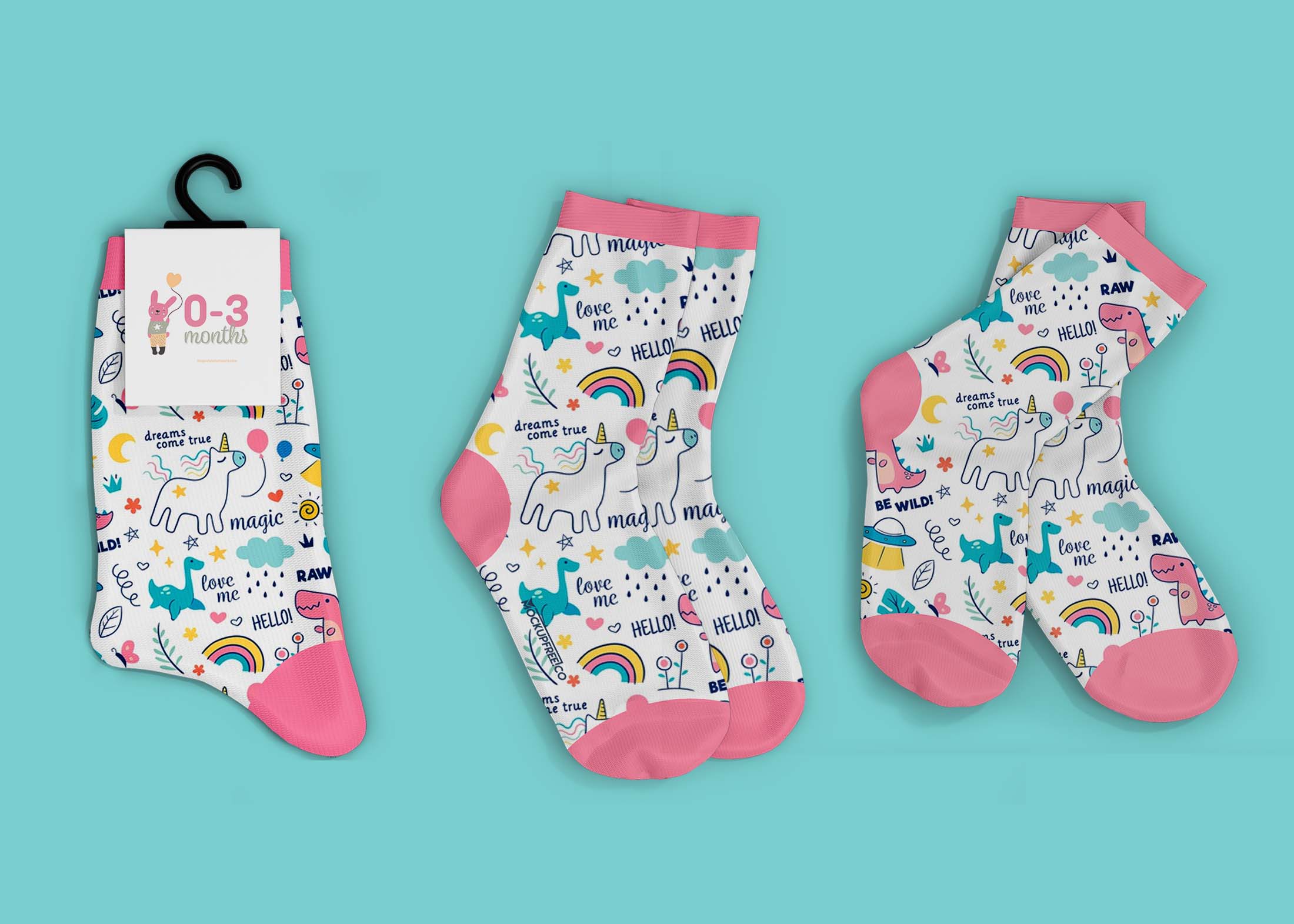
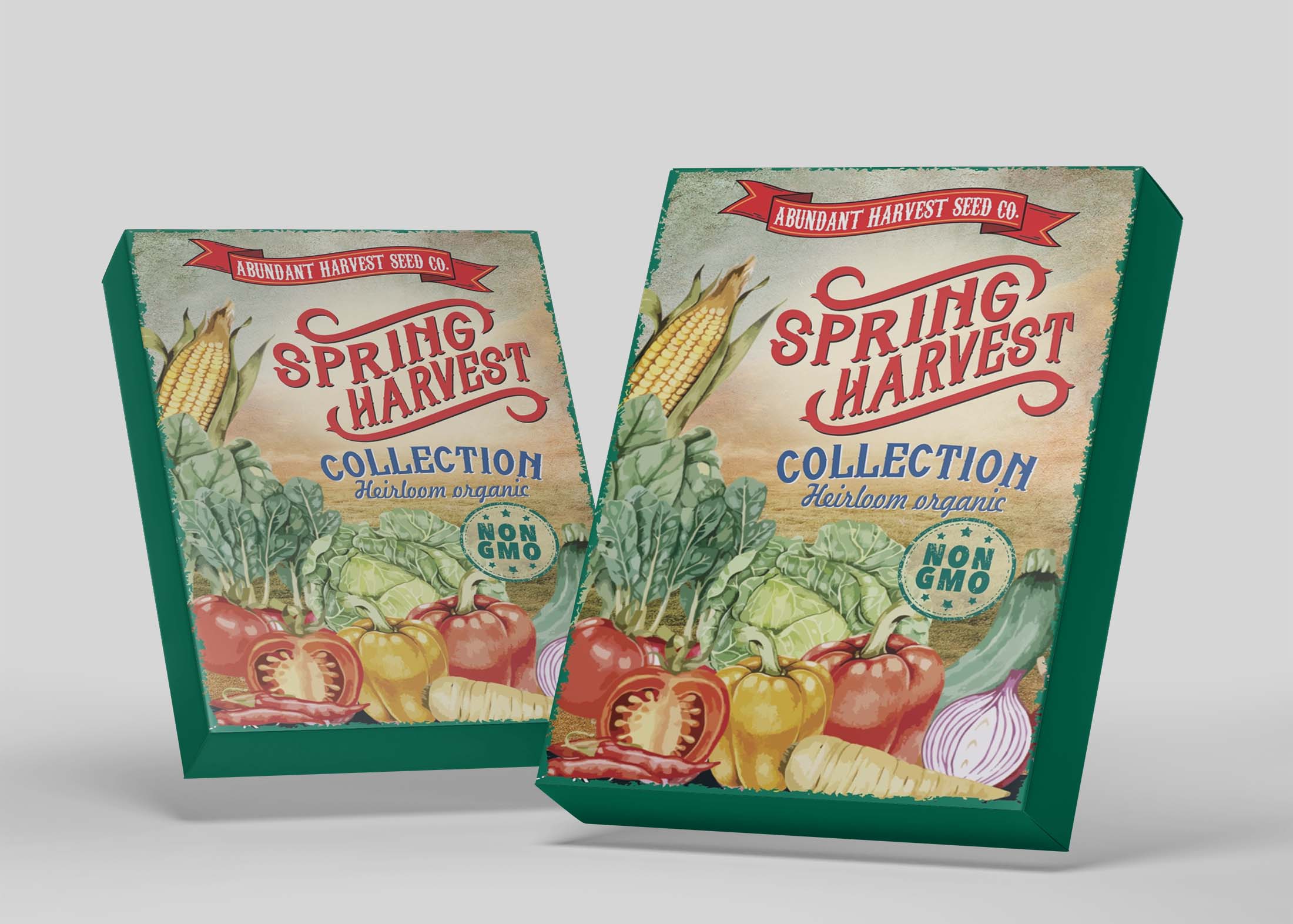
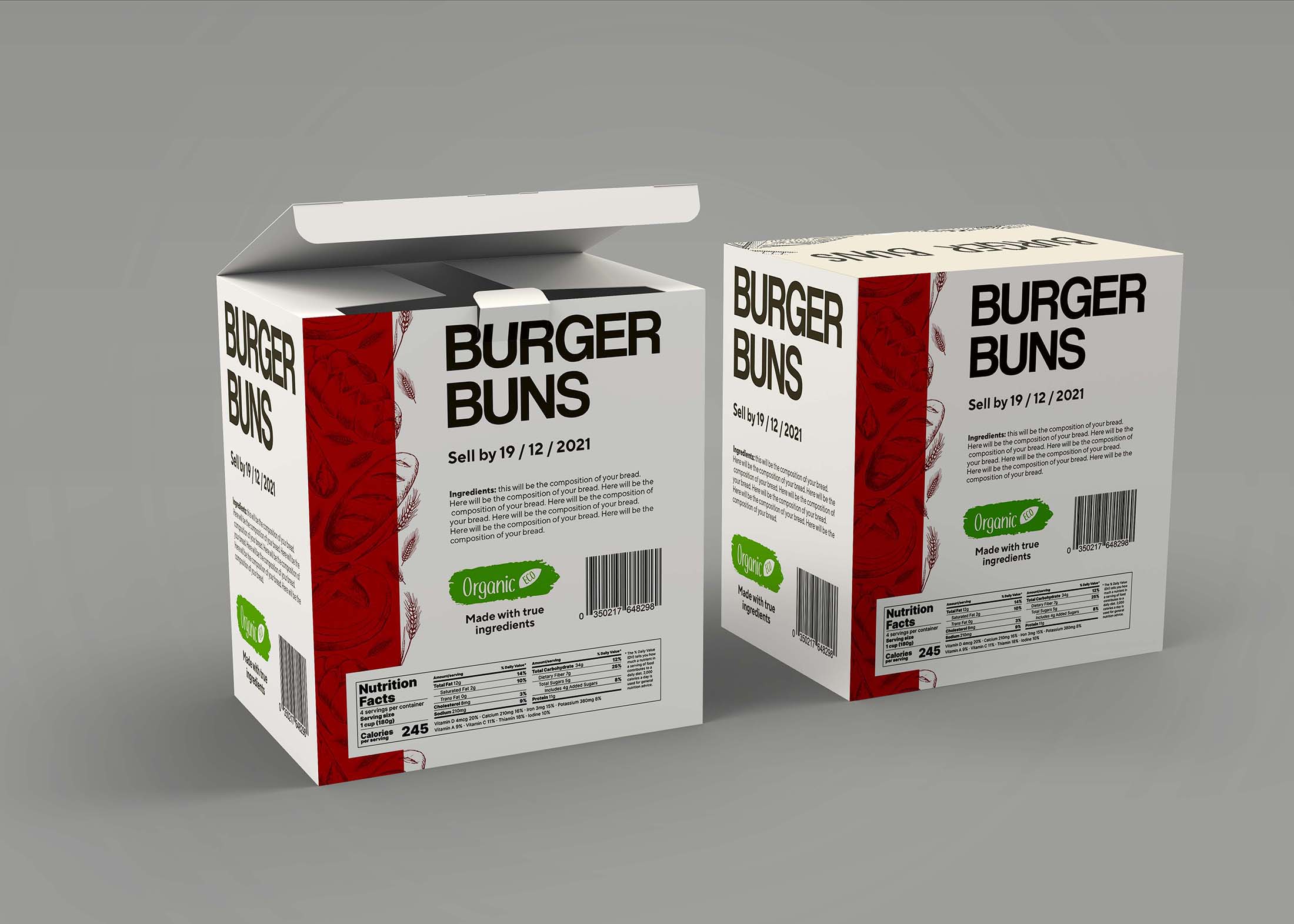
  • Posting mockups of your templates in use.
  • Engaging with your audience through stories and polls.

Leverage Marketplaces

Sell your templates on platforms such as:

  • Creative Market
  • Gumroad
  • Etsy

Create a Portfolio

A professional portfolio can enhance your credibility. Showcase:

  • Your best designs with clear descriptions.
  • Testimonials from satisfied clients.

Continuously Improve and Update

Design trends change frequently, so it’s essential to keep your templates fresh. Here’s how to stay relevant:

  • Solicit feedback from users to identify areas for improvement.
  • Regularly update your templates to reflect current trends.

Conclusion

Creating Canva templates that sell requires a combination of market research, design expertise, and effective marketing strategies. By understanding your audience and applying design principles, you can produce high-quality templates that not only look good but also fulfill the needs of your customers. Remember to stay updated with trends and continuously seek feedback to refine your offerings. With dedication and creativity, you can turn your Canva template designs into a profitable venture.

FAQ

What are Canva templates?

Canva templates are pre-designed layouts that users can customize for various purposes, such as social media posts, presentations, and marketing materials.

How can I create Canva templates that sell?

To create Canva templates that sell, focus on niche markets, ensure high-quality designs, make them easy to customize, and promote them effectively on platforms like Etsy or your own website.

What design elements should I include in my Canva templates?

Incorporate appealing color schemes, clear typography, and relevant graphics. Ensure your templates are versatile and cater to different styles or themes.

How do I price my Canva templates competitively?

Research similar templates in your niche, consider the quality and uniqueness of your designs, and set a price that reflects value while remaining attractive to potential buyers.

Where can I sell my Canva templates?

You can sell your Canva templates on platforms like Etsy, Creative Market, or your own online store. Social media and content marketing can also help drive traffic to your sales.

How do I promote my Canva templates effectively?

Utilize social media marketing, create engaging content showcasing your templates, collaborate with influencers, and use SEO strategies to enhance visibility in search results.