In today’s highly competitive marketplace, creating bold and captivating designs is essential for brands looking to stand out. A well-executed design can evoke emotions, communicate messages effectively, and ultimately drive sales. This article delves into the key elements of bold design, exploring strategies that can help you create visuals that not only attract attention but also convert viewers into loyal customers.
The Foundations of Bold Design
Bold design is not just about making things bright or large; it encompasses a range of principles that ensure designs are both impactful and functional. Here’s what you need to consider:
- Color Schemes: Use colors that create contrast and draw the eye. Bold designs often leverage vibrant colors or stark contrasts to make elements pop.
- Typography: Choose fonts that are strong and legible. Mix font weights creatively to add emphasis.
- Whitespace: Don’t be afraid of empty space. It can enhance the focus on the bold elements of your design.
- Imagery: Use striking images that resonate with your audience. High-quality visuals can make a massive difference.
Understanding Your Audience
Before diving into the design process, it’s crucial to understand who your audience is. Tailoring your designs to meet their preferences can exponentially increase your effectiveness. Consider the following:
Research and Analysis
- Demographics: Age, gender, location, and occupation can influence design preferences.
- Interests: What are your audience’s hobbies, passions, and values? Understanding this can guide your design choices.
- Trends: Stay updated with current design trends relevant to your audience to create designs that resonate.
Elements of Bold Design
Now that you have a grasp on your audience, it’s time to explore specific elements that contribute to bold design.
1. Color Theory
Color is a powerful tool in design. Here’s how to effectively use it:
| Color | Emotion | Use |
|---|---|---|
| Red | Passion, urgency | Calls to action |
| Blue | Trust, calm | Branding, professional settings |
| Yellow | Optimism, creativity | Attention-grabbing elements |
| Green | Growth, health | Eco-friendly themes |
| Purple | Luxury, creativity | Premium products |
2. Typography Choices
Typography can set the tone for your design. Consider:
- Hierarchy: Use different font sizes and weights to create a visual hierarchy.
- Pairing: Combine serif and sans-serif fonts for a modern yet classic touch.
- Readability: Ensure text is legible; avoid overly decorative fonts for body copy.
3. Consistency is Key
Maintaining a consistent style across all design elements reinforces brand identity. Here’s how to ensure consistency:
- Brand Guidelines: Develop a comprehensive style guide that details font usage, color codes, and logo placement.
- Templates: Utilize design templates to ensure uniformity while saving time.
- Feedback Loop: Regularly solicit feedback to ensure designs align with brand goals and audience expectations.
Creating Compelling Brand Stories
A bold design is even more impactful when paired with a compelling narrative. Storytelling in design can enhance engagement and conversion rates. Here’s how to craft your message:
1. Define Your Brand Message
Identify the core message you want to convey. This should reflect your brand’s values and mission. Ask yourself:
- What do you want your audience to feel?
- What action do you want them to take?
2. Visual Storytelling Techniques
Leverage visual elements to tell a story:
- Imagery: Use photos and graphics that support your narrative.
- Infographics: Condense complex information into easily digestible visuals.
- Videos: Incorporate short videos that showcase your brand’s journey or ethos.
Proven Strategies for Bold Design Implementation
After laying the groundwork, it’s time to implement your bold design. Here are strategies to consider:
1. A/B Testing
Testing different design elements can significantly impact effectiveness. Conduct A/B tests on:
- Color schemes
- Call-to-action buttons
- Imagery
2. User Feedback
Engage with your audience to gather insights on what resonates with them:
- Surveys
- Focus groups
- Social media polls
3. Stay Adaptable
The design landscape is continuously evolving. Stay flexible and ready to adapt your designs based on performance and user feedback.
Conclusion
Creating bold designs that sell is an art form that requires a deep understanding of your audience, strategic choices in design elements, and the ability to tell compelling stories. By focusing on color, typography, consistency, and audience engagement, you can craft designs that not only capture attention but also drive conversions. Remember, the goal is not only to make things visually appealing but to ensure that every design decision aligns with your brand’s objectives and resonates with your target market.
FAQ
What are the key elements of bold design?
Key elements of bold design include strong typography, vibrant colors, unique layouts, and engaging visuals that capture attention.
How can I use color effectively in bold designs?
Using a limited color palette with high-contrast colors can create impactful visuals. Experiment with complementary colors to evoke emotions and draw attention.
What role does typography play in bold design?
Typography is crucial in bold design; it sets the tone and conveys the message. Use large, readable fonts with personality to make a statement.
How do I balance boldness with usability in design?
Ensure that bold elements do not compromise usability by maintaining clear navigation, readable content, and accessible design principles.
What are some examples of bold design in marketing?
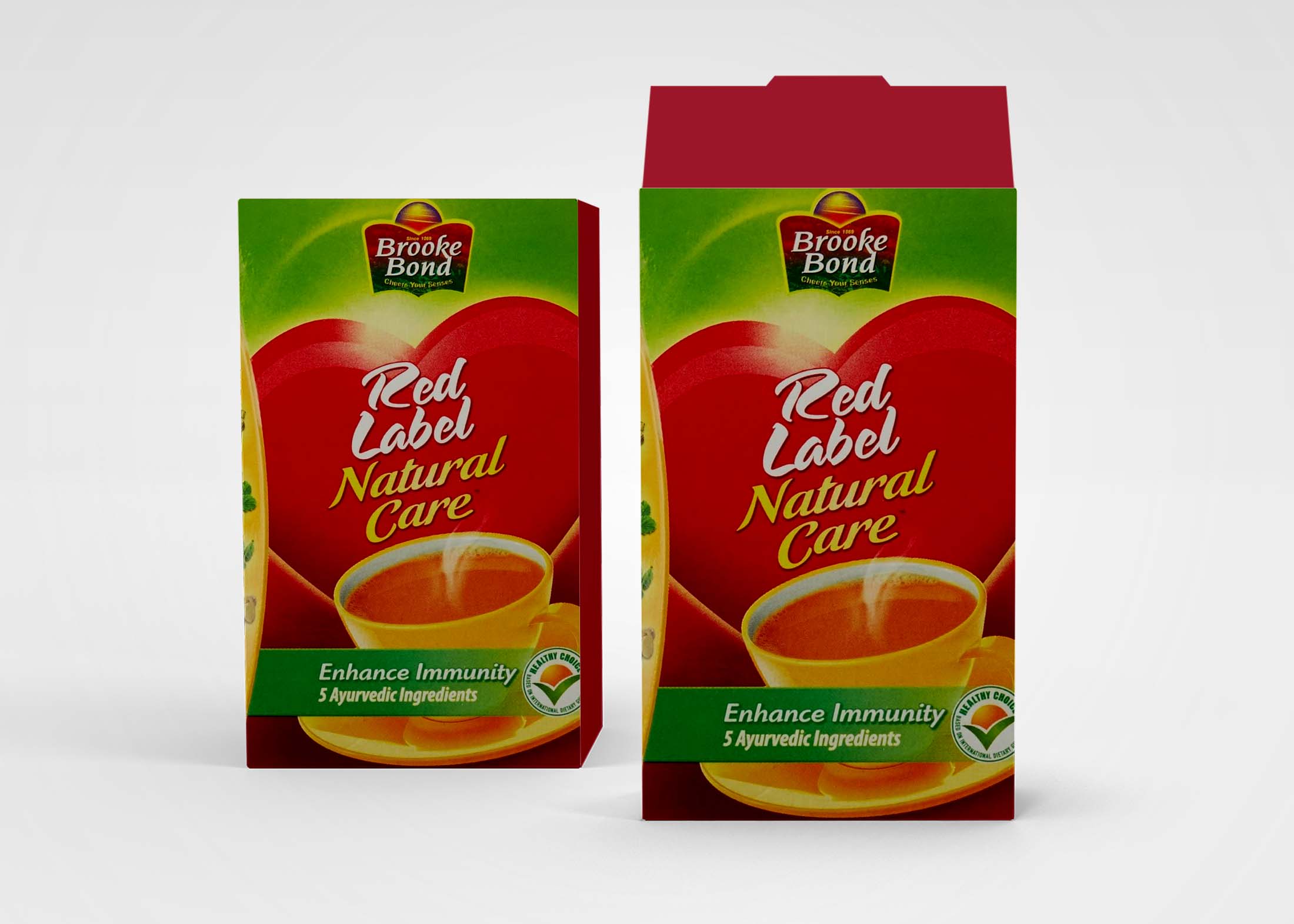
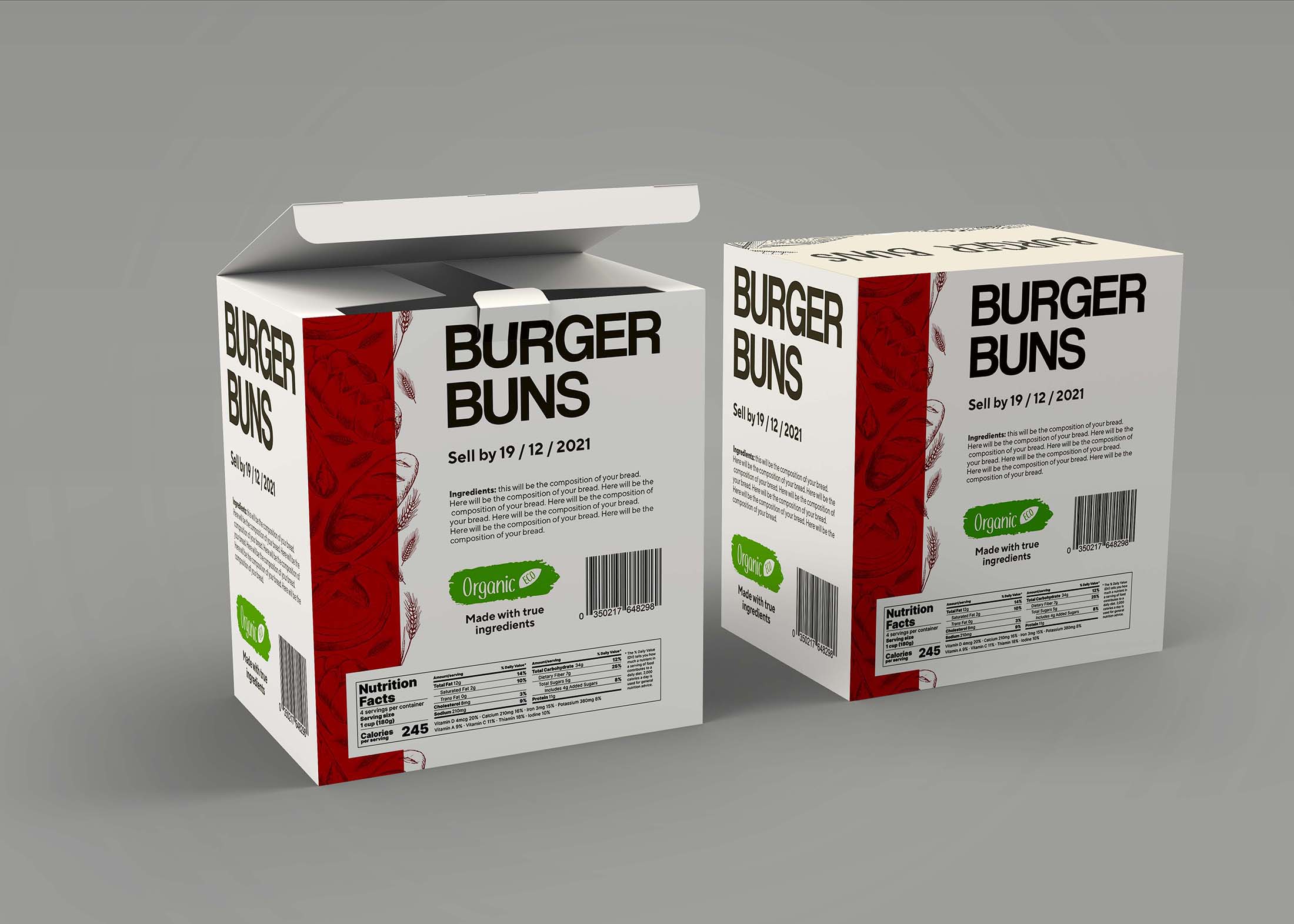
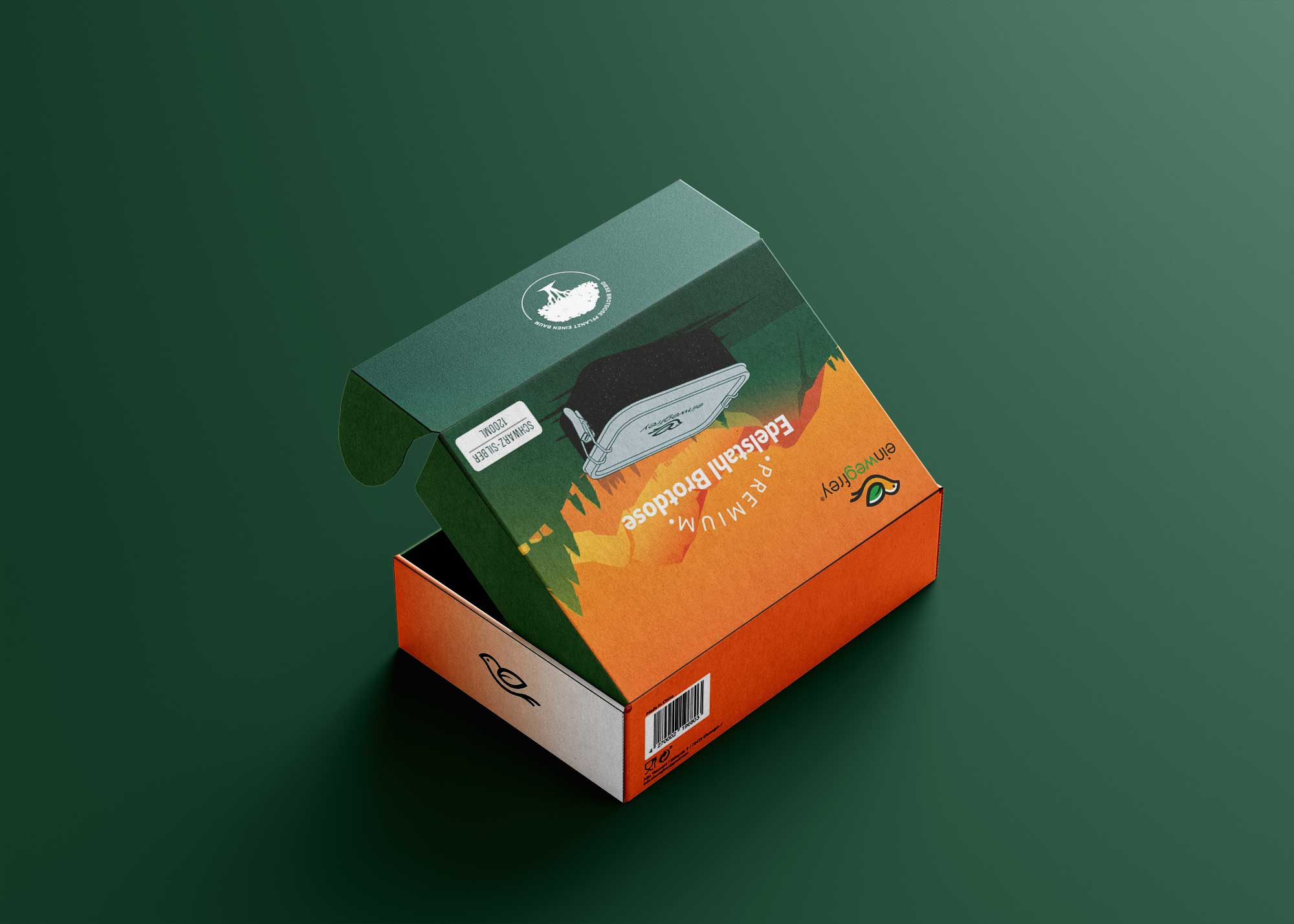
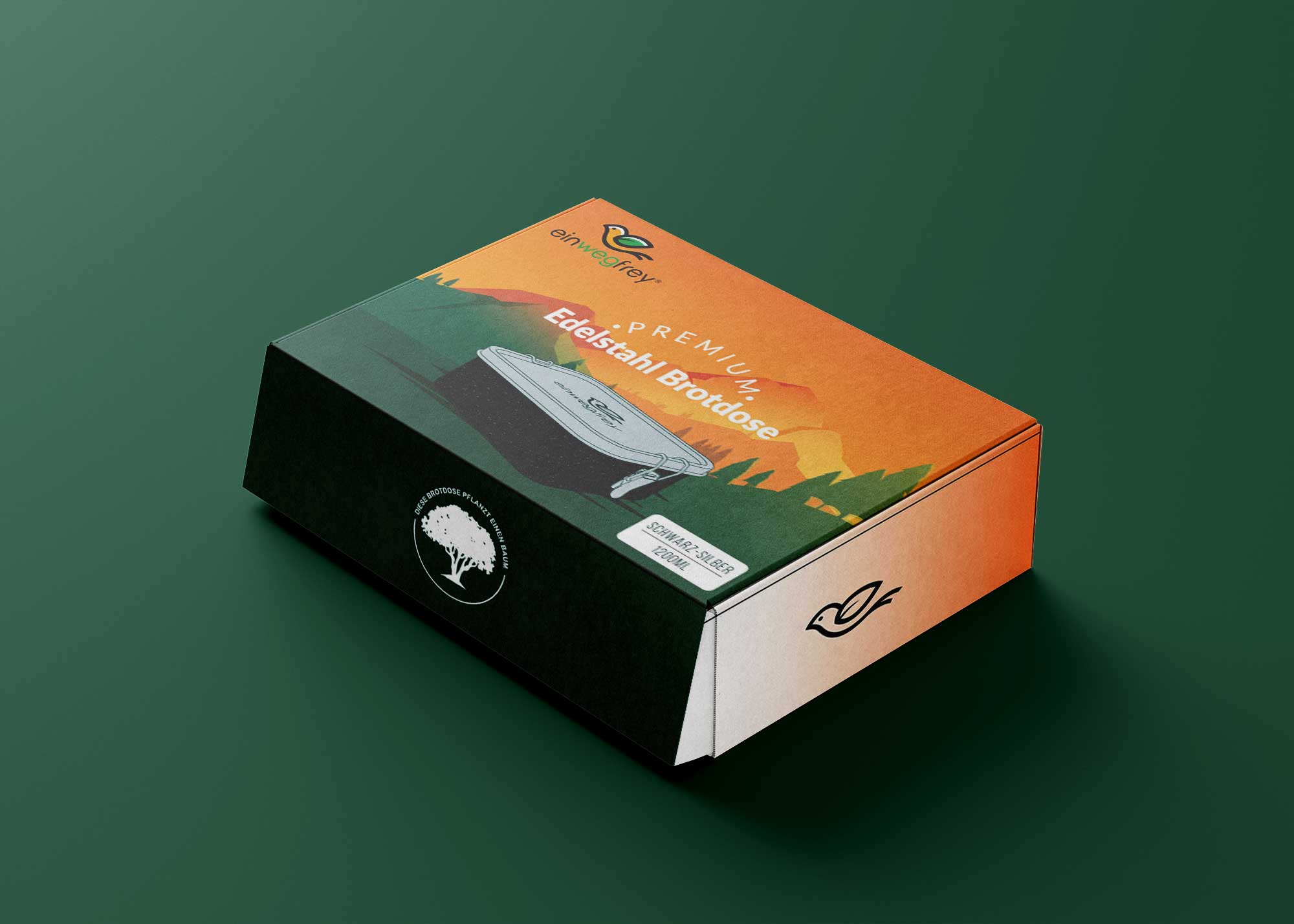
Examples include striking ad campaigns, eye-catching product packaging, and memorable logos that utilize strong graphics and impactful messaging.
How can I test the effectiveness of my bold designs?
Conduct A/B testing to compare different design variations, gather user feedback, and analyze conversion rates to determine what resonates best with your audience.