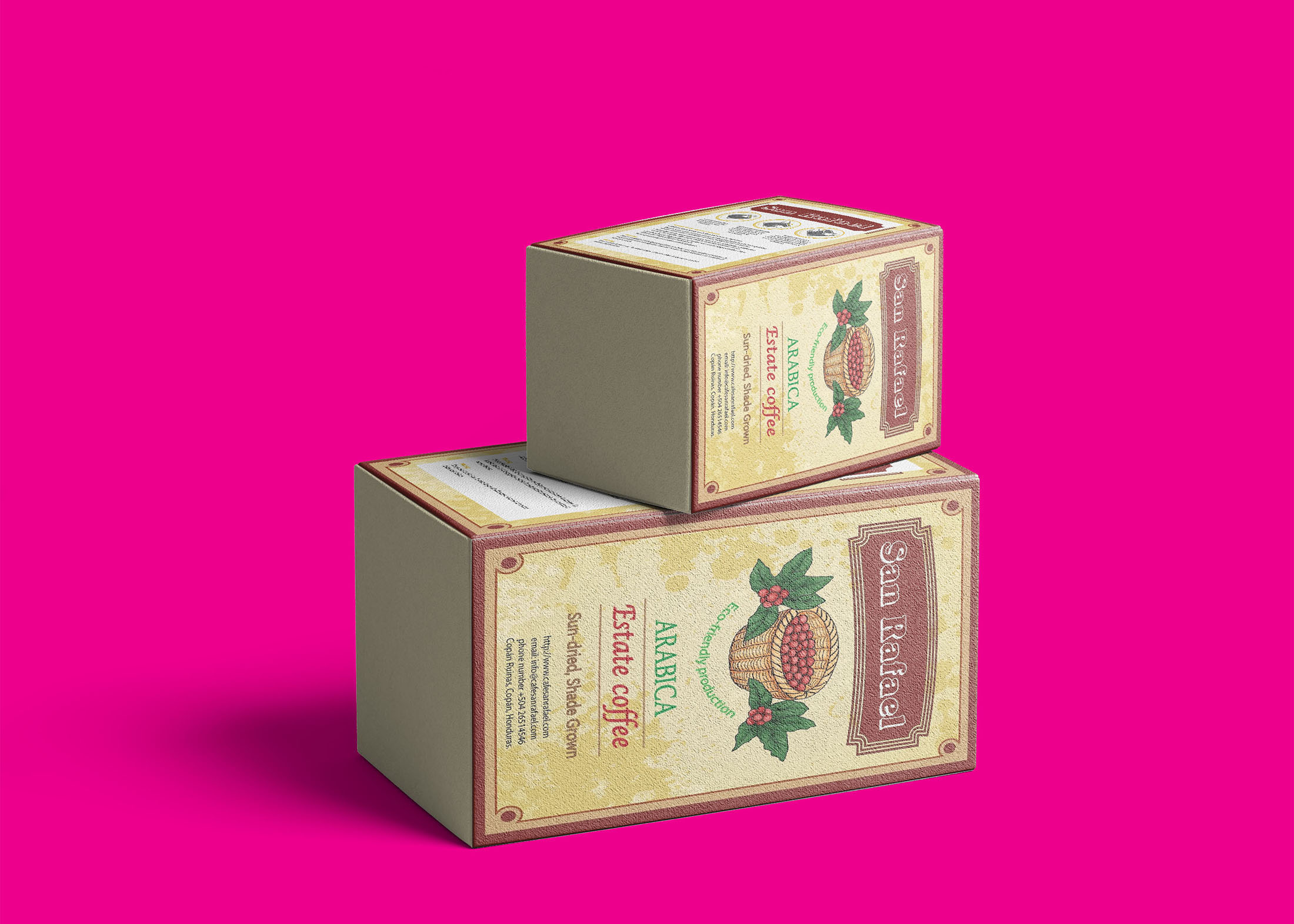
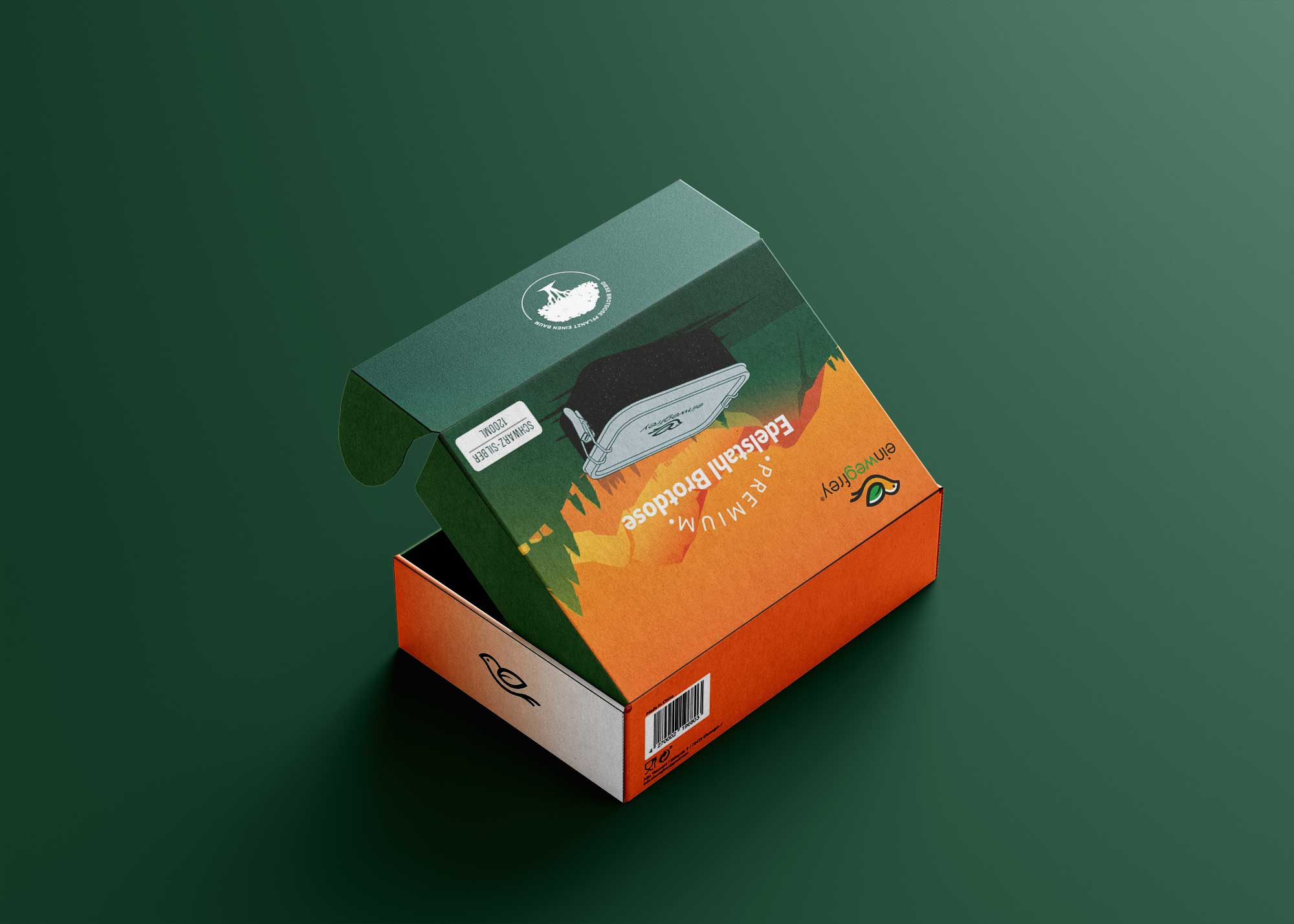
In the digital age, a portfolio website is not just a means to showcase your work; it’s a representation of your personal brand. It can set the tone for how potential clients perceive your capabilities and creativity. With countless professionals vying for attention, having a unique and creative portfolio can make all the difference. In this article, we will explore some of the most innovative and inspiring portfolio websites that stand out due to their creativity, functionality, and design.
1. The Minimalist Approach
Less is often more in web design. Websites that embrace minimalism can convey professionalism and clarity. A well-executed minimalist portfolio puts the focus squarely on the work itself.
Key Features:
- Simple color schemes
- Ample white space
- High-quality images
Example:
Jesse Showalter uses a clean and simple layout to present his design work. The website features large images and straightforward navigation.
2. Interactive Elements
Enhancing user experience is paramount, and interactive elements can make a portfolio more engaging. Incorporating animations or interactive features can encourage visitors to explore further.
Key Features:
- Hover effects
- Scrolling animations
- Interactive showcases
Example:
Adham Dannaway incorporates a unique interactive interface where users can see his skills in action. His portfolio mimics a real development environment, showcasing his talent while engaging users.
3. Bold Typography
Typography is a powerful tool in web design. Using bold, creative fonts can help convey personality and style. Designers who harness typography effectively can create a memorable visual hierarchy.
Key Features:
- Custom fonts
- Text animations
- Contrasting color combinations
Example:
Jessica Walsh‘s website employs large, striking typography that draws the eye and emphasizes her distinctive style. It’s a testament to how words can play a crucial role in design.
4. Asymmetrical Design
Breaking the grid can lead to unexpected and exciting layouts. Asymmetrical designs are visually stimulating and can make a portfolio feel fresh and modern.
Key Features:
- Uneven spacing
- Dynamic layouts
- Unexpected alignments
Example:
Bruno Simon showcases his work through an asymmetrical layout that keeps users engaged. The unconventional design mirrors his artistic approach, making the site memorable.
5. Cinematic Experiences
Some portfolios take it a step further by creating immersive experiences akin to short films. Using video backgrounds or full-screen visuals can draw visitors into a narrative.
Key Features:
- High-quality videos
- Scroll-triggered animations
- Storytelling elements
Example:
Johan van der Zanden utilizes video backgrounds to create an emotional connection with viewers. The cinematic elements enhance the overall storytelling aspect of his work.
6. Artful Use of Color
Color can evoke feelings and set the tone of a portfolio. Creative use of color palettes can either reinforce a brand identity or create a memorable aesthetic.
Key Features:
- Consistent color schemes
- Color contrasts
- Use of gradients
Example:
Yuna Lee showcases her work with a vibrant color palette that reflects her artistic personality. The strategic use of colors makes her work pop, guiding the user’s attention effectively.
7. Unique Navigation Styles
Navigation is an essential aspect of any website. Creative navigation styles, such as hidden menus or unconventional layouts, can enhance user experience and encourage exploration.
Key Features:
- Non-linear navigation
- Click-triggered menus
- Gesture-based navigation on mobile
Example:
Fubiz employs a non-traditional navigation style that encourages users to explore creatively. By blurring the lines between typical site structures, Fubiz captures visitors’ attention.
8. Story-driven Portfolios
Storytelling can transform a portfolio from a mere collection of works into an engaging narrative. By weaving personal stories into their presentations, designers can create a deeper connection with their audience.
Key Features:
- Sequential storytelling
- Personal anecdotes
- Visual storytelling elements
Example:
Robby Leonardi turns his portfolio into an interactive storybook, guiding users through his journey and showcasing his skills in a compelling way.
9. Use of Micro-interactions
Micro-interactions are small animations that occur in response to user actions, such as hovering or clicking. These interactions can enhance user engagement and provide contextual feedback.
Key Features:
- Feedback animations
- Subtle transitions
- Visual cues
Example:
Tim Roussilhe employs micro-interactions throughout his site, making the experience more enjoyable and intuitive for users.
10. Personal Branding
A portfolio is a reflection of an individual’s brand. Infusing personal branding elements—such as logos, taglines, and custom graphics—can make a portfolio truly unique.
Key Features:
- Custom logos
- Consistent visual identity
- Personal mission statements
Example:
Sarah Drasner has crafted her portfolio with strong personal branding elements, clearly communicating her expertise while fostering a connection with her audience through her unique style.
Conclusion
In the competitive landscape of creative portfolios, standing out is crucial. By exploring these innovative approaches, designers can find inspiration to craft their own unique portfolios. Whether through minimalism, interactivity, or bold storytelling, the possibilities are endless. Creativity knows no bounds when it comes to personal branding, and a well-designed portfolio can open doors to exciting opportunities. As you embark on your portfolio journey, remember to infuse your personality and style, making it a true reflection of who you are as a creative professional.
FAQ
What are some examples of creative portfolio websites?
Some examples of creative portfolio websites include visually stunning designs, interactive elements, and unique layouts that showcase the artist’s work effectively.
Why is having a creative portfolio website important?
A creative portfolio website is important because it allows professionals to showcase their work, attract potential clients, and establish a personal brand online.
How can I make my portfolio website stand out?
To make your portfolio website stand out, focus on a unique design, use high-quality visuals, and ensure easy navigation while highlighting your best work.
What should I include in my creative portfolio?
Your creative portfolio should include a selection of your best work, a brief bio, client testimonials, and contact information.
Are there any tools to create a creative portfolio website?
Yes, there are several tools available such as Wix, Squarespace, and WordPress that help you create a creative portfolio website easily.
How often should I update my portfolio website?
You should update your portfolio website regularly, ideally whenever you complete new projects or gain new skills to keep it fresh and relevant.