10 Bold Typography Ideas You Must Try

Typography is an integral part of design that transcends mere text; it enhances communication, sets the tone of a brand, and creates visual hierarchy. In a world where attention spans are dwindling, bold typography can capture attention and convey messages effectively. This article explores ten innovative and bold typography ideas that can elevate your design projects and make them stand out.

1. Layered Text Effects

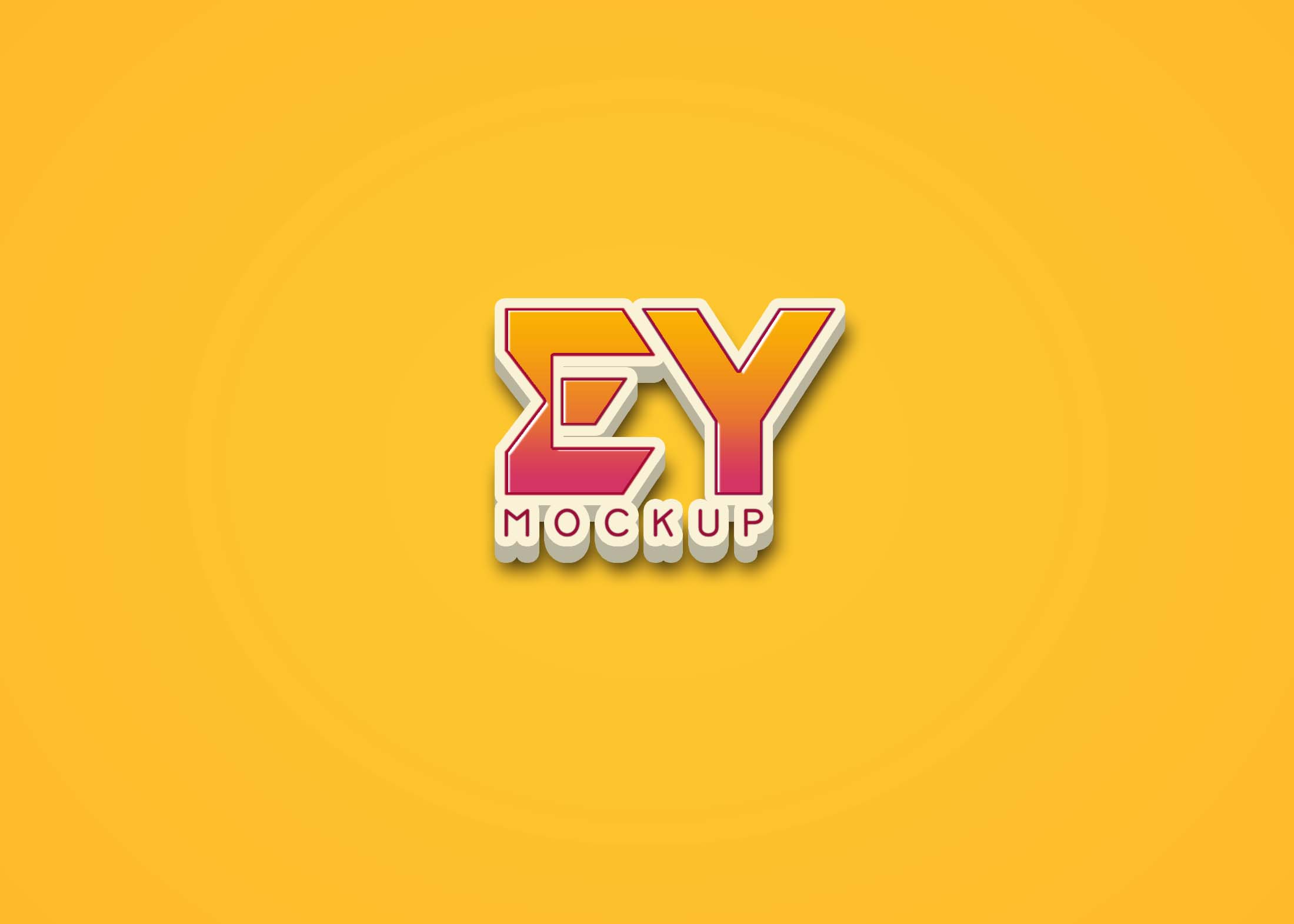
Layering typography can create depth and dimension, making text pop off the page or screen. This technique involves overlapping letters and adding shadows or gradients for a 3D effect.

How to Achieve Layered Text:

  • Choose a bold font as your base.
  • Duplicate the text layer.
  • Offset the duplicate slightly and apply a contrasting color.
  • Add a shadow for added depth.

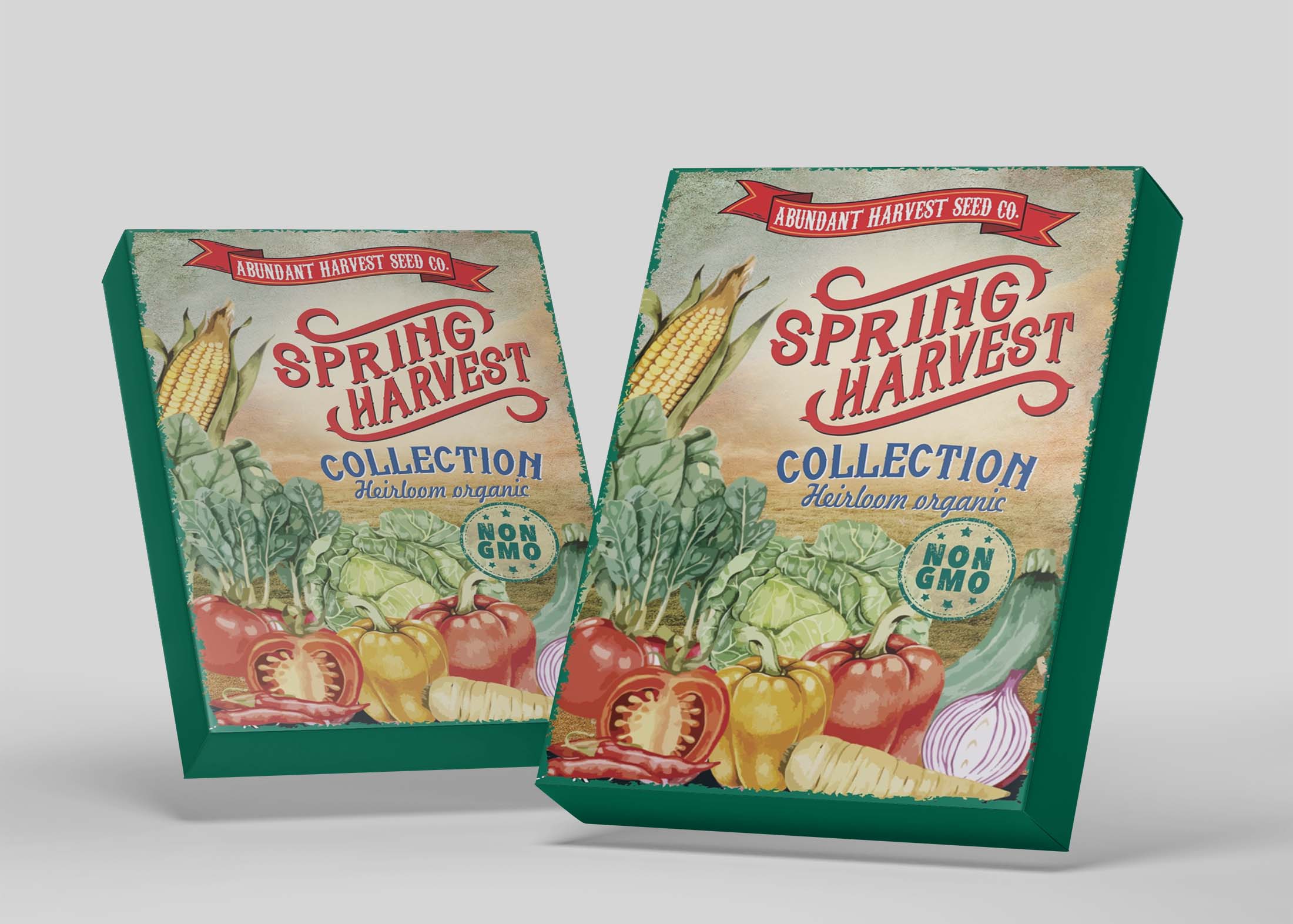
2. Vintage Typography

Vintage typography is making a major comeback, appealing to nostalgia and timelessness. Incorporating retro typefaces can make your design feel classic and unique.

Popular Vintage Fonts:

Font Name Style Usage
Garamond Serif Books, Invitations
Futura Sans-serif Posters, Branding
Rockwell Slab Serif Headlines, Logos

3. Custom Lettering

Nothing speaks individuality like custom lettering. Hand-drawn or digitally created, this style allows designers to create unique type that reflects their creativity and brand personality.

Tips for Custom Lettering:

  1. Sketch your ideas on paper before digitizing.
  2. Explore various styles—cursive, block, or abstract.
  3. Use vector software for crisp lines and scalability.

4. Monospace Fonts

Monospace fonts, where each letter takes the same width, are not just for coding anymore. They can create a structured and modern feel, perfect for tech-related designs.

When to Use Monospace Fonts:

  • Web design for a tech startup.
  • Presentations highlighting data or coding.
  • Posters that require clean, uniform text.

5. Expressive Typography

Expressive typography involves using fonts that evoke emotions and tell stories. This approach blends creativity with messaging, making your text a focal point.

Examples of Expressive Typography:

Consider using:

  • Handwritten fonts for a casual feel.
  • Bold sans-serifs for a modern, strong statement.
  • Decorative fonts for artistic projects.

6. 3D Typography

3D typography adds a striking visual element to any design. This style can be achieved through various techniques, including shading, reflections, and perspective.

Creating 3D Text:

  1. Choose a suitable font with thick strokes.
  2. Apply gradient colors to enhance the 3D effect.
  3. Add highlights and shadows to increase realism.

7. Bold Color Combinations

Pairing bold typography with contrasting colors can create eye-catching designs. This approach not only grabs attention but can also help convey the brand message more effectively.

Effective Color Combinations:

Text Color Background Color
White Royal Blue
Black Coral
Yellow Dark Gray

8. Minimalistic Typography

Less is often more, especially in typography. Minimalistic fonts keep the focus on the message without unnecessary distractions, making them perfect for modern designs.

Characteristics of Minimalistic Typography:

  • Simplicity: Clean lines, no frills.
  • Neutral colors: Often monochrome.
  • Generous white space: Enhances readability.

9. Typographic Hierarchy

Creating a clear typographic hierarchy helps guide the reader’s eye through the content. By using different font sizes, weights, and styles, you can emphasize important information.

How to Establish Hierarchy:

  1. Select a primary font for headings.
  2. Use a secondary font for body text.
  3. Differentiate with sizes and weights.

10. Motion Typography

Incorporating motion into typography adds an engaging element to digital designs. Animated text can draw attention and enhance the user experience on websites and apps.

Ideas for Motion Typography:

  • Text that fades in or out.
  • Letters that bounce or slide into place.
  • Scrolling text for announcements or headlines.

In conclusion, typography is more than just a design element; it’s a crucial aspect of communication that shapes perception. By experimenting with bold typography ideas, you can create captivating designs that not only attract attention but also leave a lasting impression. Whether you choose to layer your text, explore vintage styles, or incorporate custom lettering, the possibilities are endless. So, dive into these typography ideas and transform your design projects today!

FAQ

What are some popular bold typography ideas for websites?

Some popular bold typography ideas for websites include oversized headings, contrasting font weights, dynamic text animations, creative typographic layouts, and using bold fonts for calls to action.

How can I choose the right bold font for my project?

When choosing a bold font for your project, consider factors like readability, the overall aesthetic of your design, and the message you want to convey. It’s also helpful to test how it looks in different sizes and contexts.

What are the benefits of using bold typography in design?

Bold typography can enhance readability, draw attention to key information, create visual hierarchy, and add personality to your design, making it more engaging for viewers.

Can bold typography be used effectively in print design?

Yes, bold typography can be very effective in print design. It can help emphasize important text, improve legibility, and create a striking visual impact in brochures, posters, and other printed materials.

What are some tips for pairing bold typography with other fonts?

When pairing bold typography with other fonts, aim to create contrast by using complementary styles. Pair a bold font with a lighter, more delicate typeface, and ensure that they share some common characteristics like x-height or stroke width for harmony.