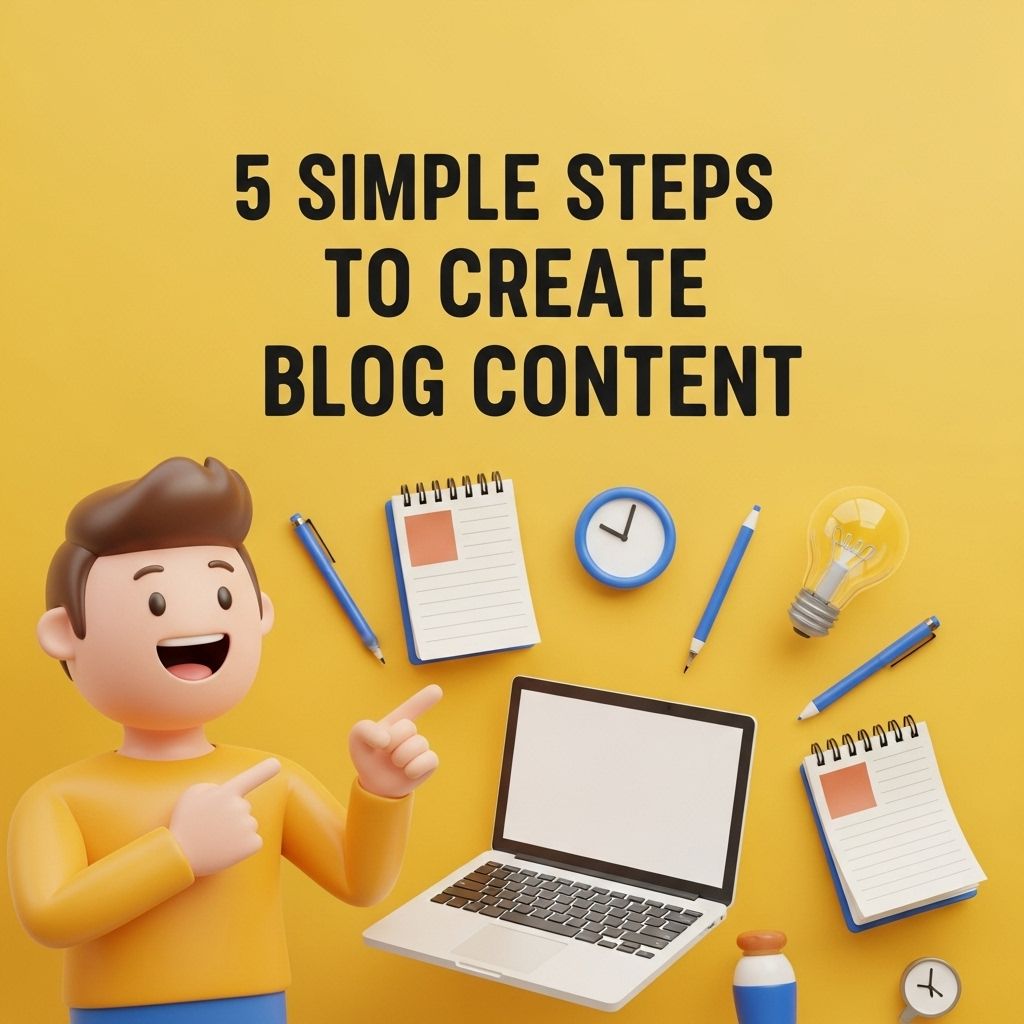
Design Stunning Posters: Tips for 2023

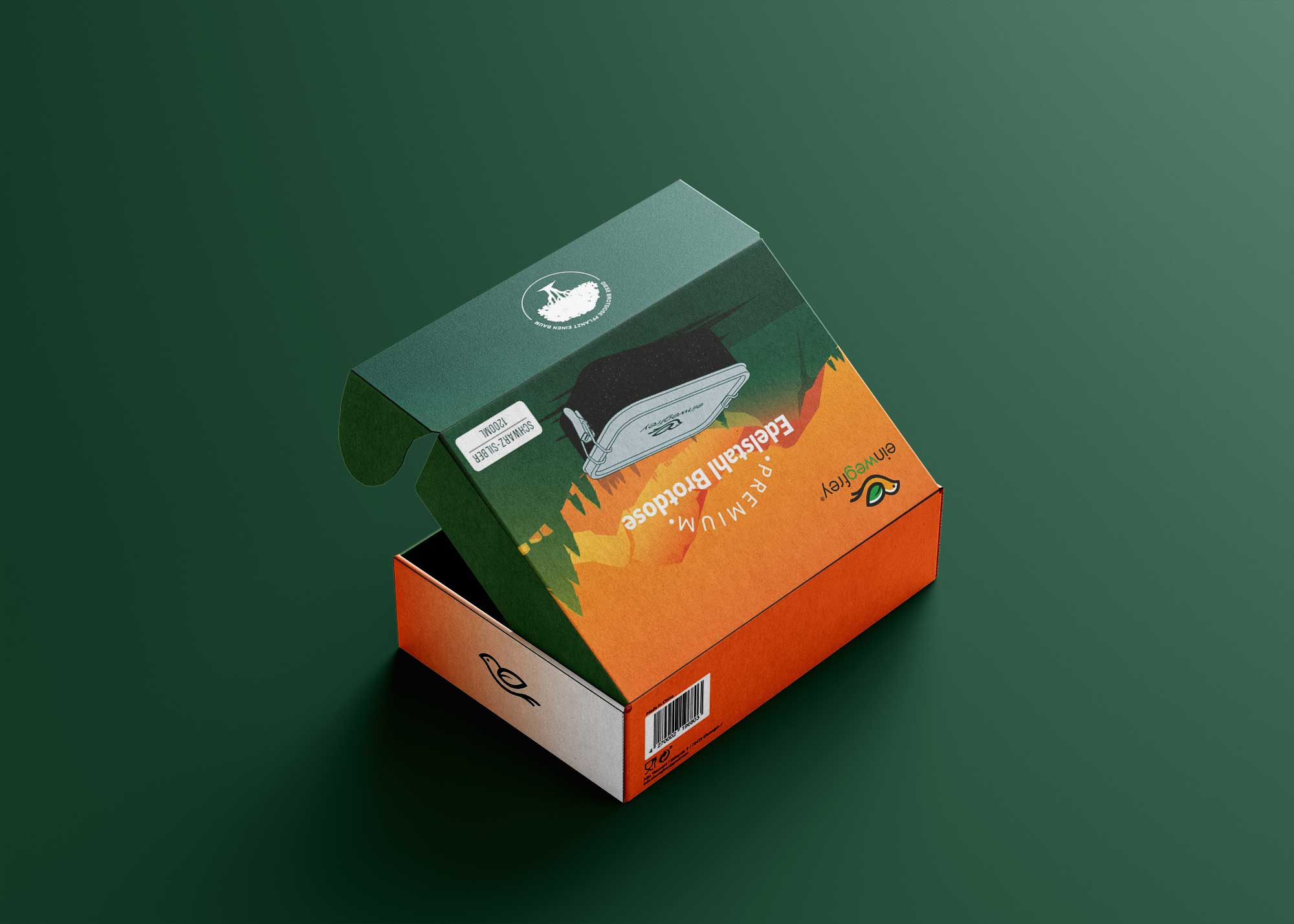
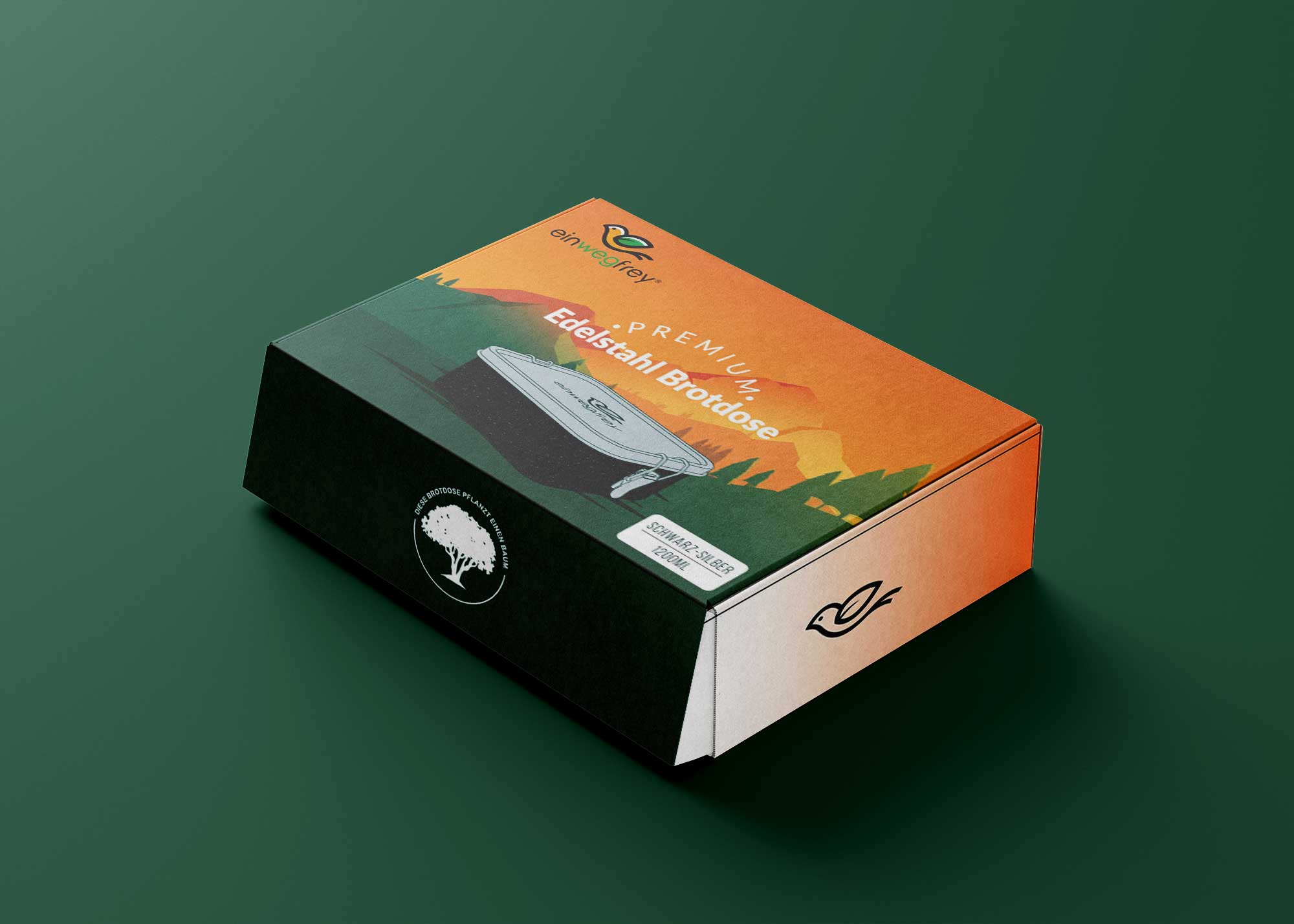
Creating stunning posters is a combination of artistic vision and technical skills. In today’s digital age, design software has made it easier than ever to assemble eye-catching and impactful visuals. Whether for events, marketing campaigns, or personal projects, a well-designed poster can convey your message effectively and attract attention. This article will explore current design trends, essential tips, and resources to help you create posters that not only stand out but also resonate with your audience.

Understanding the Basics of Poster Design

Before diving into the creative process, it’s essential to grasp some fundamental aspects of poster design:

  • Purpose: Define what you want to achieve with your poster. Is it for an event, advertisement, or informational purpose?
  • Audience: Know who your target audience is. Understanding their preferences will guide your design choices.
  • Size: Determine the size of your poster. Common sizes include A2, A3, and custom dimensions based on your needs.

Current Design Trends

Staying updated with design trends can help your work feel fresh and relevant. Here are some trends to consider this year:

1. Minimalism

The minimalist aesthetic emphasizes simplicity by using a limited color palette, clean lines, and ample white space. This approach can make your content stand out and ensure that the message is clear.

2. Bold Typography

Typography is a powerful element in poster design. Experimenting with bold and expressive fonts can create a strong visual impact. Consider the following:

  • Choose contrasting font styles for hierarchy.
  • Use large type sizes for headlines.
  • Maintain readability from a distance.

3. Vibrant Colors

Utilizing bright, vibrant colors can make your poster pop. Complementary color schemes work well to create visual interest. Here’s a basic table of color combinations:

Base Color Complementary Color
Blue Orange
Yellow Purple
Red Green

Choosing Design Software

The right software can significantly enhance your design workflow. Here are some popular options:

  1. Adobe Illustrator: Industry standard for vector graphics.
  2. Canva: User-friendly online tool with templates.
  3. Affinity Designer: A cost-effective alternative to Adobe.

Essential Elements of a Great Poster

To create a poster that captures attention, incorporate these key elements:

1. Eye-catching Imagery

Images are often the first thing that draw people in. Ensure you use high-resolution graphics that align with your branding.

2. Clear Messaging

Your message should be concise and easy to understand. Limit your text and focus on the main points. Use bullet points or short sentences.

3. Call to Action (CTA)

A strong CTA encourages viewers to take the next step. Make it compelling and easy to follow, such as:

  • “Visit our website for more info!”
  • “Book your tickets now!”

Design Process: Step by Step

Follow this structured process to streamline your poster design:

1. Research

Gather inspiration by looking at successful posters in your niche. Note what elements work well and consider how you can adapt them.

2. Sketch Your Ideas

Before jumping into digital design, sketch out your ideas on paper. This will help you visualize layout and composition.

3. Digital Mockup

Use your chosen software to create a digital mockup. Experiment with different layouts and color schemes.

4. Feedback

Share your design with peers or mentors to gather constructive feedback. This can provide new insights and improvements.

5. Final Edits

Make necessary adjustments based on feedback and prepare your file for printing or online distribution.

Printing Tips for Posters

Once your design is ready, consider the following printing tips:

  • Choose the Right Material: Options include glossy, matte, or textured paper. Consider where and how the poster will be displayed.
  • Check Color Settings: Ensure colors are in CMYK format for printing.
  • Resolution: Aim for 300 DPI to ensure high print quality.

Promoting Your Poster

A stunning poster deserves to be seen. Here are ways to promote it:

  1. Share on social media platforms.
  2. Post physical copies in high-traffic areas.
  3. Collaborate with local businesses for cross-promotion.

Conclusion

Designing stunning posters combines creativity with technical skill. By understanding current trends, utilizing effective design elements, and following a structured process, you can create impactful posters that resonate with your audience. Remember, great design takes practice, so keep experimenting and refining your skills. With the right tools and techniques, your posters can leave a lasting impression.

FAQ

What are the key elements of a stunning poster design?

Key elements include a compelling headline, striking visuals, balanced layout, effective use of colors, and clear call-to-action.

What design software is best for creating posters?

Popular design software for creating posters includes Adobe Illustrator, Canva, and Photoshop, each offering unique features for different skill levels.

How do I choose the right color scheme for my poster?

Choose a color scheme that reflects your message and brand identity, and consider color psychology to evoke the desired emotions in your audience.

What size should my poster be for optimal visibility?

Common poster sizes are 24×36 inches for large displays and 11×17 inches for smaller formats; choose based on your display location and audience.

How can I ensure my poster stands out in a crowd?

Use bold typography, high-quality images, and unique design elements to create visual interest, and keep the message clear and concise.

What are some tips for printing my poster effectively?

Use high-resolution images, select appropriate paper stock, and consider professional printing services to ensure the best quality for your poster.