10 Common Logo Design Mistakes to Avoid

Creating a compelling logo is an essential step for any business or brand. A well-designed logo serves not only as a visual representation of your company but also conveys its values, goals, and uniqueness. However, many designers, especially those who are just starting out, often make common mistakes that can undermine the effectiveness of their logo. Understanding these pitfalls is crucial for producing a logo that resonates with your target audience and stands the test of time.

Understanding the Importance of Logo Design

A logo is often the first impression a customer has of a brand. It sets the tone for how consumers perceive your business. A strong logo can enhance brand recognition, convey professionalism, and build trust. Here are some key reasons why getting your logo design right is critical:

  • Brand Identity: Your logo is a visual representation of your brand, encapsulating its essence.
  • Memorability: A unique logo helps your brand stand out and be remembered in a crowded marketplace.
  • Versatility: A well-designed logo can be used across various platforms and mediums without losing its integrity.

Common Logo Design Mistakes

To ensure your logo achieves its intended purpose, it’s crucial to avoid common design pitfalls. Here are ten mistakes to steer clear of:

1. Overcomplication

Simplicity is key in logo design. A complex logo with too many details can confuse viewers and may not scale well. Aim for a design that is clean and easy to recognize. Consider the following:

  • Use minimalistic shapes and colors.
  • Avoid excessive text or intricate patterns.
  • Focus on one or two main elements.

2. Poor Font Choice

The typography used in your logo can make or break its effectiveness. Here are some font-related issues to avoid:

  1. Using overly decorative fonts that reduce readability.
  2. Choosing a font that doesn’t align with your brand’s personality.
  3. Using too many different fonts within one logo.
Good Font Characteristics Poor Font Characteristics
Clean and legible Decorative and complex
Reflective of brand identity Generic and uninspiring
Timeless Trendy and short-lived

3. Ignoring Scalability

Your logo should look good at any size, whether on a business card or a billboard. To ensure scalability:

  • Design in vector format to maintain quality across sizes.
  • Test your logo in various dimensions to ensure it remains clear.
  • Avoid intricate details that may become indistinct when scaled down.

4. Using Trendy Design Elements

While it’s tempting to incorporate current design trends, doing so can date your logo quickly. Instead, focus on creating a timeless design that can endure changes in fashion. Consider the following:

  • Stick to classic colors and shapes.
  • Limit your use of trendy patterns and effects.
  • Evaluate the longevity of design trends before adopting them.

5. Color Overload

Color plays a vital role in logo design, influencing how customers perceive your brand. Avoid these common mistakes:

  1. Using too many colors can make your logo chaotic.
  2. Neglecting to consider color psychology, which can convey different emotions and messages.
  3. Failing to test how your logo appears in black and white.

6. Lack of Originality

In a world saturated with logos, originality is crucial. A logo that resembles others in your industry can confuse consumers and harm your brand’s identity. To foster originality:

  • Research competitor logos to identify common elements.
  • Brainstorm unique concepts that reflect your brand’s mission.
  • Consider hiring a professional designer for a fresh perspective.

7. Forgetting About the Target Audience

Your logo should resonate with your target audience. Neglecting this can lead to a disconnect between the brand and its consumers. To connect with your audience:

  • Understand their preferences and values.
  • Conduct surveys or focus groups to gather feedback on initial designs.
  • Tailor your design choices to align with your audience’s expectations.

8. Over-Reliance on Effects

While effects like gradients, shadows, and 3D elements can enhance a design, overusing them can clutter a logo and distract from its core message. To avoid this:

  • Use effects sparingly and purposefully.
  • Prioritize clarity over flashy effects.
  • Consider how effects will translate across different formats.

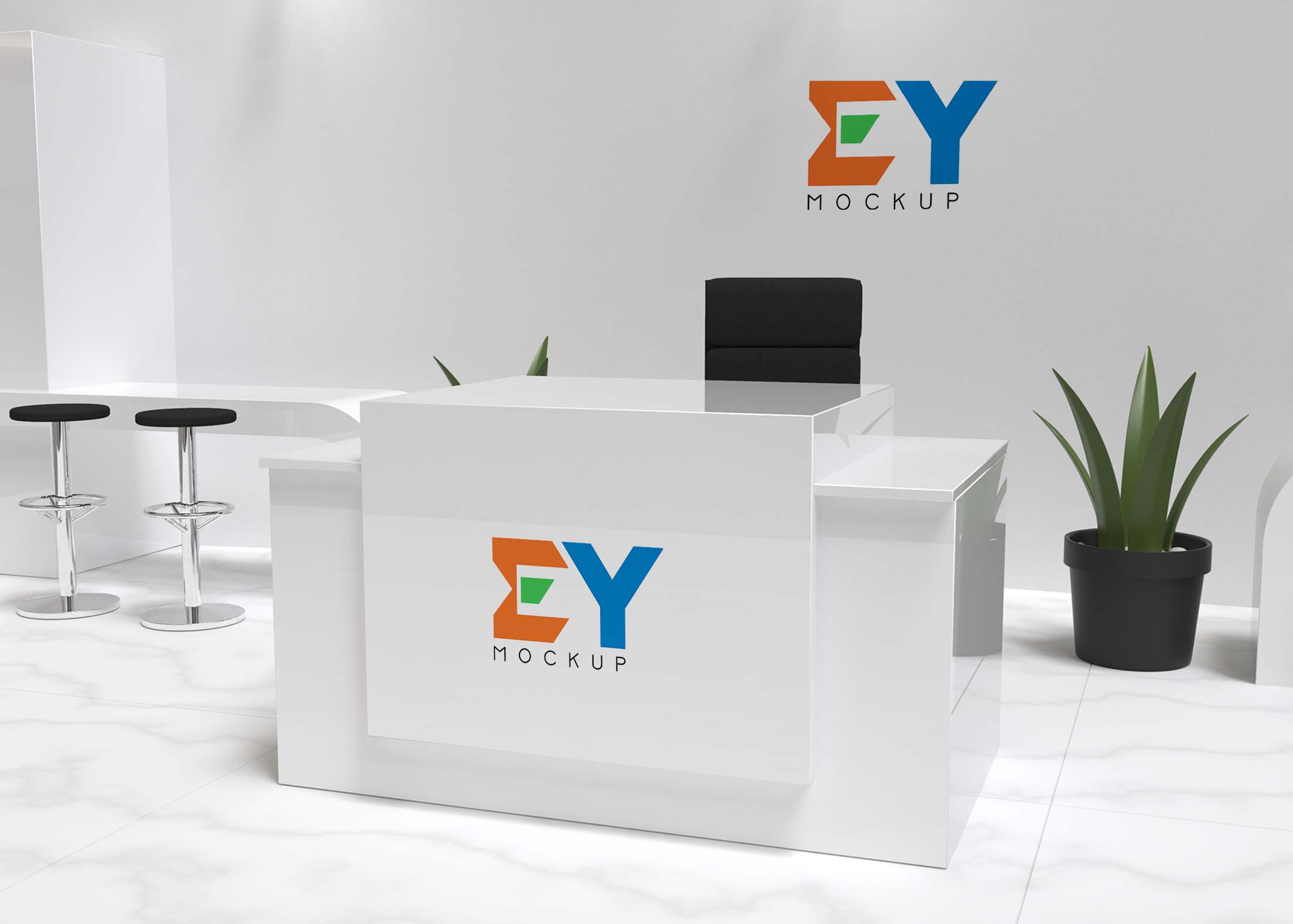
9. Neglecting the Logo’s Context

Your logo will appear in various contexts, from websites to promotional materials. Ensure your design works across all settings:

  • Test how your logo looks on different backgrounds.
  • Ensure it’s adaptable for various applications, such as merchandise or social media.
  • Consider how it will look in both digital and print formats.

10. Ignoring Feedback

Feedback is a vital part of the design process, yet many designers overlook it. To improve your logo:

  • Seek input from colleagues, friends, or potential customers.
  • Be open to constructive criticism and make adjustments accordingly.
  • Test variations of your design based on feedback before finalizing.

Conclusion

A well-designed logo is a powerful asset for any brand, but it requires careful consideration and planning to create one that truly represents your business. By avoiding the common mistakes outlined above, you can develop a logo that is not only eye-catching but also effective in conveying your brand’s message. Remember, the goal is to create a logo that stands out, remains relevant, and fosters brand loyalty over time. Take the time to invest in thoughtful design, and your logo will undoubtedly become a significant part of your business identity.

FAQ

What are common logo design mistakes to avoid?

Common logo design mistakes include using too many colors, overly complex designs, and neglecting scalability.

How can I ensure my logo is memorable?

To create a memorable logo, focus on simplicity, uniqueness, and relevance to your brand identity.

Why is scalability important in logo design?

Scalability ensures that your logo looks good at any size, from business cards to billboards, maintaining brand recognition.

Should I use trendy designs in my logo?

While trendy designs can attract attention, they may quickly become outdated; aim for timelessness instead.

How many colors should I use in my logo?

It’s best to limit your logo to 2-3 colors to ensure clarity and recognition across different mediums.

What file formats should I have for my logo?

You should have your logo in various formats, including vector (like SVG or EPS) for scalability and raster (like PNG or JPEG) for web use.