10 Creative Card Design Ideas to Inspire You

In the digital age, the art of card design remains an essential skill that transcends mere aesthetics. Whether for personal greetings, business networking, or promotional purposes, an innovative card can set the tone for first impressions and convey a message far beyond the printed words. This article delves into ten creative card design ideas that can inspire your next project, with practical tips on how to bring these concepts to life.

1. Minimalist Elegance

Embracing simplicity often leads to striking designs. A minimalist card focuses on clean lines, ample white space, and a limited color palette, allowing the essential details to shine through.

Key Elements:

  • Use only essential information.
  • Incorporate ample negative space.
  • Choose a monochromatic or complementary color scheme.

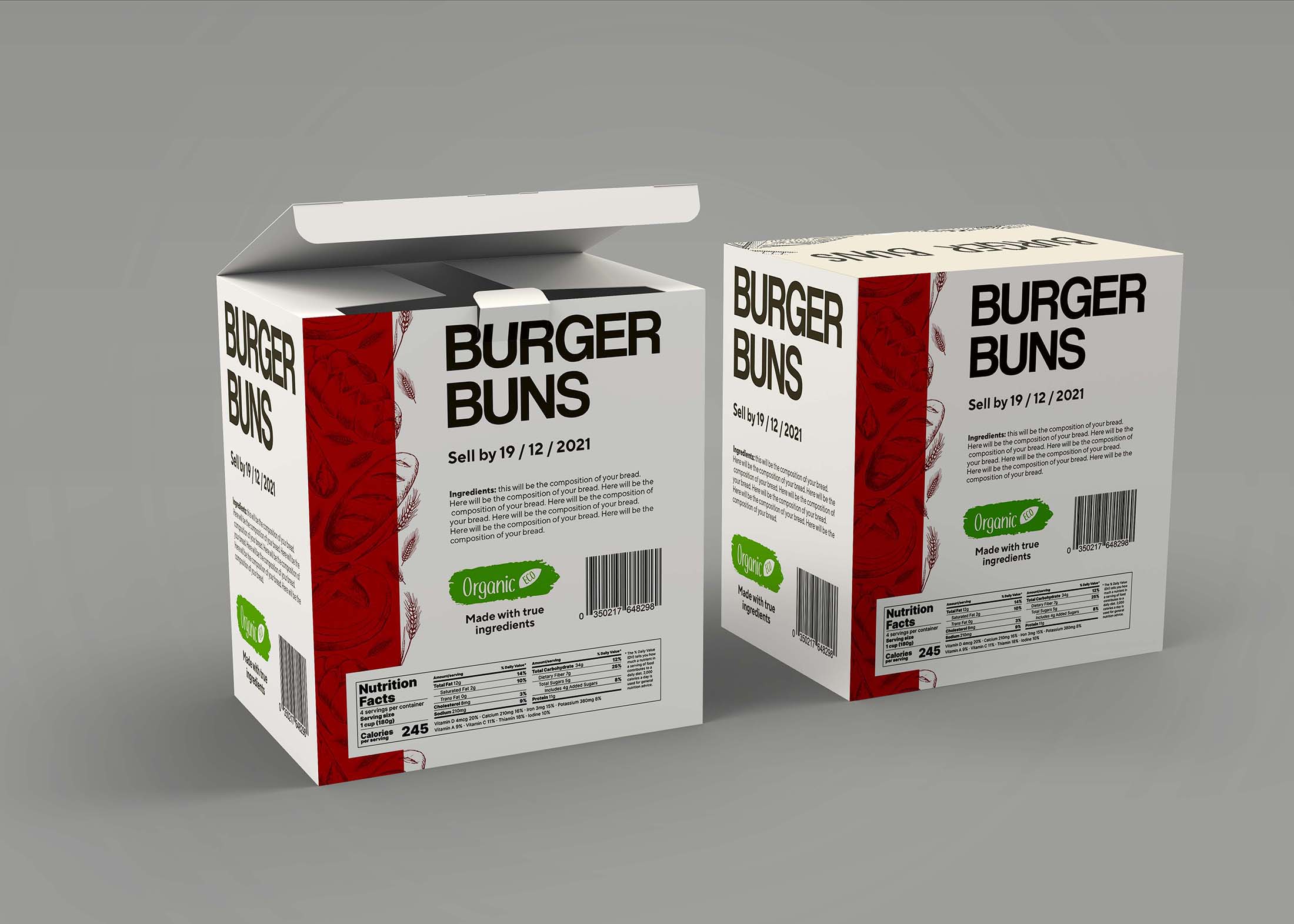
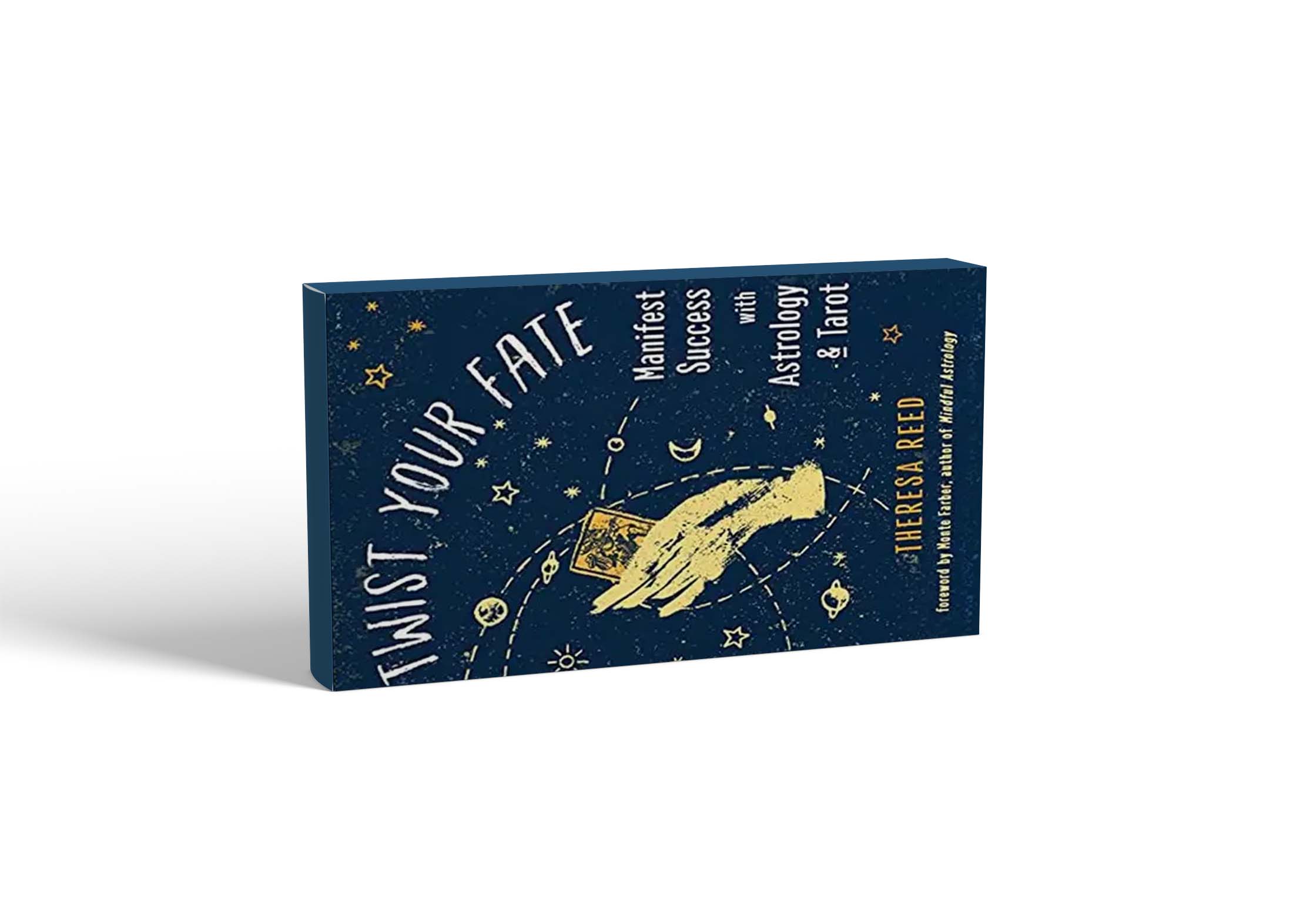
2. Bold Typography

Typography can become the centerpiece of your card design. By selecting bold, unique fonts and playing with sizes and placements, you can create a visually captivating card.

Tips for Effective Typography:

  1. Select a maximum of two contrasting fonts.
  2. Experiment with font size hierarchy.
  3. Consider using custom typography for a unique touch.

3. Textured Surfaces

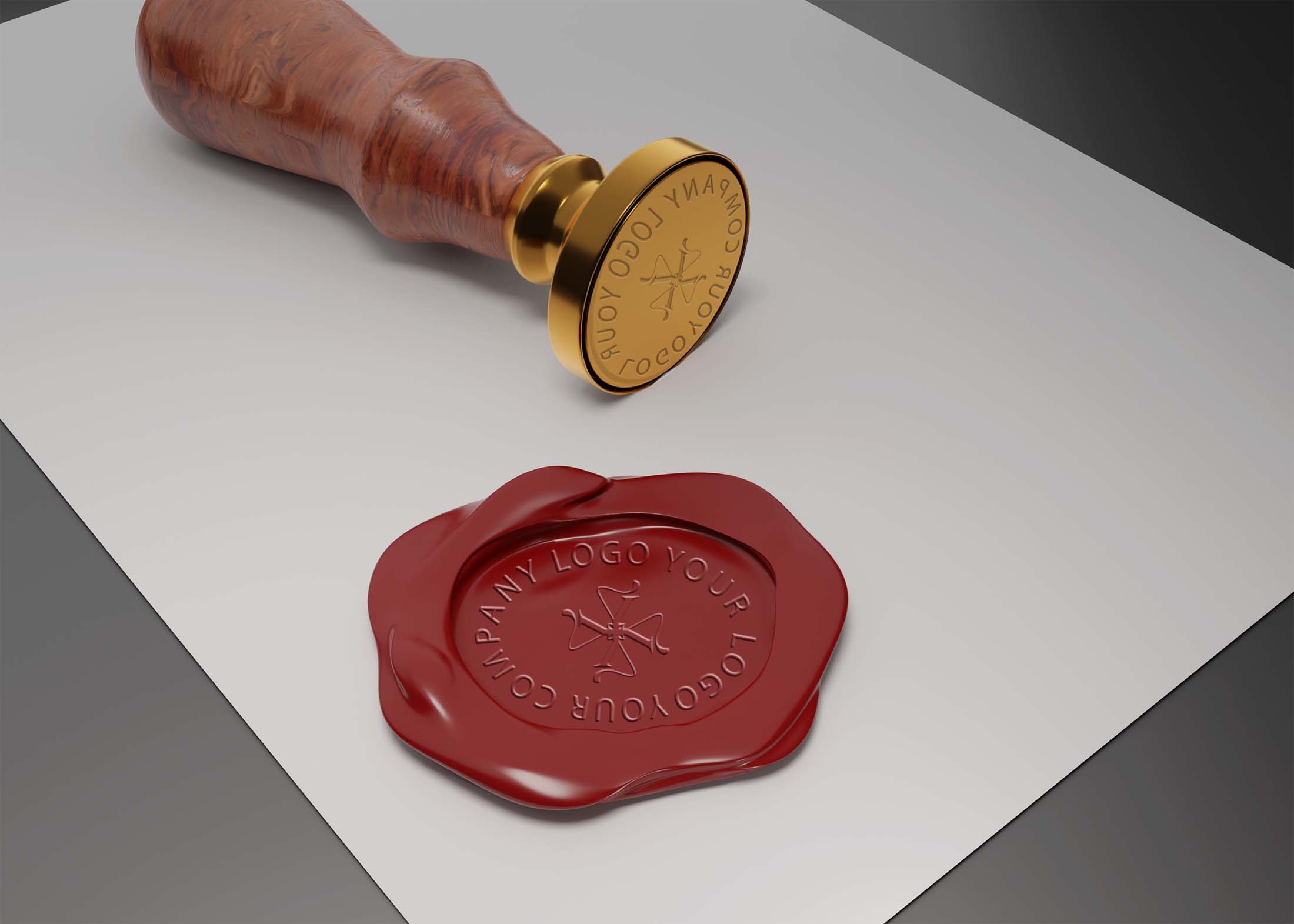
Adding texture to your card can enhance the tactile experience, making it memorable. Consider using specialty paper, embossing, or even incorporating fabric elements for a luxurious feel.

Popular Textures:

Texture Type Description
Embossing Raised designs for a 3D effect.
Letterpress Traditional printing method for a classic look.
Fabric Inlays Using materials like linen or silk for a unique touch.

4. Interactive Elements

Make your card more engaging by incorporating interactive elements. This can include pop-ups, sliders, or QR codes that link to your portfolio or social media profiles.

Ideas for Interaction:

  • Pop-up designs that reveal a surprise.
  • Slider mechanisms to change images or information.
  • QR codes leading to digital content.

5. Geometric Patterns

Geometric patterns can create a sense of structure and modernity in card design. By layering shapes and colors, you can achieve a striking visual effect.

Design Tips:

  1. Combine different shapes for a dynamic look.
  2. Use a harmonious color scheme to bind the design.
  3. Consider asymmetrical layouts for added interest.

6. Nature-Inspired Designs

Drawing inspiration from nature can evoke feelings of calm and beauty. Utilizing natural colors, textures, and motifs can create an organic and inviting design.

Elements of Nature to Consider:

  • Floral patterns and illustrations.
  • Earthy color palettes, such as greens and browns.
  • Recycled paper for an eco-friendly approach.

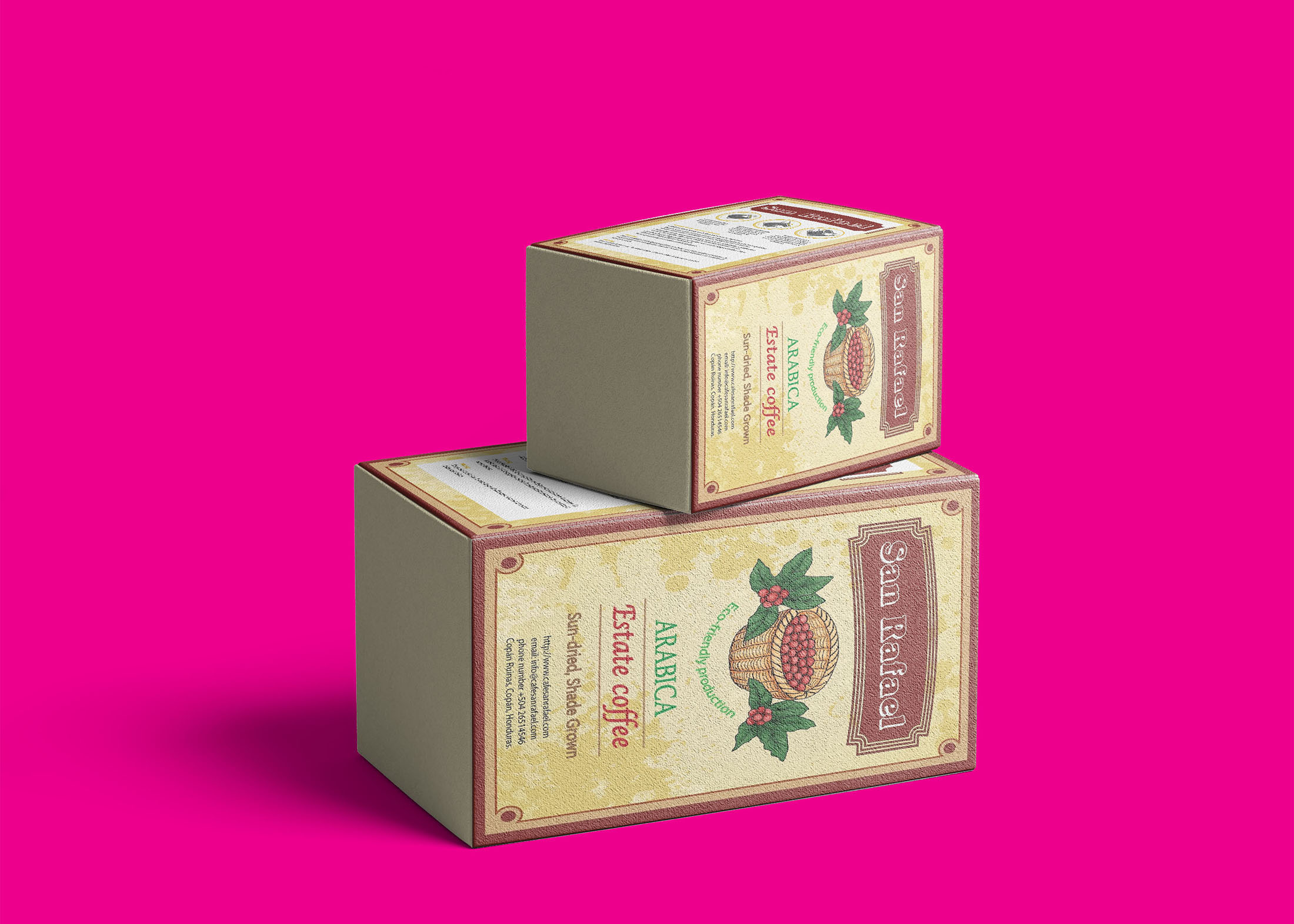
7. Vintage Aesthetics

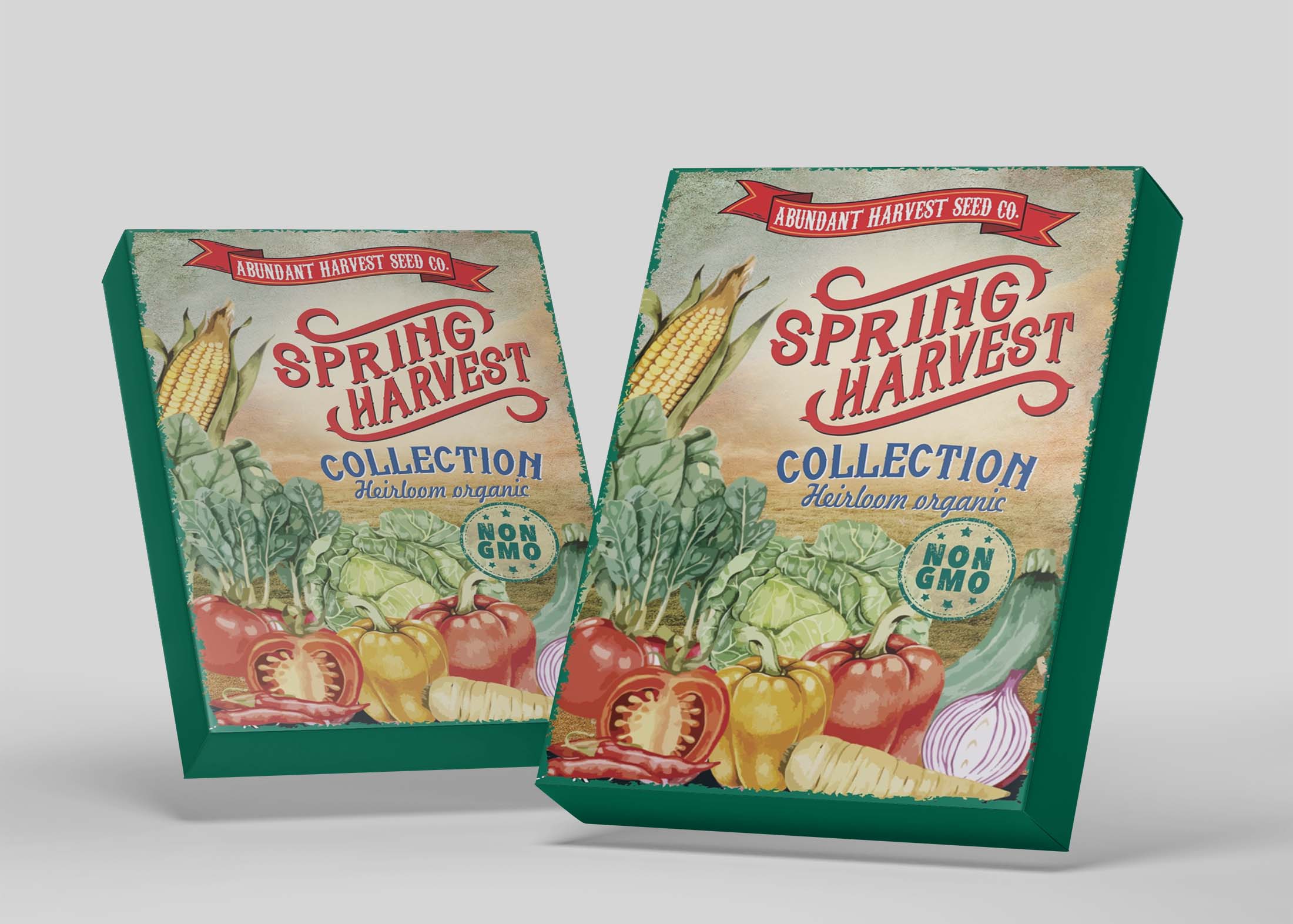
Vintage designs hold a timeless charm that can resonate well with audiences. By incorporating retro typography, faded colors, and classic illustrations, you can create a nostalgic feel.

Techniques for Vintage Design:

  1. Use distressed textures for a worn appearance.
  2. Choose classic fonts from the era.
  3. Incorporate vintage-inspired graphics.

8. Personal Illustrations

Custom illustrations can make your card stand out and showcase your personality. Whether you’re an artist or not, commissioning an illustrator can yield delightful results.

Benefits of Custom Illustrations:

  • Uniqueness that sets you apart.
  • Ability to convey a personal story or brand message.
  • Flexibility in style and color choices.

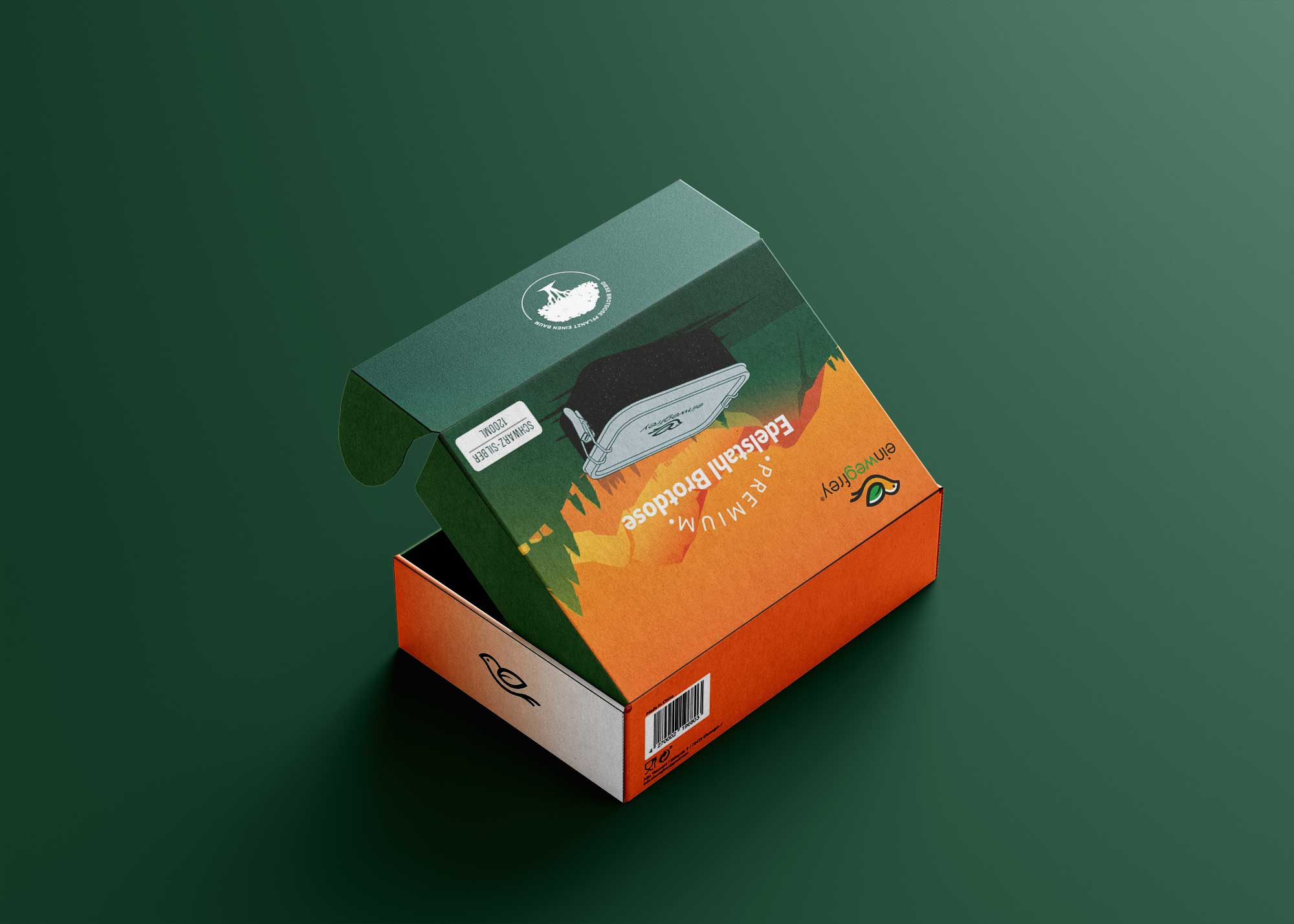
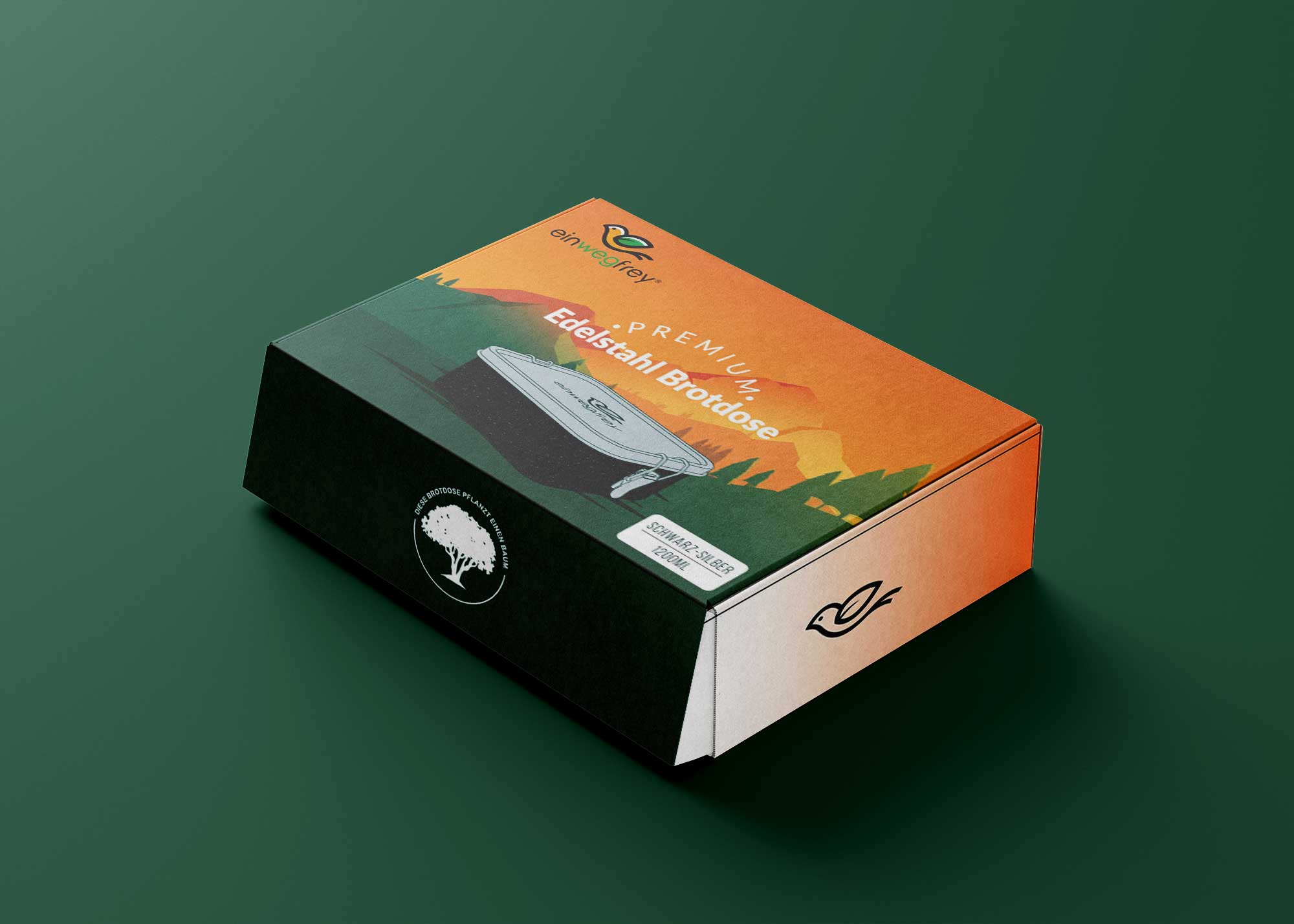
9. Color Gradients

Color gradients can add depth and sophistication to your card design. This technique allows for smooth transitions between colors, creating a visually appealing backdrop for your text and illustrations.

How to Use Gradients:

  1. Select colors that complement your branding.
  2. Experiment with linear or radial gradients.
  3. Ensure text remains legible against the background.

10. Thematic Concepts

Finally, crafting your card around a specific theme can create a cohesive and memorable design. Align your card design with events, holidays, or personal milestones to make it more relevant.

Examples of Themes:

  • Seasonal themes (spring, summer, autumn, winter).
  • Holidays (Christmas, Halloween).
  • Personal milestones (birthdays, anniversaries).

Conclusion

Card design is an opportunity to express creativity and communicate effectively. By exploring these ten innovative ideas, you can inspire yourself to create cards that not only serve their purpose but also captivate and engage your audience. Whether you lean towards minimalism or opt for bold graphics, remember that the most impactful designs stem from a clear understanding of your message and audience.

FAQ

What are some unique card design ideas for special occasions?

Consider using pop-up elements, interactive features, or incorporating hand-drawn illustrations to make your card stand out.

How can I incorporate sustainable materials in card design?

Opt for recycled paper, plantable seed paper, or biodegradable inks to create eco-friendly cards that are both beautiful and sustainable.

What themes work well for greeting card designs?

Popular themes include nature, minimalism, vintage, and abstract art. You can also explore seasonal themes like holidays or personal milestones.

How can typography enhance my card design?

Using unique fonts or hand lettering can add personality to your card. Experiment with different sizes, colors, and placements to create visual interest.

What tools can I use for creating card designs?

Graphic design software like Adobe Illustrator or free tools like Canva can help you create professional-quality card designs easily.

How can I make my card designs more personal?

Incorporate personal photos, handwritten messages, or custom illustrations that reflect the recipient’s personality or interests.