The Ultimate Guide to the Logo Design Process

Creating a logo is more than just picking a nice font and a cool color scheme. It is about capturing the essence of a brand, making it memorable, and ensuring it resonates with the target audience. This article delves into the meticulous process of logo design, highlighting essential steps, principles, and best practices that every designer should follow to create impactful logos.

Understanding the Brand

The first step in the logo design process is understanding the brand. This involves a deep dive into what the brand represents, its values, and its target audience.

Brand Exploration

Before sketching any ideas, gather information about the brand. Consider the following:

  • Brand Mission: What is the purpose of the brand?
  • Brand Values: What values drive the brand?
  • Target Audience: Who are the potential customers?
  • Market Positioning: How does the brand differentiate itself from competitors?

Competitor Analysis

Analyzing competitors can provide valuable insights into the logos and branding strategies that resonate with the audience. Look at:

  1. Visual styles
  2. Color schemes
  3. Imagery used
  4. Typography choices

Defining the Logo’s Purpose

Every logo should serve its intended purpose. Understanding the goals of the logo will help guide the design choices.

Types of Logos

Familiarize yourself with different types of logos:

Type Description
Wordmark Text-based logos that focus on the brand name (e.g., Google)
Lettermark Initials or abbreviations of the brand (e.g., IBM)
Iconic/Symbolic Imagery that represents the brand (e.g., Apple)
Combination Mark A mix of text and symbol (e.g., Adidas)
Emblem Text inside a symbol or icon (e.g., Starbucks)

Sketching Ideas

Once you have a clear understanding of the brand and its goals, the next step is to sketch ideas. This part of the process encourages creativity.

Brainstorming

Gather your thoughts and jot down keywords that relate to the brand. From there, start sketching rough ideas. Don’t hold back; allow for playful, abstract concepts that can later be refined.

Creating Variations

Once you have a few sketches you like, create variations of those designs. Consider modifying:

  • Shapes
  • Layouts
  • Typography
  • Color combinations

Choosing Color Schemes

Colors play a pivotal role in logo design. They evoke emotions and convey messages.

Color Psychology

Here’s how different colors can influence perception:

  • Red: Energy, urgency, passion
  • Blue: Trust, professionalism, calm
  • Green: Growth, health, nature
  • Yellow: Optimism, clarity, warmth
  • Black: Elegance, power, sophistication

Color Combinations

Select a color palette that not only aligns with the brand but also stands out. Consider using complementary colors, analogous colors, or monochromatic schemes for a cohesive look.

Typography Selection

Typefaces can convey personality, so choosing the right font is crucial.

Font Styles

There are various font styles to consider:

  • Serif: Traditional, reliable
  • Sans Serif: Modern, clean
  • Script: Elegant, personal
  • Display: Unique, attention-grabbing

Readability

Ensure that the font remains readable at various sizes. Test the logo in different formats to make sure it maintains its integrity when scaled.

Digital Mockups

Once you have your finalized sketches, it’s time to create digital versions using design software like Adobe Illustrator or Sketch.

Vector Graphics

Always create your logos in vector format. This ensures that they can be resized without losing quality.

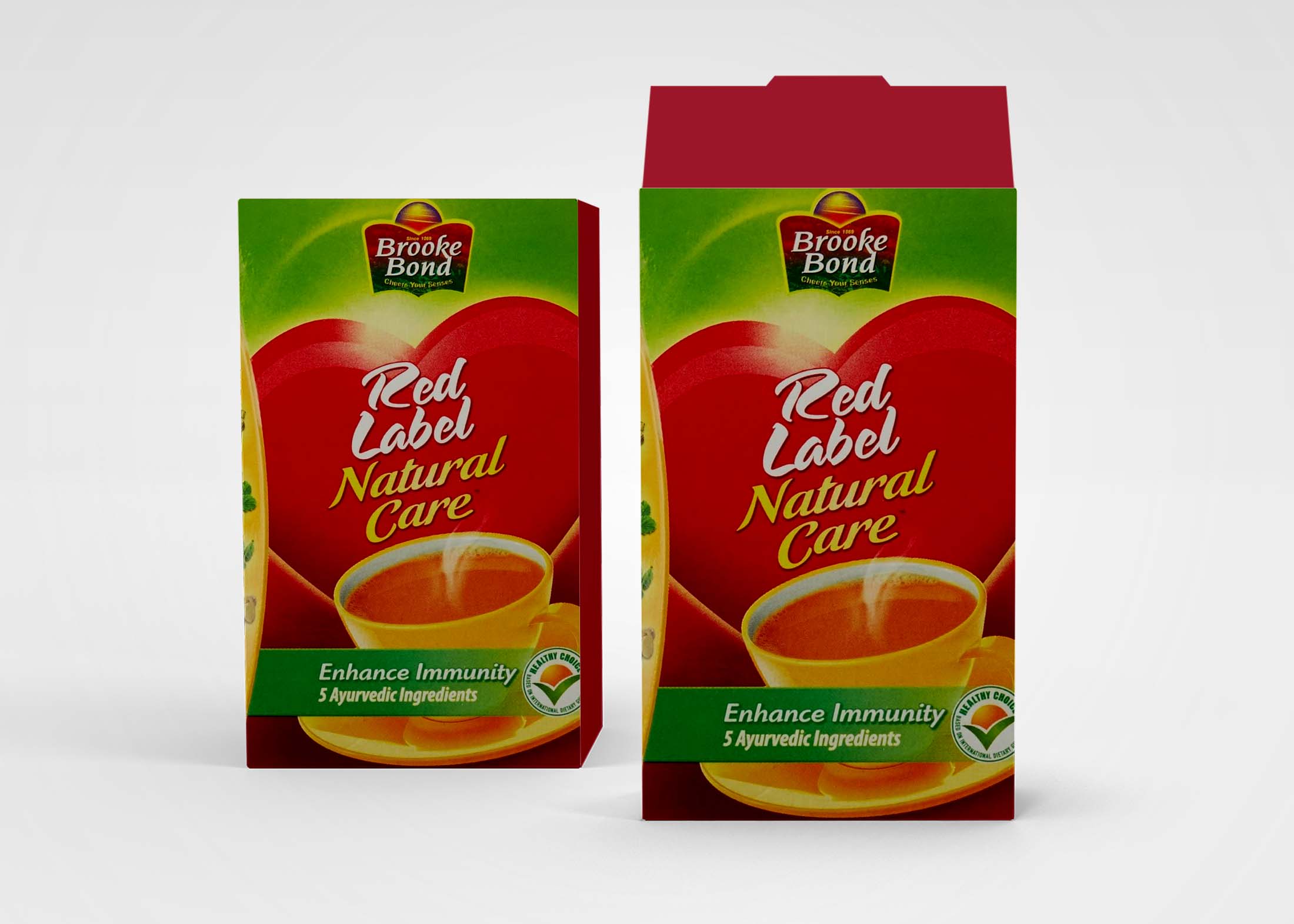
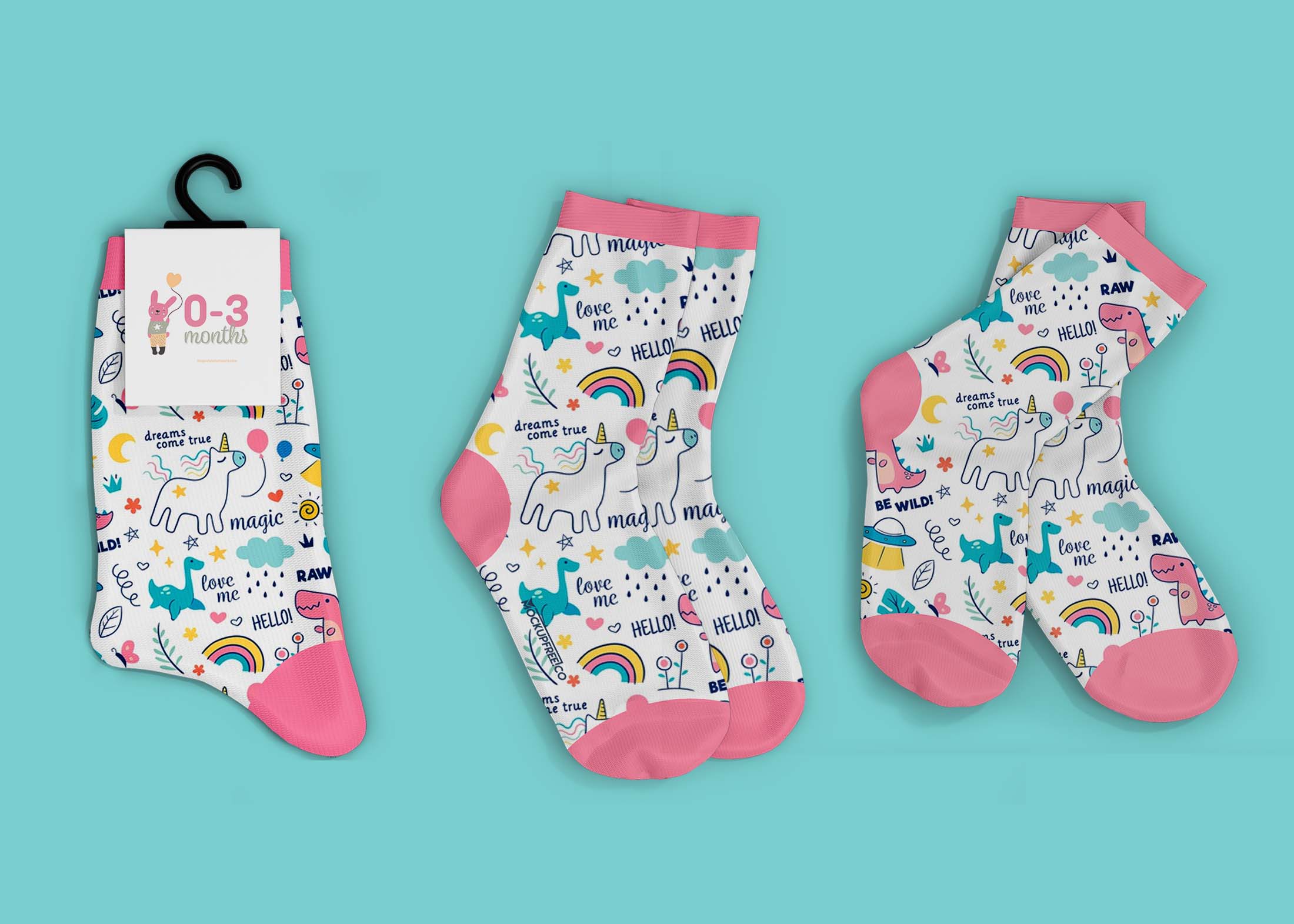
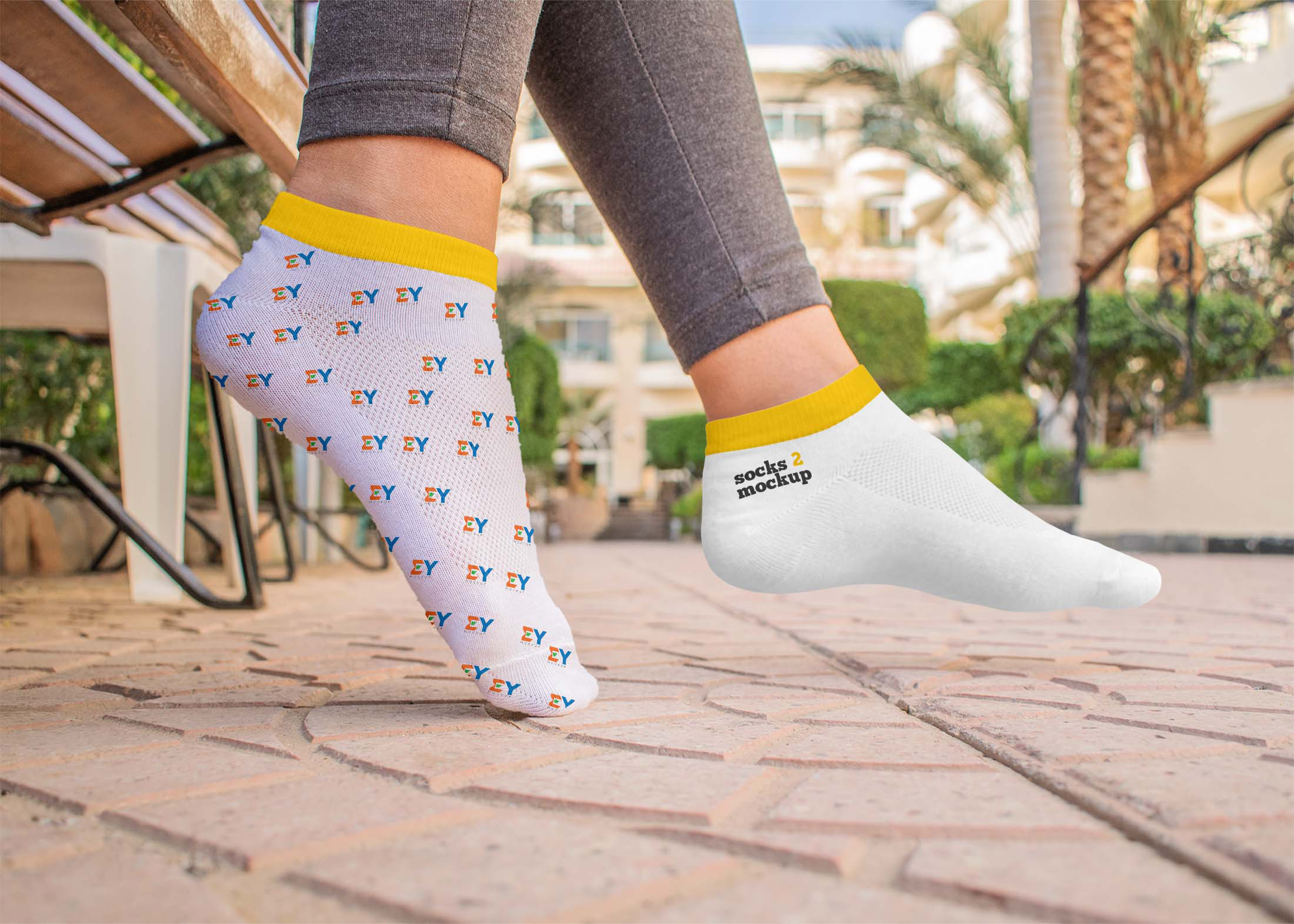
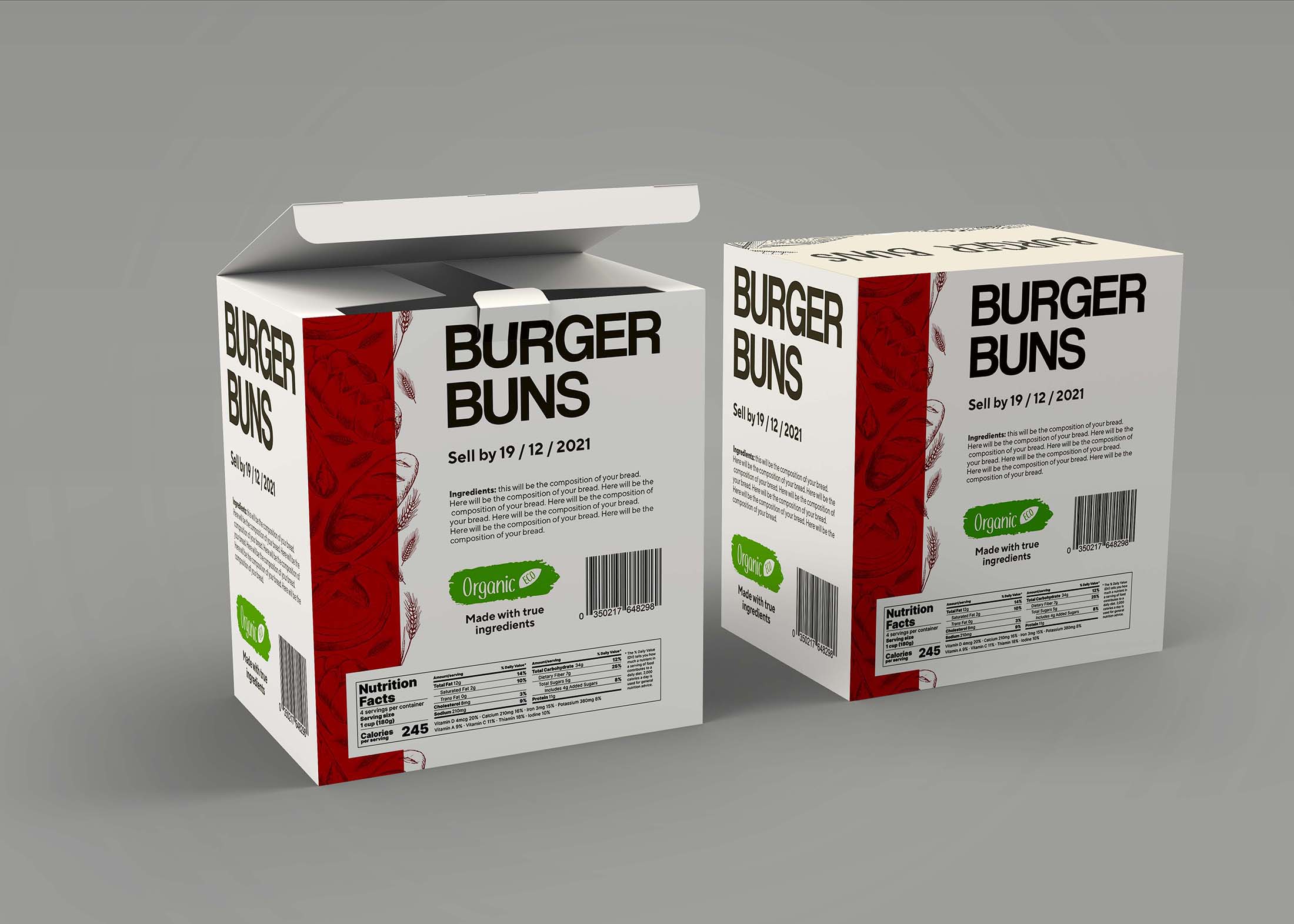
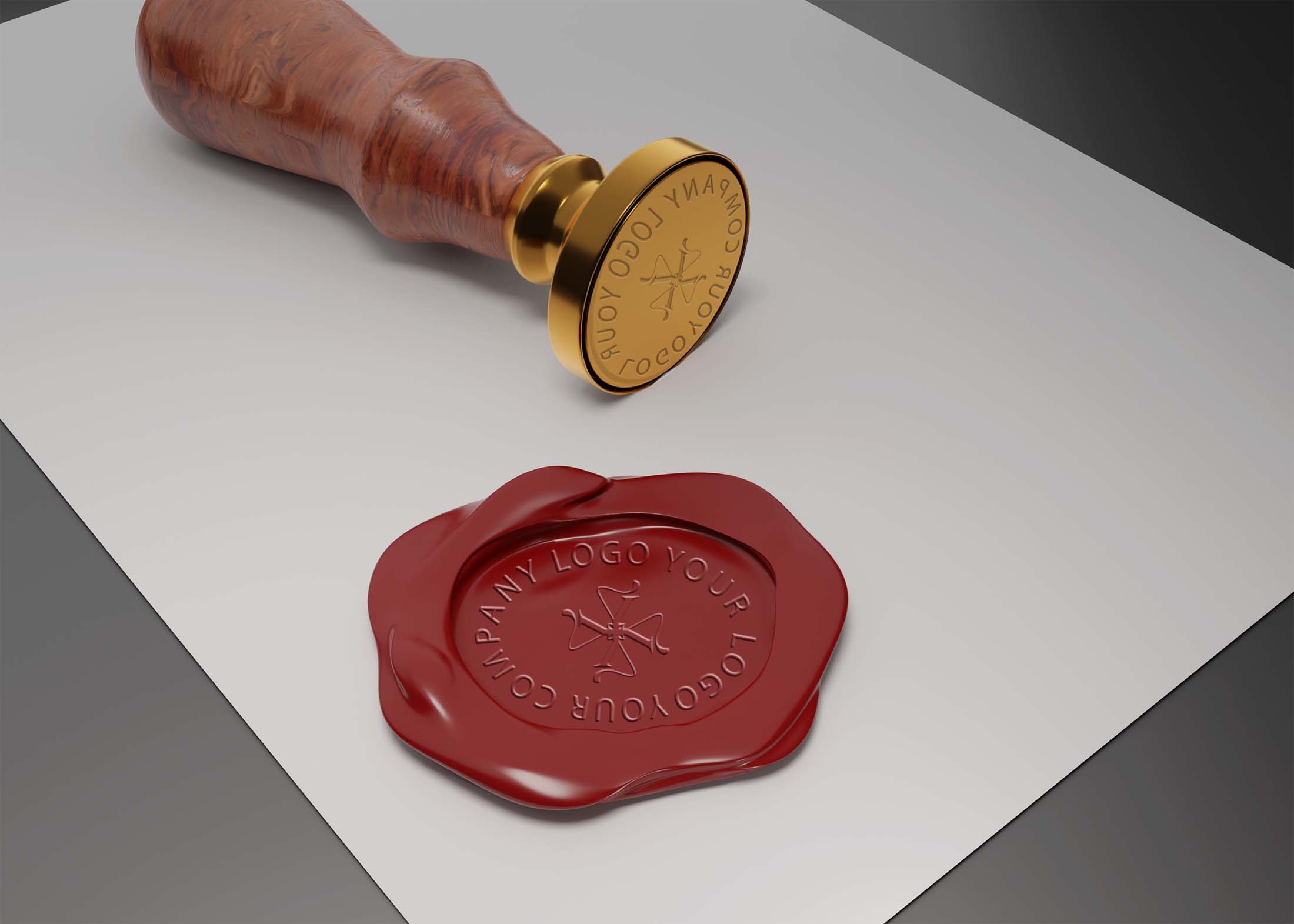
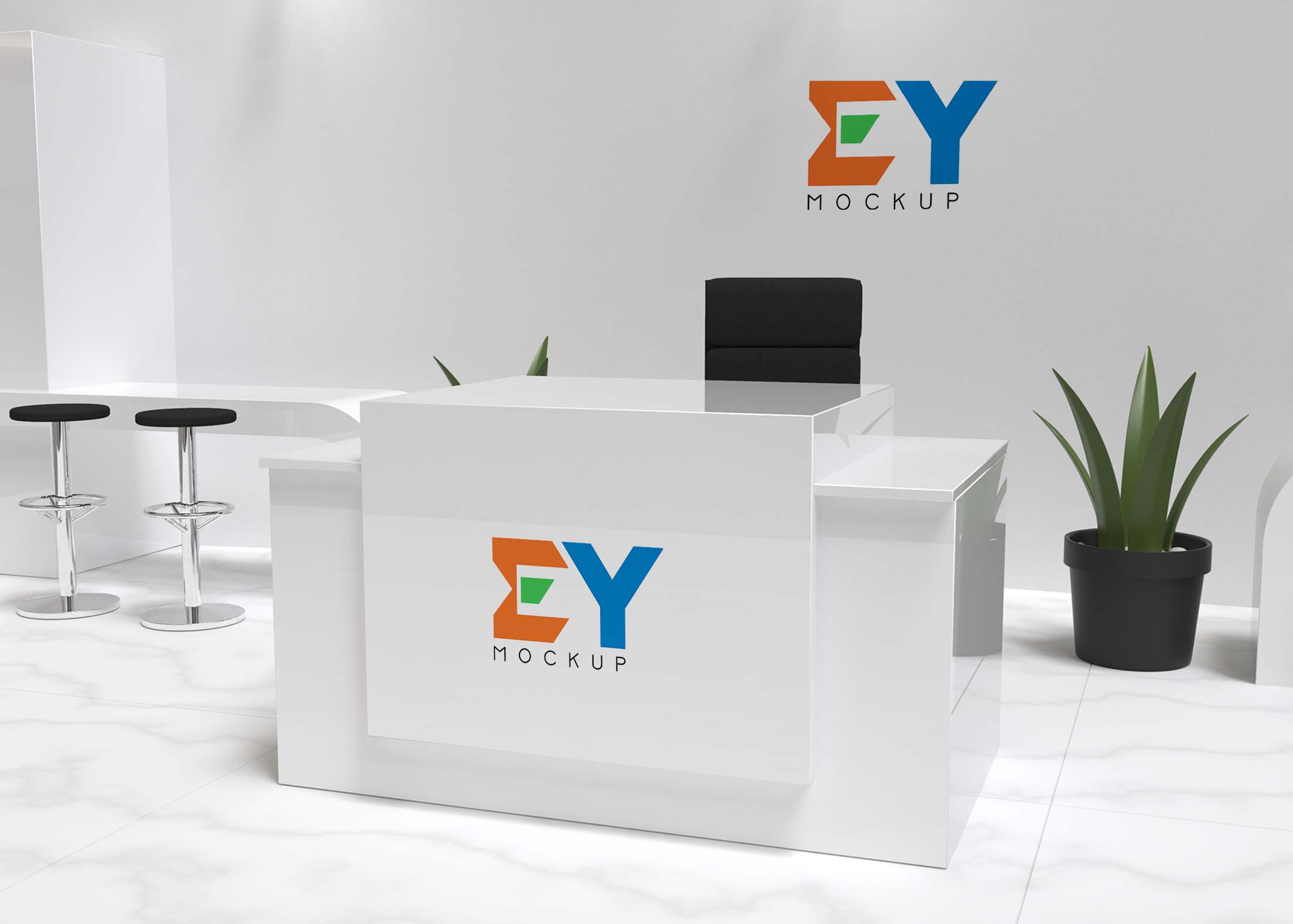
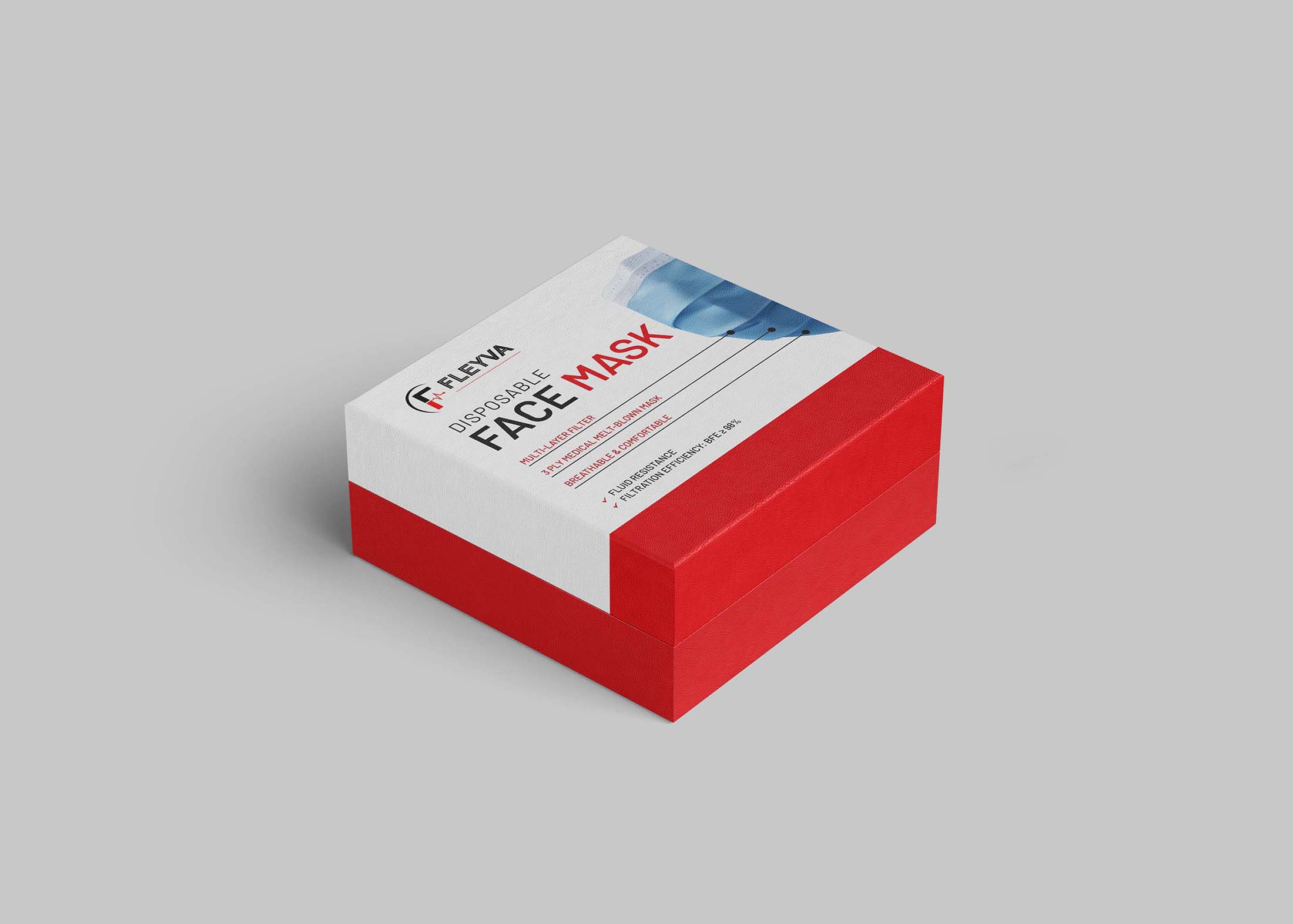
Mockup Displays

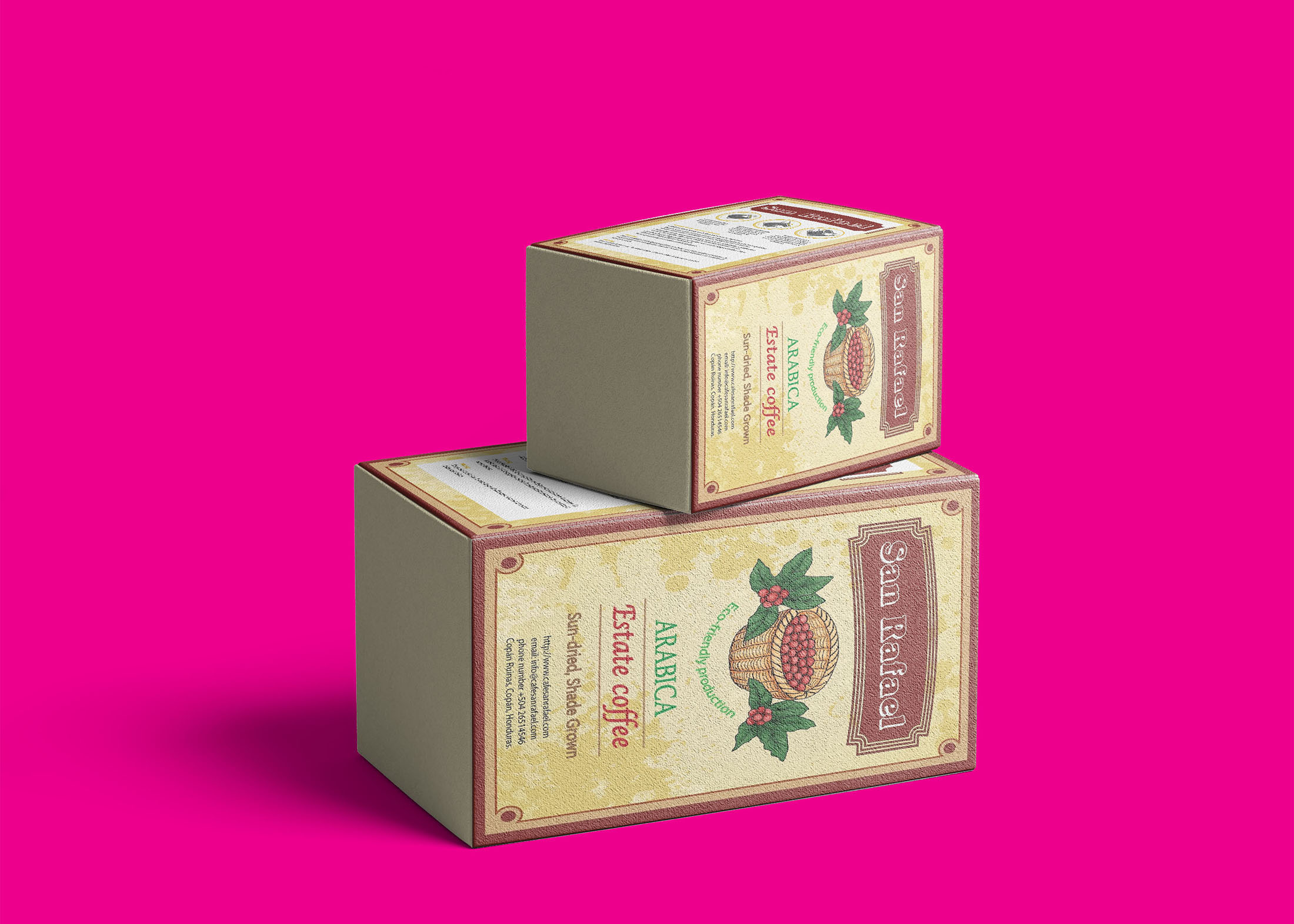
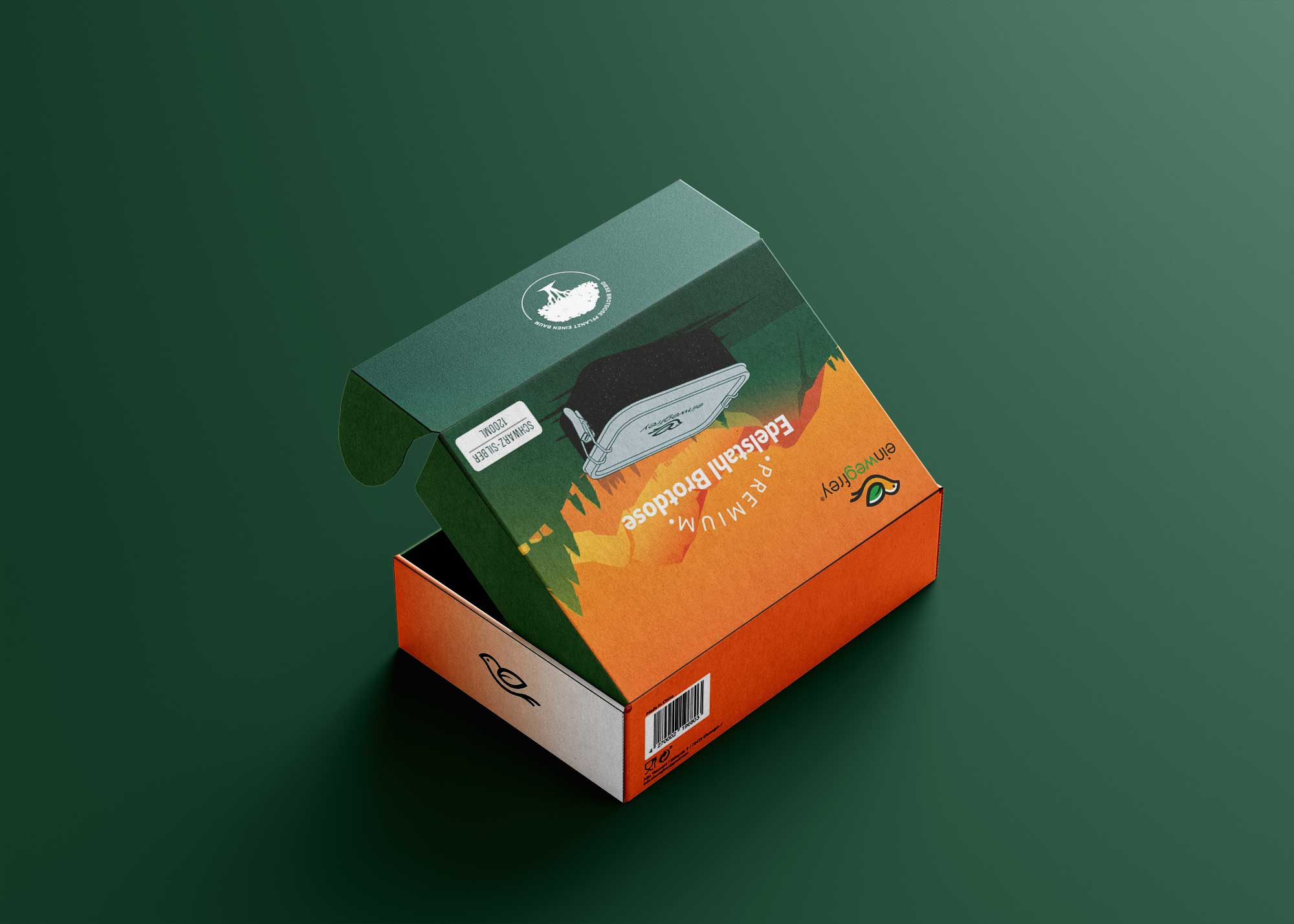
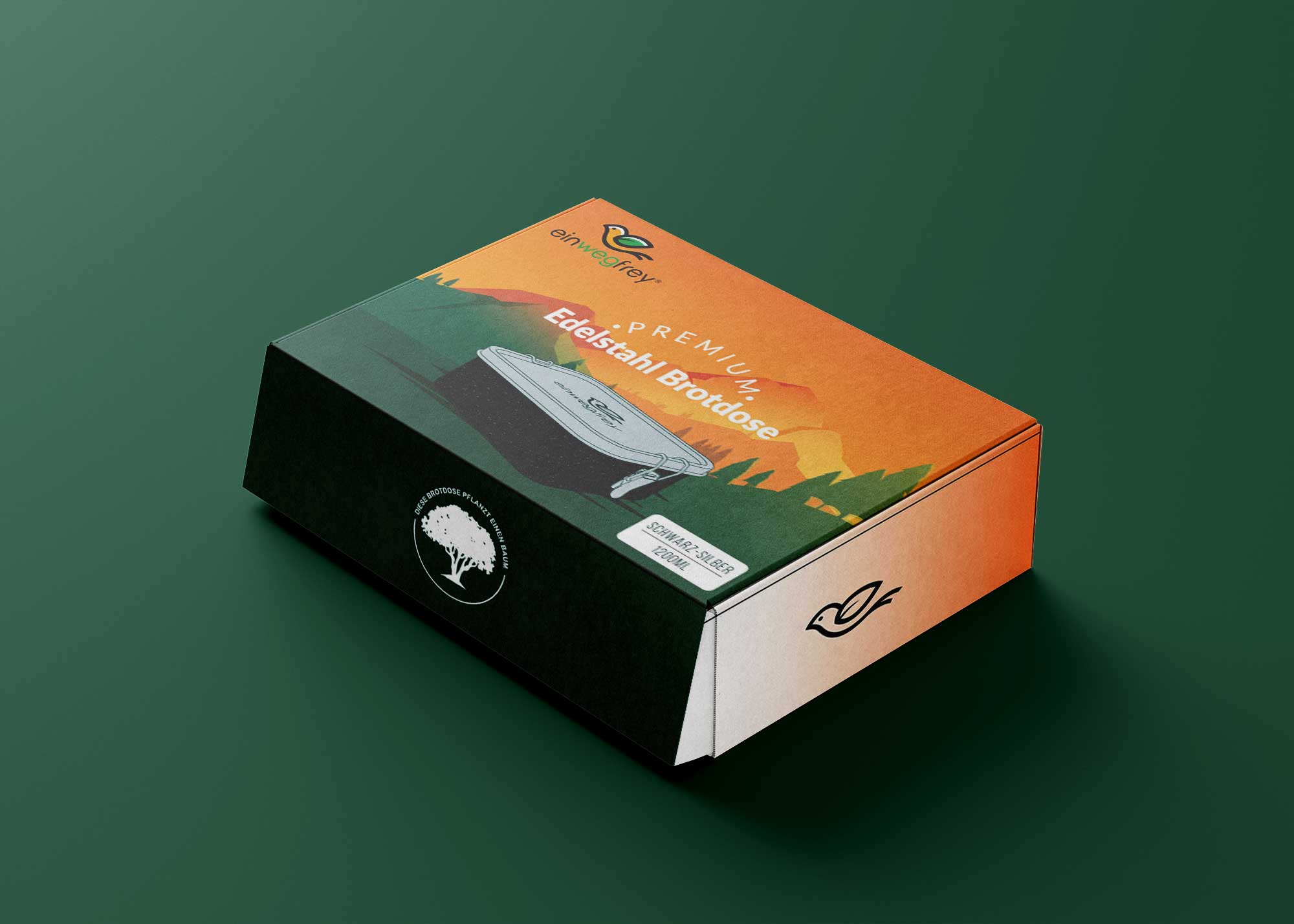
Present your logo in a variety of contexts to see how it performs in real-world applications:

  • Business cards
  • Websites
  • Merchandise

Feedback and Revisions

No design is perfect on the first try. Gather feedback from peers, clients, and the target audience.

Constructive Criticism

Ask specific questions to get actionable feedback, such as:

  • What emotions does the logo evoke?
  • Does it align with the brand’s identity?
  • Is it memorable?

Iterative Refinement

Use the feedback to refine the logo. This may involve multiple rounds of revisions, so stay open to changes.

Final Delivery

Once approved, prepare the final logo files in various formats for different uses:

File Formats

Consider providing the following formats:

  • AI: For design editing
  • EPS: For scalability
  • PNG: For web use
  • JPEG: Commonly used for print

Conclusion

The logo design process is intricate and requires a blend of creativity, strategy, and technical skills. By following these steps, designers can create logos that not only stand out but also effectively represent the brands they serve. Remember, a great logo is not just a piece of art; it’s a powerful tool that can elevate a brand’s identity and impact.

FAQ

What is the logo design process?

The logo design process involves a series of steps including research, conceptualization, design, revision, and finalization to create a unique and effective logo.

How long does it take to design a logo?

The time it takes to design a logo can vary widely, typically ranging from a few days to several weeks, depending on the complexity of the design and the client’s feedback.

What elements should be considered in logo design?

Key elements to consider in logo design include color, typography, scalability, simplicity, and relevance to the brand’s identity.

Can I create my own logo, or should I hire a professional?

While you can create your own logo using various tools, hiring a professional designer can ensure a more polished and effective logo that aligns with your brand strategy.

What file formats are best for logos?

The best file formats for logos include vector files like AI or SVG for scalability, and raster files like PNG or JPEG for web use.

How do I ensure my logo is unique?

To ensure your logo is unique, conduct thorough research on existing logos in your industry, and consider working with a designer who can provide original concepts.