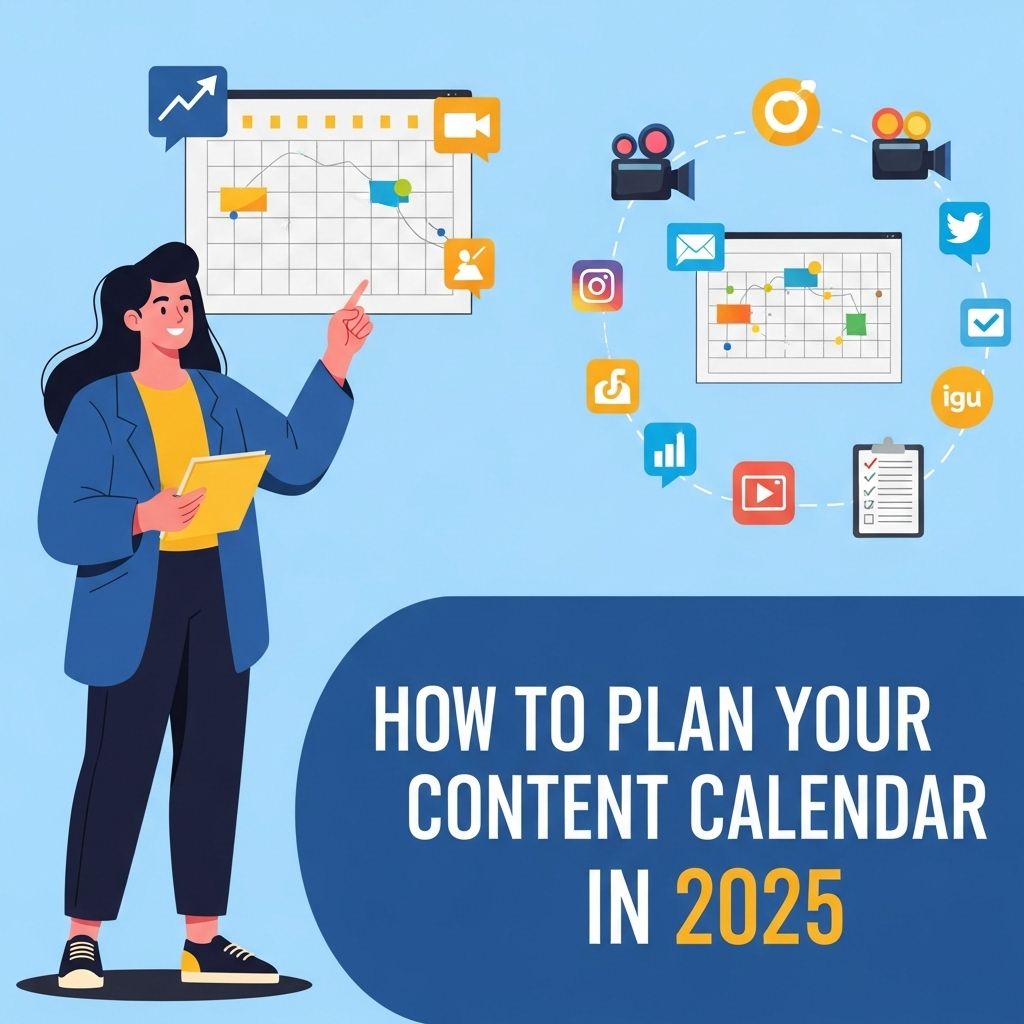
In today’s fast-paced digital world, planning your content calendar is essential for staying organized and ensuring that your marketing strategies are effective. As we move into 2025, it’s important to adapt to new trends and technologies that will shape how we create and distribute content. This article will guide you through the process of planning your content calendar for the upcoming year while incorporating the latest tools, techniques, and strategies that resonate with tech-savvy audiences.
Creating a robust content calendar for 2025 can streamline your planning and elevate your strategy. This step-by-step guide is designed to help you master the art of content scheduling, ensuring consistency and relevance throughout the year. For those just starting, check out this beginner’s content creation guide for foundational tips.
The Importance of a Content Calendar
A content calendar is more than just a scheduling tool; it’s the backbone of your content strategy. Here are some key reasons why it’s important:
- Organization: A content calendar helps you organize your ideas and ensures that you have a consistent flow of content.
- Consistency: Regularly publishing content keeps your audience engaged and helps build loyalty.
- Collaboration: It allows teams to collaborate, plan together, and avoid duplicate efforts.
- Performance Tracking: You can analyze which types of content perform better and adjust your strategy accordingly.
Setting Goals for Your Content Calendar
Creating a content calendar for 2025 can streamline your Instagram strategy, ensuring you maintain consistent engagement with your audience. By planning ahead, you can align your posts with key dates and events while also dedicating time to explore new trends and formats. For practical tips, check out these Instagram video tutorials.
Before you start plotting out your content, it’s crucial to establish what you want to achieve. Here are some common goals:
Define Your Objectives
- Brand Awareness: Increase awareness of your brand among your target audience.
- Lead Generation: Create content that attracts and converts potential customers.
- Customer Engagement: Foster deeper relationships with your existing audience.
- SEO Improvement: Generate content that enhances your search engine visibility.
Researching Content Trends for 2025
Understanding the content landscape is vital for your planning process. In 2025, we can anticipate several emerging trends:
Utilizing AI and Automation
Artificial Intelligence (AI) will continue to play a critical role in content creation and distribution. Consider these tools:
- AI-driven content generators for drafting articles.
- Chatbots for real-time customer interaction.
- Predictive analytics for understanding audience preferences.
Video and Live Streaming
Video content remains dominant. Here are some statistics:
| Type of Video | Engagement Rate |
|---|---|
| Live Streams | 80% higher engagement |
| Short-form Videos | 90% more shares |
| Pre-recorded Videos | 60% viewer retention |
Choosing the Right Platforms
Your chosen platforms will influence how you schedule and present your content. Consider the following:
Key Social Media Platforms
- Facebook: Ideal for community building and engagement.
- Instagram: Great for visual storytelling.
- LinkedIn: Best for B2B content and professional networking.
- TikTok: A rising platform for creative short videos targeting younger audiences.
Creating a Content Calendar Template
Now that you have your goals and research, it’s time to create your content calendar. Here’s a simple template to get you started:
| Date | Content Type | Topic | Platform | Responsible |
|---|---|---|---|---|
| January 10, 2025 | Blog Post | Emerging Tech Trends | Website | John Doe |
| January 15, 2025 | Instagram Story | Behind the Scenes | Jane Smith | |
| January 20, 2025 | Live Webinar | AI in Marketing | Web | John Doe |
Content Creation and Curation
Creating high-quality content is essential. Here are some tips:
Original Content
- Invest in high-quality visuals and graphics.
- Incorporate data and research to support your claims.
- Engage with your audience through storytelling.
Curated Content
Sharing content from other sources can also be beneficial:
- Choose reputable sources to ensure quality.
- Provide your insights or commentary on curated content.
- Use social sharing tools to streamline the curation process.
Measuring Success
Once your content is published, it’s crucial to analyze its performance:
Key Performance Indicators (KPIs)
Monitor the following KPIs:
- Website traffic and page views.
- Engagement rates (likes, shares, comments).
- Leads generated and conversions.
- SEO ranking for targeted keywords.
Adjusting Your Strategy
Content planning is not a one-time task; it requires ongoing adjustments:
- Regularly review your analytics to identify trends.
- Be flexible in changing your content strategy based on performance data.
- Stay informed about industry changes and adapt your approach accordingly.
Conclusion
Planning your content calendar for 2025 is an essential step toward achieving your marketing goals. By setting clear objectives, researching trends, and continuously measuring performance, you can create a robust strategy that engages your audience and drives results. Utilize the right tools and methods, and embrace flexibility to adapt to the ever-evolving digital landscape. With a well-structured content calendar, you’re not just planning; you’re paving the way for future success.
FAQ
What is a content calendar and why is it important?
A content calendar is a tool that helps you plan, organize, and schedule your content marketing efforts. It is important because it ensures consistency, helps manage deadlines, and aligns your content with marketing goals.
How can I effectively plan my content calendar for 2025?
To effectively plan your content calendar for 2025, start by setting clear objectives, researching industry trends, and identifying key dates and events. Utilize tools like spreadsheets or content management software to visualize your schedule.
What types of content should I include in my 2025 calendar?
Include a mix of content types such as blog posts, social media updates, videos, infographics, and newsletters. Consider audience preferences and seasonal trends when planning your content.
How often should I update my content calendar?
You should update your content calendar regularly, ideally on a monthly basis, to accommodate changes in strategy, audience feedback, and emerging trends.
What tools can help me manage my content calendar?
Popular tools for managing content calendars include Trello, Asana, Google Calendar, and specialized content management platforms like CoSchedule or HubSpot.
How can I measure the effectiveness of my content calendar in 2025?
Measure the effectiveness of your content calendar by tracking metrics such as engagement rates, website traffic, conversion rates, and audience feedback. Use analytics tools to assess performance and adjust your strategy accordingly.