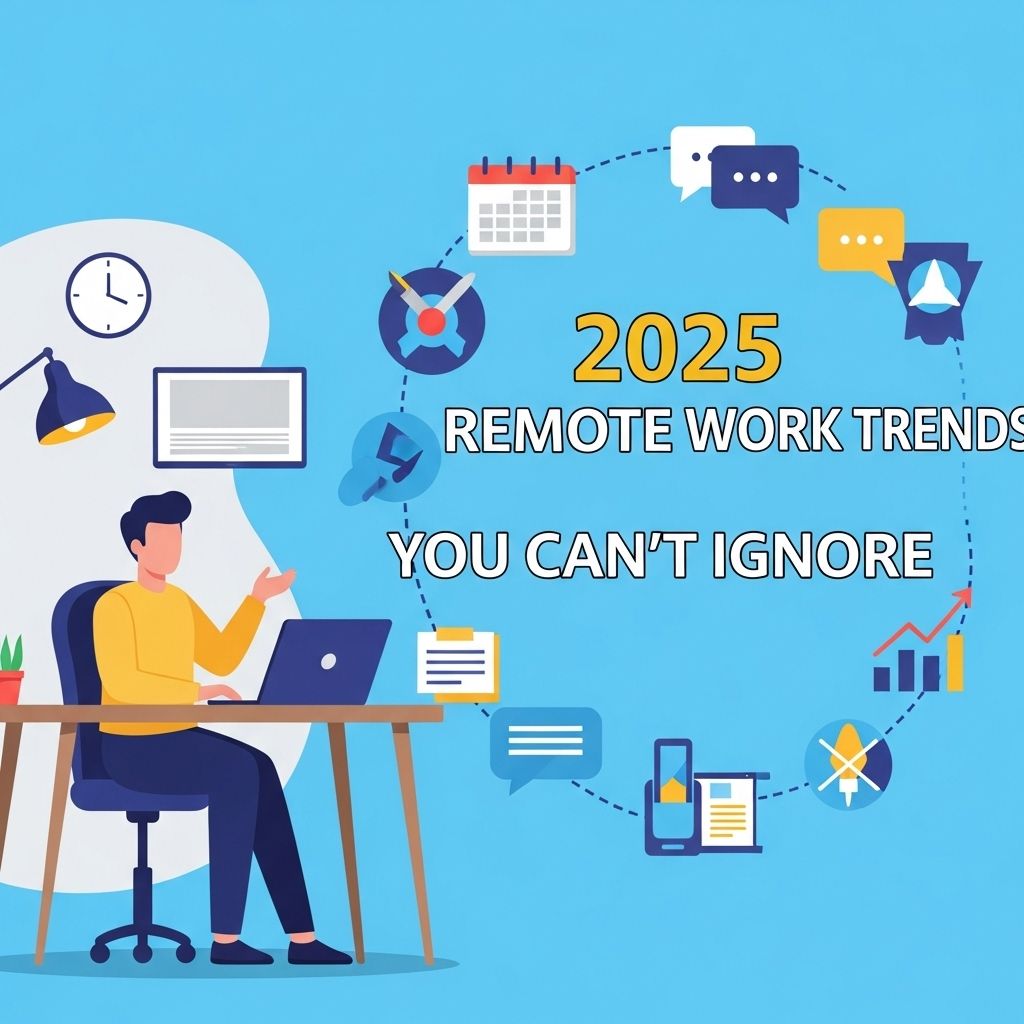
The work landscape is evolving at an unprecedented pace, and remote work has become an integral aspect of modern employment. As we approach 2025, it’s essential to stay ahead of the curve and understand the trends shaping remote work. From technological advancements to evolving workplace culture, this article delves into the key trends that are set to redefine how we work remotely.
As we move towards 2025, the landscape of remote work is set to evolve dramatically, influenced by technological advancements and shifting employee expectations. Staying ahead of must-know trends will be essential for businesses aiming to foster productivity and engagement in a hybrid environment. For instance, incorporating customizable patterns into digital workspaces can enhance visual collaboration and creativity, making it crucial for teams to adapt their tools effectively. search for customizable patterns
The Rise of Hybrid Work Models
In 2025, the hybrid work model is expected to dominate the corporate landscape, combining the flexibility of remote work with the benefits of in-person collaboration. Here’s how hybrid work is changing the game:
- Flexibility: Employees can choose when and where they work, leading to improved work-life balance.
- Increased Productivity: Studies have shown that many employees are more productive when working remotely.
- Cost Savings: Businesses can reduce overhead costs associated with maintaining physical office spaces.
Technological Innovations
As remote work continues to expand, the reliance on technology will only increase. Here are some notable technological trends to watch for:
1. Advanced Collaboration Tools
New tools are emerging that enhance collaboration among remote teams, including:
- Real-time editing software: Applications like Google Workspace allow multiple users to edit documents simultaneously.
- Virtual whiteboards: Tools like Miro and MURAL facilitate brainstorming and planning sessions.
2. Artificial Intelligence in Remote Work
AI is increasingly integrated into remote work environments, offering features such as:
- Personalized productivity recommendations: AI can analyze work patterns and suggest optimal schedules.
- Automated administrative tasks: Tools like chatbots are streamlining scheduling and communication.
Emphasis on Mental Health and Wellbeing
As remote work becomes more mainstream, companies are recognizing the importance of mental health. By 2025, expect to see:
- Wellbeing Initiatives: Organizations will implement programs to support mental health, such as virtual counseling and wellness workshops.
- Focus on Burnout Prevention: Companies will actively work to prevent remote burnout through flexible hours and mental health days.
Redefining Company Culture
Building a cohesive company culture in a remote setting presents challenges and opportunities. To foster a strong culture:
1. Regular Check-Ins
Frequent communication is key. This can be achieved through:
- Weekly team meetings to discuss progress and challenges.
- Monthly virtual team-building activities to strengthen relationships.
2. Recognition and Rewards
Companies will increasingly implement recognition programs to celebrate employee achievements. Tactics include:
- Peer-to-peer recognition: Encouraging team members to acknowledge each other’s efforts.
- Virtual awards ceremonies: Celebrating milestones in a fun, engaging way.
The Evolution of Talent Acquisition
Recruiting talent in a remote environment is transforming how companies approach hiring. Key trends include:
1. Global Talent Pool
Employers can now hire from a broader geographic area, which leads to:
- Diversity in skills and perspectives.
- Access to top talent, regardless of location.
2. Focus on Soft Skills
As remote work emphasizes communication and collaboration, soft skills such as:
- Adaptability
- Emotional intelligence
- Self-motivation
will become critical hiring criteria.
Environmental Considerations
With the rise of remote work, environmental sustainability is gaining traction. Companies will increasingly focus on:
1. Reducing Carbon Footprint
Remote work can significantly reduce commuting emissions, and businesses are encouraged to:
- Implement policies that promote remote work as the default.
- Provide incentives for employees who choose eco-friendly practices.
2. Sustainable Office Practices
For those who maintain physical office spaces, incorporating sustainable practices becomes essential:
- Using energy-efficient appliances.
- Implementing recycling programs.
Conclusion
The future of remote work is bright, with trends pointing towards greater flexibility, technological integration, and a strong emphasis on wellbeing and sustainability. Embracing these changes will not only enhance productivity but also improve employee satisfaction and engagement. As we approach 2025, organizations that adapt to these trends will undoubtedly lead the way in the evolving work landscape.
FAQ
What are the top remote work trends for 2025?
Some of the top remote work trends for 2025 include increased reliance on artificial intelligence for task automation, a rise in flexible work hours, enhanced focus on employee well-being, and the adoption of virtual reality tools for collaboration.
How will hybrid work models evolve in 2025?
In 2025, hybrid work models are expected to become more refined, allowing employees to choose their work environment while ensuring seamless integration between remote and in-office teams.
What technologies will shape remote work in 2025?
Technologies such as advanced video conferencing tools, AI-driven project management software, and enhanced cybersecurity measures will significantly shape the remote work landscape in 2025.
How can companies prepare for remote work trends in 2025?
Companies can prepare by investing in training for remote collaboration tools, fostering a culture of trust and communication, and regularly assessing employee needs and preferences.
What are the benefits of remote work in 2025?
The benefits of remote work in 2025 include increased productivity, reduced overhead costs, access to a global talent pool, and improved work-life balance for employees.