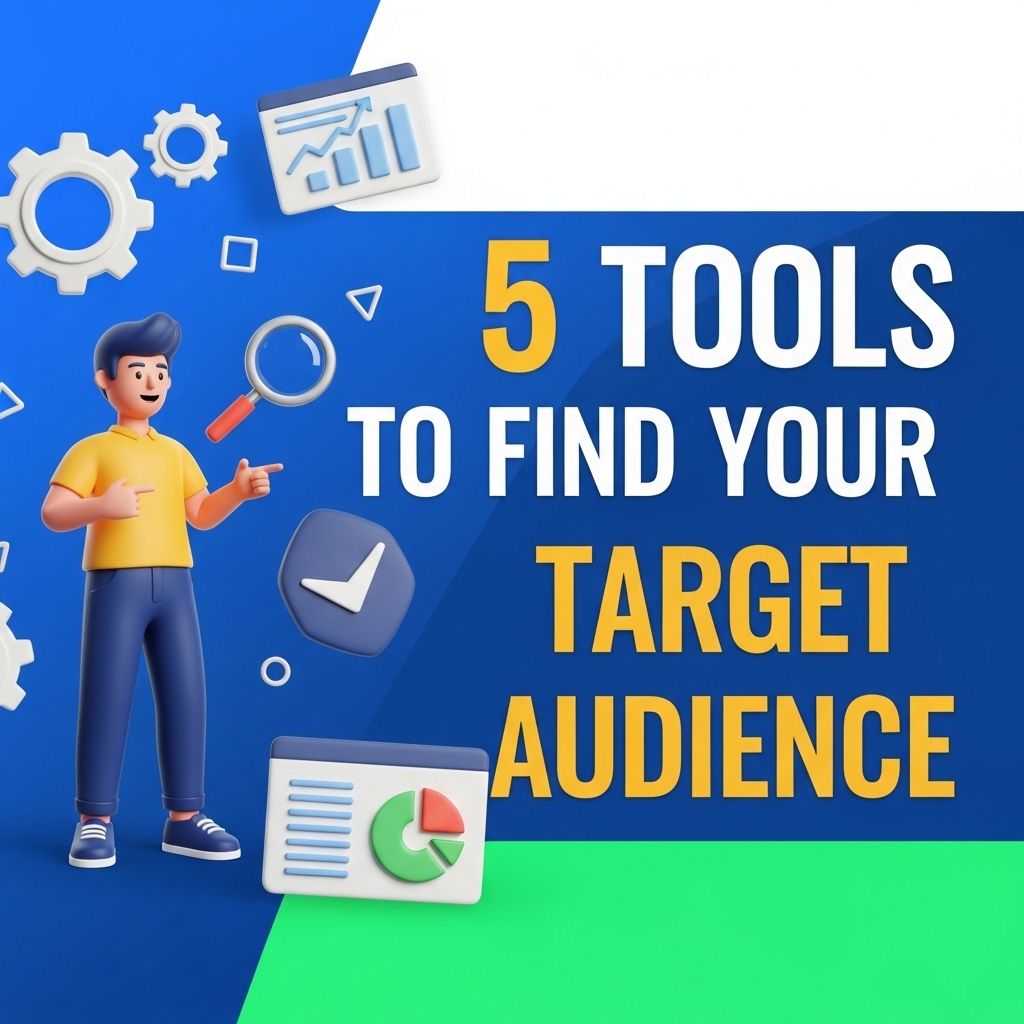
Understanding your target audience is paramount in today’s competitive market. With the plethora of tools available, finding the right audience for your product or service can be streamlined and efficient. This article delves into five essential tools that not only simplify the process of audience identification but also enhance your marketing strategy. Whether you are a seasoned marketer or a startup founder, these tools will provide valuable insights into consumer behavior and preferences.
Identifying your target audience is crucial for effective marketing on Facebook. By utilizing the right tools, you can gain insights into who your audience is and tailor your content accordingly. To learn more about refining your approach, explore our Facebook video tutorials for practical guidance.
1. Google Analytics
Google Analytics is a powerhouse for tracking and analyzing web traffic. By utilizing this tool, businesses can gain deep insights into who is visiting their website, what they are interested in, and how they interact with their content.
Key Features:
- Audience Overview: Provides demographics, interests, and geographic data about your visitors.
- Behavior Flow: Visualizes the path users take through your site, helping identify popular content and drop-off points.
- Custom Reports: Enables you to create reports tailored to specific metrics that matter to your business.
Using Google Analytics Effectively:
- Set up goals to track conversions.
- Analyze user demographics to tailor your content accordingly.
- Monitor traffic sources to find where your audience comes from.
2. Facebook Audience Insights
Facebook Audience Insights is a powerful tool for marketers looking to understand their social media audience. It provides detailed analytics about user behavior and preferences on the platform.
Key Features:
- Audience Segmentation: Analyze different segments based on age, gender, location, and interests.
- Engagement Metrics: Gain insights into how users interact with your content.
- Page Performance: Understand how your Facebook page is performing compared to competitors.
Strategies to Utilize Facebook Audience Insights:
- Identify trends among your followers to create targeted content.
- Test different ad formats based on audience engagement metrics.
- Use insights to refine your Facebook advertising strategy.
3. SEMrush
SEMrush is predominantly known for its SEO capabilities but also has robust tools for audience analysis. It helps businesses understand market trends and competitor strategies.
Key Features:
- Keyword Research: Discover what keywords your target audience is searching for.
- Competitor Analysis: Gain insights into your competitors’ marketing strategies and audience demographics.
- Traffic Analysis: Understand the traffic sources of competitors, helping you identify potential audiences.
Maximizing SEMrush:
- Utilize the keyword magic tool to discover niche keywords.
- Perform regular competitor audits to stay ahead in your market.
- Leverage PPC analysis to spot potential audience segments.
4. BuzzSumo
BuzzSumo is a unique content research tool that allows businesses to discover popular content and influencers within their niche. It helps identify what resonates with audiences and encourages engagement.
Key Features:
- Content Discovery: Find trending topics and popular articles based on your keywords.
- Influencer Identification: Locate key influencers who are sharing content within your industry.
- Social Media Engagement: Analyze how content is shared across different platforms.
Making the Most of BuzzSumo:
- Monitor competitor content to find gaps in your strategy.
- Engage with influencers to build relationships and broaden your reach.
- Use content insights to craft optimized articles that resonate with your audience.
5. SurveyMonkey
Surveys are one of the most direct methods of understanding your target audience, and SurveyMonkey is an excellent tool for conducting them. It allows you to gather feedback and insights straight from your customers.
Key Features:
- User-Friendly Interface: Create and distribute surveys easily.
- Diverse Question Types: Use various question formats to gather detailed feedback.
- Analytics Dashboard: Analyze responses quickly with built-in analytics tools.
Effective Survey Strategies:
- Keep surveys concise to ensure higher completion rates.
- Use open-ended questions to gather qualitative insights.
- Incentivize participation to increase response rates.
Conclusion
Identifying your target audience is not just a one-time task but an ongoing process that requires constant monitoring and adaptation. Utilizing tools like Google Analytics, Facebook Audience Insights, SEMrush, BuzzSumo, and SurveyMonkey can significantly enhance your understanding of your audience. Each tool offers unique features that cater to different aspects of audience analysis, from traffic metrics to social media engagement and direct feedback through surveys. By integrating these tools into your marketing strategy, you can ensure that you are reaching the right people with the right message, ultimately driving better engagement and conversions.
FAQ
What are the best tools to identify my target audience?
Some of the best tools to identify your target audience include Google Analytics, Facebook Audience Insights, SurveyMonkey, SEMrush, and BuzzSumo.
How can Google Analytics help in finding my target audience?
Google Analytics provides insights into your website visitors’ demographics, interests, and behaviors, helping you understand who your audience is and what they engage with.
What is Facebook Audience Insights and how can it assist my business?
Facebook Audience Insights is a tool that allows you to analyze the demographic and psychographic characteristics of your audience on Facebook, helping you tailor your marketing strategy effectively.
Can SurveyMonkey be used to gather information about my target audience?
Yes, SurveyMonkey allows you to create surveys to gather direct feedback from your audience regarding their preferences, needs, and demographics.
How does SEMrush help in audience analysis?
SEMrush offers competitive analysis tools that help you identify your competitors’ audiences, keywords, and strategies, allowing you to refine your own target audience.
What insights can I gain from using BuzzSumo?
BuzzSumo helps you discover what content is shared the most in your niche and who is sharing it, providing insights into your audience’s interests and preferences.