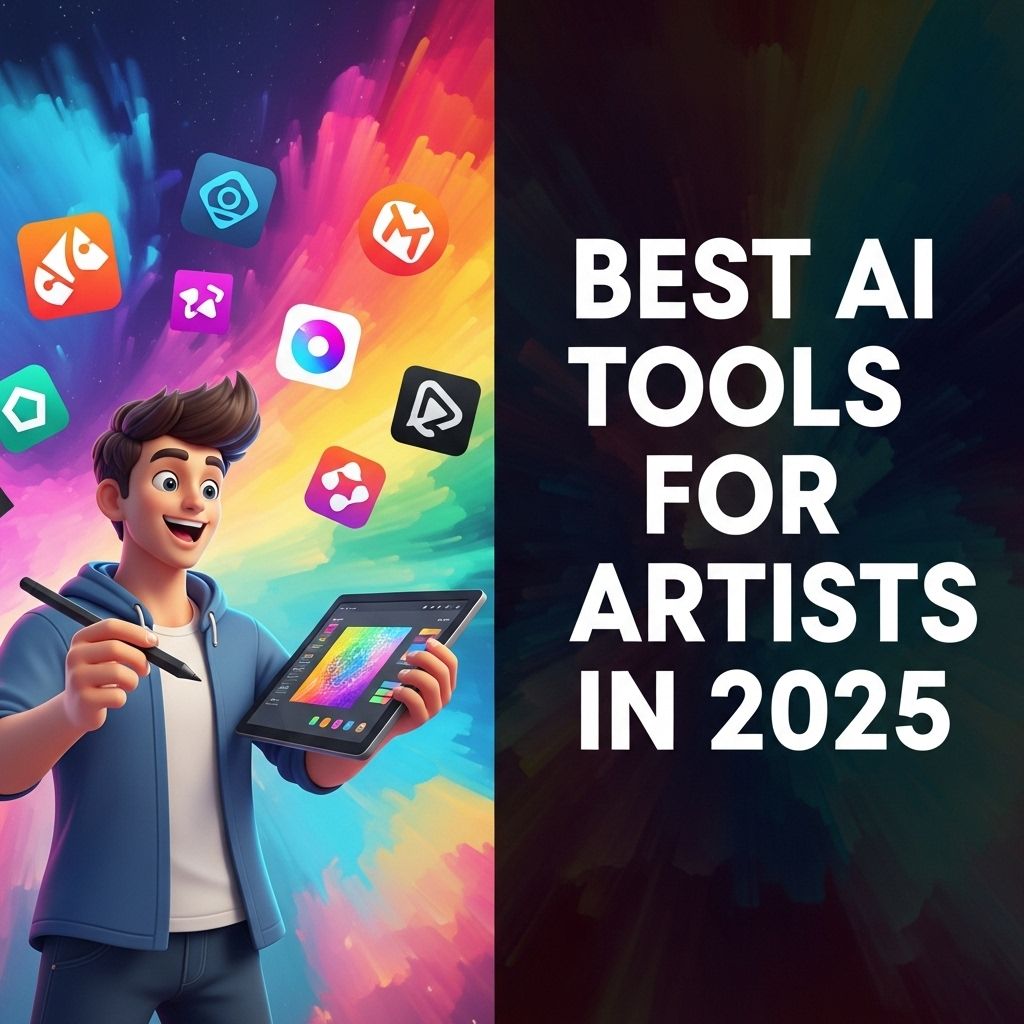
As we step into 2025, the landscape of art and creativity is increasingly intertwined with artificial intelligence (AI). Artists are harnessing these advanced tools to enhance their creative processes, push the boundaries of their work, and explore new forms of expression. From generating unique artwork to assisting in marketing and project management, AI tools are becoming indispensable in the artist’s toolkit. In this article, we will delve into some of the best AI tools available for artists, highlighting their features, benefits, and how they can elevate your artistic journey.
As we venture into 2025, the landscape of creative expression for artists is being transformed by innovative AI tools designed to enhance productivity and creativity. From generative design to intelligent image editing, artists can leverage these cutting-edge resources to push the boundaries of their work. Explore a comprehensive guide to the top-rated AI resources that are shaping the future of art.
AI Image Generation Tools
One of the most transformative applications of AI in art is image generation. These tools can produce stunning visuals based on textual descriptions or pre-existing images. Below are some of the leading AI image generation tools in 2025:
1. DALL-E 3
DALL-E 3, developed by OpenAI, has evolved into a powerful tool that allows artists to create detailed images from simple prompts. Its ability to understand context and deliver high-quality visuals is unmatched.
Features:
- Text-to-image generation with high fidelity.
- Customizable styles and themes.
- Integration with other design tools.
2. Midjourney
Midjourney is known for its emphasis on artistic style, enabling users to create images that reflect specific aesthetics. With the latest version, the tool has improved its capacity to interpret complex prompts.
Features:
- Artistic rendering that aligns with user-defined styles.
- Community-driven platform for sharing and collaboration.
- Real-time feedback on images generated.
AI Collaboration Platforms
Collaboration is key in the creative industry, and AI tools are facilitating partnerships among artists, designers, and marketers. Here are some platforms that enable seamless collaboration:
1. Artbreeder
Artbreeder leverages AI to allow users to blend images and create new artwork collaboratively. Artists can upload their creations, mix them with others, and generate unique variations.
Features:
- Community-based image breeding.
- Ability to control and adjust parameters for individual images.
- Focus on collaboration and co-creation.
2. Runway ML
Runway ML is an AI toolkit designed for creatives, offering a range of features such as video editing, image synthesis, and 3D design. It empowers artists to incorporate AI into their workflows.
Features:
- Easy-to-use interface suitable for various creative professionals.
- Multiple tools for different types of media.
- Real-time collaboration capabilities.
AI Tools for Music Production
Music artists are also benefiting from AI tools that assist in composition, production, and sound design. Here are some noteworthy options:
1. Amper Music
Amper Music is a revolutionary AI-driven music creation platform that enables artists to produce original music tracks tailored to their specific needs.
Features:
- Instant music generation based on user inputs.
- Customizable tracks to fit various moods and genres.
- Integration with video production tools.
2. AIVA (Artificial Intelligence Virtual Artist)
AIVA is designed to compose emotional soundtracks for various media, from films to video games. Its ability to understand and replicate musical styles makes it a great companion for composers.
Features:
- Focus on emotional resonance in music composition.
- Support for various genres and styles.
- Collaboration features for co-composing with other musicians.
AI for Social Media and Marketing
In today’s digital world, artists must not only create but also promote their work. AI tools are streamlining marketing processes, making it easier for artists to reach their audience.
1. Canva’s Magic Write
Canva has integrated AI capabilities to assist users in content creation. Magic Write helps artists create engaging captions, blog posts, and marketing materials effortlessly.
Features:
- AI-generated text tailored to specific themes.
- Design capabilities for marketing materials.
- Collaboration features for team projects.
2. Buffer
Buffer continues to be a popular social media management tool, and its AI capabilities have been enhanced to provide better insights and content recommendations for artists.
Features:
- Optimized posting times based on audience engagement.
- AI-driven content suggestions for improved outreach.
- Analytics to track performance and engagement.
AI-Assisted Art Creation Tools
These tools provide artists with the means to enhance their creativity and workflow, helping them produce artwork efficiently and effectively.
1. DeepArt
DeepArt uses neural networks to transform photos into works of art based on various artistic styles. Artists can upload their images and select styles to apply.
Features:
- Variety of artistic styles to choose from.
- High-resolution outputs suitable for printing.
- User-friendly interface for quick transformations.
2. Clip Studio Paint
With advancements in AI, Clip Studio Paint has added features that assist artists in sketching, coloring, and inking, making the creation process faster and smoother.
Features:
- AI-driven brush stabilization and line correction.
- Intelligent colorization tools.
- Customizable workspace for individual preferences.
Ethical Considerations in AI Art
As AI tools become more prevalent in the art world, ethical considerations arise. Artists must navigate issues surrounding copyright, originality, and the potential for misuse of AI-generated content.
Key Ethical Questions:
- Who owns the rights to AI-generated artwork?
- How do we ensure AI tools are used responsibly and ethically?
- What impact does AI have on traditional artistry and artists’ livelihoods?
Having open discussions about these issues is essential for fostering a responsible approach to integrating AI into the artistic community.
Conclusion
The combination of AI and art is creating exciting new possibilities for creators in 2025. As technology evolves, artists will have access to an expanding array of tools that enhance their creativity, streamline their workflows, and broaden their reach. By embracing these AI tools while considering the ethical implications, artists can navigate this changing landscape and redefine what it means to be a creator in the digital age.
FAQ
What are the best AI tools for artists in 2025?
In 2025, some of the best AI tools for artists include DALL-E 3 for image generation, Artbreeder for collaborative artwork creation, and DeepArt for style transfer.
How can AI tools enhance an artist’s creativity?
AI tools can enhance an artist’s creativity by providing new perspectives, generating unique design ideas, and automating tedious tasks, allowing artists to focus on their core creative processes.
Are AI-generated artworks copyrightable?
As of 2025, the copyright status of AI-generated artworks is still evolving, but typically, the artist who inputs the parameters and provides the creative direction retains copyright.
Can AI tools help with digital marketing for artists?
Yes, AI tools can assist artists with digital marketing by analyzing trends, optimizing social media content, and automating email campaigns to reach a wider audience.
What are the ethical considerations when using AI in art?
Ethical considerations include the potential for plagiarism, the impact on traditional artists, and the need for transparency about AI-generated content.
How can emerging artists leverage AI technology?
Emerging artists can leverage AI technology by using it for inspiration, improving their technical skills, and utilizing AI tools for faster project completion, helping them stand out in a competitive market.