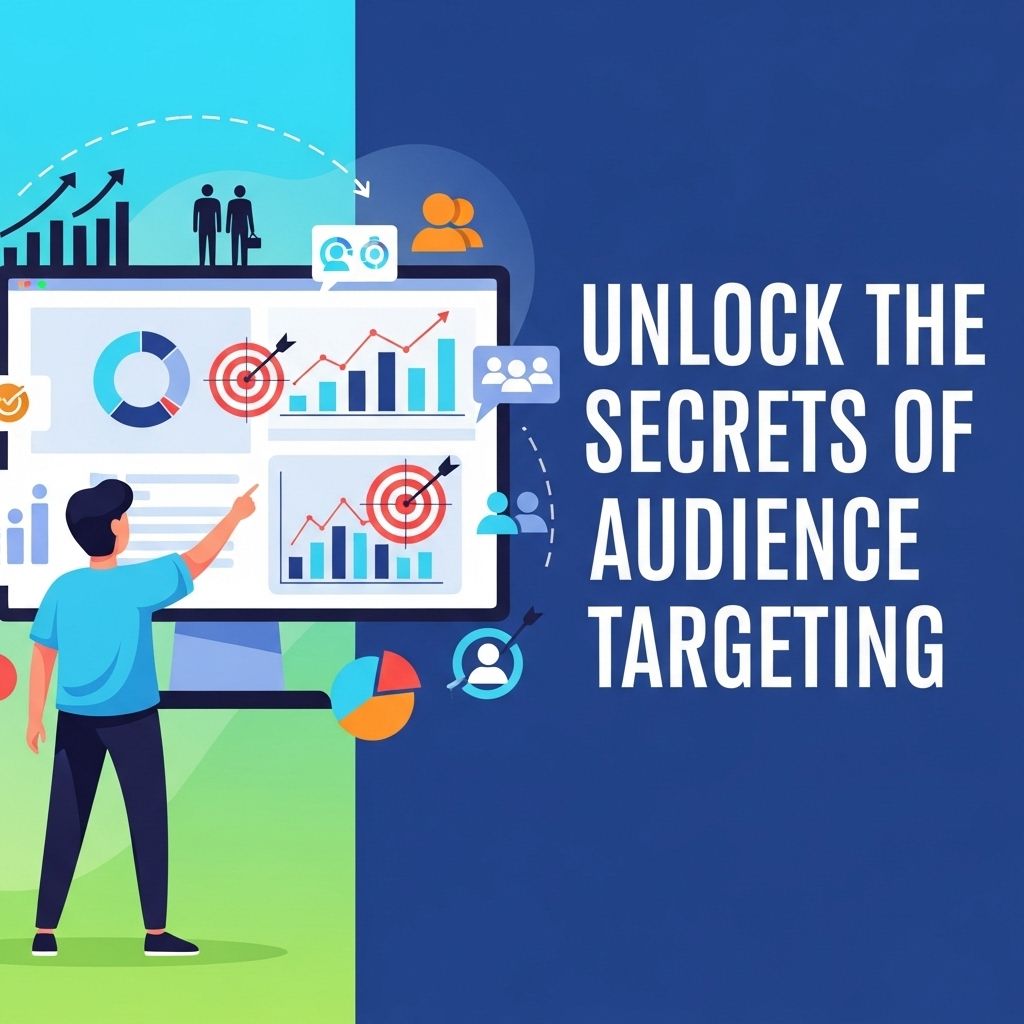
In today’s digital landscape, audience targeting has become an indispensable strategy for businesses aiming to maximize their marketing efforts. Understanding the audience’s behavior, preferences, and demographics allows brands to tailor their messages effectively, thus increasing engagement and conversion rates. This article delves into the intricacies of audience targeting, discussing methods, tools, and best practices for optimizing your marketing campaigns.
Unlocking the secrets of audience targeting on Facebook can significantly elevate your marketing strategy. By understanding your audience’s preferences and behaviors, you can tailor your content to resonate more effectively, ensuring better engagement. For those looking to refine their video content, you can find tips for enhancing Facebook videos.
Understanding Audience Targeting
Audience targeting refers to the process of identifying and focusing on specific groups of consumers who are most likely to respond positively to a brand’s products or services. This approach relies heavily on data-driven insights that can inform marketing strategies.
The Importance of Audience Segmentation
One of the foundational elements of effective audience targeting is segmentation. This involves dividing a broad audience into smaller, more defined groups based on certain criteria. Here are some common segmentation criteria:
- Demographic: Age, gender, income level, and education.
- Geographic: Location-based targeting, such as countries, regions, or cities.
- Psychographic: Lifestyle choices, values, interests, and personality traits.
- Behavioral: User behavior, such as purchasing patterns, brand loyalty, and product usage.
Methods of Audience Targeting
Once segments have been established, brands can employ various methods to target their audiences effectively:
1. Data Analytics
Utilizing advanced analytics tools enables businesses to track and analyze customer behavior across different platforms. By examining data such as website visits, social media interactions, and purchasing history, marketers can gain valuable insights into their audience’s preferences.
2. Social Media Targeting
Social media platforms such as Facebook, Instagram, and LinkedIn offer robust targeting options that allow marketers to reach specific groups. By leveraging user data, brands can create highly targeted ads based on interests, demographics, and online behavior.
3. Email Marketing
Email remains a powerful channel for targeted marketing. By segmenting email lists based on customer data, brands can personalize their messaging and deliver content that resonates with specific segments.
Tools for Audience Targeting
Several tools can assist in the audience targeting process:
| Tool | Purpose | Features |
|---|---|---|
| Google Analytics | Website traffic analysis | User demographics, behavior tracking, conversion rate analysis |
| Facebook Ads Manager | Social media advertising | Custom audience creation, detailed targeting options, performance tracking |
| Mailchimp | Email marketing | Email segmentation, automation, analytics |
4. Programmatic Advertising
Programmatic advertising automates the buying and selling of online advertising space. By using algorithms and data insights, programmatic platforms can serve ads to specific audience segments in real-time, optimizing ad spend and improving campaign effectiveness.
Creating a Targeting Strategy
To develop an effective audience targeting strategy, follow these steps:
- Define Your Audience: Use market research and customer data to create detailed buyer personas.
- Choose Your Channels: Determine the most effective channels to reach your audience, whether through social media, email, or search engines.
- Craft Your Message: Tailor your messaging to resonate with the values and interests of your audience segments.
- Optimize and Test: Continuously monitor campaign performance and make adjustments based on analytics to improve targeting accuracy.
Best Practices for Effective Targeting
Implementing the following best practices can enhance your audience targeting efforts:
- Stay Data-Driven: Regularly analyze consumer data to stay updated on trends and behaviors.
- Prioritize Privacy: Be transparent about data collection and ensure compliance with relevant regulations, such as GDPR.
- Test and Iterate: Use A/B testing to evaluate different strategies and refine your approach based on results.
- Engage with Your Audience: Foster relationships through personalized content and interactions.
Conclusion
Audience targeting is a powerful tool that, when executed correctly, can lead to significant improvements in marketing effectiveness. By leveraging data analytics, segmenting audiences, and utilizing the right tools, brands can deliver tailored messages that resonate with their target audience. As the digital landscape evolves, staying up-to-date with best practices and emerging technologies will ensure that your audience targeting strategies remain effective and impactful.
FAQ
What is audience targeting?
Audience targeting is the practice of identifying and reaching a specific group of consumers based on their demographics, interests, and behaviors to enhance marketing effectiveness.
Why is audience targeting important for businesses?
Audience targeting is crucial for businesses as it allows them to tailor their marketing efforts, increase engagement, and improve conversion rates by reaching the right people with the right message.
How can I identify my target audience?
To identify your target audience, analyze your existing customer data, conduct market research, and utilize tools like surveys and social media insights to understand their preferences and behaviors.
What tools can help with audience targeting?
Several tools can assist with audience targeting, including Google Analytics, Facebook Audience Insights, and various CRM software that provide data on customer demographics and behaviors.
What are the common methods of audience targeting?
Common methods of audience targeting include demographic targeting, psychographic targeting, behavioral targeting, and geographic targeting, each focusing on different aspects of consumer data.
How can I measure the effectiveness of my audience targeting efforts?
You can measure the effectiveness of your audience targeting efforts by analyzing metrics such as engagement rates, conversion rates, and return on investment (ROI) through analytics tools and tracking software.