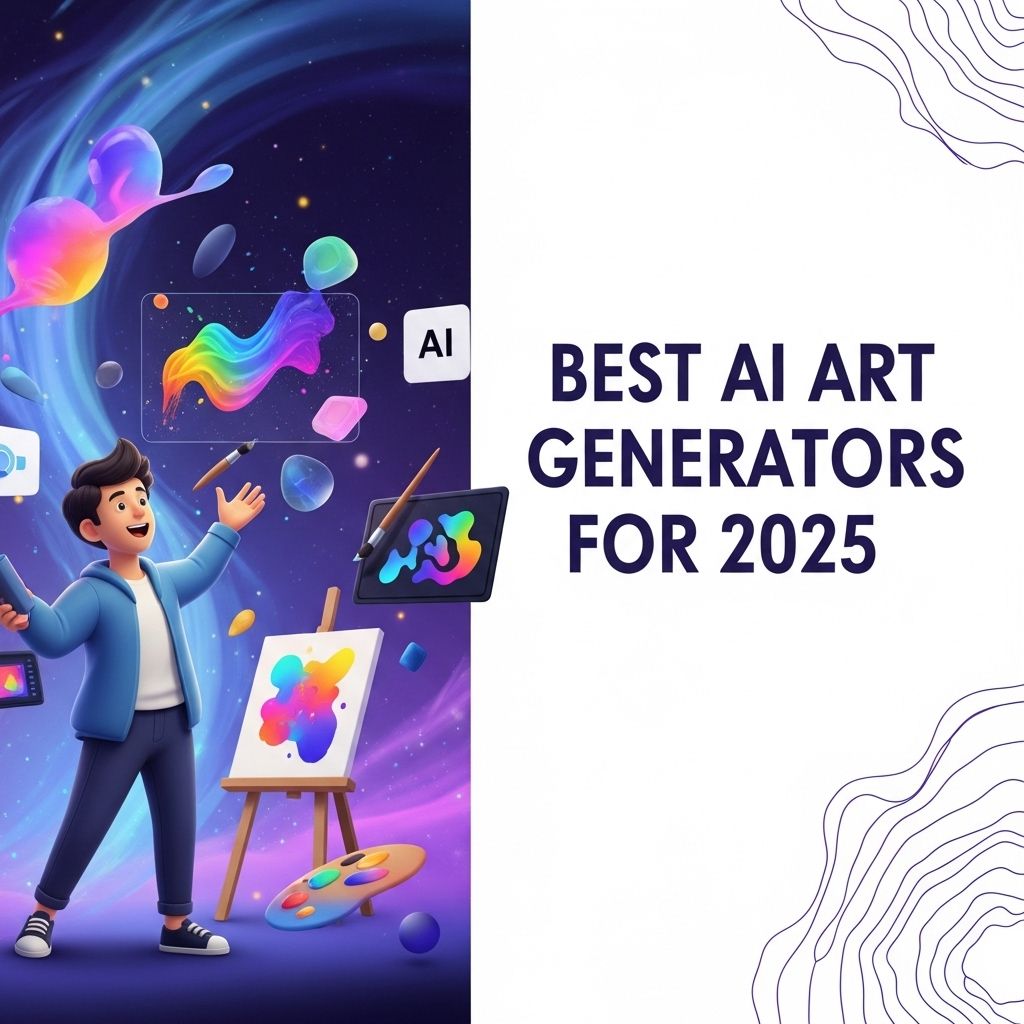
The digital art landscape is rapidly evolving, with artificial intelligence (AI) tools transforming the way artists create and interact with their work. As we approach 2025, several AI art generators are set to redefine creativity by merging technology with artistic expression. This article delves into the top AI art generators that are expected to make waves in the coming years, showcasing their unique features and capabilities.
As we look ahead to 2025, the landscape of AI art generation is set to evolve dramatically, with new tools that promise to enhance creativity and accessibility for artists and enthusiasts alike. Understanding these innovative advancements is crucial for anyone interested in the intersection of technology and art. For more insights into AI tools that are shaping this future, discover innovative AI solutions.
Understanding AI Art Generators
AI art generators utilize machine learning algorithms to produce artwork based on input data. These tools analyze millions of images to learn styles, patterns, and techniques, allowing them to generate original pieces that mimic various artistic movements. By simply inputting a prompt or selecting specific parameters, users can create artwork that ranges from photorealistic to abstract. Some generators even allow for the blending of different styles, providing endless creative possibilities.
How AI Art Generators Work
AI art generators typically operate using generative adversarial networks (GANs) or neural networks. Here’s a simplified breakdown of the process:
- Data Collection: The AI is trained on a vast dataset of images to learn different artistic styles.
- Style Learning: Using deep learning techniques, the AI analyzes the features that define each style.
- Image Generation: Based on user input, the AI synthesizes new images by applying learned styles to create original artwork.
- Feedback Loop: Some systems utilize user feedback to improve and refine their output over time.
Top AI Art Generators for 2025
As we look forward to 2025, several AI art generators are emerging as frontrunners in the industry. Below is a selection of the most noteworthy tools:
1. DALL-E 3
DALL-E 3 has set a new standard in AI-generated art. Developed by OpenAI, this tool allows users to create highly detailed images from textual descriptions. With numerous improvements over its predecessors, DALL-E 3 excels in:
- High-resolution outputs
- Enhanced understanding of complex prompts
- Ability to generate images in various styles, from realism to surrealism
2. Midjourney
Midjourney has gained popularity for its community-driven approach and stunning aesthetic outputs. It operates primarily through a Discord server, where users can interact with the bot to create art. Key features include:
- Customization options for artistic style
- Real-time collaboration with other artists
- Regular updates and enhancements based on user feedback
3. Artbreeder
Artbreeder takes a unique approach by allowing users to blend different images to create new works. It emphasizes collaboration and community, enabling artists to:
- Mix images to evolve new concepts
- Adjust parameters like color, shape, and style
- Share and remix creations with others
4. Runway ML
Runway ML is not just an art generator but a full-fledged creative toolkit. It integrates various AI tools for video, audio, and image creation. Features of Runway ML include:
| Feature | Description |
|---|---|
| Real-time Collaboration | Work with teams in real-time on projects. |
| Multi-Modal Capabilities | Create content across different media formats. |
| Advanced Editing Tools | Utilize cutting-edge AI tools for detailed image editing. |
The Future of AI Art
As we continue to explore the capabilities of AI in art, several trends are emerging that could shape the future of this intersection:
1. Increased Accessibility
AI art generators are becoming more user-friendly, encouraging participation from non-artists. This democratization of art could lead to:
- New forms of artistic expression from a broader audience
- Interactive art experiences that blend user input with AI creativity
2. Ethical Considerations
With the rise of AI-generated art, ethical questions are increasingly relevant. These include:
- Copyright issues surrounding AI-generated works
- Concerns over authenticity and originality
3. Integration with Other Technologies
Future AI art generators may integrate with virtual reality (VR), augmented reality (AR), and blockchain technology to enhance user experience and creativity. Potential applications include:
- Immersive art installations using AR/VR
- Authenticated digital art using blockchain technology
Conclusion
As we approach 2025, the landscape of AI art generators is poised for significant transformation. With tools like DALL-E 3, Midjourney, Artbreeder, and Runway ML leading the charge, artists and creators have unprecedented opportunities to explore new dimensions of creativity. Embracing these technologies not only enhances artistic potential but also raises important conversations about the nature of art and creativity in an increasingly digital world.
FAQ
What are the best AI art generators for 2025?
Some of the top AI art generators anticipated for 2025 include DALL-E 3, Midjourney 5, and Artbreeder 2.0, each offering unique features and improved capabilities.
How do AI art generators work?
AI art generators use machine learning algorithms to analyze existing artwork and create new images based on user inputs, styles, or themes.
Are AI-generated artworks copyright protected?
Copyright laws regarding AI-generated artworks are still evolving. Generally, the output may not be eligible for copyright if it lacks human authorship.
Can I use AI art generators for commercial purposes?
Many AI art generators allow commercial use of generated images, but it’s important to check the specific licensing agreements of each platform.
Do I need artistic skills to use AI art generators?
No artistic skills are required to use AI art generators. These tools are designed for users of all skill levels, making art creation accessible to everyone.
What makes an AI art generator stand out?
Key features that make an AI art generator stand out include user-friendly interfaces, diverse style options, customization capabilities, and the quality of the artwork produced.