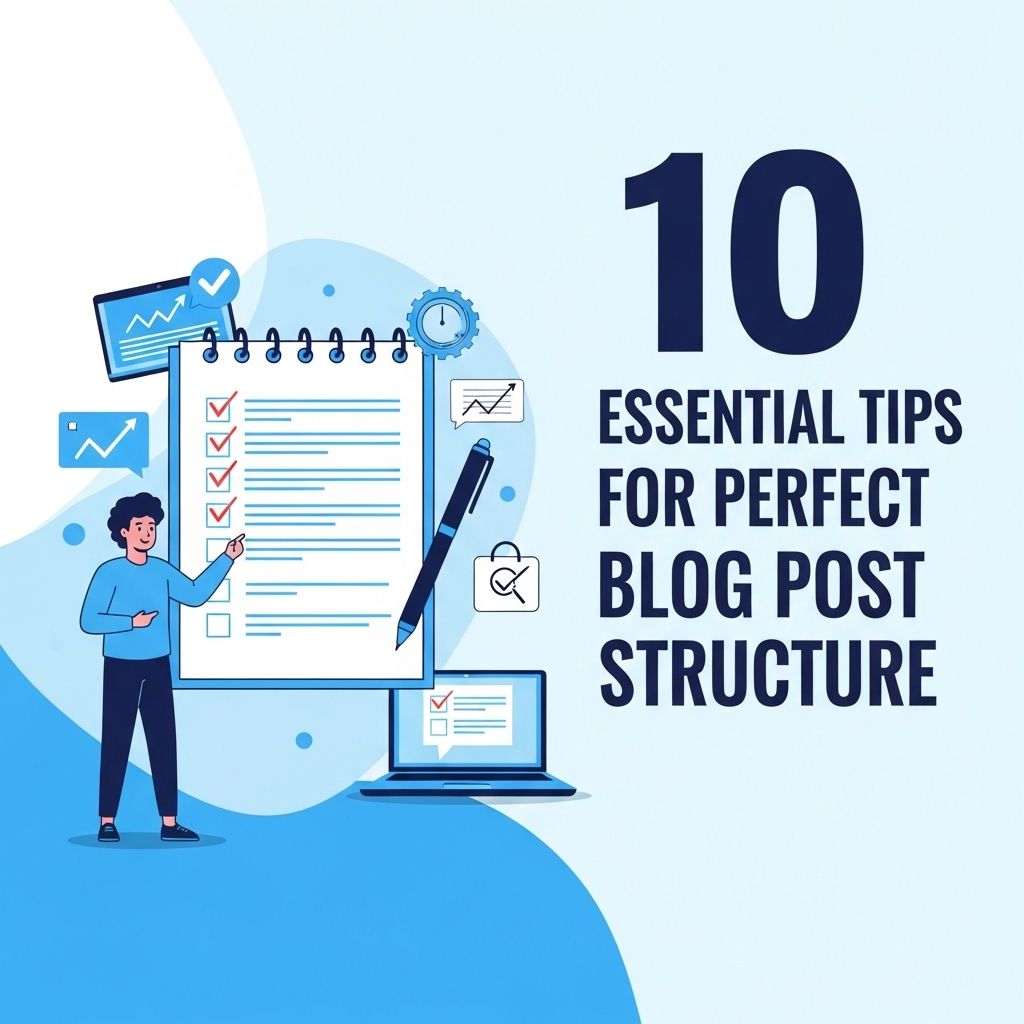
Crafting a blog post that captivates your audience and conveys information effectively requires a solid structure. Proper organization not only enhances readability but also keeps your readers engaged from start to finish. In this article, we’ll delve into ten essential tips to help you master the art of blog post structure. Whether you’re a seasoned blogger or just starting, these tips will elevate your content to another level.
In the world of blogging, a well-structured post can make all the difference in engaging your audience. By following these 10 essential tips for perfect blog post structure, you can enhance readability and impact. Additionally, for those looking to elevate their product presentation, consider exploring resources to enhance your product presentation.
Understanding Your Audience
The foundation of any successful blog post begins with understanding the audience you are addressing. Knowing their preferences, challenges, and interests is crucial for creating relevant content.
Identify Your Target Readers
- Age range
- Professional background
- Interests and hobbies
- Common questions or problems
By defining your target audience, you can tailor your writing style, tone, and the information you provide to better connect with them.
Creating an Engaging Introduction
The introduction is your chance to grab the reader’s attention. An engaging opening will compel readers to continue reading.
Strategies for a Strong Introduction
- Pose a thought-provoking question.
- Share a compelling statistic or fact.
- Use a relevant anecdote or personal story.
- Clearly state what readers will gain from the post.
A well-crafted introduction sets the stage for the rest of the article, so invest time in making it captivating.
Using Clear and Descriptive Subheadings
Subheadings improve readability and help guide the reader through the content. They serve as signposts, indicating what to expect in each section.
Benefits of Subheadings
- Enhances navigation
- Breaks up large chunks of text
- Improves SEO by including keywords
Ensure your subheadings are descriptive and relevant to the content that follows.
Breaking Up Text for Readability
Long paragraphs can be daunting for readers. To maintain their interest, break up the text using various formatting techniques.
Effective Techniques to Break Up Text
- Use short paragraphs (2-4 sentences).
- Incorporate bullet points and numbered lists.
- Include images, diagrams, or infographics.
Incorporating Visual Elements
Visuals are a powerful tool for enhancing your blog post. They add interest, clarify complex information, and can even improve SEO.
Types of Visuals to Consider
| Visual Type | Purpose |
|---|---|
| Images | Add emotional appeal and context. |
| Infographics | Simplify complex data and illustrate key points. |
| Videos | Engage readers with dynamic content. |
| Charts/Graphs | Visualize data for quicker understanding. |
Utilizing Calls to Action (CTAs)
Calls to action guide readers toward the next step, whether it’s subscribing to a newsletter, leaving a comment, or exploring related content.
Effective Call to Action Examples
- “Subscribe for more tips!”
- “Share your thoughts in the comments below.”
- “Explore our related articles here.”
Place CTAs strategically within your post to maximize engagement.
Conclusion: Summarizing Key Points
The conclusion is where you can reinforce the main ideas of your blog post. A strong conclusion not only summarizes your points but also reminds readers of the importance of the content.
Tips for an Effective Conclusion
- Recap the main topics covered.
- Encourage reader interaction through questions.
- Provide additional resources or links.
Editing and Proofreading
Before hitting the publish button, take the time to edit and proofread your post. This step is crucial for ensuring clarity and professionalism.
Editing Checklist
- Check for grammatical errors and typos.
- Ensure the flow of content is logical.
- Verify that all links work correctly.
- Ensure images are optimized and credited.
Optimizing for SEO
Search engine optimization (SEO) is essential for increasing the visibility of your blog post. Implementing basic SEO practices can significantly enhance your post’s reach.
Basic SEO Practices
- Use relevant keywords throughout your content.
- Optimize meta titles and descriptions.
- Utilize alt text for images.
- Link to authoritative sources.
Promoting Your Blog Post
After publishing, promote your post to reach a wider audience. Leverage social media, email newsletters, and online communities to drive traffic.
Effective Promotion Strategies
- Share on major social media platforms.
- Engage with followers by asking questions.
- Utilize guest blogging opportunities.
- Collaborate with influencers in your niche.
With these ten essential tips, you can create blog posts that not only engage but also provide value to your readers. By focusing on structure, readability, and promotion, you can effectively enhance your blogging skills and grow your audience.
FAQ
What is the ideal structure for a blog post?
The ideal structure includes a catchy title, an engaging introduction, informative body sections with subheadings, and a conclusion that encourages reader interaction.
How important are headlines in blog posts?
Headlines are crucial as they grab the reader’s attention and improve SEO. A compelling headline encourages clicks and increases visibility.
Should I use images in my blog posts?
Yes, incorporating images enhances visual appeal, breaks up text, and can improve SEO by providing alt text opportunities.
What role do subheadings play in blog posts?
Subheadings help organize content, making it easier for readers to scan. They also improve SEO by incorporating relevant keywords.
How can I make my blog posts more engaging?
Utilize storytelling, ask questions, include personal anecdotes, and make use of bullet points or numbered lists to keep readers interested.
What should I include in the conclusion of my blog post?
The conclusion should summarize key points, provide a call to action, and encourage readers to leave comments or share the post.