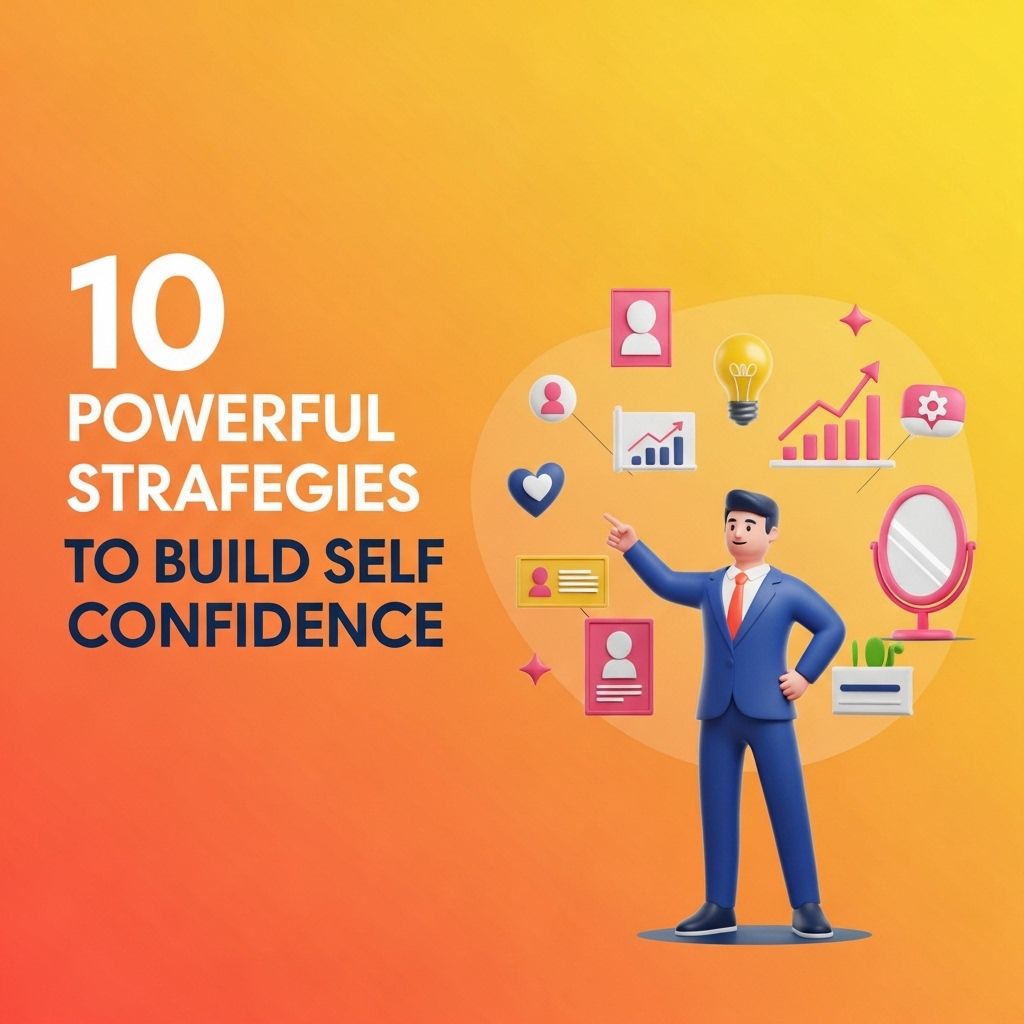
Building self-confidence is an essential aspect of personal development that can significantly impact all areas of life, from professional endeavors to personal relationships. Many people struggle with self-doubt and insecurity, which can hinder their potential and limit their achievements. This article explores ten powerful strategies designed to help you cultivate a strong sense of self-confidence.
Building self-confidence is a transformative journey that can significantly impact various aspects of your life. By implementing powerful strategies, you can cultivate a stronger sense of self and overcome obstacles that hinder your personal growth. For those looking to enhance their presence or projects visually, consider tools to improve your presentations, such as Enhance your product presentation.
Understanding Self-Confidence
Self-confidence refers to the belief in one’s abilities and judgment. It is a critical factor in determining how we approach challenges and pursue goals. While some people seem to possess an innate self-assuredness, self-confidence can be nurtured and developed through conscious effort and practice.
Why Self-Confidence Matters
Confidence can influence various aspects of life, such as:
- Professional Success: Individuals with higher self-confidence are more likely to pursue opportunities, take risks, and advocate for themselves in the workplace.
- Relationship Building: Confidence helps in forming and maintaining healthy relationships, as it fosters open communication and self-respect.
- Mental Health: A strong sense of self-worth contributes to overall well-being and reduces anxiety and stress.
Strategy 1: Set Achievable Goals
One of the most effective ways to build self-confidence is by setting and accomplishing realistic goals. Start with small, attainable objectives that lead to larger achievements. Here’s how to approach this:
- Define clear and specific goals.
- Break them down into manageable steps.
- Celebrate your progress along the way.
Strategy 2: Cultivate a Positive Mindset
Your mindset plays a crucial role in shaping your self-confidence. Emphasizing positivity can create a more empowering internal dialogue. Consider these techniques:
- Practice gratitude by regularly acknowledging what you appreciate about yourself and your life.
- Use affirmations to reinforce your strengths and capabilities.
- Challenge negative thoughts by reframing them into constructive perspectives.
Strategy 3: Embrace Failure as a Learning Opportunity
Fear of failure can cripple self-confidence. Instead of viewing failures as setbacks, consider them as valuable lessons. Here’s how to shift your perspective:
- Analyze what went wrong and identify growth opportunities.
- Recognize that everyone experiences failures and that they are a natural part of the journey.
- Develop resilience by understanding that setbacks can lead to future successes.
Strategy 4: Practice Self-Compassion
Self-compassion involves treating yourself with kindness and understanding, especially during difficult times. To cultivate self-compassion:
- Acknowledge your feelings without judgment.
- Realize that imperfection is part of the human experience.
- Practice self-care and engage in activities that enhance your well-being.
Strategy 5: Seek Feedback and Support
Constructive feedback is a powerful tool for personal growth. Seek out mentors, friends, or colleagues who can provide insights into your strengths and areas for improvement. Here are some ways to do this:
- Ask for feedback on your work or behavior.
- Join groups or forums related to your interests or career.
- Engage in networking opportunities to connect with others.
Strategy 6: Improve Your Body Language
Your body language can significantly influence how you perceive yourself and how others perceive you. Consider these strategies to improve your non-verbal communication:
- Maintain an upright posture to convey confidence.
- Make eye contact during conversations to establish connection.
- Use gestures that express enthusiasm and openness.
Strategy 7: Acquire New Skills
Learning new skills can enhance your confidence by expanding your capabilities. Consider the following approaches:
- Identify areas where you wish to improve or learn.
- Enroll in courses, workshops, or online classes.
- Practice consistently to develop proficiency.
Strategy 8: Surround Yourself with Positive Influences
The company you keep can impact your self-confidence. Surround yourself with supportive and positive individuals who uplift you. Here are some tips:
- Identify relationships that drain your energy and consider limiting contact.
- Engage with people who inspire and motivate you.
- Participate in communities or networks that align with your goals.
Strategy 9: Document Your Achievements
Keeping track of your accomplishments can serve as a powerful reminder of your capabilities. Consider maintaining:
- A journal of your successes, no matter how small.
- A vision board to visualize your goals and milestones.
- A portfolio showcasing your skills and achievements.
Strategy 10: Step Outside Your Comfort Zone
Challenging yourself to step outside your comfort zone can significantly enhance your confidence. Consider taking the following steps:
- Identify activities that make you feel uncomfortable.
- Gradually expose yourself to these situations.
- Reflect on your experiences and celebrate your bravery.
Conclusion
Building self-confidence is a journey that requires commitment and practice. By implementing these ten strategies, you can develop a robust sense of self-worth that empowers you to achieve your goals and enhance your quality of life. Remember, confidence is not an inherent trait but a skill that can be cultivated over time.
FAQ
What are some effective strategies to build self-confidence?
Some effective strategies include setting achievable goals, practicing positive self-talk, surrounding yourself with supportive people, and stepping out of your comfort zone.
How does setting goals help in increasing self-confidence?
Setting and achieving small, realistic goals helps you experience success, which can boost your self-esteem and motivate you to tackle bigger challenges.
Can positive self-talk really improve my self-confidence?
Yes, positive self-talk can reshape your mindset, reduce self-doubt, and encourage a more confident attitude towards challenges.
Why is it important to surround myself with supportive people?
Supportive people can provide encouragement, constructive feedback, and a sense of belonging, all of which contribute significantly to building self-confidence.
What role does stepping out of my comfort zone play in building confidence?
Stepping out of your comfort zone allows you to face fears, learn new skills, and gain experiences that reinforce your capabilities, leading to greater self-confidence.
How can I maintain self-confidence in the face of failure?
Recognizing that failure is a part of growth, learning from mistakes, and focusing on your strengths can help you maintain self-confidence despite setbacks.