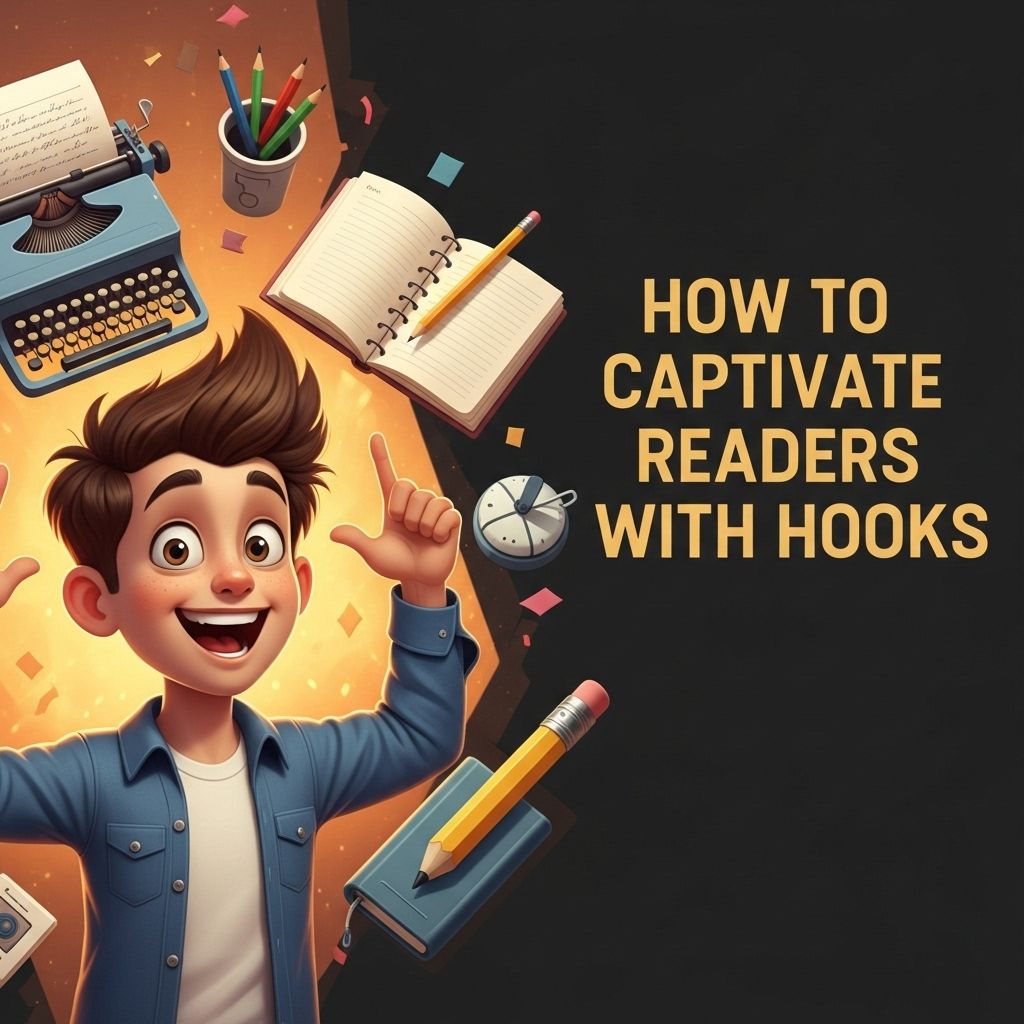
In the vast sea of written content, capturing a reader’s attention from the very first sentence is crucial. Regardless of the medium—be it a blog post, novel, or article—the hook serves as an essential tool to draw readers in. Crafting an effective hook can mean the difference between readers clicking away or becoming fully immersed in your writing.
Crafting the perfect hook is essential for captivating readers and drawing them into your content. Whether through a thought-provoking question, an intriguing fact, or a vivid anecdote, a well-crafted opening sets the tone for what’s to come. For those new to this art, exploring resources like a beginner’s content creation guide can be incredibly beneficial.
Understanding the Importance of Hooks
Hooks are more than just attention-grabbers; they are vital for setting the tone and pace of your writing. A well-crafted hook can:
- Engage the reader’s curiosity.
- Set the thematic direction of the piece.
- Encourage readers to delve deeper into your content.
- Create a memorable reading experience.
In this article, we will explore various types of hooks and how to effectively implement them in your writing.
Types of Hooks
1. The Question Hook
Beginning with a thought-provoking question can immediately engage your audience’s mind. By posing a question, you encourage the reader to think and invite them to seek answers within your content.
Example:
“Have you ever wondered what truly motivates people to change their lives?”
2. The Statistic Hook
Incorporating a surprising statistic can capture attention and lend credibility to your content. Readers are often intrigued by numbers and facts that challenge their assumptions.
Example:
“According to recent studies, 70% of people will change their job within the next five years—what drives this trend?”
3. The Anecdotal Hook
Sharing a brief personal story or anecdote can create a connection with your readers. This approach helps humanize the content and makes it relatable.
Example:
“I still remember the day I stumbled upon a hidden talent that transformed my career. It was both exhilarating and terrifying.”
4. The Quotation Hook
Using a powerful quote from a recognized figure can lend authority to your writing and pique interest. Quotes that resonate with your theme can leave a lasting impression.
Example:
“As Albert Einstein once said, ‘Imagination is more important than knowledge.'”
5. The Vivid Description Hook
A vivid description paints a picture in the reader’s mind, drawing them into your narrative. This technique can be particularly effective in creative writing.
Example:
“The sun dipped below the horizon, casting a golden sheen over the bustling city, a prelude to the night’s adventures.”
Crafting Your Hook
Now that we’ve discussed various types of hooks, let’s explore how to craft one that resonates with your audience.
1. Know Your Audience
Understanding your audience is crucial to determining the type of hook that will most effectively engage them. Consider the following:
- What interests them?
- What challenges do they face?
- What format resonates best with them (statistical, anecdotal, etc.)?
2. Identify the Purpose of Your Content
Your hook should align with the overall goal of your piece. Ask yourself:
- What message do you want to convey?
- What action do you want readers to take after reading?
3. Use Emotion
Hooks that evoke emotion often resonate more deeply with readers. Whether it’s humor, nostalgia, or excitement, tapping into emotions can create lasting engagement.
Testing Your Hooks
Even the most experienced writers may not always hit the mark with their hooks. Testing different hooks can help you refine your approach. Here are some strategies:
1. Gather Feedback
Share your hooks with peers or potential readers and gather their impressions. Ask questions like:
- Did the hook grab your attention?
- What emotions did it evoke?
2. A/B Testing
If you’re writing for a blog or online platform, consider using A/B testing. Present two different hooks to your audience and analyze engagement metrics to see which performs better.
Examples of Effective Hooks in Action
Let’s take a look at some effective hooks from various genres:
Blog Post Example
“Did you know that over 90% of startups fail? Discover what separates the successful ones from the rest.”
Novel Opening Example
“On the morning of her twenty-first birthday, Sarah found a letter that would change her life forever.”
Research Article Example
“Recent data indicates that climate change is accelerating at an unprecedented rate—are we too late to make a difference?”
The Role of Hooks in Different Mediums
While the concept of hooks applies broadly, their execution may vary across different writing mediums.
1. Fiction Writing
In novels, hooks often focus on character intrigue or conflicts that prompt the reader to continue the journey. A compelling story opener sets the stage for the unfolding drama.
2. Academic Writing
In academic papers, statistical or factual hooks can serve to ground the discussion and provide context for the research questions being explored.
3. Content Marketing
For marketing purposes, hooks often need to be punchy and persuasive, enticing the reader to engage with a product or service.
Conclusion: Mastering the Art of the Hook
Creating captivating hooks is an essential skill for any writer. By understanding the various types of hooks, knowing your audience, and crafting your message effectively, you can significantly enhance your writing’s impact. Remember that the hook is just the beginning; it should seamlessly transition into the main content that delivers on its promise. With practice and creativity, you will be able to master the art of the hook and captivate your readers every time.
FAQ
What are hooks in writing?
Hooks are engaging opening sentences or phrases that capture the reader’s attention and encourage them to continue reading.
Why are hooks important for captivating readers?
Hooks are crucial because they create an immediate interest, drawing readers into the narrative or argument and making them more likely to engage with the content.
What are some effective types of hooks?
Effective types of hooks include startling statistics, thought-provoking questions, vivid descriptions, anecdotes, and quotes.
How can I create a compelling hook for my story?
To create a compelling hook, think about what will resonate with your audience, use strong imagery or emotion, and ensure it relates to the main theme of your writing.
Can a hook be used in different types of writing?
Yes, hooks can be used in various forms of writing, including essays, blog posts, fiction, and speeches, to enhance engagement and interest.