
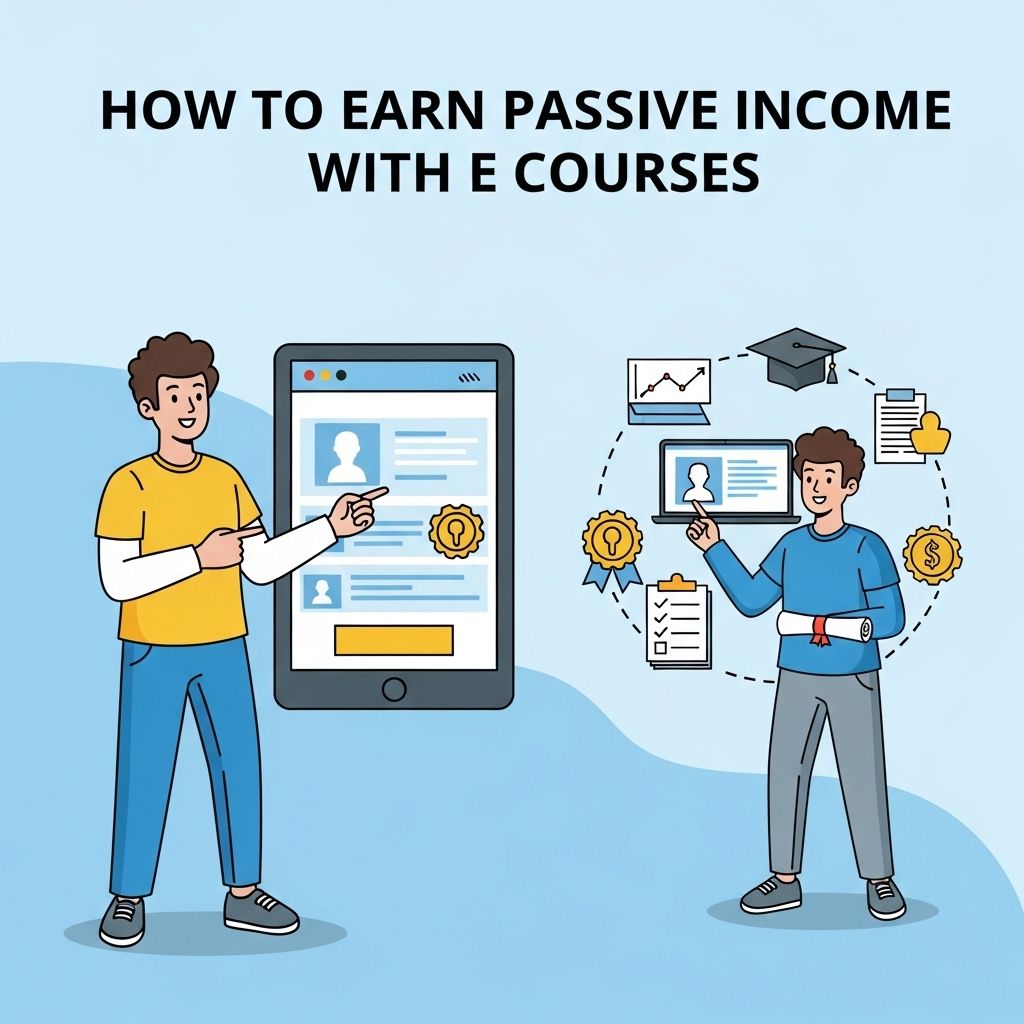
In an era where traditional income streams are being challenged by technological advancements, passive income has emerged as a desirable goal for many. While the concept is not new, advancements in online education and e-learning platforms have created unprecedented opportunities for generating income through e-courses. This article delves into the world of e-courses, exploring how you can create and market them effectively to earn a sustainable income.
In today’s digital landscape, e-courses present a unique opportunity to generate passive income while sharing your expertise. This guide will navigate the essential steps to create and market your online course effectively, helping you tap into the booming demand for online education. To enhance your content creation process, explore various content creation tools and resources.
Understanding Passive Income and E-Courses
Passive income is typically defined as earnings that require minimal effort to maintain. E-courses fit perfectly into this definition; once created and set up, they can generate income with minimal ongoing involvement. Below are some key benefits of earning passive income through e-courses:
- Scalability: E-courses can reach a global audience without geographical constraints.
- Low initial investment: Compared to physical products, creating an e-course usually requires less capital.
- Flexible working hours: You can design and sell courses on your schedule.
- Potential for high returns: Once established, e-courses can yield high returns on investment.
Creating Your E-Course
The process of creating an e-course involves several stages, from ideation to content delivery. Understanding these stages will lead you to a successful launch.
1. Identify Your Niche
Start by identifying a niche that aligns with your expertise and passion. Consider the following:
- What subjects are you knowledgeable about?
- What skills can you teach others?
- What gaps exist in the current course offerings?
Validating your course idea can be done through market research, surveys, and engaging with online communities.
2. Plan Your Course Content
Once you’ve identified your niche, outline the content of your course. Here’s a suggested approach:
- Create a course outline.
- Divide your content into modules and lessons.
- Choose the format (video, text, audio, or a mix).
3. Develop Engaging Materials
Quality is key when it comes to educational content. Consider incorporating:
- Video lectures with high production value.
- Interactive quizzes and assignments.
- Supporting materials such as PDFs and slides.
Selecting the Right Platform
Choosing the right platform to host your e-course is crucial. The following are popular platforms to consider:
| Platform | Best For | Pricing |
|---|---|---|
| Teachable | Ease of use | Free to start, 5% transaction fee |
| Udemy | Wider reach | Free to start, revenue share model |
| Thinkific | Customizability | Free to start, subscription plans from $39/month |
Marketing Your E-Course
Once your course is ready, it’s time to attract students. Effective marketing strategies include:
1. Build an Online Presence
Establishing a strong online presence is essential for credibility. This can be achieved through:
- A personal website or blog.
- Active social media profiles.
- A professional LinkedIn account.
2. Content Marketing
Leverage content marketing to attract potential learners. Here are some strategies:
- Write blog posts related to your course topic.
- Produce informative videos.
- Offer free webinars or live Q&A sessions.
3. Email Marketing
Email remains a powerful tool for marketing. Build an email list and nurture your subscribers with valuable content. Consider:
- Sending newsletters with course updates.
- Offering exclusive discounts.
- Requesting feedback to build community.
Automating Your Income
To truly achieve passive income, automation is key. Consider the following tools:
- Email Automation: Tools like Mailchimp or ConvertKit enable you to send automated emails.
- Sales Funnels: Use platforms like ClickFunnels to create automated sales processes.
- Social Media Scheduling: Tools like Buffer or Hootsuite help schedule posts to maintain engagement.
Analyzing Your Success
To ensure your e-course is successful, it’s essential to analyze key metrics. Focus on:
- Enrollment numbers.
- Completion rates.
- Student feedback and reviews.
These metrics will guide your improvements and help you scale your offerings.
Conclusion
Earning passive income through e-courses is not just achievable but can also be highly rewarding, both financially and personally. By investing time in quality content creation, effective marketing, and automating processes, you can build a successful online teaching business. As the e-learning market continues to grow, now is the perfect time to take the plunge into this lucrative avenue.
FAQ
What are e-courses and how can they generate passive income?
E-courses are online courses that you create and sell. Once developed, they can generate passive income as students enroll and pay for access without requiring ongoing effort from you.
What platforms can I use to sell my e-courses?
You can sell your e-courses on platforms like Udemy, Teachable, and Thinkific, or host them on your own website using tools like WordPress with a learning management system plugin.
How do I create an e-course that sells?
To create a successful e-course, identify a niche topic, outline the course structure, produce quality content, and market it effectively to your target audience.
What marketing strategies work best for promoting e-courses?
Effective marketing strategies for e-courses include social media marketing, email marketing, content marketing, and utilizing SEO to attract organic traffic to your course.
Can I automate the sales process for my e-course?
Yes, you can automate the sales process using email automation tools, sales funnels, and payment processors to handle transactions and deliver course materials automatically.


