
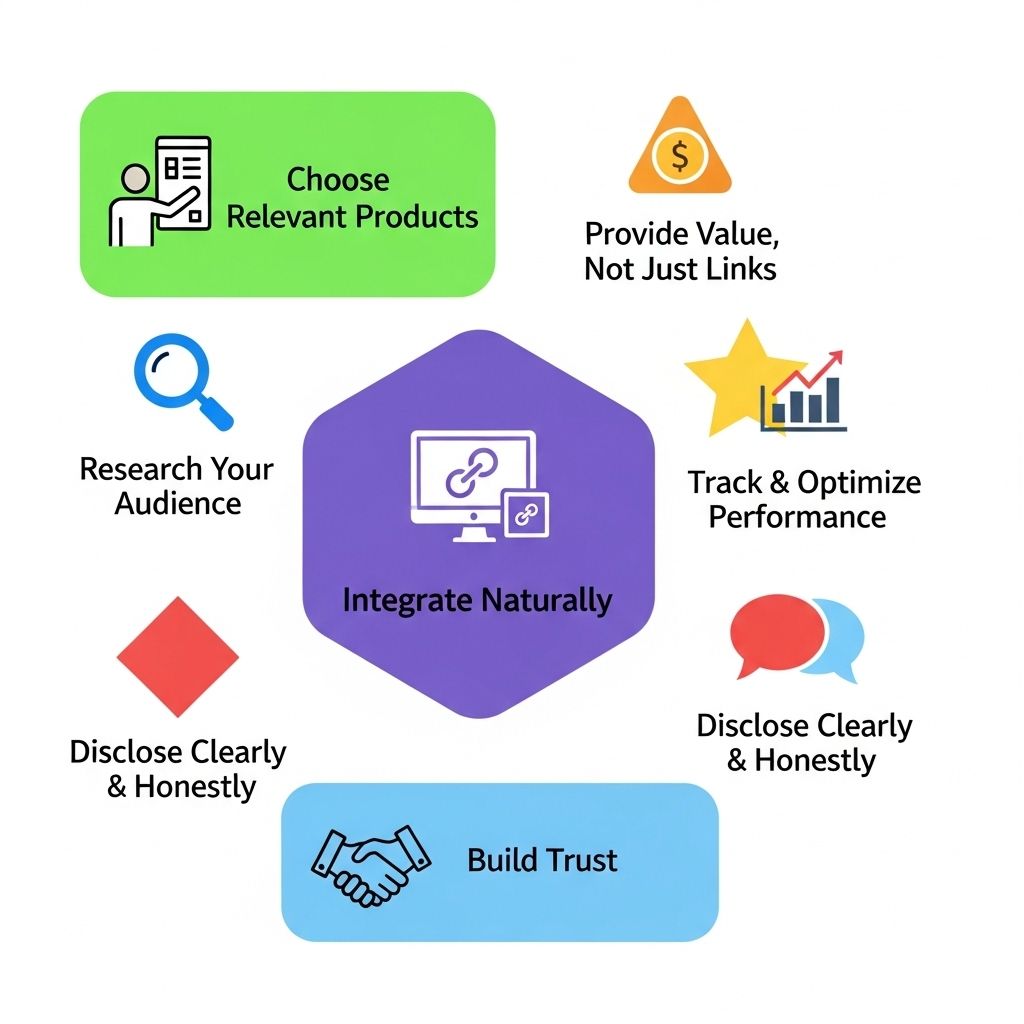
In the ever-evolving landscape of online marketing, leveraging affiliate links has emerged as a powerful strategy for monetization. Whether you are a blogger, content creator, or a business owner, understanding how to effectively utilize affiliate links can significantly impact your revenue stream. In this article, we will explore the best practices, strategies, and tools to maximize your affiliate marketing efforts.
Maximizing your earnings through affiliate links requires a strategic approach, especially on platforms like Instagram. By integrating targeted affiliate links into your content, such as informative posts and engaging stories, you can effectively drive traffic and boost conversions. For more tips on enhancing your Instagram strategy, explore these Instagram content strategies.
Understanding Affiliate Links
Before diving into strategies, it’s essential to grasp what affiliate links are. Affiliate links are unique URLs provided by affiliate programs that track the traffic sent to the merchant’s website by the affiliate. When a user clicks on these links and makes a purchase, the affiliate earns a commission.
How Affiliate Links Work
Here’s a step-by-step breakdown of the process:
- The affiliate joins a program and selects products or services to promote.
- They receive unique affiliate links for the products chosen.
- When they share these links, potential customers click on them and are redirected to the merchant’s website.
- If a purchase is made, the affiliate receives a commission based on the terms of the program.
Choosing the Right Affiliate Programs
Selecting an appropriate affiliate program is crucial for success. Consider the following factors:
- Niche relevance: Ensure the products align with your content and audience interests.
- Commission structure: Review how commissions are paid—per sale, lead, or click.
- Cookie duration: Check the time frame during which you can earn a commission after the user clicks your link.
- Reputation: Opt for programs with a solid reputation and timely payments.
Popular Affiliate Programs
| Program Name | Niche | Average Commission Rate |
|---|---|---|
| Amazon Associates | General | 1-10% |
| ClickBank | Digital Products | 50-75% |
| ShareASale | Various | 5-50% |
| Rakuten Marketing | Consumer Goods | 1-20% |
| Commission Junction | General | 5-10% |
Creating Quality Content Around Affiliate Links
To effectively incorporate affiliate links, provide value through quality content. Here are some strategies:
1. Product Reviews
Write in-depth reviews of products you are promoting. Include:
- Pros and cons
- Personal experiences
- Comparison with similar products
These insights help build trust with your audience and encourage clicks.
2. How-To Guides
Produce informative guides that show how to use a product or service. This can position you as an authority and create relevance. Example:
- Outline the problem the product solves.
- Step-by-step instructions on usage.
- Encourage readers to use your affiliate link for purchase.
3. Listicles
Compile lists of recommended products, such as:
- Top 10 tools for digital marketing
- Best gadgets for tech enthusiasts
These formats are easy to read and share.
Effective Promotion Strategies
Once you have created content, it’s time to promote it. Here are some effective strategies:
Leverage Social Media
Share your affiliate content across platforms like:
Use engaging visuals and compelling captions to drive clicks.
Email Marketing
Build an email list and send regular newsletters featuring your affiliate links. Consider:
- Crafting compelling subject lines to increase open rates.
- Including exclusive offers or discounts for subscribers.
- Segmenting your audience to send personalized recommendations.
SEO Optimization
Optimize your content for search engines to drive organic traffic. Focus on:
- Keyword research
- On-page SEO techniques
- Quality backlinks
Disclosing Affiliate Links
Transparency is key in affiliate marketing. Always disclose when using affiliate links. This can be done by:
- Adding a clear disclaimer at the top of your content.
- Creating a dedicated disclosure page on your website.
Maintaining honesty will cultivate trust with your audience and comply with FTC regulations.
Analyzing Performance
To improve your affiliate marketing efforts, regularly analyze your performance. Key metrics to track include:
- Click-through rates (CTR)
- Conversion rates
- Average order value (AOV)
Use tools like Google Analytics and affiliate dashboards to gain insights and adjust your strategies accordingly.
Common Mistakes to Avoid
Even seasoned marketers can stumble. Here are common pitfalls:
- Ignoring analytics: Not tracking performance can hinder growth.
- Over-promoting: Bombarding your audience with links may lead to loss of interest.
- Neglecting quality: Always prioritize content quality over quantity.
Conclusion
Utilizing affiliate links effectively can open new revenue channels and enhance your online presence. By selecting the right programs, creating valuable content, promoting strategically, and maintaining transparency, you can turn your affiliate marketing endeavors into a successful venture. Remember, the key to sustainable success lies in building trust and providing value to your audience.
FAQ
What are affiliate links?
Affiliate links are special URLs that contain a tracking code, allowing businesses to track traffic sent to their site by affiliates.
How can I effectively use affiliate links?
To effectively use affiliate links, incorporate them naturally into your content, provide honest reviews, and promote them through various channels such as blogs, social media, and email newsletters.
What types of content work best for affiliate links?
Content types that work best for affiliate links include product reviews, comparison articles, how-to guides, and listicles featuring multiple products.
Are there any best practices for disclosing affiliate links?
Yes, it’s important to disclose affiliate links to your audience clearly. You can include a disclaimer at the beginning of your content or mention it in your social media posts.
Can I use affiliate links on social media?
Yes, you can use affiliate links on social media platforms, but be sure to check each platform’s policies regarding affiliate marketing.
How can I track the performance of my affiliate links?
You can track the performance of your affiliate links using analytics tools provided by your affiliate program, as well as using URL shorteners that offer tracking features.


