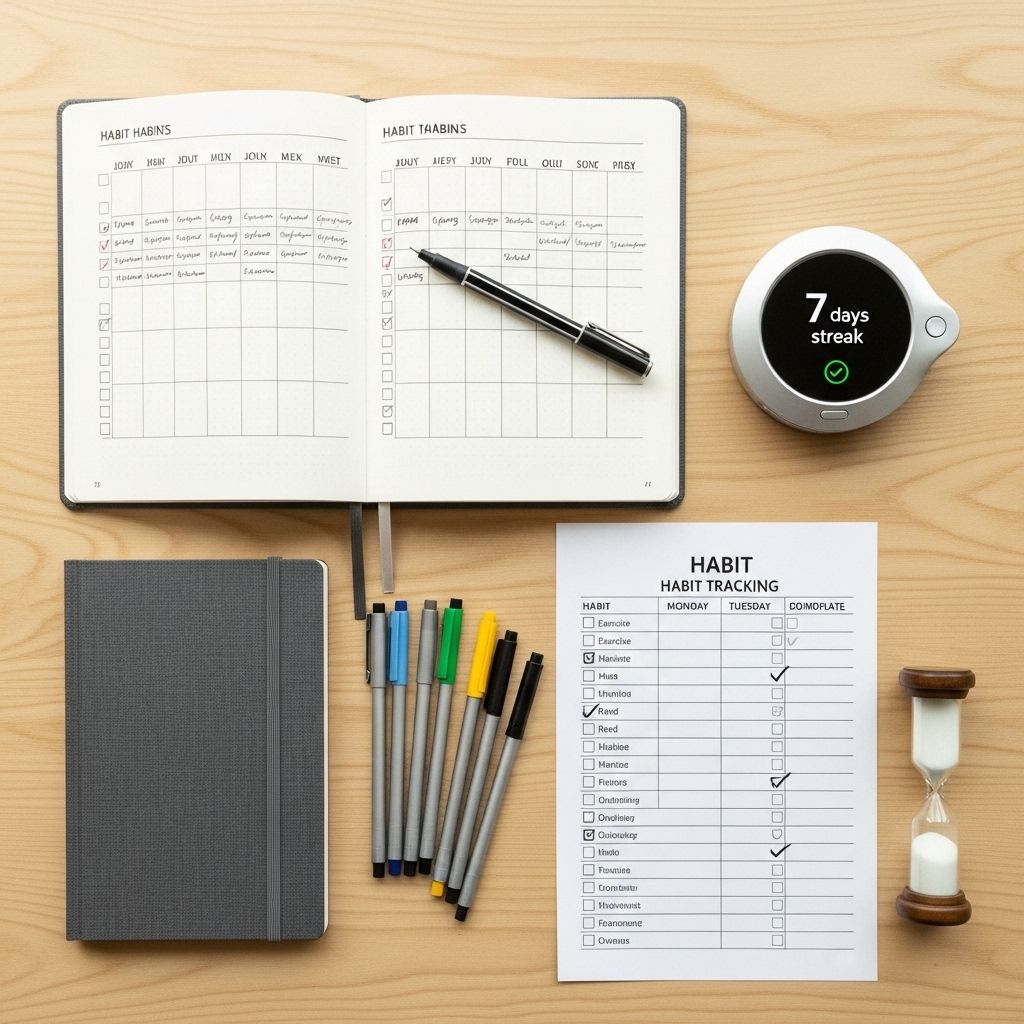
Building and maintaining good habits is essential for personal and professional growth. In a world driven by technology, creating a routine can sometimes feel overwhelming. However, with the right tools, tracking habits can become a seamless part of your daily life. This article delves into five essential tools for habit tracking, leveraging technology to help you stay consistent and motivated.
Establishing and maintaining good habits can be a challenge, but the right tools can significantly enhance your tracking process. In this guide, we will explore five essential tools that can help you effectively monitor your habits and achieve your personal goals. For those interested in elevating their tracking techniques, you can also discover new design patterns that may inspire your approach.
1. Digital Habit Trackers
Digital habit trackers have gained immense popularity due to their convenience and user-friendly interfaces. Here are a few notable options:
- Habitica: A gamified habit tracker that turns your goals into a role-playing game.
- Streaks: An app that allows you to track multiple habits and encourages streak building.
- TickTick: A task manager that incorporates habit tracking features.
Benefits of Digital Habit Trackers
Digital habit trackers offer several advantages:
- Accessibility: Available on mobile and desktop platforms.
- Reminders: Set notifications to keep you on track.
- Analytics: View your progress with visual data.
2. Physical Habit Journals
For those who prefer traditional methods, physical habit journals can be a wonderful alternative. Writing down goals by hand can enhance commitment and memory retention.
Choosing the Right Journal
When selecting a habit journal, consider:
- Layout: Choose a layout that resonates with your tracking style, whether it’s a daily, weekly, or monthly format.
- Durability: Opt for a quality notebook that withstands regular use.
- Customization: Look for journals with blank pages or sections for personalized entries.
Popular Physical Habit Journals
| Journal Name | Key Features | Price |
|---|---|---|
| Leuchtturm1917 | Quality paper, various sizes | $20 |
| The Five Minute Journal | Guided prompts for reflection | $22 |
| Habit Tracker Journal | Customizable habit tracking sections | $15 |
3. Mobile Apps with Habit Tracking Features
Many mobile apps offer integrated habit tracking features that allow you to monitor your progress alongside other daily tasks.
Top Mobile Apps
Here are some of the best mobile apps that include habit tracking:
- Todoist: A comprehensive task manager that also allows for habit tracking.
- Google Keep: Use checklists to track daily habits.
- MyFitnessPal: Especially useful for tracking fitness-related habits.
Integrating Habit Tracking into Existing Apps
To maximize efficiency, consider:
- Syncing Across Devices: Ensure your app works seamlessly on both mobile and desktop.
- Using Labels and Tags: Organize habits and tasks using different labels or tags for easy identification.
4. Wearable Technology
The rise of wearable technology has transformed how we monitor our daily activities and habits. Devices such as smartwatches and fitness bands provide real-time data to help track health-related habits.
Key Wearable Devices
Consider these popular devices for tracking habits:
- Fitbit: Monitors physical activity, sleep patterns, and more.
- Apple Watch: Offers a variety of health and fitness tracking features.
- Garmin: Excellent for outdoor enthusiasts with advanced tracking capabilities.
Benefits of Using Wearables
Wearable technology can enhance habit tracking by providing:
- Real-Time Feedback: Immediate insights into your activities.
- Health Monitoring: Track heart rate, steps, and sleep quality.
5. Community and Social Habit Tracking
Sometimes, the key to maintaining habits lies in accountability. Engaging with a community can provide motivation and support.
Joining Habit Tracking Communities
Consider these platforms:
- Reddit: Subreddits like r/productivity and r/habits
- Facebook Groups: Communities focused on habit building and personal growth.
- Meetup: Find local groups dedicated to accountability and support.
Benefits of Community Support
- Accountability: Regular check-ins can keep you motivated.
- Shared Resources: Discover new tools and techniques from others.
- Emotional Support: Connect with like-minded individuals facing similar challenges.
Conclusion
Tracking habits doesn’t have to be a daunting task. With the essential tools discussed, you can find a system that works best for you, whether it’s digital or physical, personal or community-focused. By consistently monitoring your habits, you pave the way for personal growth and success. Choose the tools that resonate with you, and start your journey toward building better habits today!
FAQ
What are the best tools for habit tracking?
Some of the best tools for habit tracking include mobile apps like Habitica, Streaks, and Todoist, as well as traditional methods like journals and habit tracking worksheets.
How can I effectively use habit tracking tools?
To effectively use habit tracking tools, set clear goals, choose a tool that fits your lifestyle, and regularly review your progress to stay motivated.
Are there any free habit tracking apps available?
Yes, there are several free habit tracking apps available, such as HabitBull, Loop Habit Tracker, and Google Keep, which offer basic features for tracking habits.
Can habit tracking improve my productivity?
Yes, habit tracking can significantly improve productivity by helping you identify patterns, stay accountable, and develop consistent routines.
What features should I look for in a habit tracking tool?
When choosing a habit tracking tool, look for features like customizable reminders, progress tracking, analytics, and user-friendly interfaces to enhance your experience.