In today’s visually-driven world, effective graphic design is crucial for capturing attention and conveying messages. Whether you’re a budding designer or an experienced professional, honing your skills can elevate your work significantly. This article delves into essential graphic design tips that will help you create stunning visuals that resonate with your audience.
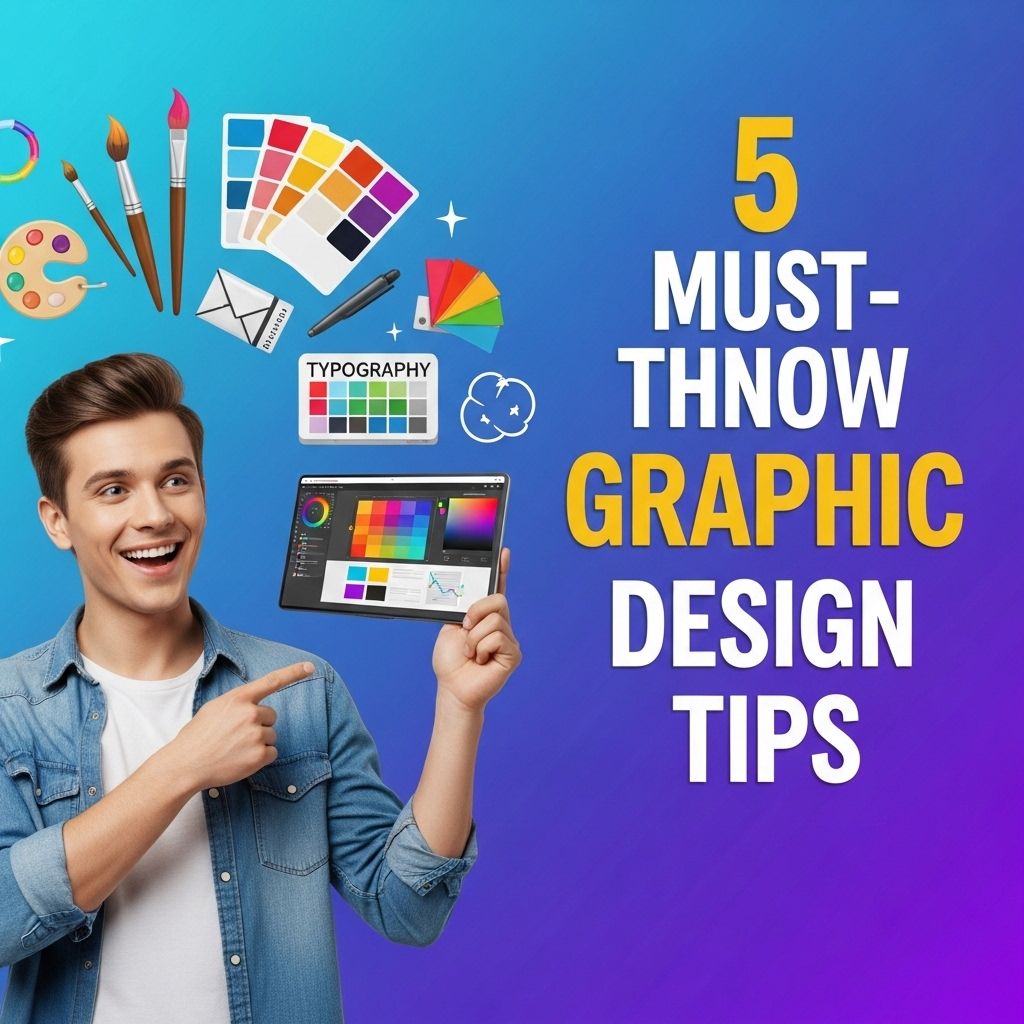
Graphic design can be a daunting field for beginners, but starting with the right techniques can make a significant difference. In this guide, we’ll explore 5 essential graphic design tips that will help you build a solid foundation, enhance your creativity, and improve your skills. For those looking to elevate their designs further, check out these popular Photoshop brush styles.
Understanding the Basics of Graphic Design
Graphic design blends art and technology, requiring a keen understanding of both visual aesthetics and technical tools. At its core, it involves creating visual content to communicate messages. Here are some fundamental principles that every designer should grasp:
- Contrast: Use contrasting colors, shapes, and sizes to highlight important elements.
- Alignment: Properly aligning elements creates a clean, organized layout.
- Repetition: Repeating certain design elements helps reinforce a brand’s identity.
- Proximity: Grouping related items together can enhance readability and comprehension.
The Importance of Color Theory
Color theory is a pivotal component of graphic design. Understanding how colors interact can significantly impact the effectiveness of your designs. Here are a few key concepts:
Color Wheel Basics
The color wheel is an essential tool for any graphic designer. It consists of primary, secondary, and tertiary colors that can be combined in various ways:
| Type | Description |
|---|---|
| Primary Colors | Red, Blue, Yellow – cannot be created by mixing. |
| Secondary Colors | Green, Orange, Purple – created by mixing primary colors. |
| Tertiary Colors | Mix of primary and secondary colors (e.g., Red-Orange). |
Color Psychology
Colors evoke emotions and can influence perception. Here are some common associations:
- Red: Passion, excitement, urgency
- Blue: Trust, calmness, professionalism
- Green: Growth, health, tranquility
- Yellow: Optimism, energy, caution
Typography: The Art of Text
Typography is another crucial element of graphic design. The right typeface can enhance a message and improve readability. Here are some tips to master typography:
Font Selection
Choosing the right font is vital. Consider the following:
- Choose fonts that complement each other for a cohesive look.
- Aim for a maximum of three different fonts in any given design.
- Ensure readability by selecting appropriate sizes and styles.
Hierarchy in Typography
Hierarchy helps guide the viewer’s eye through the content. Use size, weight, and spacing to create a clear hierarchy:
- Headings: Use larger or bolder fonts.
- Subheadings: Slightly smaller than headings but still prominent.
- Body Text: Simple, readable fonts to ensure clarity.
Utilizing White Space Effectively
White space, or negative space, is as important as the design elements themselves. It can create balance and enhance the overall aesthetic. Here are some practical uses:
Creating Breathing Room
Don’t overcrowd your designs. Proper use of white space can:
- Increase legibility
- Draw attention to key elements
- Convey sophistication
Guiding the Viewer’s Eye
Use white space to lead the viewer’s eye to the most important information. This can be done through strategic placement of text and images.
Incorporating Visual Elements
Visual elements such as images, icons, and illustrations can enhance your design. Here’s how to use them effectively:
Selecting High-Quality Images
Always choose high-resolution images that align with your message. Consider:
- Relevance: Ensure images relate to the content.
- Quality: Use images with a minimum resolution of 300 DPI for print.
- Licensing: Respect copyright laws and use royalty-free images when possible.
Icons and Illustrations
Using icons can simplify complex information. Here are some tips:
- Choose icons that are easy to understand.
- Maintain a consistent style throughout.
- Use animations judiciously to add interest.
Final Touches and Review
Before finalizing your design, take time for revisions and feedback. Here are effective strategies:
Seek Feedback
Get opinions from peers or target audience members. Fresh eyes can catch mistakes and provide valuable insights.
Proofreading
Always proofread your text for spelling and grammatical errors. Tools like Grammarly or Hemingway can assist in this process.
Conclusion
Graphic design is both an art and a science, requiring a thoughtful approach to visual communication. With a solid understanding of color theory, typography, white space, and visual elements, you can create designs that not only look good but also communicate effectively. By continuously refining your skills and seeking feedback, you can elevate your graphic design work to new heights. Remember, the key to great design lies in the details!
FAQ
What are the essential principles of graphic design?
The essential principles of graphic design include balance, contrast, alignment, repetition, and proximity, which help create visually appealing and effective designs.
How can I choose the right color palette for my design?
To choose the right color palette, consider the emotions you want to evoke, use color theory principles, and ensure that the colors complement each other for a harmonious look.
What are the best fonts to use in graphic design?
The best fonts for graphic design depend on the project’s theme, but it’s advisable to use easy-to-read typefaces and limit the number of different fonts to maintain consistency.
How can I improve my graphic design skills?
To improve your graphic design skills, practice regularly, study design trends, seek feedback from peers, and explore online tutorials or courses.
What software is commonly used for graphic design?
Common software used for graphic design includes Adobe Creative Suite (Photoshop, Illustrator, InDesign), Canva, and CorelDRAW, among others.
How important is typography in graphic design?
Typography is crucial in graphic design as it affects readability, brand perception, and the overall aesthetic of the design, making it essential to choose fonts wisely.