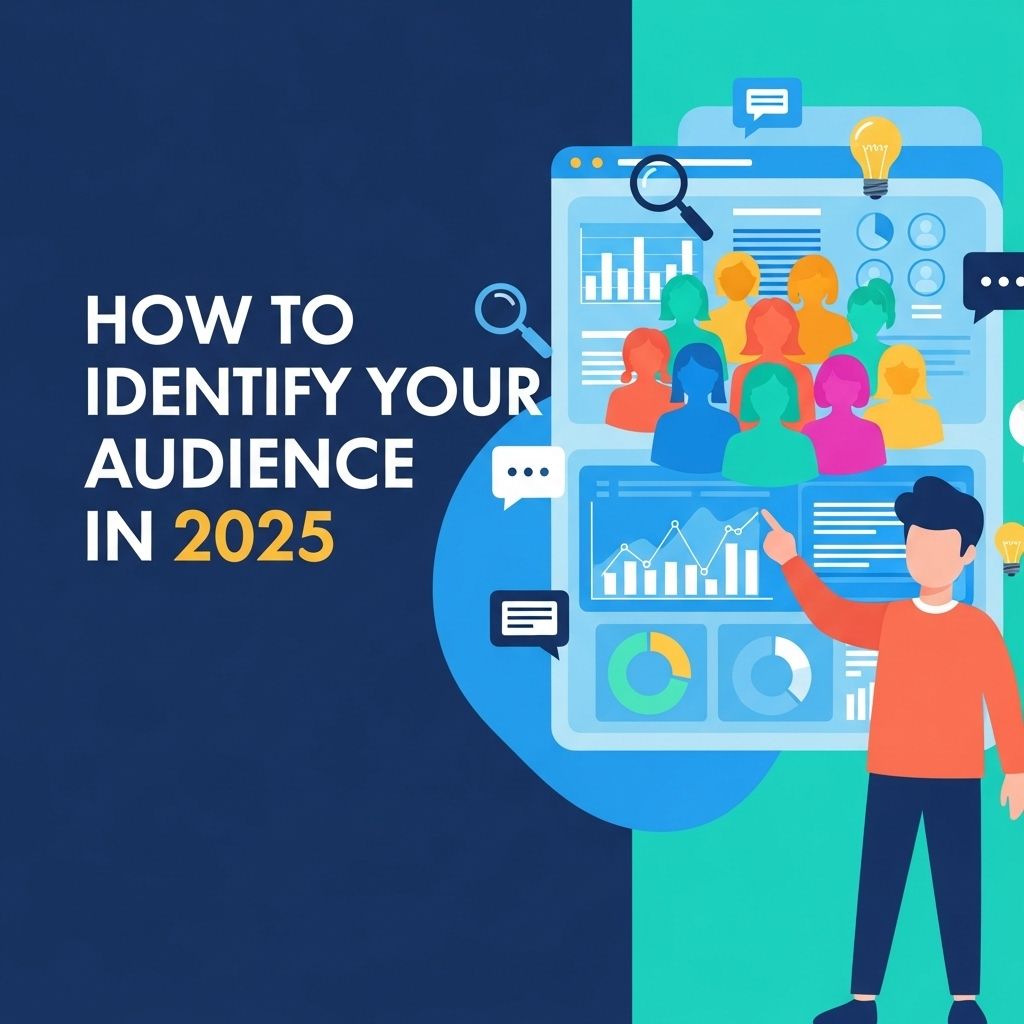
As we move deeper into the 21st century, the dynamics of audience identification continue to evolve. By 2025, technology will have advanced significantly, offering new tools and methodologies to help brands and marketers pinpoint their target audiences. This article delves into the strategies and technologies you can adopt to identify your audience effectively in 2025.
Identifying your audience is more crucial than ever as we move into 2025, where digital landscapes evolve rapidly. Understanding who engages with your content helps tailor your messaging effectively. For insights and inspiration, consider exploring different patterns in design that resonate with your target demographic; view patterns for creative projects.
The Importance of Knowing Your Audience
Understanding your audience is the cornerstone of any successful marketing strategy. It informs your messaging, product development, and overall business strategy. Here are some reasons why knowing your audience is crucial:
- Targeted Marketing: Tailoring your messages to specific audience segments increases engagement.
- Customer Satisfaction: Understanding needs leads to better products and services, enhancing customer loyalty.
- Resource Allocation: Knowing your audience helps in directing resources towards effective channels.
Trends in Audience Identification
1. Data-Driven Insights
In 2025, data analytics will be more sophisticated, allowing for deeper insights into consumer behavior. Advanced algorithms will analyze data from various sources:
- Social Media: Monitoring sentiments and trends in real-time.
- Online Behavior: Tracking user interactions across platforms to understand preferences.
- Purchase History: Analyzing past purchases to predict future buying behavior.
2. Artificial Intelligence and Machine Learning
AI and machine learning will play a pivotal role in identifying audience segments. These technologies can process vast amounts of data and recognize patterns that would be impossible for humans to identify.
| Technology | Description |
|---|---|
| Predictive Analytics | Uses historical data to predict future behavior. |
| Sentiment Analysis | Analyzes customer feedback to gauge feelings towards a brand. |
| Recommendation Engines | Suggests products based on user preferences and past behaviors. |
Techniques for Identifying Your Audience
1. Surveys and Questionnaires
Direct feedback from potential customers can be invaluable. Crafting detailed surveys allows you to gather qualitative data about your audience’s preferences and pain points.
2. Social Listening
Engaging in social listening involves monitoring social media platforms to understand what audiences are saying about your brand and industry. Tools like Brandwatch and Hootsuite can be instrumental.
3. Audience Segmentation
Effective segmentation allows marketers to divide a broad target audience into subsets with common needs. Key segmentation criteria include:
- Demographics: Age, gender, income, education.
- Geographics: Location and cultural background.
- Psychographics: Lifestyle, values, interests.
- Behavioral: Purchase habits and loyalty.
Leveraging Technology
Using CRM Systems
Customer Relationship Management (CRM) systems like Salesforce or HubSpot can help track interactions with potential customers, allowing for more personalized outreach.
Utilizing Big Data Analytics
Big data analytics can analyze vast datasets to reveal trends and insights that inform marketing strategies. Businesses can harness this data for:
- Market Trends: Identifying emerging trends in consumer behavior.
- Competitor Analysis: Understanding how competitors engage with their audiences.
- Customer Lifetime Value: Estimating the potential revenue generated from a customer over time.
Ethical Considerations
As technology advances, so do the ethical concerns surrounding audience identification. Marketers must navigate privacy regulations and ensure that customer data is collected and used responsibly:
- Transparency: Be clear with customers about data usage.
- Consent: Obtain explicit permission to collect data.
- Security: Protect customer data from breaches.
Future Outlook
The future of audience identification is bright, with opportunities for innovation and deeper customer connections. As technologies evolve, marketers will have unprecedented tools at their disposal to understand and engage their audiences.
Conclusion
Identifying your audience in 2025 will be a multifaceted approach, leveraging data analytics, AI, and ethical considerations. By employing these strategies and tools, brands can ensure they remain relevant and effectively meet the needs of their customers in an ever-changing landscape.
FAQ
How can I identify my target audience in 2025?
To identify your target audience in 2025, leverage advanced analytics tools, social media insights, and conduct market research to gather data on demographics, interests, and behaviors.
What tools are effective for audience analysis in 2025?
Effective tools for audience analysis in 2025 include AI-driven analytics platforms, social media monitoring tools, and customer relationship management (CRM) systems that provide insights into customer preferences.
Why is understanding your audience important for marketing success?
Understanding your audience is crucial for marketing success because it allows you to tailor your messaging, improve engagement, and increase conversion rates by addressing the specific needs and preferences of your target market.
How do trends influence audience identification in 2025?
Trends influence audience identification by shaping consumer behavior and preferences. Staying updated with market trends helps businesses adapt their strategies to meet the evolving expectations of their audience.
What role does social media play in identifying your audience?
Social media plays a significant role in identifying your audience by providing real-time data on user interactions, engagement patterns, and feedback, allowing brands to refine their target profiles.
How can I segment my audience effectively in 2025?
To segment your audience effectively in 2025, use data analytics to categorize customers based on demographics, purchasing behavior, and engagement levels, enabling personalized marketing strategies.