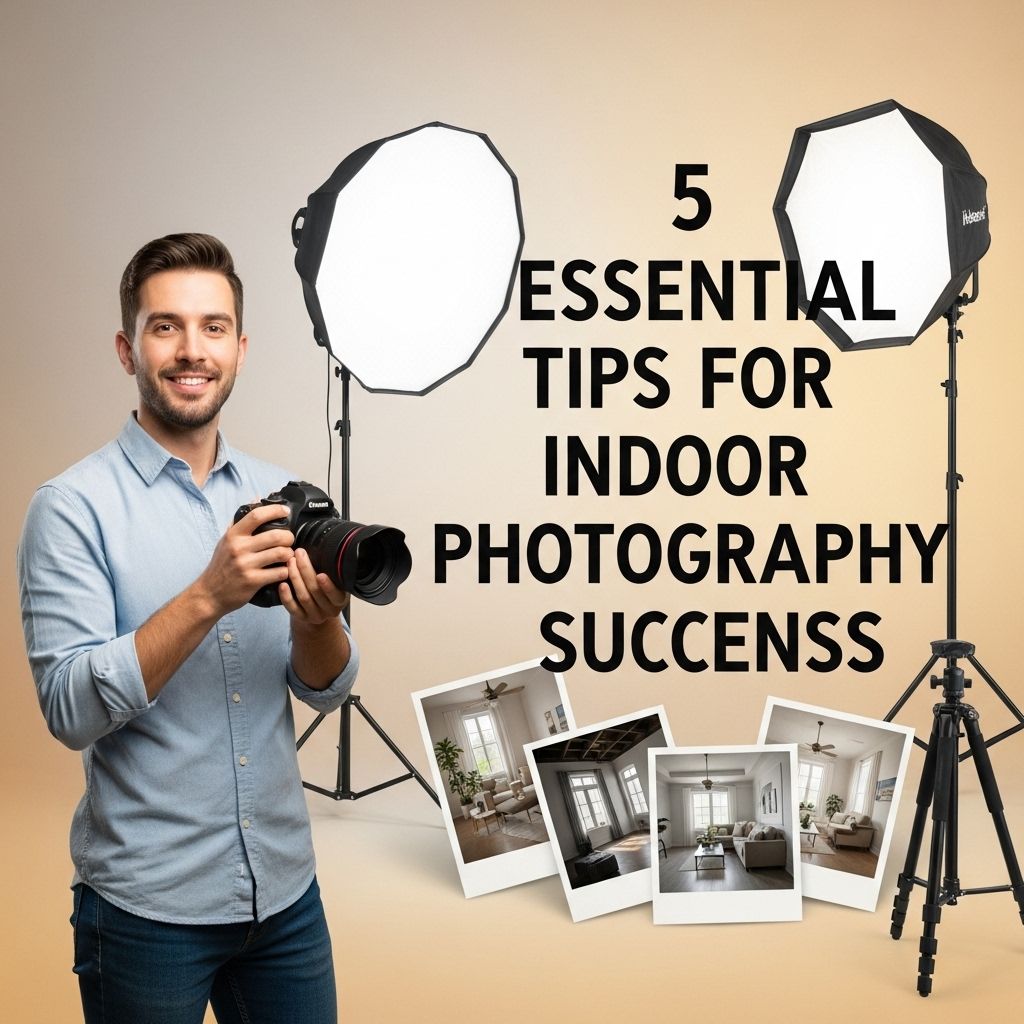
Indoor photography can be both a rewarding and challenging endeavor. Whether you’re capturing family moments, artistic still life, or product shots, mastering the art of indoor photography requires a keen understanding of lighting, composition, and equipment. In this article, we will explore five essential tips to elevate your indoor photography skills, ensuring that your images stand out, even in the most challenging conditions.
Indoor photography can be a rewarding yet challenging endeavor, especially when it comes to capturing stunning images in low-light environments. By applying a few essential tips, you can elevate your indoor shots to a professional level. For more insights on enhancing your photography with style, discover new design patterns.
Understanding Lighting
Lighting is perhaps the most crucial aspect of photography, especially indoors where natural light can be limited. Here are some strategies to help you make the most of your lighting:
1. Utilize Natural Light
Whenever possible, take advantage of natural light. Here are a few tips:
- Time of Day: Shoot during the golden hour—shortly after sunrise or before sunset—to capture softer, more flattering light.
- Window Placement: Position your subject near a window to take advantage of diffused light.
- Reflectors: Use reflectors to bounce light and fill in shadows.
2. Artificial Lighting Techniques
When natural light isn’t an option, mastering artificial lighting is essential. Consider the following:
- Softboxes and Umbrellas: These help diffuse light and create a soft, even illumination.
- LED Panels: Adjustable LED panels are versatile and can be manipulated to achieve desired effects.
- Color Temperature: Pay attention to the color temperature of your lights to maintain consistency in your shots.
Composition Techniques
Once you have the lighting down, composition becomes key to creating visually compelling images. Here are some tips to enhance the composition:
3. Rule of Thirds
The rule of thirds is a fundamental principle that can dramatically improve your composition. Divide your frame into a 3×3 grid and position your subject along the lines or intersections for a balanced image.
4. Leading Lines
Incorporate leading lines to draw the viewer’s eye toward the subject. Consider these elements:
- Furniture: Use tables or chairs to create leading lines to your subject.
- Walls and Floors: Patterns can guide the viewer’s gaze and add depth to your photos.
Equipment Considerations
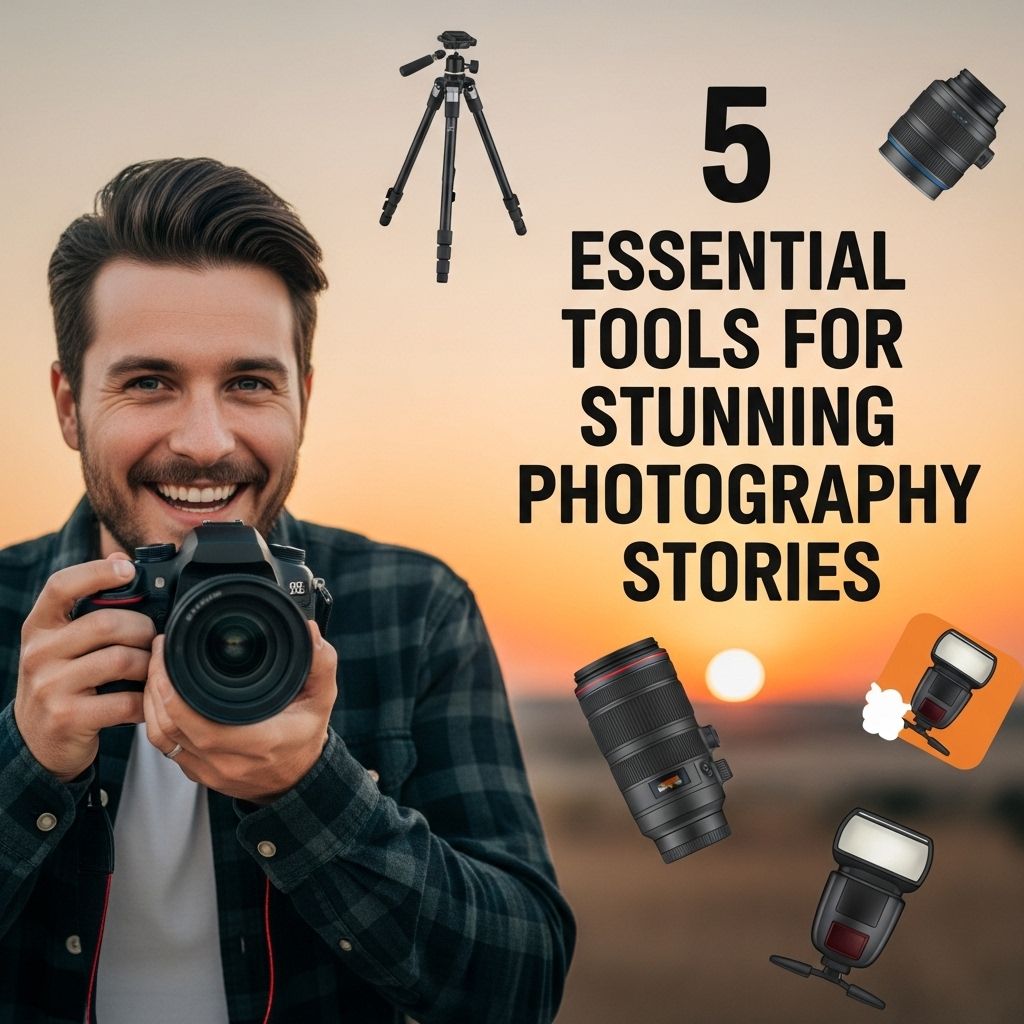
Your choice of equipment can significantly impact the quality of your indoor photography. Here are some essential tools to consider:
5. Camera Settings
Understanding your camera settings is pivotal:
- ISO: Increase the ISO to capture more light, but be cautious of introducing noise.
- Aperture: Use a wide aperture (low f-number) for better low-light performance and a shallow depth of field.
- Shutter Speed: Ensure your shutter speed is fast enough to prevent motion blur.
6. Lenses
Choosing the right lens can enhance your indoor photography:
| Lens Type | Ideal Use |
|---|---|
| Wide-Angle | Great for capturing small spaces or large groups. |
| Prime Lens | Offers a wide aperture for low-light situations and sharp images. |
| Macro Lens | Perfect for detailed shots of small subjects. |
Post-Processing Tips
Editing your images can also make a significant difference. Here are some post-processing tips specifically for indoor photography:
7. Use Editing Software
Investing time in software like Adobe Lightroom or Photoshop can elevate your photos. Consider the following adjustments:
- Exposure: Adjust exposure to ensure your images are neither too bright nor too dark.
- White Balance: Correct the color temperature to maintain a natural look.
- Contrast: Enhance contrast to give your images depth and dimension.
8. Cropping and Framing
Don’t hesitate to crop your images to remove distractions and focus on the subject. Experiment with different framing options to see what works best.
Conclusion
Indoor photography can be a fulfilling artistic pursuit when approached with the right techniques and tools. By mastering lighting, composition, equipment settings, and post-processing, you’ll be well on your way to capturing stunning indoor images. Remember, practice makes perfect, and each shooting session is an opportunity to refine your skills. Get creative, experiment with different styles, and most importantly, enjoy the process of capturing beautiful moments indoors.
FAQ
What are the best lighting techniques for indoor photography?
Utilize natural light as much as possible, and consider using softboxes or reflectors to enhance indoor lighting. Experiment with different light sources to create depth and mood.
How can I improve my indoor photography composition?
Focus on the rule of thirds, leading lines, and framing techniques. Experiment with different angles and perspectives to find the most compelling composition.
What camera settings should I use for indoor photography?
Use a higher ISO setting to capture more light, a larger aperture (lower f-stop number) to create a shallow depth of field, and adjust your shutter speed according to the available light conditions.
How can I reduce noise in indoor photographs?
To minimize noise, use the lowest ISO possible while maintaining a fast enough shutter speed. Post-processing software can also help in reducing noise in your images.
What props can enhance my indoor photography sessions?
Incorporate interesting props such as furniture, plants, or textured fabrics to add depth and interest to your indoor shots. Use items that complement your subject and the overall theme.
How do I choose the right lens for indoor photography?
A lens with a wide aperture (like f/1.8 or f/2.8) is ideal for indoor photography, as it allows more light to enter and helps achieve a blurred background effect. Consider using a zoom lens for versatility.