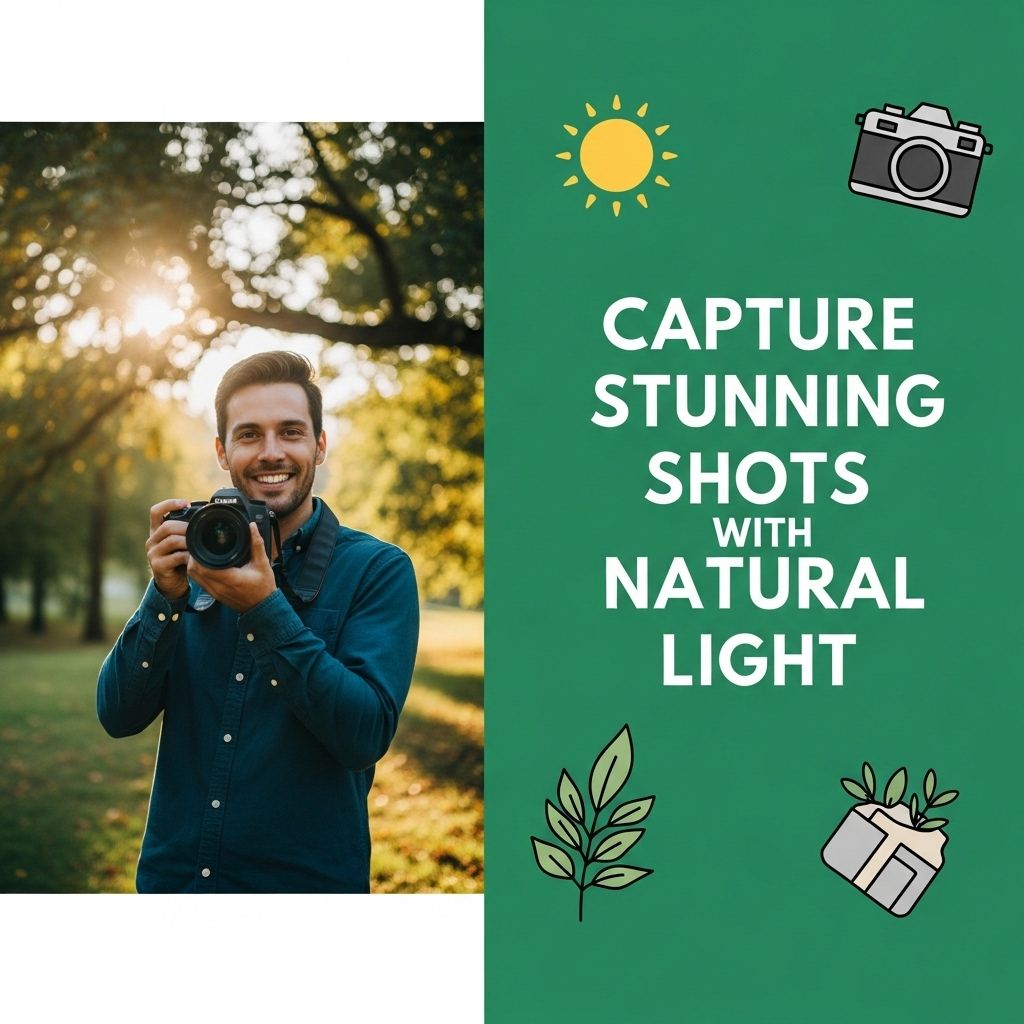
Mastering composition in photography is akin to a musician learning scales; it forms the foundation of great art. With the ever-evolving technology in cameras and editing software, the principles of composition remain timeless, serving as critical guidelines for both new and seasoned photographers. In this guide, we will delve into essential composition techniques, provide practical tips, and explore how to apply these techniques in diverse photographic scenarios.
Mastering composition in photography is crucial for creating compelling images that capture the viewer’s attention. By understanding key elements such as balance, symmetry, and the rule of thirds, photographers can enhance their storytelling through visuals. For those looking to incorporate unique designs, view patterns for creative projects can be a valuable resource.
Understanding the Basics of Composition
Composition refers to the arrangement of visual elements within the frame. A well-composed photograph draws the viewer’s eye and evokes emotional responses. Here’s a breakdown of basic principles:
- Rule of Thirds: Divide your frame into a 3×3 grid. Position key elements along these lines or at their intersections.
- Leading Lines: Use natural lines in the scene to draw the viewer’s attention to the subject.
- Framing: Use elements in your environment to create a frame around your subject.
- Balance: Distribute visual weight evenly; a well-balanced photograph feels stable and harmonious.
Advanced Composition Techniques
Once you’ve mastered the basics, it’s time to explore advanced techniques that can elevate your photography.
Negative Space
Negative space refers to the empty areas around your subject. Using negative space effectively can create minimalistic compositions that highlight your subject.
Symmetry and Patterns
Symmetry can be striking. Identifying and capturing symmetrical elements can create powerful images. Patterns, whether natural or man-made, add visual interest.
Depth and Layers
Creating depth in a photograph adds dimensionality. Layer elements in the foreground, middle ground, and background to lead the viewer’s eye through the image.
Applying Composition Techniques
Composition is not just about aesthetic appeal; it also enhances storytelling in photography. Here are ways to apply composition techniques in various scenarios:
Landscape Photography
In landscape photography, composition can transform a mundane scene into a breathtaking image. Consider the following:
- Use the Horizon Line: Place the horizon line either one-third or two-thirds up or down the frame.
- Incorporate Foreground Interest: Include a foreground element to add depth.
Portrait Photography
In portrait photography, composition can convey emotion and character. Key points include:
- Eye Level: Shoot at the subject’s eye level for a more engaging perspective.
- Utilize Backgrounds: Choose backgrounds that enhance the subject rather than distract from it.
Street Photography
Street photography thrives on spontaneity; however, composition can help organize the chaos. Keep these tips in mind:
- Capture Moments: Look for decisive moments and compose around them.
- Be Mindful of Distractions: Identify and minimize distracting elements in the frame.
Composition in Different Genres
Understanding how composition varies across genres can enhance your versatility as a photographer. Here’s a brief overview:
| Genre | Key Composition Techniques |
|---|---|
| Landscape | Leading lines, rule of thirds, foreground interest |
| Portrait | Framing, depth of field, expression |
| Street | Layering, timing, environmental context |
| Macro | Focus on details, shallow depth of field |
Post-Processing Techniques to Enhance Composition
Post-processing can significantly impact the overall composition of your photographs. Here are key techniques:
Cropping
Crop your photos to improve framing or eliminate distractions. Use cropping thoughtfully to maintain the image’s integrity.
Adjusting Perspective
Use software to correct perspective distortions, especially in architectural photography, for a more polished look.
Color Correction and Grading
Color can influence how elements are perceived within a composition. Adjust hues to enhance mood and focus.
Evaluating Your Work
To master composition, regularly evaluate your work. Ask yourself:
- Does the composition lead the viewer’s eye?
- Are the elements balanced?
- Does the composition effectively tell a story?
Seeking Feedback
Sharing your work with peers can provide valuable insights. Join photography groups or forums to receive constructive criticism.
Conclusion
Mastering composition in photography is a continuous journey that blends technical skills with artistic vision. By understanding and applying various techniques, you can create compelling images that resonate with viewers. Embrace experimentation, and let your unique perspective shine through your compositions.
FAQ
What are the basic rules of composition in photography?
The basic rules of composition in photography include the Rule of Thirds, leading lines, framing, symmetry, and the use of negative space.
How can I improve my composition skills in photography?
To improve your composition skills, practice taking photos with different angles, study the works of renowned photographers, and analyze your own images critically.
What is the Rule of Thirds in photography composition?
The Rule of Thirds is a guideline that suggests dividing your image into nine equal parts using two horizontal and two vertical lines, placing key elements along these lines or at their intersections for balance.
How does lighting affect composition in photography?
Lighting significantly impacts composition by influencing shadows, highlights, and colors, which can enhance the mood and depth of your photographs.
What is the importance of framing in photography composition?
Framing helps to direct the viewer’s attention to the subject, create a sense of depth, and add context to the image, enhancing the overall composition.
Can I break the rules of composition in photography?
Yes, while compositional rules serve as guidelines, breaking them can lead to unique and creative photographs that express your individual style.