
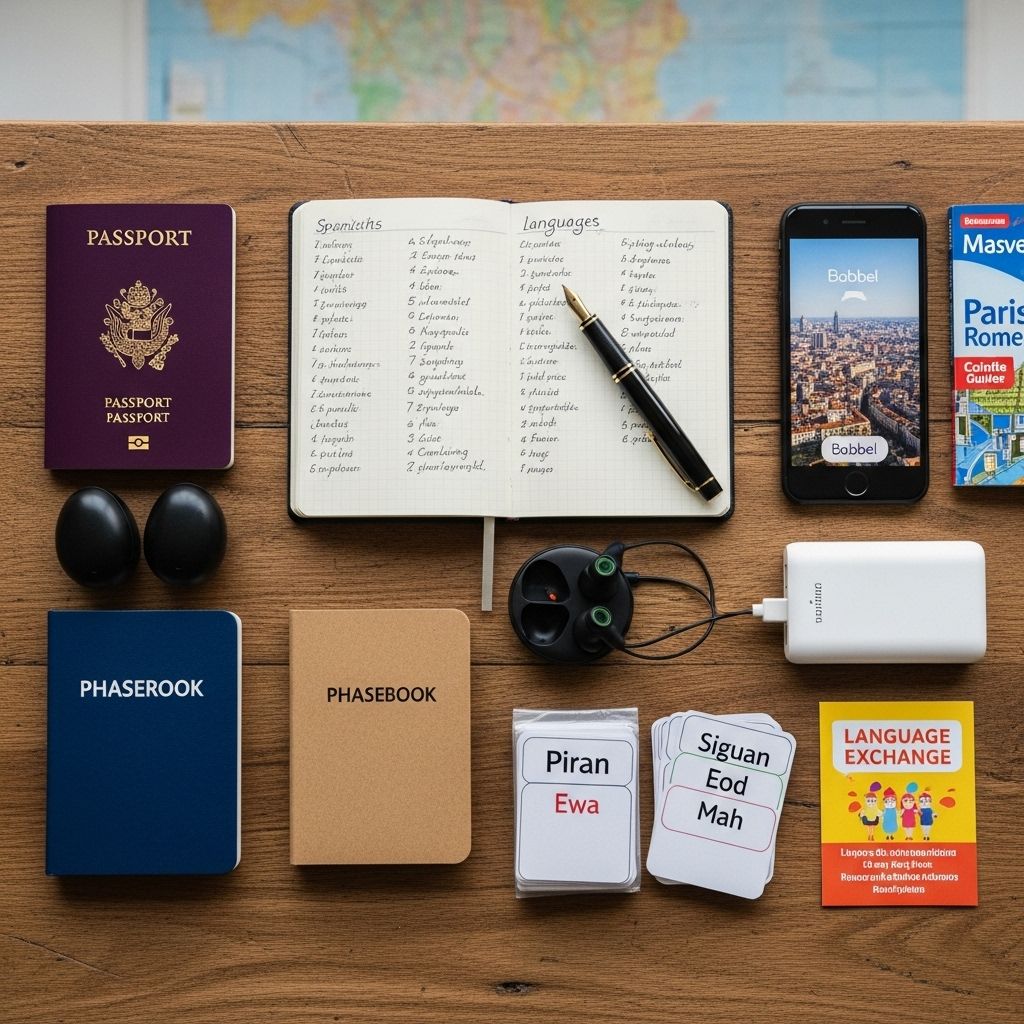
In an increasingly globalized world, mastering a new language can open the doors to countless opportunities, ranging from career advancements to rich personal experiences. Whether you are planning to move abroad, travel extensively, or simply want to enhance your linguistic skills, utilizing the right tools can make all the difference. This article explores ten essential tools that can help you master languages while immersing yourself in a foreign culture.
Mastering a new language while living abroad can be an enriching experience, and having the right tools at your disposal is essential for success. In this guide, we’ll explore ten essential resources that can help you deepen your language skills and navigate cultural nuances, enhancing your journey. Additionally, discover best practices for Instagram to connect with local communities and engage with native speakers.
1. Language Learning Apps
Mobile applications have revolutionized the way we learn languages. Here are some popular options:
- Duolingo: Offers bite-sized lessons and gamifies the learning experience.
- Babbel: Focuses on conversation skills and practical vocabulary.
- Rosetta Stone: Immerses users in the language without translation.
Benefits of Language Learning Apps
These apps provide flexibility and convenience. You can practice on the go and track your progress over time. Additionally, they often incorporate speech recognition technology, aiding in pronunciation.
2. Online Language Exchange Platforms
Connecting with native speakers is invaluable. Here are some platforms to consider:
- Tandem: Connects you with language partners worldwide for real-time chat and video calls.
- italki: Offers opportunities for one-on-one lessons with native speakers.
- ConversationExchange: Facilitates language exchanges in-person or online.
How to Make the Most of Language Exchanges
To maximize your language exchange experiences:
- Set clear goals for each session.
- Prepare topics to discuss beforehand.
- Be patient and open to corrections.
3. Language Immersion Programs
Immersion is one of the most effective ways to master a language. These programs offer comprehensive experiences:
- Study Abroad: Attend courses in a foreign country.
- Language Schools: Enroll in programs that can be intensive or relaxed.
- Homestays: Live with a local family to practice daily conversation.
Choosing the Right Program
Factors to consider include:
| Factor | Description |
|---|---|
| Location | Choose a country where the language is spoken natively. |
| Duration | Assess how long you can commit to the program. |
| Cost | Evaluate your budget, including tuition, housing, and travel. |
4. Language Podcasts and Audiobooks
Audio content is excellent for improving listening skills:
- Radio Lingua: Language podcasts covering various topics.
- Audible: Offers language audiobooks for immersive storytelling.
- BBC Languages: Language learning resources and podcasts from BBC.
Integrating Podcasts into Your Routine
Make listening a daily habit:
- Set aside time each day, like during commutes.
- Take notes on new vocabulary.
- Practice speaking along with the audio.
5. Social Media and YouTube
Social media platforms can serve as informal learning tools:
- Instagram: Follow language learning accounts for daily tips.
- YouTube: Channels like Easy Languages provide real-world speaking examples.
- TikTok: Short videos can condense useful phrases and cultural contexts.
Effective Social Media Strategies
Engage actively by:
- Commenting on posts in the target language.
- Creating content to practice your skills.
- Joining groups or forums focused on language learning.
6. Flashcards and Spaced Repetition Software (SRS)
Flashcards can enhance vocabulary retention:
- Anki: Customizable flashcards with SRS for effective memorization.
- Quizlet: Offers pre-made flashcard sets and interactive games.
- Memrise: Combines flashcards with SRS and engaging techniques.
Best Practices for Using Flashcards
To optimize your use of flashcards:
- Include images or sounds to enhance memory recall.
- Review daily, focusing on difficult words.
- Mix old and new cards to maintain overall fluency.
7. Language Learning Websites
Websites offer structured lessons and resources:
- FluentU: Utilizes real-world videos for immersive learning.
- BBC Languages: A variety of learning materials and exercises.
- Lingoda: Online classes with professional teachers.
Leveraging Online Resources
Make the best use of websites by:
- Setting specific learning objectives.
- Participating in forums and discussion groups.
- Using quizzes to measure progress.
8. Language Meetups and Clubs
Joining local or international communities can boost your confidence:
- Meetup: Find local groups focused on language exchange.
- Conversation Clubs: Attend regular meetings to practice speaking.
- Cultural Events: Participate in events that celebrate the target language’s culture.
Engaging with Your Community
Get involved by:
- Being consistent with attendance.
- Building relationships with native speakers.
- Sharing experiences and tips with fellow learners.
9. Reading Books and Articles
Reading enhances vocabulary and comprehension:
- Children’s Books: Start with simpler texts to build confidence.
- News Websites: Read articles in the target language to stay updated.
- Literature: Explore classic novels once you’re comfortable.
Strategies for Effective Reading
To improve reading comprehension:
- Read aloud to practice pronunciation.
- Highlight new words and phrases.
- Summarize chapters in your own words.
10. Travel and Cultural Experiences
Nothing beats real-life practice:
- Traveling: Engage with locals in markets, restaurants, and public transport.
- Cultural Activities: Attend classes for cooking, music, or art in the target language.
- Volunteer Work: Support local organizations while practicing the language.
Making the Most of Your Travels
To ensure a productive travel experience:
- Learn basic phrases before you go.
- Make an effort to speak with locals even if you make mistakes.
- Document your experiences in a travel journal using the target language.
In conclusion, mastering a new language requires dedication, practice, and the right tools. Utilizing a combination of technology, immersive experiences, and social interactions can accelerate your learning journey. By incorporating the tools mentioned above, you can enrich your language learning experience and gain a deeper understanding of the culture associated with the language. Remember, the journey of language learning is just as important as the destination.
FAQ
What are the best tools for learning languages abroad?
Some of the best tools for mastering languages abroad include language learning apps like Duolingo and Babbel, immersive language exchange platforms like Tandem, online tutoring services like iTalki, and local language schools.
How can I practice speaking a foreign language while traveling?
You can practice speaking a foreign language while traveling by engaging in language exchange meetups, joining conversation clubs, using language learning apps to find conversation partners, and staying with local hosts through platforms like Airbnb.
Are there any mobile apps that can help me learn a new language abroad?
Yes, several mobile apps such as Memrise, Busuu, and Drops offer interactive language learning experiences that are perfect for mastering a new language while abroad.
What role do language immersion programs play in language learning?
Language immersion programs provide a structured environment where learners can engage with native speakers and practice the language in real-life situations, greatly enhancing fluency and comprehension.
Can language learning podcasts help me while studying abroad?
Absolutely! Language learning podcasts can be a great tool to improve listening skills and vocabulary. They are convenient for on-the-go learning and can provide cultural insights related to the language.
How important is it to learn the local culture while mastering a language?
Understanding the local culture is crucial when mastering a language as it enhances communication, helps avoid misunderstandings, and provides context to the language being learned.


