Storyboarding is an essential technique in various fields such as filmmaking, game design, and marketing. As we approach 2025, mastering this skill is more crucial than ever in a world dominated by visual storytelling. With advancements in technology and shifts in audience preferences, understanding how to create compelling storyboards can set apart a creative professional from the rest. This article explores the fundamentals of storyboarding, the latest trends, and actionable tips to help you excel in this art form.
Mastering storyboarding techniques in 2025 is essential for visual storytellers looking to streamline their creative processes. By utilizing advanced tools and software, artists can efficiently sketch and visualize their narratives, enhancing clarity and impact. For instance, enhancing images with brushes allows for greater detail and depth in storyboard presentations.
The Importance of Storyboarding
Storyboarding is the process of visualizing a narrative through a sequence of illustrations or images displayed in sequence for the purpose of pre-visualizing a motion picture, animation, motion graphic, or interactive media sequence. Here’s why it matters:
- Visual Clarity: Helps clarify ideas before production begins.
- Efficiency: Saves time and resources by outlining the project.
- Collaboration: Facilitates better communication among team members.
- Audience Engagement: Ensures the story resonates with the target audience.
Understanding Storyboarding Basics
What is a Storyboard?
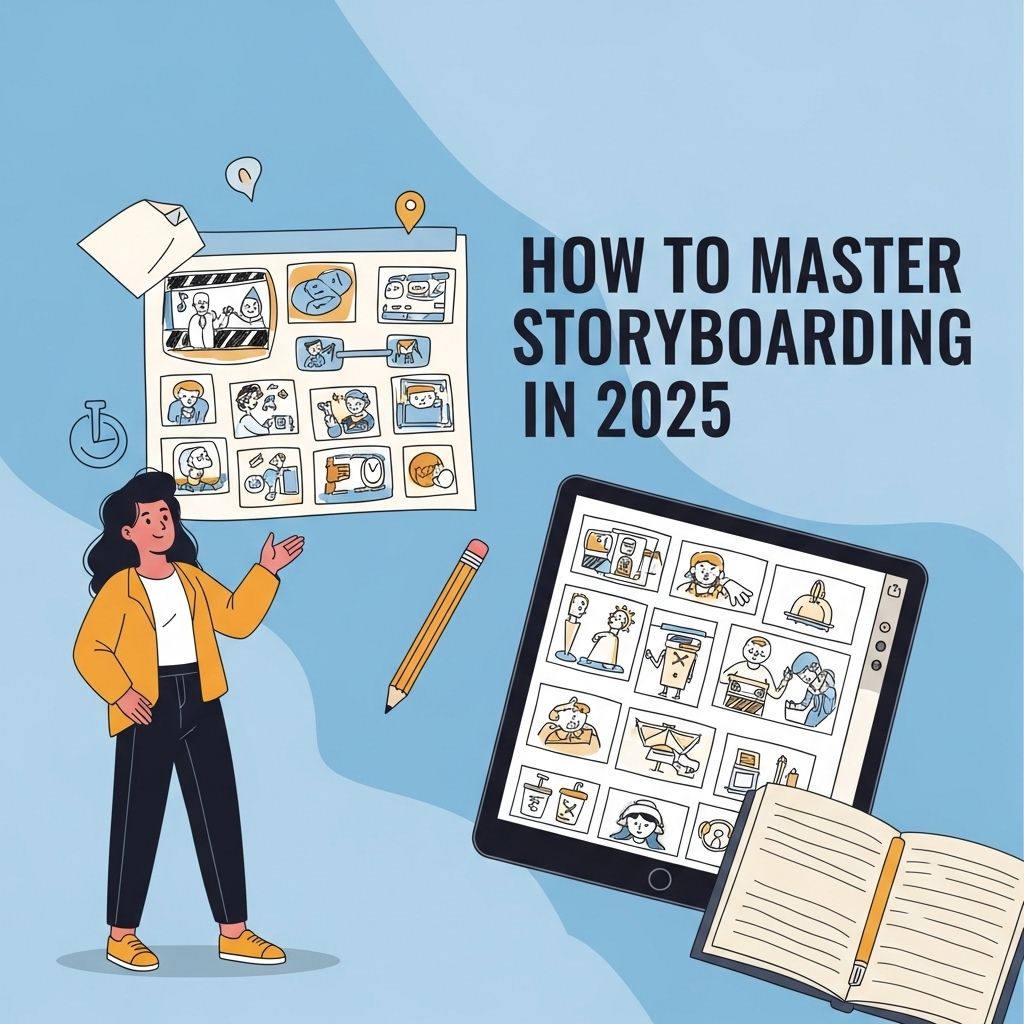
A storyboard is a series of panels that outline key scenes or moments in a production. Each panel contains illustrations or images and notes about the action, dialogue, and other elements. Traditional hand-drawn storyboards have now expanded to digital formats, offering more flexibility and tools.
Key Components of a Storyboard
| Component | Description |
|---|---|
| Frames | Individual panels that depict a scene. |
| Action Notes | Descriptions of what happens in each scene. |
| Dialogue | Text of what characters say. |
| Timing | Duration of each shot or sequence. |
| Transitions | Indications of how one scene moves to another. |
Tools for Modern Storyboarding
In 2025, several tools and software options have emerged to enhance the storyboarding process. Here are some of the most popular:
- Storyboard Pro: A comprehensive tool that offers drawing, animation, and publishing features.
- Adobe Photoshop: Great for detailed illustrations and presentations.
- Toon Boom Storyboard: An industry standard for animation studios.
- Canva: A user-friendly option for creating quick and visually appealing storyboards.
Trends in Storyboarding for 2025
1. Increased Use of AI
Artificial intelligence is transforming storyboarding by offering automated solutions for sketching and scene suggestions. Tools like StoryboardAI analyze scripts and generate preliminary storyboards, allowing creators to focus on refining their visions.
2. Integration with Virtual Reality (VR)
Storyboarding is increasingly adapting to virtual reality experiences. This involves creating immersive storyboards that allow for interactive narratives, enhancing how stories are visualized and experienced.
3. Collaborative Platforms
As remote work remains prevalent, collaboration tools are on the rise. Platforms such as Miro and Figma provide spaces for teams to create and edit storyboards in real-time, ensuring everyone is on the same page.
Steps to Create an Effective Storyboard
Step 1: Define Your Story
Before you start drawing, outline your story. Consider the following:
- What is the main theme or message?
- Who are the key characters?
- What are the critical scenes that drive the narrative?
Step 2: Choose Your Format
Select a storyboard format that suits your project. This could be a digital template or traditional paper panels. Consider factors such as:
- Type of project (film, animation, marketing)
- Team preferences
- Level of detail required
Step 3: Sketch Your Ideas
Start sketching each frame. You don’t need to be an artist; simple stick figures can convey the necessary actions. Focus on:
- Character positioning
- Background elements
- Key actions and emotions
Step 4: Add Details
Once the basic sketches are complete, add details:
- Incorporate dialogue and action notes.
- Indicate camera angles and movements.
- Specify timing for each scene.
Step 5: Review and Revise
Share your storyboard with your team for feedback. Revise based on input to enhance clarity and effectiveness.
Best Practices for Storyboarding
- Keep it simple: Focus on clarity rather than artistry.
- Maintain consistency: Use the same style throughout the storyboard.
- Be flexible: Adapt your storyboard as the project evolves.
- Utilize color coding: Differentiate scenes or actions using color.
Conclusion
Mastering storyboarding in 2025 requires a blend of creativity, technical skills, and an understanding of modern tools and trends. By grasping the fundamentals and staying updated on advancements in technology, you can elevate your storytelling capabilities. Whether you are in film, animation, or any other narrative-driven field, a well-crafted storyboard is a vital component of successful visual communication.
FAQ
What is storyboarding and why is it important?
Storyboarding is a visual representation of a narrative, helping creators plan the sequence of events in films, animations, and other media. It is important because it allows for a clear understanding of the story flow and helps in visualizing scenes before production.
What are the key elements of effective storyboarding?
Effective storyboarding includes clear visuals, concise descriptions, character placements, and notes on camera angles and transitions. Each frame should convey essential information to guide production.
How can I improve my storyboarding skills in 2025?
To improve your storyboarding skills in 2025, practice regularly, study successful storyboards, use digital tools for efficiency, and seek feedback from peers or professionals to refine your technique.
What tools are available for digital storyboarding?
Popular tools for digital storyboarding include Storyboard Pro, Toon Boom, Adobe Photoshop, and even free options like Celtx and Storyboard Fountain. These tools offer various features to streamline the process.
Are there any online courses to learn storyboarding?
Yes, many online platforms like Udemy, Coursera, and Skillshare offer courses on storyboarding, catering to different skill levels and focusing on both traditional and digital techniques.
How can I incorporate feedback into my storyboarding process?
Incorporating feedback into your storyboarding process involves sharing your drafts with peers or mentors, being open to constructive criticism, and making revisions based on the insights you receive to enhance your storyboard.