As we step into 2025, the art of storytelling through photography has evolved significantly, becoming a vital skill for photographers and creatives alike. With advancements in technology and shifts in audience engagement, understanding how to convey emotions, messages, and narratives through visual media is essential. This article explores the techniques and insights needed to master the art of storytelling in photography, providing you with the tools to create compelling visual narratives.
Mastering storytelling through photography in 2025 requires a keen understanding of narrative elements combined with advanced techniques. As visual media continues to evolve, embracing advanced image editing techniques will empower photographers to enhance their storytelling capabilities, creating deeper connections with their audience.
The Essence of Visual Storytelling
At its core, visual storytelling is about creating a narrative that resonates with viewers. Every photograph has the potential to tell a story, but the challenge lies in how effectively one can communicate that story. Here are some key elements to consider:
- Emotion: The best stories evoke feelings. Consider the mood you want to convey.
- Context: Provide background information or elements that enhance understanding.
- Character: Introduce subjects that your audience can connect with.
- Conflict: Every good story has a conflict or challenge that needs addressing.
- Resolution: Conclude your narrative in a way that provides closure or insight.
Choosing the Right Equipment
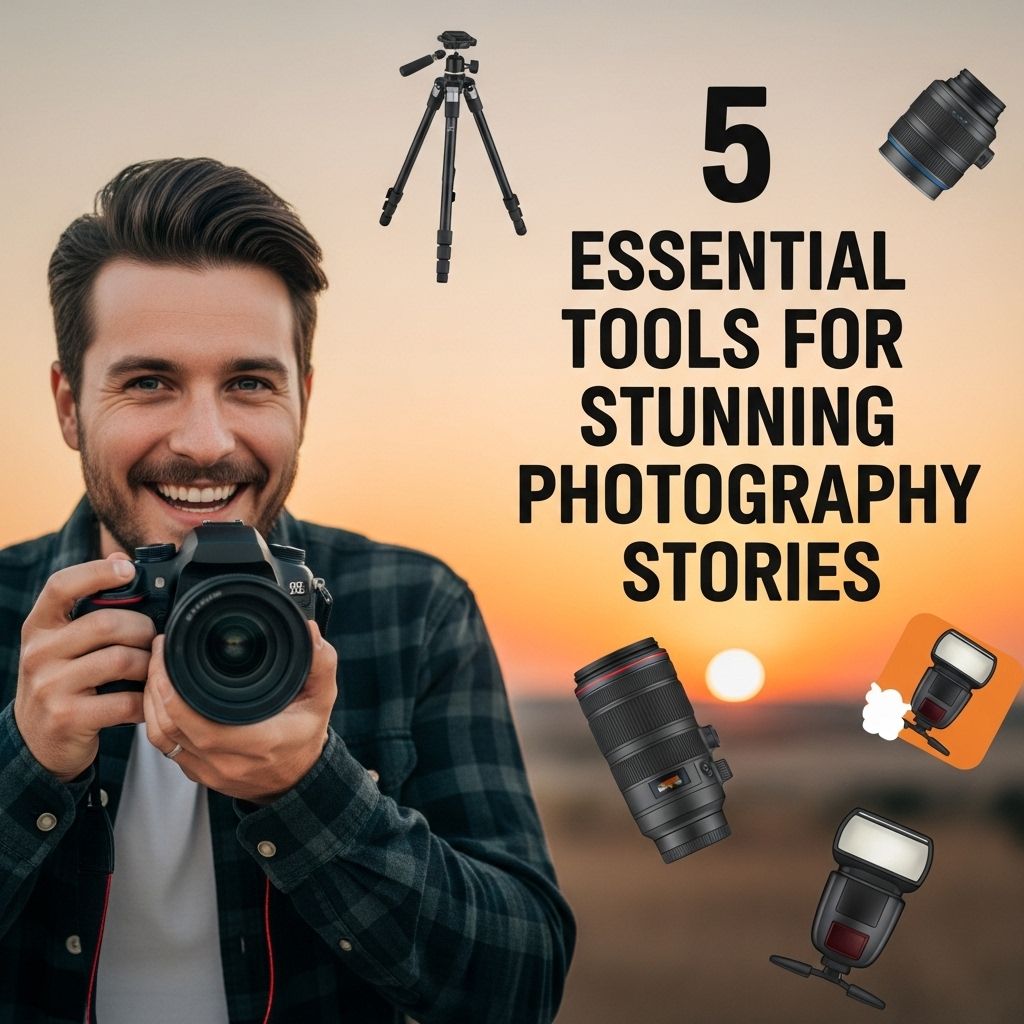
In 2025, technology has made it easier than ever to capture high-quality images that tell a story. While equipment is not the sole determinant of storytelling success, having the right tools can enhance your ability to capture and convey your narrative. Here’s a breakdown of essential gear:
Cameras
High-resolution cameras, including DSLRs and mirrorless models, remain popular choices. Additionally, smartphones have advanced capabilities that allow for storytelling on the go.
Lenses
Choosing the right lens can dramatically change your images:
| Lens Type | Use Case |
|---|---|
| Wide-Angle | Great for landscapes and large group shots. |
| Prime Lenses | Perfect for portraits, allowing for shallow depth of field. |
| Telephoto | Ideal for capturing distant subjects without distortion. |
Accessories
Consider investing in:
- Tripods for stability.
- External flashes for improved lighting.
- Editing software to enhance your storytelling in post-production.
Techniques for Effective Storytelling
Composition
Composition refers to how elements are arranged within a frame. Strong composition can guide the viewer’s eye and enhance the narrative. Key techniques include:
- Rule of Thirds: Divide your frame into thirds to create balanced and interesting compositions.
- Leading Lines: Use lines within your scene to lead viewers to the main subject.
- Framing: Use natural elements to frame your subject and add depth to the story.
Lighting
Lighting plays a crucial role in setting the mood and enhancing the story:
- Golden Hour: The soft light during sunrise and sunset creates a warm, inviting mood.
- Natural Light: Experiment with available light to add texture and drama.
- Artificial Light: Use flashes or LEDs to create specific effects and highlight key elements.
Capturing Authentic Moments
Authenticity is vital in storytelling. Strive to capture candid moments that reflect genuine emotions and interactions. Here are tips to achieve this:
- Be patient and observe your subject’s natural behavior.
- Use a longer lens to maintain distance while capturing intimate moments.
Post-Processing Tips
Post-processing is where your images can truly come to life. Here are techniques to enhance your storytelling:
Editing Software
Familiarize yourself with powerful editing tools such as Adobe Lightroom or Photoshop. These tools allow you to:
- Adjust exposure and contrast.
- Enhance colors and saturation.
- Crop images to improve composition.
Color Grading
Color grading helps set the tone of your story. For instance:
- Warm tones evoke comfort and nostalgia.
- Cool tones can create a sense of calm or sadness.
Building a Narrative Series
One powerful method of storytelling is through a series of images. This approach allows for deeper exploration of a theme or subject. When creating a narrative series:
- Select a Theme: Identify a central idea that you want to explore.
- Plan the Shots: Create a shot list to ensure all aspects of the theme are covered.
- Edit Cohesively: Maintain a consistent visual style across all images.
Sharing Your Story
Once your storytelling photography is complete, sharing it effectively is crucial. Here are platforms to consider:
- Social Media: Use platforms like Instagram and Pinterest to reach a broader audience.
- Photography Blogs: Share your series with detailed captions explaining your narrative.
- Exhibitions: Consider showcasing your work in local galleries or online exhibitions.
Conclusion
Mastering storytelling through photography in 2025 requires a blend of technical skills, creativity, and emotional intelligence. By understanding the elements that contribute to effective visual narratives, utilizing the right equipment, and honing your techniques, you can create compelling stories that resonate with your audience. Embrace the journey of visual storytelling, and let each photograph be a chapter in your evolving narrative.
FAQ
What is storytelling through photography?
Storytelling through photography involves using images to convey a narrative or express emotions, allowing viewers to connect with the subject matter on a deeper level.
How can I improve my storytelling skills in photography?
You can improve your storytelling skills by focusing on composition, understanding lighting, capturing emotions, and learning to convey a narrative arc through your series of images.
What are some tips for capturing compelling stories in photos?
To capture compelling stories, consider using strong focal points, incorporating context, experimenting with angles, and being patient to wait for the perfect moment.
Is it important to have a theme when telling a story through photography?
Yes, having a theme helps to unify your photographs and provides a clear message or narrative, making it easier for viewers to understand the story you are trying to tell.
What equipment do I need for storytelling photography?
While great storytelling can be achieved with any camera, having a DSLR or mirrorless camera with versatile lenses can enhance your ability to capture diverse scenes and details effectively.
How will photography storytelling evolve in 2025?
In 2025, photography storytelling may evolve with advancements in technology such as AI-enhanced editing tools, immersive experiences through virtual reality, and the integration of multimedia elements to enrich narratives.