
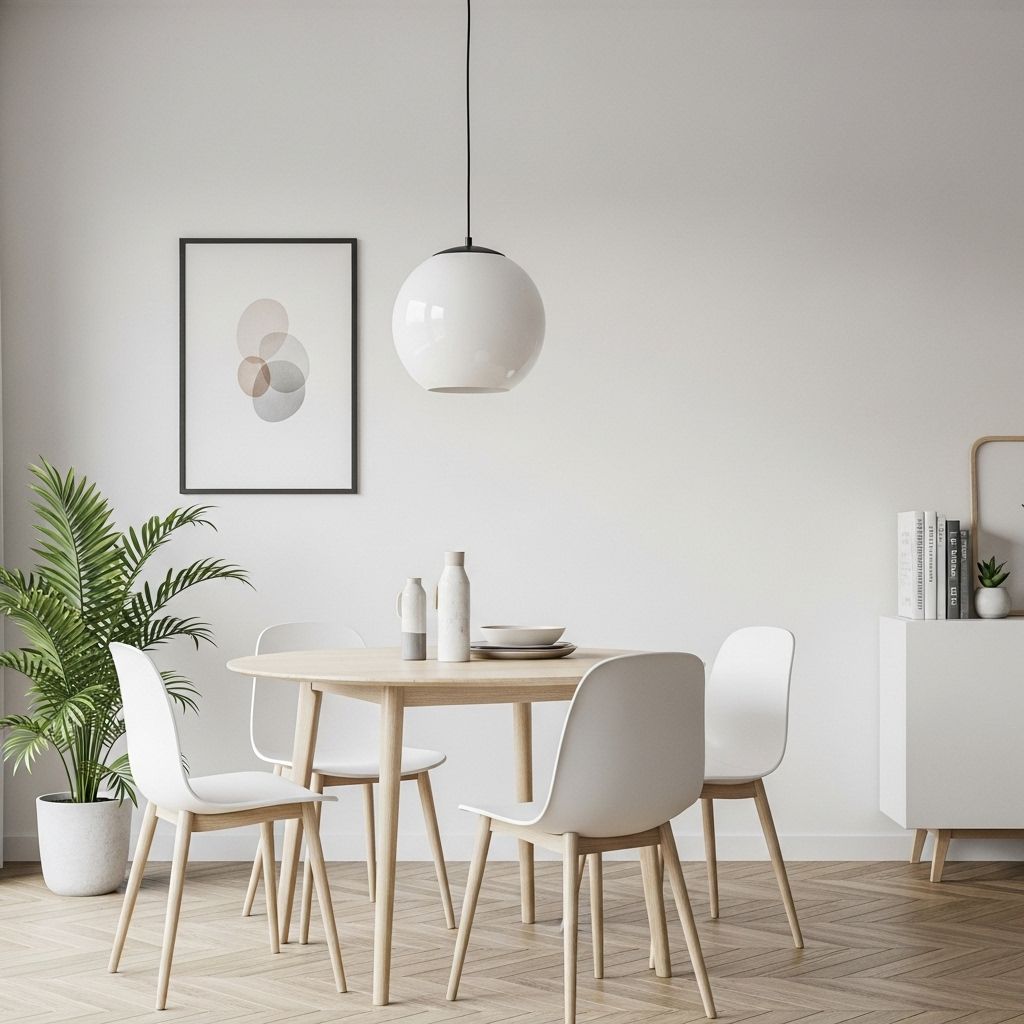
Minimalism has become a popular lifestyle choice in recent years, transcending mere aesthetic to embody a philosophy of living that prioritizes functionality, simplicity, and sustainability. As our lives become increasingly cluttered with technology and information, many are seeking refuge in minimalist interior design—a style that focuses on the essentials while exuding elegance and calm. This article delves into ten innovative minimalist interior design ideas that can transform any space into a serene retreat.
Minimalist interior design emphasizes simplicity, functionality, and an understated elegance that can transform any space. In this article, we explore 10 stunning minimalist design ideas that not only enhance the aesthetic appeal of your home but also promote a serene environment. For instance, incorporating well-designed kitchen elements can elevate your coffee routine, as seen in various realistic mug presentation options that align perfectly with a minimalist theme.
1. Embrace Open Spaces
One of the foundational principles of minimalist design is the creation of open, airy environments. This approach not only enhances the aesthetic appeal but also promotes a sense of freedom and tranquility. To achieve this:
- Opt for open floor plans that minimize barriers between sections of the home.
- Use glass doors or panels to create visual continuity.
- Avoid heavy drapery; instead, choose sheer curtains that allow natural light to flow through.
2. Choose a Neutral Color Palette
Minimalist design favors neutral colors, which can create a soothing atmosphere while allowing the architecture and furnishings to stand out. Key color choices include:
| Color | Hex Code | Effect |
|---|---|---|
| White | #FFFFFF | Creates an illusion of space and cleanliness |
| Beige | #F5F5DC | Adds warmth without overwhelming |
| Grey | #808080 | Provides a modern, sophisticated touch |
3. Select Functional Furniture
In a minimalist setting, every piece of furniture should serve a purpose. Investing in multi-functional furniture can maximize utility without compromising style:
- Storage Ottomans: Provide additional seating and hidden storage.
- Convertible Sofas: Ideal for small spaces, they can easily convert into a bed.
- Wall-Mounted Desks: Save floor space while creating a modern workspace.
4. Limit Decorations
Less is more in minimalist design. Embrace the philosophy by curating your decorative items:
- Select a few statement pieces, such as a large piece of art or a unique sculpture.
- Incorporate natural elements like plants, which add life without clutter.
- Use decorative bowls or trays to organize smaller items neatly.
5. Focus on Natural Light
Natural light is one of the most powerful tools in minimalist design. It not only enhances the aesthetic but also improves mood and well-being. Consider these tips:
- Utilize large windows to flood the space with sunlight.
- Incorporate skylights for additional natural light in darker areas.
- Keep window treatments minimal to maximize light entry.
6. Use Natural Materials
Minimalist interiors often feature materials that are both functional and beautiful. Integrating natural materials can create a warm and inviting atmosphere:
- Wood: Offers warmth and texture, ideal for flooring and furniture.
- Stone: Use for countertops or accent walls for a touch of luxury.
- Linen and Cotton: Perfect for soft furnishings that add comfort without visual clutter.
7. Create a Focal Point
Every minimalist space benefits from a focal point that draws the eye. This can be achieved through:
- A bold piece of artwork or photography.
- A striking light fixture that doubles as a sculptural element.
- A beautifully designed fireplace that serves as a gathering place.
8. Incorporate Built-in Storage
Maximizing storage while minimizing visible clutter is essential in minimalist design. Built-in storage solutions can help achieve this:
- Custom shelving units can blend seamlessly with the architecture.
- Built-in benches or seating with hidden storage are practical in entryways.
- Consider wall niches for books or decor that keep surfaces clear.
9. Limit Technology Clutter
In a tech-savvy world, minimizing technology clutter is crucial. Ensure that technology complements rather than overwhelms your space:
- Hide wires and cables behind walls or in cable management systems.
- Utilize smart home devices that integrate seamlessly with your design.
- Choose tech that matches your design aesthetic, such as sleek smart TVs or minimalist speakers.
10. Prioritize Quality Over Quantity
In minimalist design, it’s essential to prioritize quality materials and craftsmanship. Invest in fewer, high-quality pieces that will last a lifetime rather than numerous lower-quality items. This approach not only enhances the beauty of your space but also promotes sustainability.
Conclusion
Minimalist interior design is about creating a harmonious balance between form and function. By embracing open spaces, neutral palettes, and high-quality materials, you can design a space that reflects your values, enhances your well-being, and stands the test of time. Whether you’re starting from scratch or looking to refresh your current space, these ten minimalist interior design ideas can guide you toward a serene and sophisticated home.
FAQ
What are the key principles of minimalist interior design?
The key principles of minimalist interior design include simplicity, functionality, and a focus on essential elements. This style often utilizes a neutral color palette, open spaces, and minimal decor to create a calming environment.
How can I incorporate minimalist design into a small space?
Incorporating minimalist design into a small space can be achieved by using multifunctional furniture, keeping decor to a minimum, and using light colors to create an illusion of openness. Additionally, decluttering is essential for achieving a minimalist aesthetic.
What colors are best for minimalist interior design?
Neutral colors such as white, beige, gray, and soft pastels are ideal for minimalist interior design. These hues create a serene atmosphere and allow for the introduction of texture and form without overwhelming the space.
Can I add personal touches to a minimalist design?
Yes, you can add personal touches to a minimalist design by selecting a few meaningful decor items or artworks that resonate with you. The key is to keep these accents simple and limited to avoid clutter.
What types of furniture work best in a minimalist interior?
Furniture that is sleek, functional, and has clean lines works best in a minimalist interior. Look for pieces made from natural materials with a simple design to maintain the overall aesthetic.
How do I maintain a minimalist interior design?
To maintain a minimalist interior design, regularly declutter and assess your belongings, keeping only what you truly need and love. Additionally, stick to a cohesive color scheme and avoid adding excessive decor.


