In the digital age, businesses must navigate a complex landscape to effectively reach and engage their audience. Optimizing your content marketing funnel is critical to driving conversions and achieving business goals. From attracting initial interest to nurturing leads and ultimately converting them into loyal customers, each stage of the funnel presents unique challenges and opportunities. This article delves into strategic approaches to enhance your content marketing funnel, ensuring maximum impact and efficiency.
Mastering your content marketing funnel is essential for driving engagement and conversion in today’s digital landscape. By understanding each stage of the funnel, you can tailor your strategies to meet the needs of your audience, ultimately maximizing your impact. For those looking to enhance their tactics, exploring content creation techniques can provide valuable insights.
Understanding the Content Marketing Funnel
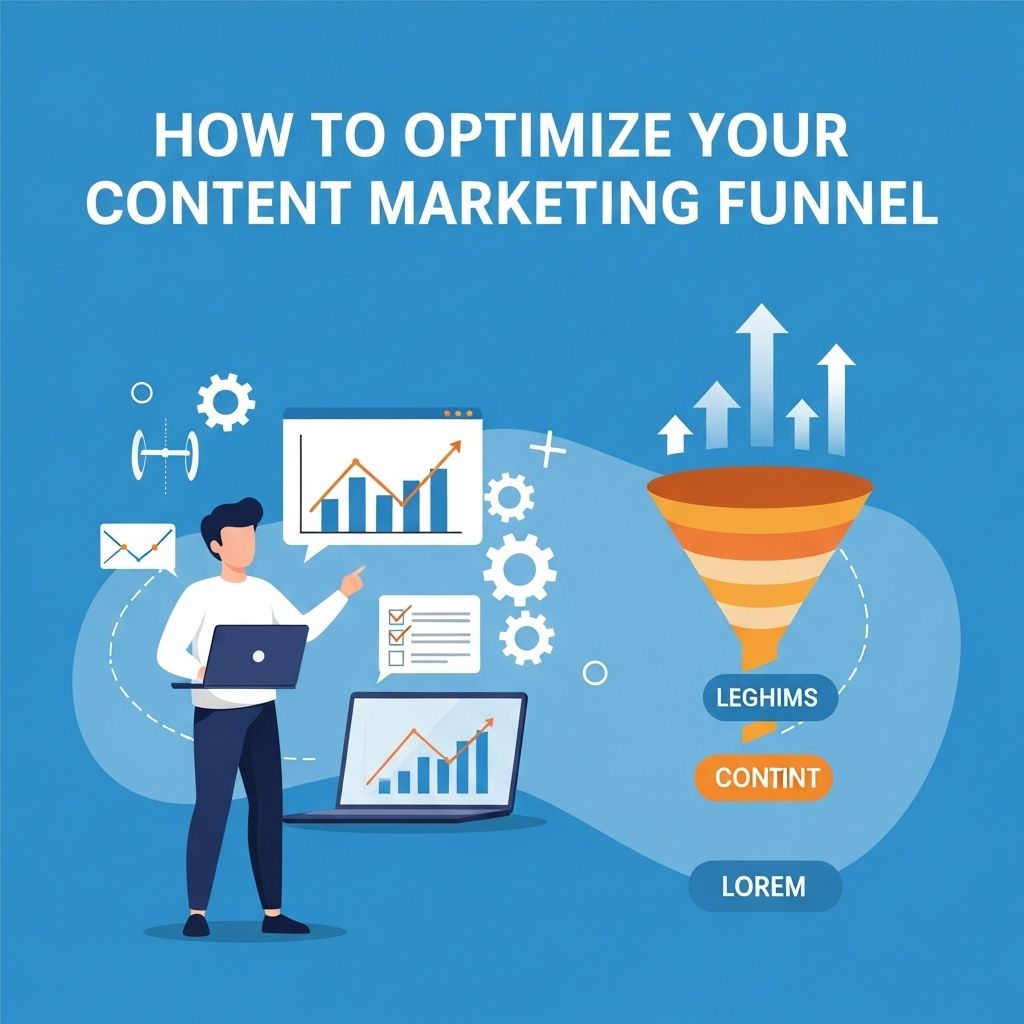
The content marketing funnel is a model that illustrates the journey a potential customer takes from the moment they become aware of your brand to the point where they make a purchase decision. This journey can be broken down into several stages:
- Awareness: This is the stage where potential customers first discover your brand through various content types such as blog posts, social media, or videos.
- Consideration: Here, the audience evaluates your offerings against competitors. Content like case studies, webinars, and comparison guides are effective at this stage.
- Decision: At this point, prospects are ready to make a purchase decision. Content such as product demos, trials, and testimonials can help seal the deal.
- Retention: Post-purchase, the goal is to keep customers engaged and satisfied to encourage repeat business and referrals.
Strategies to Optimize Each Stage
1. Awareness Stage Optimization
To capture attention, your content must be both informative and engaging. Consider the following tactics:
- Utilize SEO Best Practices: Conduct keyword research to ensure your content aligns with what your target audience is searching for.
- Create Shareable Content: Infographics, videos, and listicles tend to be shared more frequently, increasing your brand’s visibility.
- Leverage Social Media Platforms: Tailor your content to fit the specific audience of each social platform. Use hashtags and engage with followers to broaden your reach.
2. Consideration Stage Optimization
At this stage, prospects are comparing their options. Your goal is to build trust and provide valuable insights:
- Develop In-Depth Guides: Offer comprehensive resources that help prospects understand the benefits of your product or service.
- Showcase Customer Testimonials: Real-life experiences can help alleviate concerns and encourage prospects to consider your offering.
- Host Webinars: Live interactions provide a platform for answering questions and demonstrating expertise.
3. Decision Stage Optimization
At this final decision-making stage, your content should eliminate remaining doubts:
| Content Type | Purpose | Best Practices |
|---|---|---|
| Product Demos | Showcase product features and benefits | Keep it concise, highlight key features |
| Free Trials | Allow prospects to experience the product | Provide instructional support during trial |
| Comparison Guides | Show how your product stacks up against competitors | Be honest and clear about differences |
4. Retention Stage Optimization
After a customer has made a purchase, the focus shifts to retention:
- Provide Excellent Customer Service: Ensure customers feel valued through responsive support.
- Send Follow-Up Content: Share additional resources and tips for product use to keep customers engaged.
- Implement Loyalty Programs: Encourage repeat purchases through exclusive offers or rewards for returning customers.
Measuring Your Funnel’s Effectiveness
To ensure your optimization efforts are successful, it is crucial to measure performance across various metrics:
Key Performance Indicators (KPIs)
- Traffic Sources: Understand where your audience is coming from to adjust your strategy.
- Conversion Rates: Track the percentage of users who complete the desired action, whether it be signing up for a newsletter or making a purchase.
- Bounce Rates: Monitor how many visitors leave your site after viewing only one page, indicating potential issues with content relevance.
- Customer Lifetime Value (CLV): Measure the total revenue your business can expect from a single customer account.
Content Promotion Techniques
Creating high-quality content is only half the battle; promoting it effectively is equally important. Here are some techniques to consider:
1. Email Marketing
Use targeted email campaigns to promote new content, offerings, or events. Segment your audience based on behavior and preferences for better engagement.
2. Influencer Partnerships
Collaborate with influencers in your industry to expand your reach. Their endorsement can lend credibility to your brand.
3. Paid Advertising
Invest in pay-per-click (PPC) campaigns on platforms like Google Ads or social media to drive traffic to specific content pieces.
Future Trends in Content Marketing
The landscape of content marketing is continually evolving. Here are some trends to keep an eye on:
- Personalized Content: Creating tailored experiences for users based on their behavior and interests will become increasingly important.
- Video Content Dominance: Video remains a preferred medium for content consumption, making it essential to invest in high-quality visual storytelling.
- Voice Search Optimization: As voice-activated devices grow in popularity, optimizing content for voice search will be critical.
In conclusion, optimizing your content marketing funnel requires a strategic approach that spans awareness, consideration, decision, and retention stages. By employing effective optimization techniques, measuring your success through key performance indicators, and staying current with industry trends, you can significantly improve your marketing efforts and drive better results for your business.
FAQ
What is a content marketing funnel?
A content marketing funnel is a structured approach that guides potential customers through different stages of the buying process, from awareness to consideration and finally to decision-making.
How can I optimize my content marketing funnel?
You can optimize your content marketing funnel by creating targeted content for each stage, analyzing user behavior, utilizing SEO best practices, and ensuring a seamless user experience.
What types of content should I use at each stage of the funnel?
At the awareness stage, use blog posts and infographics; at the consideration stage, use case studies and webinars; and at the decision stage, use testimonials and product demos.
Why is SEO important for content marketing funnels?
SEO is crucial because it helps your content rank higher in search engines, making it easier for potential customers to find your content at every stage of the funnel.
How often should I review my content marketing funnel?
You should review your content marketing funnel regularly, ideally quarterly, to assess performance and make necessary adjustments based on analytics and changing customer behaviors.
What tools can help me optimize my content marketing funnel?
Tools like Google Analytics, SEMrush, Ahrefs, and HubSpot can provide valuable insights into performance and help you optimize your content marketing funnel effectively.