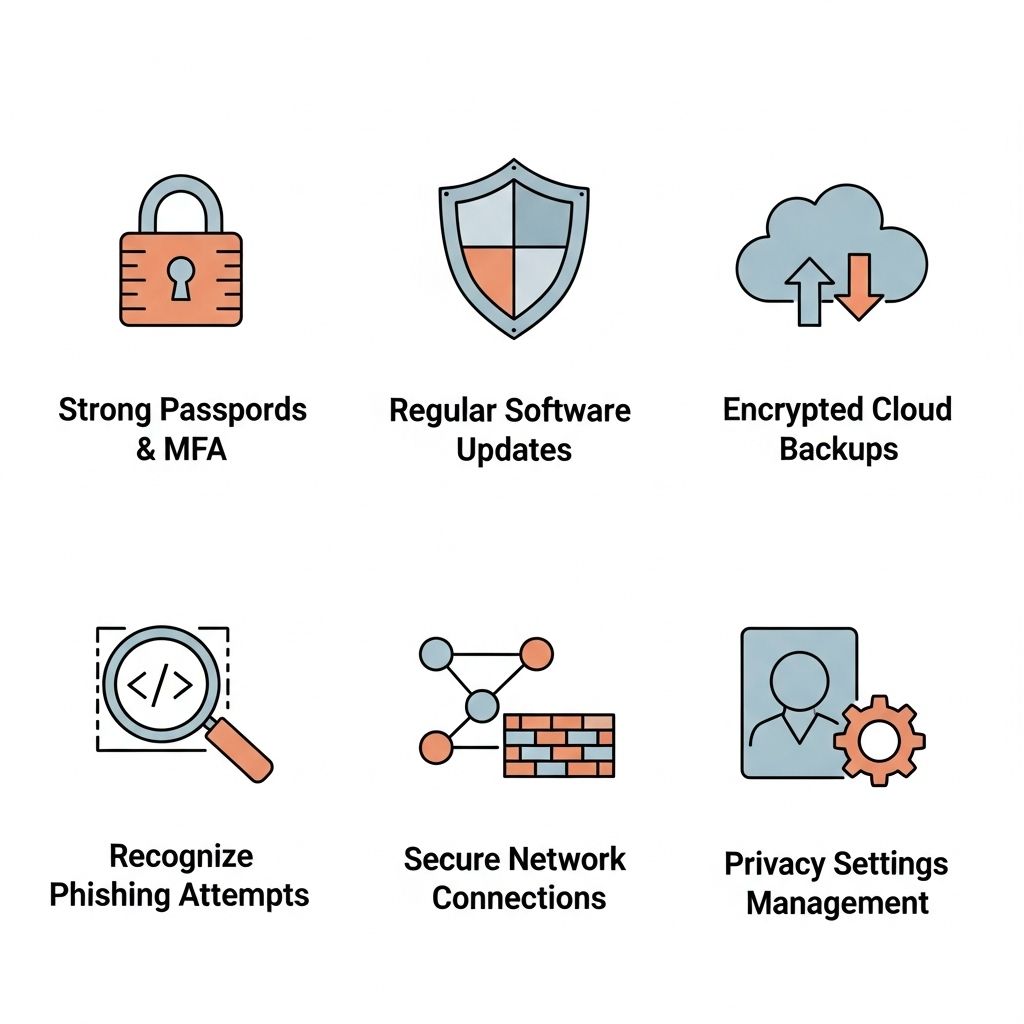
In an age where data breaches and cyber threats are becoming increasingly sophisticated, protecting your data has never been more crucial. As we look ahead to 2025, it’s essential to adopt proactive measures to shield your personal and professional information from prying eyes. Whether you are an individual user, a business owner, or a tech enthusiast, understanding the landscape of data protection will empower you to make informed decisions about your digital security.
As we navigate the evolving digital landscape of 2025, protecting your data has become more crucial than ever. Implementing robust security measures and staying informed about the latest threats are essential practices for safeguarding your personal information. For those looking to personalize their projects securely, you can search for customizable patterns that enhance both aesthetics and functionality.
The Increasing Importance of Data Protection
With the rise of the Internet of Things (IoT), artificial intelligence (AI), and big data analytics, the amount of personal and sensitive information available online is skyrocketing. Cybercriminals are leveraging these advancements to exploit vulnerabilities and gain unauthorized access to data. Here’s why data protection is becoming increasingly important:
- Growing Cyber Threats: Ransomware, phishing, and data breaches are at an all-time high.
- Regulatory Compliance: Many regions are introducing stricter data protection laws (e.g., GDPR, CCPA).
- Reputation Management: Companies that experience data breaches can suffer significant reputational damage.
- Operational Stability: Protecting data helps ensure that businesses can operate without disruptions.
Key Strategies for Data Protection
To effectively safeguard your data in 2025, consider implementing the following strategies:
1. Strong Password Practices
Passwords remain the first line of defense against unauthorized access. Here are tips for creating and managing strong passwords:
- Use a combination of upper and lowercase letters, numbers, and special characters.
- Avoid using easily guessable information, such as birthdays or names.
- Utilize a password manager to generate and store complex passwords securely.
- Enable two-factor authentication (2FA) wherever possible.
2. Regular Software Updates
Keeping your operating system, software applications, and devices updated is crucial for security. Regular updates often include patches for known vulnerabilities:
- Enable automatic updates for your devices and applications.
- Periodically check for updates for applications that do not support automatic updates.
3. Data Encryption
Data encryption is an effective way to protect sensitive information. Whether it’s data at rest or data in transit, encryption can help secure your data:
| Type of Data | Encryption Method |
|---|---|
| Data at Rest | Full disk encryption (e.g., BitLocker for Windows, FileVault for Mac) |
| Data in Transit | SSL/TLS protocols for web traffic, VPNs for private connections |
4. Secure Your Network
Whether at home or in the office, securing your network is vital in preventing unauthorized access:
- Change the default username and password of your router.
- Use strong Wi-Fi encryption (WPA3 is recommended).
- Consider setting up a separate guest network for visitors.
5. Backup Your Data
Regularly backing up your data can mitigate the impact of data loss incidents:
- Utilize both local (external hard drives) and cloud-based backup solutions.
- Schedule automatic backups to ensure consistency.
Trends Shaping Data Protection in 2025
As we move towards 2025, several trends are likely to shape the future of data protection:
1. Increased Use of AI and Machine Learning
AI and machine learning are becoming integral in detecting anomalies and preventing data breaches. These technologies can analyze patterns and identify potential threats faster than traditional methods.
2. Zero Trust Security Model
The Zero Trust security model operates on the principle of ‘never trust, always verify.’ This approach requires strict identity verification for every person and device attempting to access resources on a private network.
3. Biometric Security Solutions
Biometric verification methods, such as fingerprint scanning and facial recognition, are becoming more prevalent. These technologies provide an additional layer of security beyond traditional passwords.
Recommendations for Individuals
If you are an individual looking to protect your data, follow these guidelines:
- Be aware of phishing scams—always verify the origin of unexpected emails.
- Use privacy-focused web browsers and search engines.
- Regularly review your privacy settings on social media platforms.
- Educate yourself about the latest scams and cyber threats.
Recommendations for Businesses
Business owners must take additional steps to ensure data protection:
- Conduct regular employee training on cybersecurity best practices.
- Implement strict data access controls based on employee roles.
- Establish an incident response plan to address potential breaches.
Conclusion
As we approach 2025, the importance of protecting data cannot be overstated. By adopting robust security measures, staying informed about emerging threats, and continuously improving your security posture, you can significantly reduce the risk of data breaches and unauthorized access. Remember, the safety of your data is ultimately in your hands, and proactive measures will go a long way in ensuring your digital footprint remains secure.
FAQ
How can I protect my data in 2025?
To protect your data in 2025, use strong, unique passwords, enable two-factor authentication, regularly update your software, and utilize encryption for sensitive information.
What are the best practices for data security in 2025?
Best practices for data security in 2025 include conducting regular security audits, training employees on cybersecurity awareness, backing up data frequently, and using secure networks.
Why is data protection important in 2025?
Data protection is crucial in 2025 to safeguard personal information from cyber threats, maintain privacy, and comply with regulations that protect consumer data.
How can I ensure my online accounts are secure in 2025?
Ensure your online accounts are secure in 2025 by using complex passwords, enabling two-factor authentication, and regularly reviewing account activity for any unauthorized access.
What tools can help me protect my data in 2025?
Tools that can help protect your data in 2025 include antivirus software, firewalls, virtual private networks (VPNs), and password managers.
What should I do if my data is compromised in 2025?
If your data is compromised in 2025, immediately change your passwords, notify affected parties, monitor your accounts for suspicious activity, and consider reporting the breach to relevant authorities.