
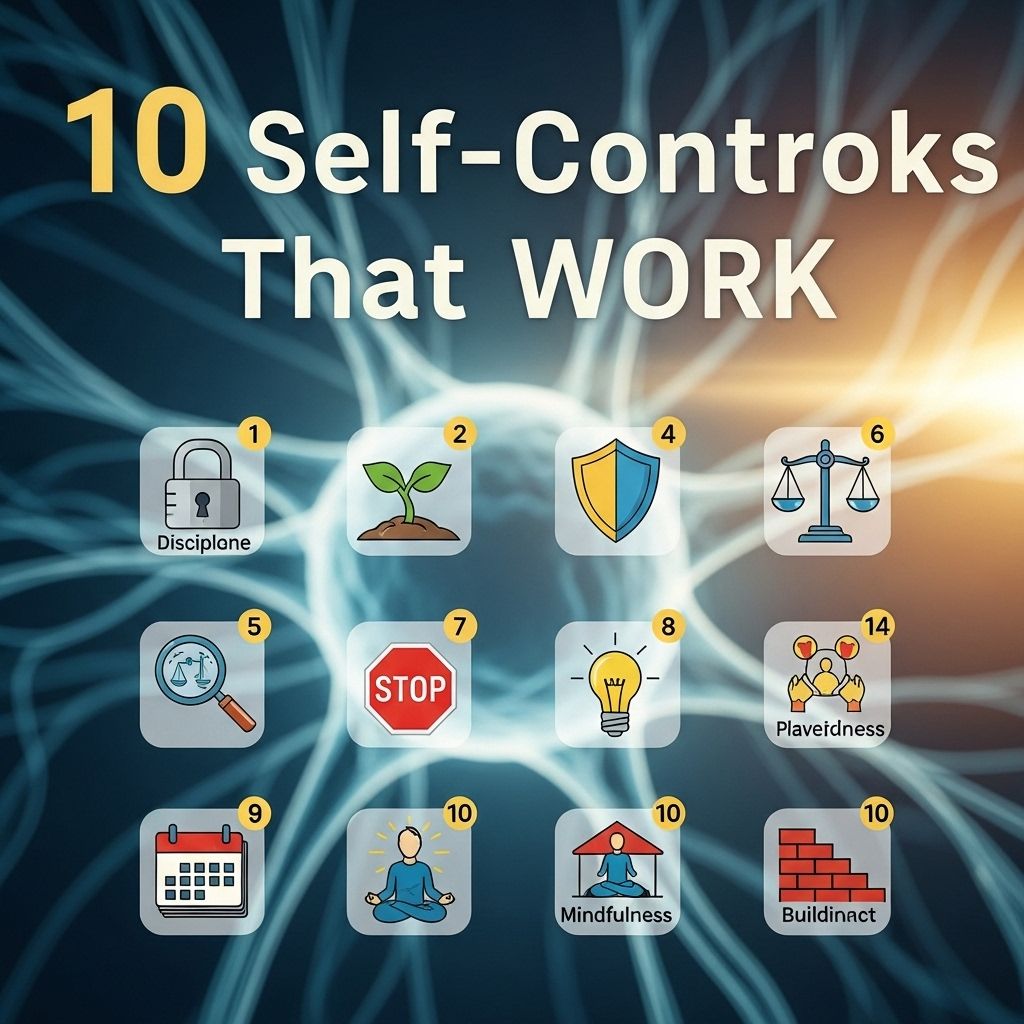
In a world filled with distractions, self-control can often feel like an elusive quality. Whether you’re trying to improve your productivity, maintain a healthy lifestyle, or simply stay focused on your goals, mastering self-control is essential. The good news is that there are effective hacks to help you strengthen this skill. In this article, we will explore ten practical techniques that can boost your self-discipline and help you achieve your aspirations.
Struggling with self-control can hinder your progress in various aspects of life, from personal goals to professional achievements. In this guide, we’ll explore 10 effective self-control hacks designed to boost your willpower and help you stay on track. For those interested in enhancing their design skills, check out the latest mockup designs that can inspire creativity.
Understanding Self-Control
Before diving into the hacks, it’s important to understand what self-control entails. Self-control is the ability to regulate your emotions, thoughts, and behaviors in the face of temptations and impulses. It encompasses a variety of domains, including:
- Emotional regulation
- Impulse control
- Goal-setting
- Habit formation
Having a robust self-control mechanism can lead to greater success in various aspects of life, from academic achievements to personal relationships.
1. Set Clear Goals
One of the most effective ways to enhance self-control is to set clear and achievable goals. When your objectives are well-defined, you are more likely to stay focused and motivated.
SMART Goals
Using the SMART criteria can help you formulate effective goals:
- Specific: Clearly define what you want to achieve.
- Measurable: Include metrics to track your progress.
- Achievable: Ensure your goal is realistic.
- Relevant: Align your goal with your long-term objectives.
- Time-bound: Set a deadline for completion.
2. Embrace Mindfulness
Mindfulness involves being fully present in the moment and aware of your thoughts and feelings without judgment. Practicing mindfulness can significantly improve your self-control by enhancing your awareness of impulses and temptations.
Mindfulness Techniques
Here are a few mindfulness techniques to get started:
- Meditation: Set aside time daily for meditation.
- Deep Breathing: Use deep breathing techniques to calm your mind.
- Body Scans: Perform body scans to connect with physical sensations.
3. Use the Pomodoro Technique
The Pomodoro Technique is a time management method that can help improve focus and self-control. It encourages you to work in short bursts with scheduled breaks, which can enhance your concentration and reduce burnout.
How to Implement the Pomodoro Technique
- Choose a task you want to work on.
- Set a timer for 25 minutes.
- Work on the task until the timer goes off.
- Take a 5-minute break.
- Repeat the process, and after four sessions, take a longer break of 15–30 minutes.
4. Eliminate Distractions
Reducing distractions in your environment can significantly improve self-control. Identify what commonly distracts you and find ways to eliminate or manage these interruptions.
Strategies to Reduce Distractions
- Create a designated workspace: Keep your work area organized and free from distractions.
- Limit social media: Use apps to block social media during work hours.
- Use noise-canceling headphones: Minimize auditory distractions while working.
5. Build Healthy Habits
Establishing healthy habits is crucial for maintaining self-control. Habits can automate behavior, making it easier to stick to your goals without requiring constant willpower.
Strategies for Habit Formation
- Start small: Make tiny changes that are easy to implement.
- Be consistent: Practice your new habits every day at the same time.
- Track your progress: Use journals or apps to monitor your habits.
6. Practice Gratitude
Gratitude can enhance your self-control by shifting your focus from what you lack to appreciating what you have. This positive mindset can reinforce your motivation and resolve.
Ways to Practice Gratitude
- Keep a gratitude journal and write down three things you are grateful for each day.
- Express appreciation to others verbally or through notes.
- Reflect on positive experiences regularly.
7. Visualize Success
Visualization can be a powerful tool for strengthening self-control. By imagining yourself achieving your goals, you can enhance your motivation and commitment to those objectives.
Visualization Techniques
- Spend a few minutes each day visualizing your success.
- Create vision boards to represent your goals visually.
- Incorporate positive affirmations to reinforce your vision.
8. Reward Yourself
Incentives can increase motivation and self-control. Setting up a reward system can help reinforce the positive behaviors that contribute to your long-term goals.
Effective Reward Strategies
- Set up small rewards for completing tasks.
- Use larger rewards for achieving significant milestones.
- Make sure rewards are aligned with your goals (e.g., indulging in a healthy treat instead of junk food).
9. Stay Accountable
Accountability can enhance your commitment to your goals. Share your objectives with friends, family, or colleagues who can help keep you on track.
Ways to Enhance Accountability
- Find an accountability partner to check in with regularly.
- Join groups or communities that share similar goals.
- Use social media to publicly commit to your objectives.
10. Reflect and Adjust
Self-control is a skill that can be developed over time. Regularly reflecting on your progress can help you identify what works and what doesn’t, allowing you to adjust your strategies accordingly.
Reflection Techniques
- Set aside time each week to review your goals and progress.
- Assess challenges that arose and how you managed them.
- Adjust your strategies based on what you learn from your reflections.
Conclusion
Self-control is not an inherent trait but a skill that can be cultivated through practice and perseverance. By implementing these ten hacks, you can enhance your self-discipline, improve your focus, and ultimately achieve your goals. Remember that progress takes time, and the key is to stay committed to your journey of personal development.
FAQ
What are self-control hacks?
Self-control hacks are strategies or techniques designed to help individuals manage their impulses, make better decisions, and stick to their goals.
How can I improve my self-discipline?
Improving self-discipline involves setting clear goals, creating structured routines, removing distractions, and practicing mindfulness.
What role does environment play in self-control?
Your environment significantly impacts your self-control; a clutter-free, organized space can reduce distractions and help you maintain focus.
Can self-control be strengthened?
Yes, self-control can be strengthened over time through consistent practice, setting achievable goals, and rewarding yourself for progress.
What are some effective self-control techniques?
Effective techniques include using timers for focused work, breaking tasks into smaller steps, and employing the ’10-minute rule’ to delay impulsive decisions.
How does mindfulness affect self-control?
Mindfulness enhances self-control by increasing awareness of thoughts and feelings, allowing individuals to respond thoughtfully rather than react impulsively.


