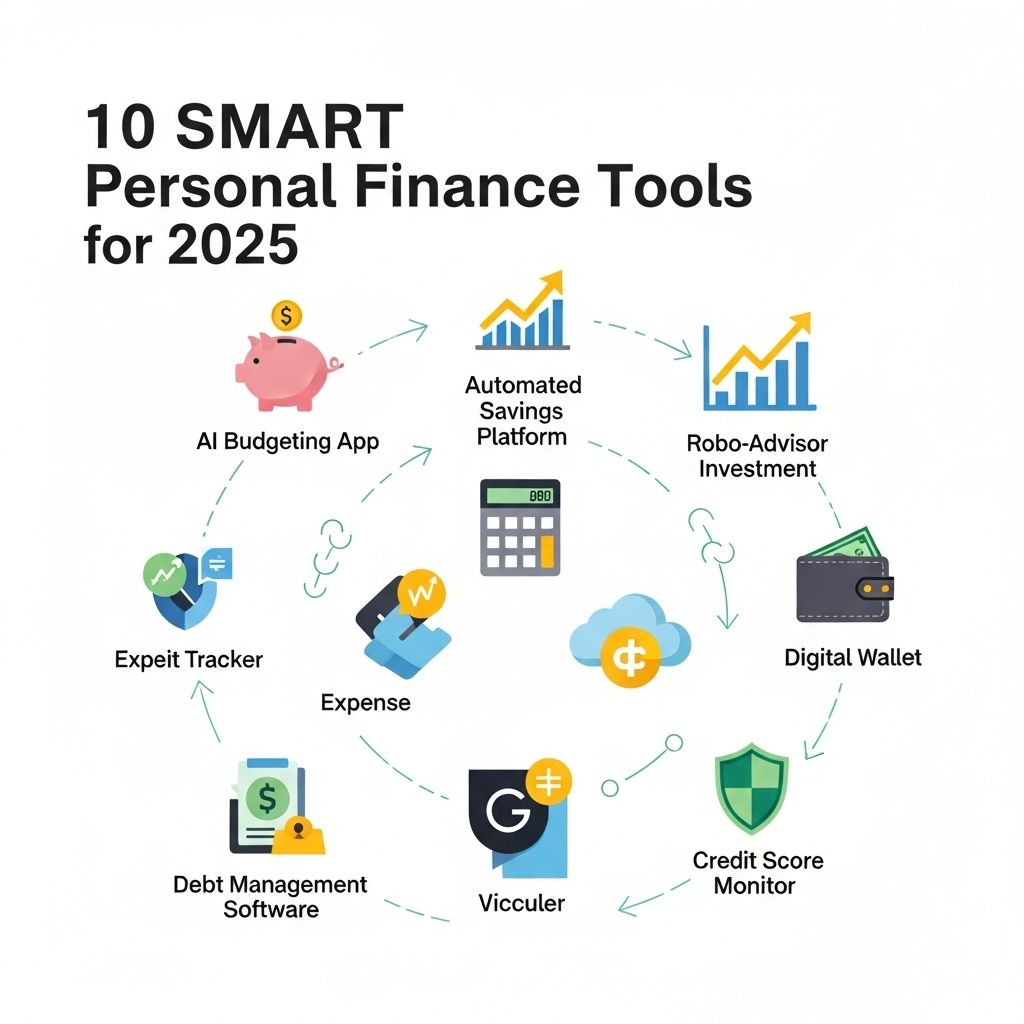
As we approach 2025, the landscape of personal finance is evolving rapidly, driven by technological advancements and changing consumer needs. Whether you are a seasoned investor, a budgeting enthusiast, or someone who is just beginning their financial journey, having the right tools at your disposal can make a significant difference in achieving your financial goals. In this article, we will explore ten innovative personal finance tools that are poised to make waves in 2025, focusing on their features, benefits, and how they can help you take control of your financial future.
As we move towards 2025, managing personal finances becomes increasingly important, and the right tools can make all the difference. In this article, we explore ten innovative personal finance tools designed to help you budget, save, and invest smarter than ever before. To support your creative endeavors, check out our pattern templates that can enhance your financial planning resources.
1. Budgeting Apps with AI Integration
As artificial intelligence continues to mature, budgeting apps are becoming smarter and more intuitive. These apps can analyze your spending patterns and automatically categorize your expenses.
Key Features:
- Automated expense tracking
- Real-time financial insights
- Personalized budgeting suggestions
Apps like Mint and YNAB are expected to integrate AI functionalities, making budgeting easier for users.
2. Robo-Advisors for Automated Investing
Robo-advisors have gained immense popularity over the past few years, and their evolution is far from over. By 2025, these platforms will offer even more tailored investment solutions based on individual risk profiles and financial goals.
Benefits of Robo-Advisors:
- Lower fees compared to traditional advisors
- Accessibility for all income levels
- Automated rebalancing and tax-loss harvesting
Popular platforms such as Betterment and Wealthfront are expected to enhance their algorithms to better serve users.
3. Cryptocurrency Wallets with Enhanced Security
The rise of cryptocurrencies has brought about the need for secure wallets. By 2025, we expect to see advancements in encryption methods and user authentication that make holding cryptocurrencies safer than ever.
What to Look For:
- Multi-signature support
- Cold storage options
- User-friendly interfaces
Wallets like Ledger and Trezor are likely to lead the charge in providing secure solutions for crypto enthusiasts.
4. Peer-to-Peer Lending Platforms
Peer-to-peer (P2P) lending allows individuals to lend money to one another, bypassing traditional banks. In 2025, these platforms will likely incorporate advanced credit scoring algorithms to minimize risk.
Advantages of P2P Lending:
- Potentially higher returns for lenders
- Accessible financing options for borrowers
- Transparent fee structures
Platforms like LendingClub and Prosper are expected to enhance user experiences through better tech.
5. Financial Planning Software with Scenario Modeling
Financial planning software is evolving to include scenario modeling, allowing users to visualize the impact of their financial decisions over time. By 2025, this tool will be essential for individuals aiming for long-term goals.
Features to Consider:
- Dynamic modeling of various financial scenarios
- Integration with investment accounts
- Comprehensive reporting tools
Tools like RightCapital and eMoney Advisor may lead advancements in this area.
6. Personal Finance Chatbots
Chatbots are becoming an integral part of personal finance management by providing quick answers to queries and personalized financial advice. In 2025, expect chatbots to be even more sophisticated, offering 24/7 support.
Potential Uses:
- Budgeting assistance
- Investment recommendations
- Debt management advice
Platforms like Clearscore are already experimenting with this technology.
7. Investment Research Tools Utilizing Big Data
With the vast amounts of data available today, investment research tools will leverage big data analytics to provide sharper insights. In 2025, tools that offer real-time analysis will be paramount.
Benefits:
- Data-driven investment decisions
- Trend forecasting capabilities
- Comprehensive market analyses
Services like Morningstar and Seeking Alpha may enhance their offerings through big data.
8. Mobile Payment Solutions with Enhanced Features
Mobile wallets and payment solutions are becoming crucial for everyday transactions. By 2025, we anticipate features like biometric payments and enhanced loyalty rewards.
Expected Innovations:
- Instant transaction verification
- Integrated budgeting tools
- Cross-platform compatibility
Apps like Apple Pay and Google Wallet will likely continue to innovate in this space.
9. Personalized Savings Tools
Saving money effectively can be a challenge for many. By 2025, savings apps will offer personalized plans that adapt to users’ spending habits and financial goals.
Features to Explore:
- Round-up savings options
- Goal-based savings plans
- Automated transfers
Apps such as Qapital and Acorns are likely to refine their approaches to help users save smarter.
10. Tax Preparation Tools with Real-Time Updates
The tax landscape is always changing, and in 2025, we can expect tax preparation software to offer real-time updates and advice based on current tax laws.
Key Functionalities:
- Automated deductions and credits
- Integration with financial accounts
- Guidance for complex tax situations
Platforms like TurboTax and H&R Block are expected to stay ahead by continuously updating their resources and user interfaces.
Conclusion
As we move towards 2025, the personal finance landscape is set to become more dynamic and user-friendly. The tools mentioned above are just a glimpse into how technology is shaping the way we manage our finances. Whether it’s through budgeting apps, robo-advisors, or innovative savings solutions, these tools will empower individuals to take control of their financial destinies. Embracing these advancements will be essential for anyone looking to thrive in the coming financial landscape.
FAQ
What are SMART personal finance tools?
SMART personal finance tools are applications or software designed to help individuals manage their finances effectively by setting Specific, Measurable, Achievable, Relevant, and Time-bound goals.
How can personal finance tools help me save money?
Personal finance tools help you track your spending, create budgets, and set savings goals, which can lead to better financial habits and increased savings.
What features should I look for in a personal finance tool?
Look for features such as budgeting capabilities, expense tracking, goal setting, investment tracking, and integration with your bank accounts for real-time updates.
Are there free personal finance tools available?
Yes, many personal finance tools offer free versions with basic features, allowing users to manage their finances without incurring costs.
How do I choose the best personal finance tool for my needs?
Consider your financial goals, the complexity of your finances, user interface, customer support, and whether the tool integrates with your existing financial accounts.
What are some popular personal finance tools for 2025?
Some popular personal finance tools for 2025 include Mint, YNAB (You Need A Budget), Personal Capital, and PocketGuard, each offering unique features to help manage finances.