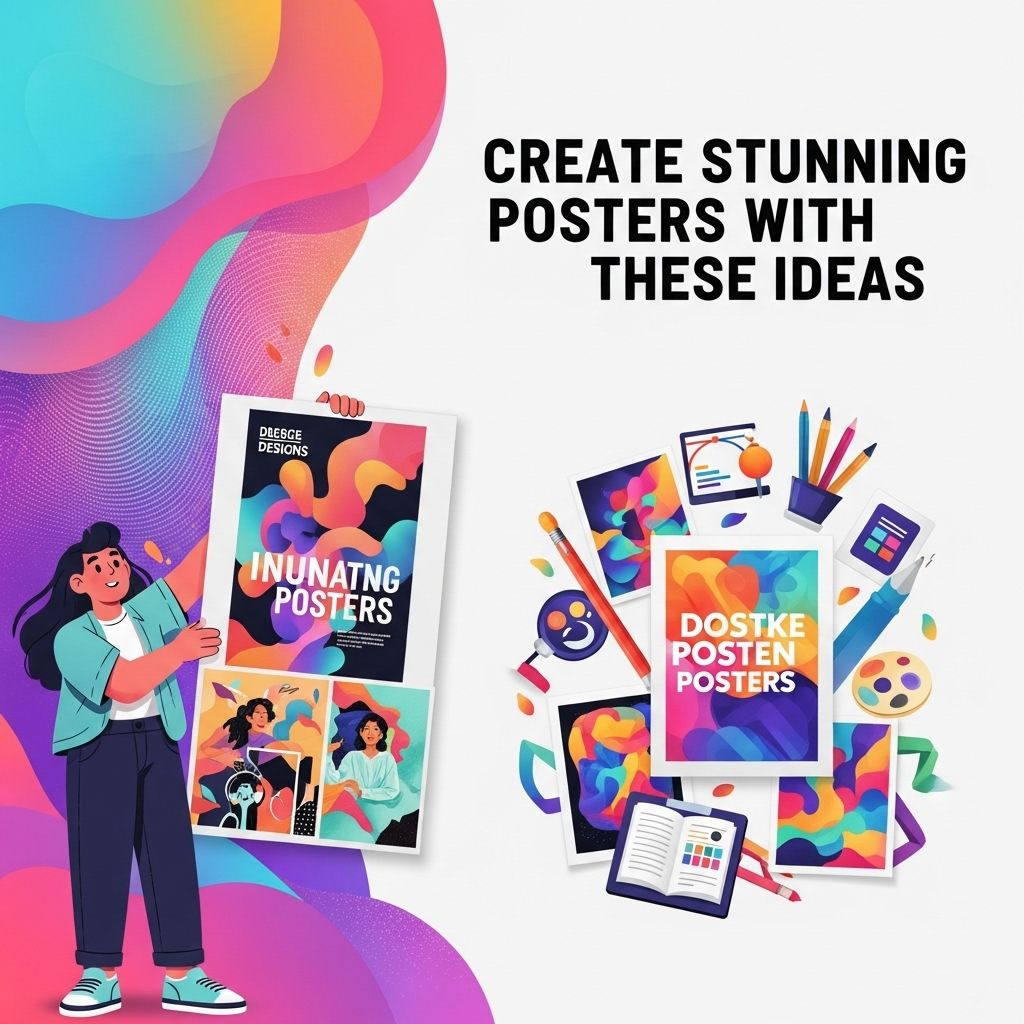
Creating stunning posters is an art that combines creativity, design principles, and effective communication. Posters have been a popular medium for advertising, education, and artistic expression for decades. In a world where visual information dominates, understanding how to create eye-catching posters is essential for anyone looking to make an impact. This article delves into various ideas and techniques to help you create posters that stand out.
Creating eye-catching posters is an art that combines creativity and design principles. Whether you’re promoting a product or an event, unique ideas can make your visuals pop and capture attention. To enhance your design process, be sure to explore cosmetic mockup designs that can inspire and elevate your presentations.
Understanding the Purpose of Your Poster
Before diving into the design process, it is crucial to understand the purpose of your poster. Whether it’s for a concert, event, educational purpose, or a personal project, defining your goal will guide your design choices. Here are some key purposes for posters:
- Promotional: To advertise a product, service, or event.
- Informational: To educate the audience about a specific topic.
- Artistic: To express creativity and provoke thought.
Key Elements of Effective Poster Design
An effective poster should convey its message quickly and clearly. Here are the key elements to consider:
1. Visual Hierarchy
Organizing information through visual hierarchy is vital for guiding the viewer’s eye. Here are some ways to achieve this:
- Font Size: Use larger fonts for the title and smaller sizes for additional information.
- Color Contrast: Employ contrasting colors to differentiate between sections and highlight important details.
2. Color Schemes
Colors evoke emotions and set the tone of your poster. Consider these popular color schemes:
| Color Scheme | Description |
|---|---|
| Monochromatic | A single color with varying shades and tints. |
| Complementary | Colors opposite each other on the color wheel. |
| Analogous | Colors next to each other on the color wheel. |
3. Typography
The choice of fonts significantly impacts your poster’s readability and appeal. Here are some tips:
- Limit your fonts to two or three to maintain coherence.
- Choose fonts that align with your poster’s theme (e.g., serif for formal events, sans-serif for modern designs).
Inspiring Ideas for Poster Creation
Now that we’ve covered the basics, let’s explore some inspiring poster ideas that can captivate your audience:
1. Minimalist Design
Less is often more, especially in poster design. A minimalist approach emphasizes simplicity, allowing the message to shine through without distractions. Techniques include:
- Using ample white space.
- Focusing on a single focal point.
- Incorporating simple graphics or illustrations.
2. Infographic Posters
Transform data into visual stories with infographic posters. These combine text and graphics to present complex information in an easily digestible format. Key elements include:
- Charts and graphs to visualize data.
- Icons and illustrations to support key points.
3. Mixed Media Posters
Merging traditional and digital techniques can yield stunning results. Consider incorporating:
- Photographs with hand-drawn elements.
- Collage styles using various textures and materials.
Tools and Software for Poster Design
There are numerous tools available for designing posters, catering to various skill levels. Here’s a selection:
1. Adobe Creative Suite
Adobe offers professional-grade software like Illustrator and Photoshop, perfect for detailed designs.
2. Canva
An accessible, user-friendly platform ideal for beginners, offering numerous templates.
3. Affinity Designer
A powerful alternative to Adobe, providing robust features at a one-time purchase cost.
Printing and Displaying Your Poster
Once your poster design is complete, it’s time to think about printing and displaying it. Here are some tips:
1. Choose the Right Paper
Consider the following types of paper:
- Matte: For a subtle, elegant finish.
- Glossy: For vibrant colors and sharp images.
2. Size and Format
Standard poster sizes include:
| Size | Dimensions (inches) |
|---|---|
| Small | 11 x 17 |
| Medium | 18 x 24 |
| Large | 24 x 36 |
3. Display Techniques
How you display your poster matters. Options include:
- Framing for a polished look.
- Mounting on foam board for durability.
- Hanging with clips or washi tape for a casual vibe.
Final Thoughts
Creating stunning posters requires a combination of understanding your audience, utilizing design principles, and exploring your creativity. Whether you’re promoting an event, sharing information, or expressing artistic ideas, these insights and techniques will help you produce posters that are not only visually appealing but also effective in communicating your message. Remember, the key to a great poster lies in its ability to capture attention and convey a message at a glance. So grab your design tools and start creating!
FAQ
What are some creative ideas for designing stunning posters?
Consider using bold colors, unique typography, and high-quality images to grab attention. Incorporate minimalist designs or thematic elements that resonate with your message.
How can I choose the right color scheme for my poster?
Select a color scheme that aligns with the theme of your poster and appeals to your target audience. Use tools like Adobe Color or Coolors to find complementary colors.
What typography tips can enhance my poster design?
Choose fonts that are easy to read from a distance. Limit your selection to two or three complementary fonts and ensure there is enough contrast between the text and background.
How can I effectively use images in my poster?
Use high-resolution images that are relevant to your message. Consider using a focal image that draws the viewer’s eye, and ensure it complements the overall design.
What printing options should I consider for my posters?
Look into different printing materials such as glossy, matte, or canvas. Consider the size and finish that best suits your design and intended display location.
How can I promote my poster once it’s designed?
Share your poster on social media platforms, utilize email marketing, and consider local community boards or events to display your design for maximum visibility.