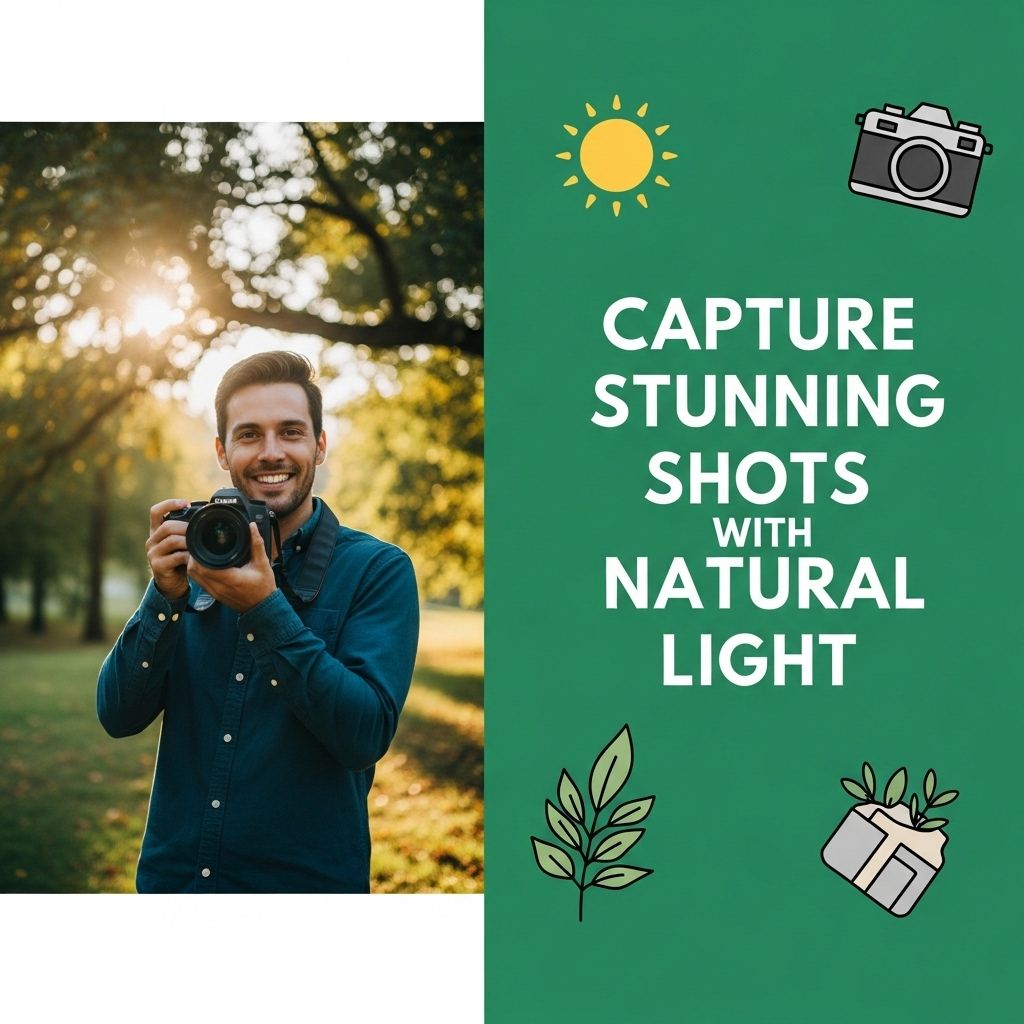
Natural light can elevate your photography, creating stunning images that resonate with viewers. Whether you’re a beginner or an experienced photographer, mastering the art of using natural light can significantly enhance your work. This article explores the benefits, techniques, and tips for capturing breathtaking shots using only the light provided by nature.
Understanding Natural Light
Natural light refers to sunlight or moonlight and is often preferred by photographers for its ability to create soft, beautiful images without the harshness of artificial lighting. There are several characteristics of natural light that photographers should understand:
- Direction: The way light hits your subject can drastically change the mood of an image.
- Quality: Natural light can be hard or soft depending on the time of day and weather conditions.
- Color Temperature: The color of light can vary throughout the day, affecting the overall tone of the photograph.
Benefits of Using Natural Light
Choosing to shoot with natural light has several benefits:
- Cost-Effective: No need for expensive lighting equipment.
- Versatility: Natural light can be used in various settings, from landscapes to portraits.
- Soft Shadows: Soft, diffused light reduces harsh shadows, making for more flattering images.
- Dynamic Range: Natural light can create a wider dynamic range, capturing details in both shadows and highlights.
Different Times of Day
Understanding how the position of the sun affects light quality is crucial. Here’s a breakdown of the best times to shoot:
| Time of Day | Light Quality | Best For |
|---|---|---|
| Golden Hour | Soft, warm light | Landscapes, portraits |
| Noon | Harsh, direct light | Street photography, high-contrast images |
| Blue Hour | Cool, diffused light | Cityscapes, night photography |
Techniques for Harnessing Natural Light
Here are some key techniques to effectively capture stunning shots with natural light:
1. Use Reflectors
Reflectors can help direct light onto your subject, filling in shadows and enhancing highlights. You can use:
- White boards for soft reflections
- Silver boards for bright, intense reflections
- Gold boards for warm reflections
2. Experiment with Angles
The angle of your shot can change the way light interacts with your subject. Try:
- Shooting from below the subject to capture light filtering through branches.
- Photographing from above, using light to create striking silhouettes.
3. Utilize Shadows
Shadows can add depth to your images. Use them creatively by:
- Incorporating shadows as a compositional element.
- Shooting during the golden hour to capture long, dramatic shadows.
4. Backlighting Techniques
Shooting backlit images can create a magical glow, particularly in portraits and nature shots. Here are tips for achieving stunning backlighting:
- Position the sun behind your subject.
- Use a wide aperture to create a shallow depth of field.
- Experiment with lens flare for a dreamy effect.
Post-Processing Tips
Enhancing your natural light photographs in post-processing can elevate them further. Consider these techniques:
1. Adjust White Balance
Correct the color temperature to ensure your images have the desired warmth or coolness based on the time of day.
2. Contrast and Exposure
Enhance contrast to add depth and adjust exposure settings to highlight details in shadows and highlights.
3. Cropping and Framing
Revisit your composition during editing. Cropping can eliminate distractions and draw focus to your subject.
Common Mistakes to Avoid
Even with the best intentions, mistakes can happen. Here are common pitfalls to avoid:
- Shooting in Harsh Light: Midday sun can create unflattering shadows. Aim for early morning or late afternoon.
- Ignoring Weather Conditions: Cloudy days can provide beautiful diffused light; don’t shy away from overcast conditions.
- Too Much Contrast: While contrast can be beneficial, too much can lead to loss of detail.
Conclusion
Mastering natural light can transform your photography and allow your creativity to shine. By understanding the nuances of light, utilizing techniques effectively, and enhancing your images in post-processing, you can capture stunning shots that tell a story and evoke emotion. So grab your camera, step outside, and let the beauty of natural light inspire your next photo adventure.
FAQ
How can I capture stunning photos using natural light?
To capture stunning photos with natural light, consider shooting during the golden hour, which is the hour after sunrise and before sunset. Use reflectors to bounce light onto your subject and experiment with different angles to find the most flattering light.
What are the best times of day for natural light photography?
The best times for natural light photography are during the golden hour and the blue hour. The golden hour provides warm, soft light, while the blue hour offers cool tones that can enhance your images.
How do I avoid harsh shadows in natural light photography?
To avoid harsh shadows, try to shoot in shaded areas or on overcast days when the light is diffused. You can also use a diffuser to soften the light when shooting in direct sunlight.
What equipment do I need for natural light photography?
While you can capture stunning images with just a camera and lens, consider bringing reflectors, a tripod, and a lens with a wide aperture for better results in natural light photography.
How can I enhance colors in my natural light photos?
To enhance colors in your natural light photos, shoot during the golden hour for warmer tones or use editing software to adjust saturation and contrast while maintaining a natural look.